 LC
LC
Northern Snake-necked Turtle
Chelodina rugosa
The Northern Snake-necked Turtle (Chelodina rugosa), also known as the Northern Long-necked Turtle, is a medium to large side-neck···
Explore reptiles including turtles, snakes, lizards, and crocodilians, with species profiles covering size, habitat, lifespan, traits, and IUCN status.

Use these shortcuts to move into more specific animal groups.
Testudinata is commonly known as turtles, and all its members are the oldest reptiles in existence. They are characterized by a very strong shell on their bodies. When attacked, the turtle can retract its head, tail and limbs into the shell. Most turtles are carnivorous. Turtles can usually live on land and in water, and there are also sea turtles that live in the sea for a long time. Turtles are also long-lived animals, and some live for more than a hundred years in the natural environment.
Taxonomic Placement
Testudines (also referred to as Chelonia in some classifications) is an order of Reptilia (reptiles) that includes all extant and extinct turtles, tortoises, and terrapins. With around 350 living species, they inhabit freshwater, marine, and terrestrial environments in tropical, temperate, and even high-elevation regions worldwide.
Prominent Morphological Features
Carapace and Plastron: The most distinctive attribute is the hard shell composed of an upper carapace (formed by expanded ribs and vertebrae) and a lower plastron, often covered by horny scutes or leathery skin.
Neck Retraction: Based on how the neck is retracted or bent sideways, turtles are divided into two main suborders: Cryptodira (hidden-necked turtles) and Pleurodira (side-necked turtles).
Toothless Jaws: Turtles lack true teeth, instead bearing sharp, horn-like beaks for feeding.
Longevity and Growth: Many Testudines species exhibit long lifespans and slow growth rates; some sea turtles and giant tortoises can live for decades or even over a century.
Ecological Habits
Habitat Range: Includes marine (e.g., sea turtles), freshwater (e.g., softshell turtles, pond turtles), and terrestrial (e.g., tortoises) habitats.
Varied Diets: Some are strictly herbivorous (many tortoises), others are omnivorous (certain freshwater turtles), and some are carnivorous (softshells, snapping turtles, leatherback turtles, etc.).
Reproduction: All are oviparous, laying eggs on land or sandy beaches. The hatchlings receive no parental care post-hatching.
Role in Food Webs
Freshwater and marine turtles often act as mid-level predators, scavengers, or algae grazers, helping maintain aquatic ecosystems. Tortoises can be influential herbivores in grasslands and deserts, aiding seed dispersal and soil turnover.
Economic and Cultural Value
Fisheries and Medicinal Use: Some turtles (like softshell turtles, certain freshwater species) are harvested for food or used in traditional medicine.
Pets and Ornamental Species: Many species (e.g., red-eared sliders, Asian box turtles, sulcata tortoises) appear in the pet trade, which can raise concerns regarding invasive species or illegal trafficking.
Cultural Symbol: Turtles often symbolize longevity and resilience in various cultures, while sea turtles hold important roles in marine ecotourism and folklore.
Fossil Record and Early Origins
Turtles emerged as early as the Late Triassic (over 200 million years ago), as evidenced by fossils like Odontochelys, which had partly formed shells.
By the Jurassic, stem turtles like Proganochelys displayed a more complete shell, although retaining some primitive traits. These fossils illustrate the evolutionary path from thickened ribs and dermal plates to the robust shells we see today.
Division into Hidden-necked and Side-necked Turtles
The difference in neck retraction strategy leads to two main lineages:
Cryptodira: The majority of modern turtles (sea turtles, tortoises, freshwater turtles) retract their necks straight back into the shell.
Pleurodira: Fewer species found mainly in the Southern Hemisphere (snake-necked and side-necked turtles) bend their necks sideways to tuck it under the shell margin.
This divergence dates back to the Late Jurassic or mid-Cretaceous, with each lineage evolving extensively on different continents.
Modern Diversity and Distribution
Through subsequent geological periods, tectonic shifts and climatic changes allowed turtles to expand into marine, riverine, wetland, and desert habitats.
Human activities (hunting, habitat destruction, global trade) and climatic changes now pose significant threats to many turtle populations, placing numerous species under endangered or protected status.
| Family | Representative Genus | Example Species | Distribution & Notes |
|---|---|---|---|
| Chelidae (Austro-American Side-necked Turtles) | Chelus (Mata mata), Chelodina (Long-necked turtles), etc. | Mata mata (Chelus fimbriata), Australian long-necked turtle (Chelodina longicollis), etc. | Found in South America and Australia; notably long necks that fold sideways, some have very unusual appearances. |
| Pelomedusidae (Afro-American Sideneck Turtles) | Pelomedusa (African Helmeted Turtle), Pelusios, etc. | African helmeted turtle (Pelomedusa subrufa), etc. | Mostly in Africa, parts of South America and Madagascar; neck folds to the side rather than fully retracting. |
| Podocnemididae (River Turtles) | Podocnemis (South American River Turtles), etc. | Yellow-spotted river turtle (Podocnemis unifilis), etc. | Large, riverine turtles found in South American basins and Madagascar; many species are big-bodied and aquatic. |
| Family | Representative Genus | Example Species | Distribution & Notes |
|---|---|---|---|
| Cheloniidae (Sea Turtles) | Chelonia (Green Sea Turtle), Eretmochelys (Hawksbill), Caretta (Loggerhead), etc. | Green sea turtle (Chelonia mydas), Hawksbill (Eretmochelys imbricata), Loggerhead (Caretta caretta), etc. | Occupy tropical/subtropical oceans worldwide; threatened by fisheries bycatch, marine pollution, coastal habitat loss. |
| Dermochelyidae (Leatherback Sea Turtle) | Dermochelys (Leatherback Turtle) | Leatherback turtle (Dermochelys coriacea) | The largest sea turtle; unique leathery shell instead of horny scutes; jellyfish specialist; also endangered globally. |
| Chelydridae (Snapping Turtles) | Macrochelys (Alligator Snapping Turtle), Chelydra (Common Snapping Turtle) | Alligator snapping turtle (Macrochelys temminckii), Common snapping turtle (Chelydra serpentina) | Native to North America; large freshwater turtles with strong bites and aggressive temperament. |
| Trionychidae (Softshell Turtles) | Pelodiscus (Chinese Softshell), Apalone (American Softshell), Rafetus, etc. | Chinese softshell turtle (Pelodiscus sinensis), Spiny softshell (Apalone spinifera), etc. | Soft, leathery carapace; well-adapted for ambush hunting and burrowing; found in Asia, Africa, North America. |
| Emydidae (Pond and Box Turtles) | Trachemys (Sliders), Emys (European Pond Turtle), Graptemys (Map Turtles), etc. | Red-eared slider (Trachemys scripta elegans), European pond turtle (Emys orbicularis), etc. | Mostly in North America and parts of Europe/North Africa/Asia; popular in pet trade. Red-eared sliders can be invasive. |
| Testudinidae (Tortoises) | Testudo (Mediterranean tortoises), Geochelone (Giant tortoises), Gopherus (Gopher tortoises), etc. | Sulcata tortoise (Centrochelys sulcata), Galápagos tortoise (Chelonoidis niger), etc. | Terrestrial species with strong, columnar limbs; found in arid/semi-arid regions worldwide; some are extremely long-lived. |
| Geoemydidae (Leaf and Pond Turtles) | Mauremys (Asian Pond Turtle), Cuora (Asian Box Turtle), Sacalia, Chinemys, etc. | Asian leaf turtle (Mauremys mutica), Yellow-margined box turtle (Cuora flavomarginata), etc. | Mostly Asian distribution; many species threatened by habitat loss and over-collection for food or medicine. |
| Dermatemydidae (Mesoamerican River Turtle) | Dermatemys (Giant River Turtle) | Central American river turtle (Dermatemys mawii) | Endemic to river systems in Central America; extremely endangered due to limited distribution and exploitation. |
Multiple Evolutionary Events Shaping Global Distribution
The fossil record of turtles dates back to the Late Triassic, revealing the earliest shells and subsequent division into the hidden-neck (Cryptodira) and side-neck (Pleurodira) lineages.
These lineages diversified into marine, freshwater, and terrestrial habitats on different continents across geological time.
Ecology and Human Interaction
Turtles play vital roles in marine and freshwater ecosystems (e.g., sea turtles controlling jellyfish populations, softshells scavenging organic matter). Tortoises are key herbivores in deserts/grasslands.
Overexploitation (hunting, trade), habitat loss, and pollution threaten many turtle species, making conservation efforts vital.
Conservation and the Future
Many sea turtles and numerous freshwater/terrestrial turtles are listed under international conventions or on endangered species lists. Conservation efforts include protected areas, nesting beach patrols, captive breeding, and release programs.
Ongoing genetic and phylogenetic research refines our understanding of turtle relationships, guiding taxonomy, conservation priorities, and strategies.
This overview analyzes the historical evolution, main classifications, and roles of the order Testudines in ecology and human society. If you need to get more detailed information on the morphology, distribution, and conservation status of specific species, you can refer to local herpetological records, reports from wildlife conservation organizations, and the latest molecular systematics research. I hope this "Classification of Testudines" can provide you with easy-to-understand and informative popular science.
Search the animals shown on this page or narrow them by IUCN conservation code.
LC
Chelodina rugosa
The Northern Snake-necked Turtle (Chelodina rugosa), also known as the Northern Long-necked Turtle, is a medium to large side-neck···
 LC
LC
Elusor macrurus
The Mary River Turtle (Elusor macrurus) is a large, highly distinctive freshwater turtle in the family Chelidae and the sole membe···
 LC
LC
Emydura krefftii
Krefft’s Turtle (Emydura krefftii), sometimes called Krefft’s River Turtle or Krefft’s Short-necked Turtle, is a medium-sized f···
 LC
LC
Eretmochelys imbricata
The Hawksbill Sea Turtle (Eretmochelys imbricata) is a medium-sized, strikingly patterned sea turtle in the family Cheloniidae and···
 LC
LC
Chelonia mydas
The Green Turtle (Chelonia mydas) is one of the largest and most widespread sea turtles on Earth. Belonging to the family Chelonii···
 LC
LC
Chelodina longicollis
The Eastern Snake-necked Turtle (Chelodina longicollis), also known as the Eastern Long-necked Turtle, is a distinctive freshwater···
 CR
CR
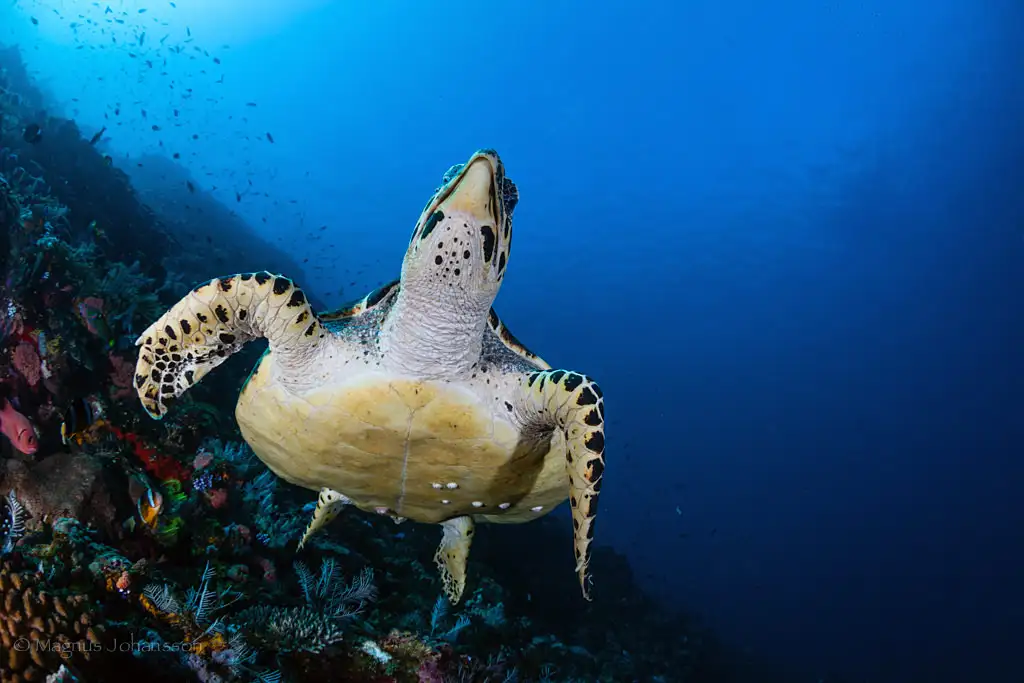
Eretmochelys imbricata
Eretmochelys imbricata—the hawksbill sea turtle—is recognised by its sharp, hawk‑like beak andoverlapping (imbricated) carapace···
 LC
LC
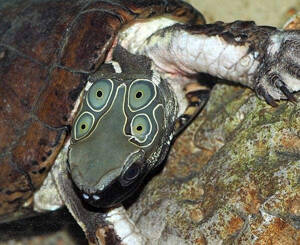
Sacalia quadriocellata,Four-eyed Turtle,Six-eyed turtle, four-eyed turtle, four-eyed spotted turtle
Four-eyed turtle is called Four-eyed Turtle in foreign language, and has no subspecies.In nature, four-eyed turtles like to live i···
 LC
LC
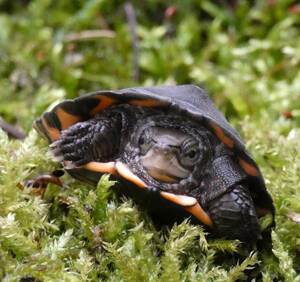
Cuora zhoui,Zhou`s Box Turtle,Black box turtle, black turtle
Zhou's Box Turtle is called Zhou's Box Turtle in foreign language, and has no subspecies.Zhou's Box Turtle is named af···
 LC
LC
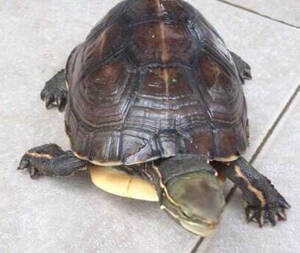
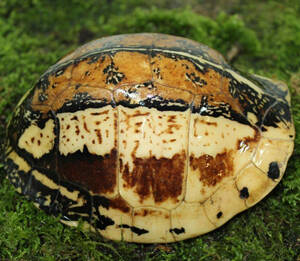
Cuora yunnanensis,Yunnan box turtle,turtle
Yunnan box turtle is called Yunnan box turtle in foreign language, and has no subspecies.Yunnan box turtle was originally named af···
 LC
LC
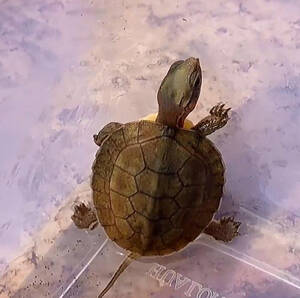
Cuora picturata,Southern Vietnam Box Turtle,Annam's box turtle
The foreign name of the patterned box turtle is Southern Vietnam Box Turtle, and there is no subspecies.The patterned box turtle w···
 LC
LC
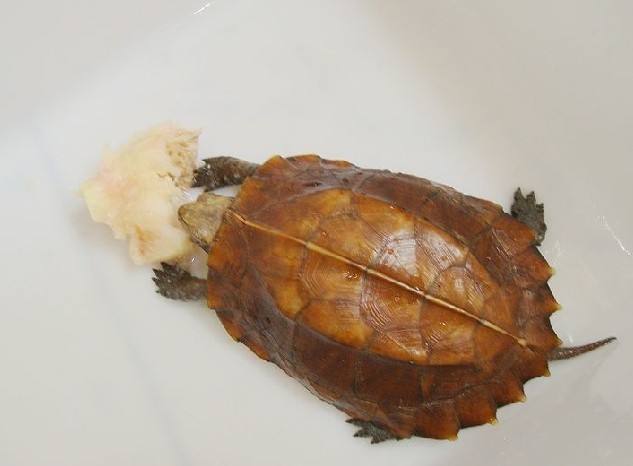
Cuora pani,Pan's box turtle,Pan's box turtle
Pan's box turtle is called Pan's box turtle in foreign language, and has no subspecies.Pan's box turtle is the norther···
 LC
LC
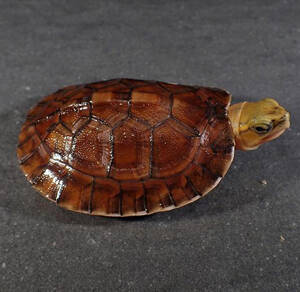
Cuora mouhotii,Keeled Box Turtle,Saw-edged box turtle, octagonal turtle, octagonal turtle, square turtle, saw-edged box turtle
Keeled Box Turtle has two subspecies.Keeled Box Turtle feeds on animals, but also plants, especially live food, such as locusts, m···
 LC
LC
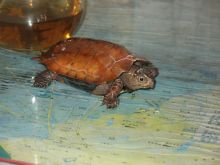
Cuora mccordi,Bose box terrapin,Mccord's Box Turtle,MacArthur's box turtle
Bose box turtle is called Bose box terrapin in English, and has no subspecies.The Baise Box Turtle was named by C.H Emst in August···
 LC
LC
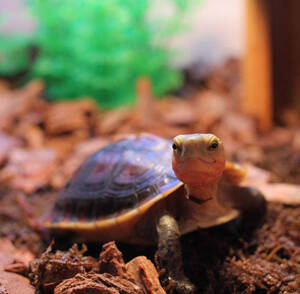
Cuora galbinifrons,Indochinese Box Turtle,Hainan box turtle, yellow-fronted box turtle
The foreign name of the yellow-fronted box turtle is Indochinese Box Turtle, and there is no subspecies.The yellow-fronted box tur···
 LC
LC
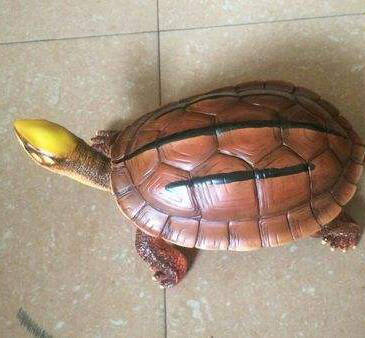
Cuora flavomarginata,Yellow-margined Box Turtle, splint turtle, snake-killing turtle, broken plate turtle, yellow-margined box turtle
Yellow-margined Box Turtle has two subspecies.Yellow-margined Box Turtle is bolder than other freshwater turtles and is not afraid···
 LC
LC
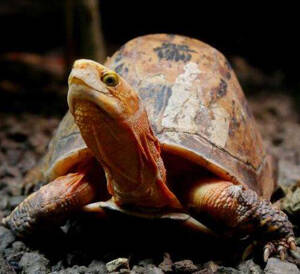
Cuora trifasciata,Chinese Three-striped Box Turtle,Golden coin turtle, golden head turtle, red edge turtle, red belly turtle, broken board turtle, Sichuan back turtle
The three-striped box turtle is called Chinese Three-striped Box Turtle in English, and there are 2 subspecies.The two subspecies ···
 LC
LC
Cuora bourreti,Bourett's Box Turtle,Brandt's box turtle,Bourett's Box Turtle,Cuora galbinifrons bourreti Obst & Reimann
Bourett's Box Turtle is a medium-sized land turtle.The Bourreti box turtle was previously published as Cuora galbinifrons bour···
 LC
LC
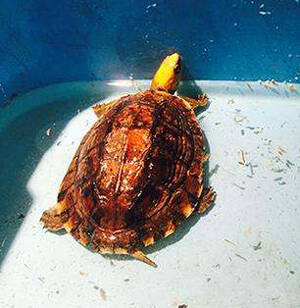
Golden-headed Box Turtle,Golden turtle, splint turtle, yellow turtle
Golden-headed Box Turtle, with two subspecies.In the late 1980s, Luo Bitao and Zong Yu, based on the No. 3 model specimen obtained···
 LC
LC
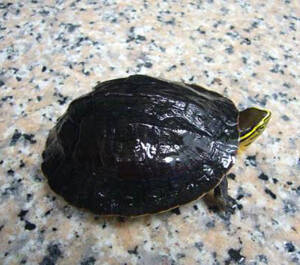
Southeast Asian Box Turtle,Southeast Asian Box Turtle,Humpback turtle, Vietnamese turtle, Ambu box turtle
The Southeast Asian Box Turtle has four subspecies.In his book The Reptiles of China, Pope (1935) mentioned two specimens of the M···
 LC
LC
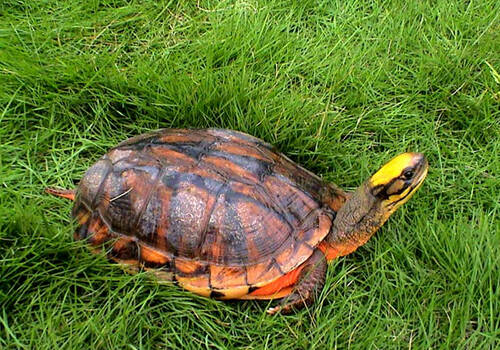
Scatophagus argusThree-lined box turtle, red-sided turtle, red-bellied turtle, broken plate turtle, golden-headed turtle
The scientific name of the golden coin turtle is the three-lined box turtle (Cuora trifasciata), which belongs to the order Testud···
 LC
LC
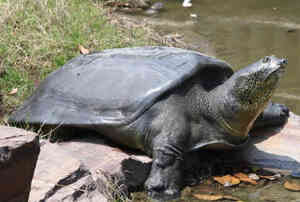
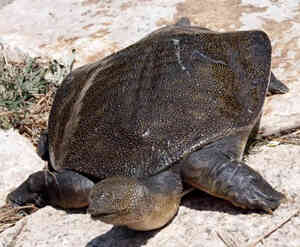
Rafetus swinhoei,Yangtze Giant Softshell Turtle;Swinhoe's softshell,Rùa Hồ Gươm,Taihu turtle, giant softshell turtle, spotted softshell turtle, and Stuart softshell turtle
In ancient times, the Yangtze giant softshell turtle was widely distributed in the lower reaches of the Yangtze River and the Taih···
 LC
LC
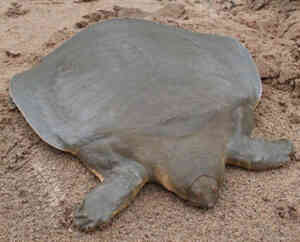
Palea steindachneri,wattle-necked softshell turtle,Trionyx steindachneri Siebenrock,Mountain Rui, Rui fish, soft-shelled turtle, round fish, turtle, tortoise
The mountain softshell turtle is a cold-blooded animal. When the temperature drops to 12℃, it will hibernate under the sand or st···
 LC
LC
Pelochelys cantorii,Frog-faced Softshell Turtle、Asian Giant Soft-shelled Turtle、Cantor's Giant Softshell,Blue grouper, silver fish, green grouper, giant turtle, spotted turtle, Cantor's gian
Before and after the release of the "List of National Key Protected Wildlife in China" in 1989, according to the "F···