Crabs are a diverse group of arthropods found in marine, freshwater, and terrestrial environments. They are known for their quick coordinated movements and robust claws. Crabs play vital roles in ecosystems as omnivorous scavengers and predators.
Classification of Crabs
Crabs belong to the phylum Arthropoda, subphylum Crustacea, class Malacostraca, and order Decapoda, which also includes lobsters and shrimp. "Crab" is a common term covering many species with the first pair of legs modified into pincers, a diamond-shaped body with a short abdomen, and eight walking legs.
Crabs are divided mainly into three infraorders:
Astacoidea and Parastacoidea: Freshwater crayfish, resembling lobsters with elongated bodies.
Brachyura: True crabs with short, broad bodies adapted for quick sideways movement in marine environments.
Anomura: Includes hermit crabs, which use shells of other animals for protection, living in both freshwater and saltwater.
Representative Crab Species
1. Mexican Dwarf Crayfish (Cambarellus spp.)
Small freshwater crayfish (~4 cm), historically used as food in Mexico and popular in aquariums. Important ecosystem filter feeders.
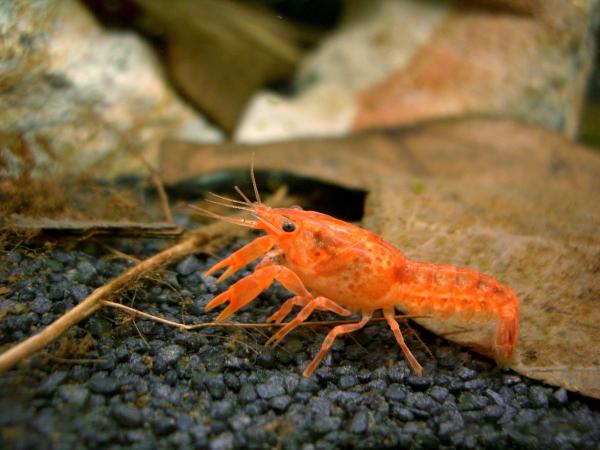
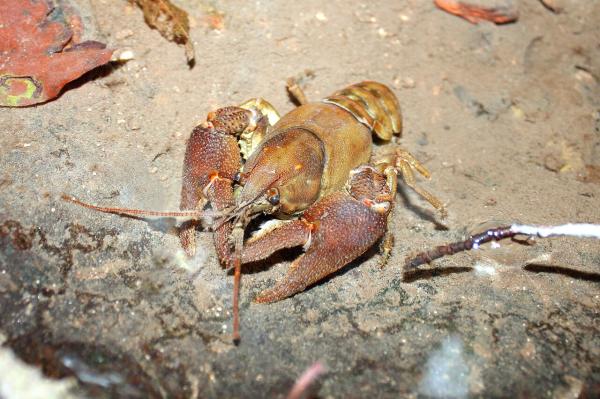
2. European Freshwater Crayfish (Austropotamobius pallipes)
Small species (8-12 cm), native to Iberian Peninsula, British Isles, and Balkans. Populations declining due to invasive species.
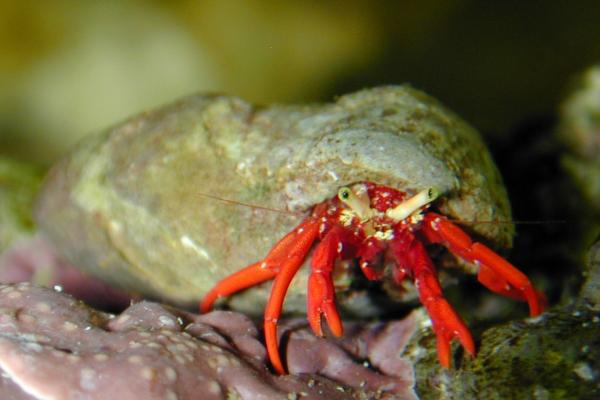
3. Red Reef Hermit Crab (Paguristes cadenati)
Bright red body, soft abdomen protected by borrowed shells, found in the eastern Atlantic and Indo-Pacific.
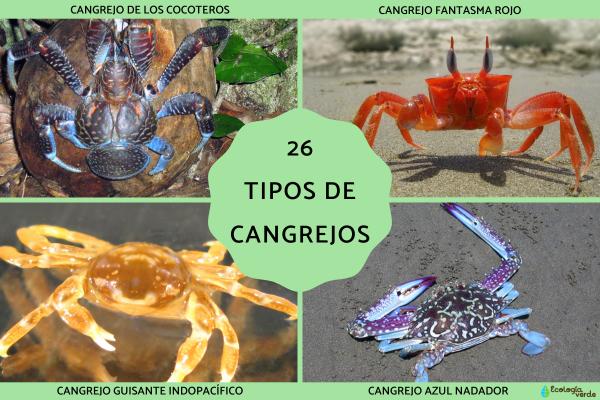
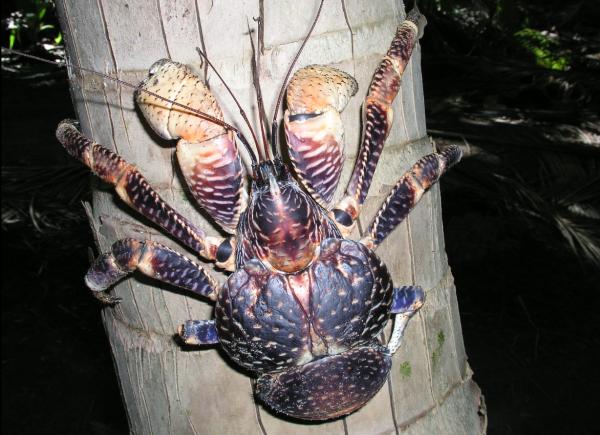
4. Coconut Crab (Birgus latro)
Largest terrestrial arthropod, 30-40 cm in length, inhabits Indo-Pacific islands. Uses large claws to open coconuts.
5. Indo-Pacific Pea Crab (Pinnotheres sp.)
Tiny (8-12 mm), dependent on other marine invertebrates for part of its life cycle, associated with coral reefs in the Philippines.

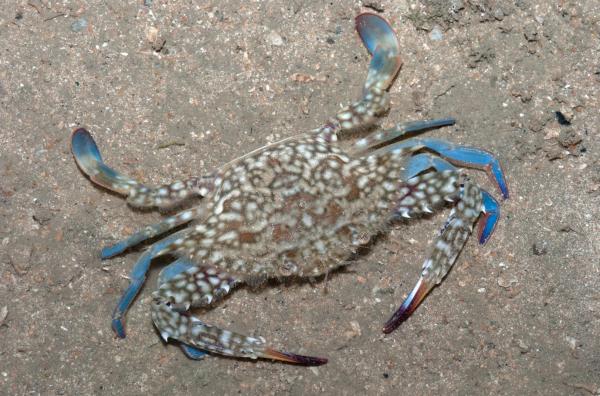
6. Blue Swimming Crab (Portunus pelagicus)
Blue-patterned legs and claws, 5-7 cm long, lives in muddy or sandy marine habitats, preys on other invertebrates.
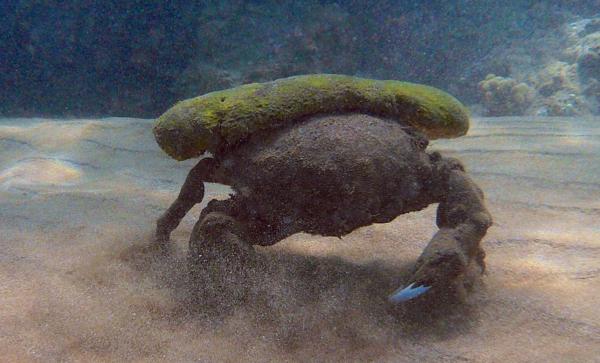
7. Sponge Crab (Dromia personata)
Camouflages by attaching sponges to its body, reduced hind legs, 4-5 cm long, inhabits Mediterranean, North Sea, and northeast Atlantic.
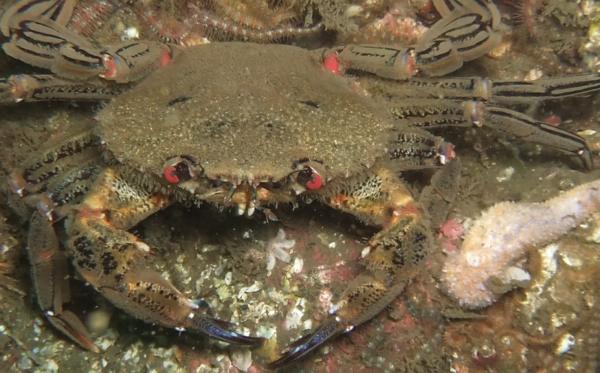
8. Swimming Crab or Velvet Crab (Necora puber)
Modified hind legs act as paddles, aggressive species, brown shell with prominent red eyes, lives in rocky Atlantic zones feeding on carrion and algae.
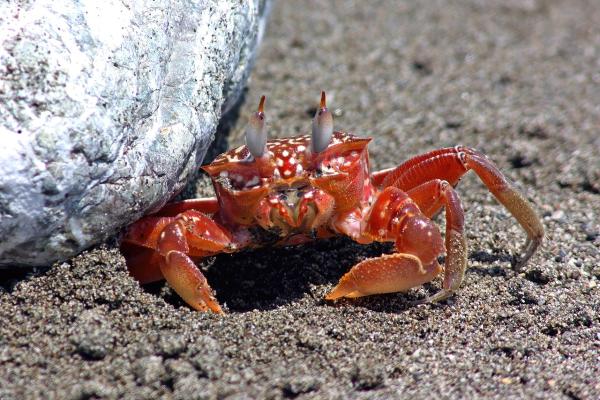
9. Red Ghost Crab (Ocypode gaudichaudii)
Bright red with white granules, eyes elevated on stalks, inhabits tropical Pacific intertidal zones, known for fast running.
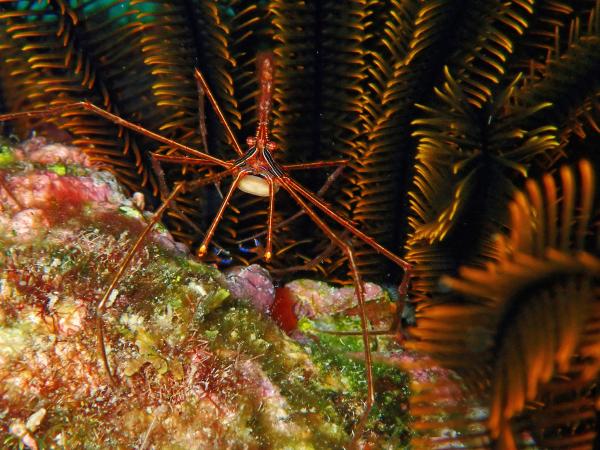
10. Pacific Spider Crab (Stenorhynchus debilis)
Small (1-3 cm), coral reef dweller feeding on carrion, helps maintain reef cleanliness. Noted for long thin legs and triangular head.
Other Notable Crabs
White-spotted Hermit Crab (Dardanus megistos), Sponge-bearing Hermit Crab (Dradanus pedunculatus), Christmas Island Red Crab (Gearcoidea natalis), Orange Fiddler Crab (Uca vocans), Anemone Porcelain Crab (Petrolisthes oshimai), Chinese Mitten Crab (Eriocheir sinensis), Japanese Giant Spider Crab (Macrocheira kaempferi), Brown Crab (Cancer pagurus), Reef Box Crab (Calappa hepatica), Pebble Crab (Leucosia anatum), Spotted Reef Crab (Carpilius maculatus), Masked Crab (Corystes spp.), Rock Red Crab (Grapsus grapsus), Horned Ghost Crab (Ocypode ceratophthalmus), Halloween Crab (Gecarcinus quadratus), Marbled Shore Crab (Pachygrapsus marmoratus), and more.
Conclusion
This guide covered 26 crab species from freshwater, marine, and terrestrial environments, showcasing their diversity and ecological importance. Understanding these crustaceans aids in protecting aquatic ecosystems worldwide.