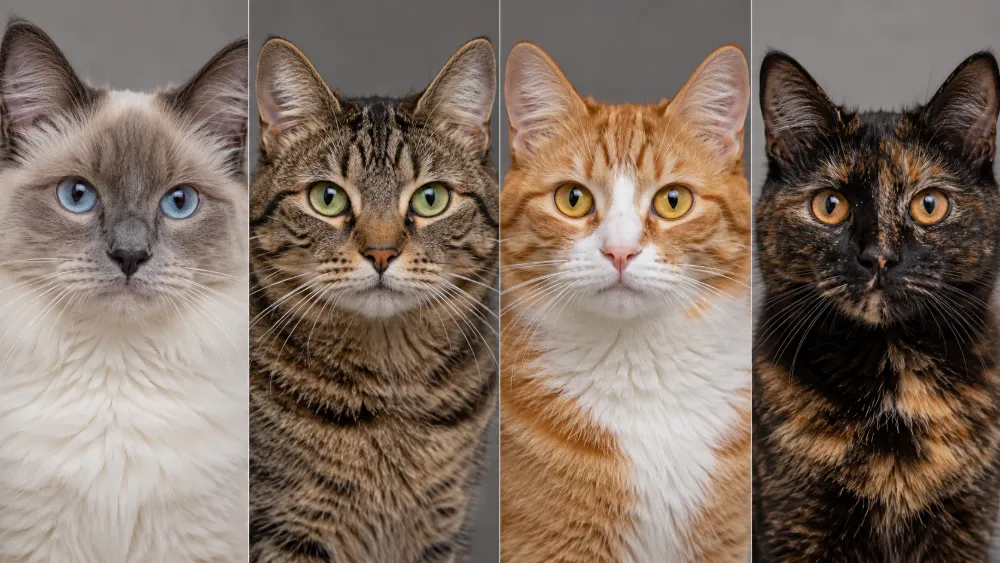
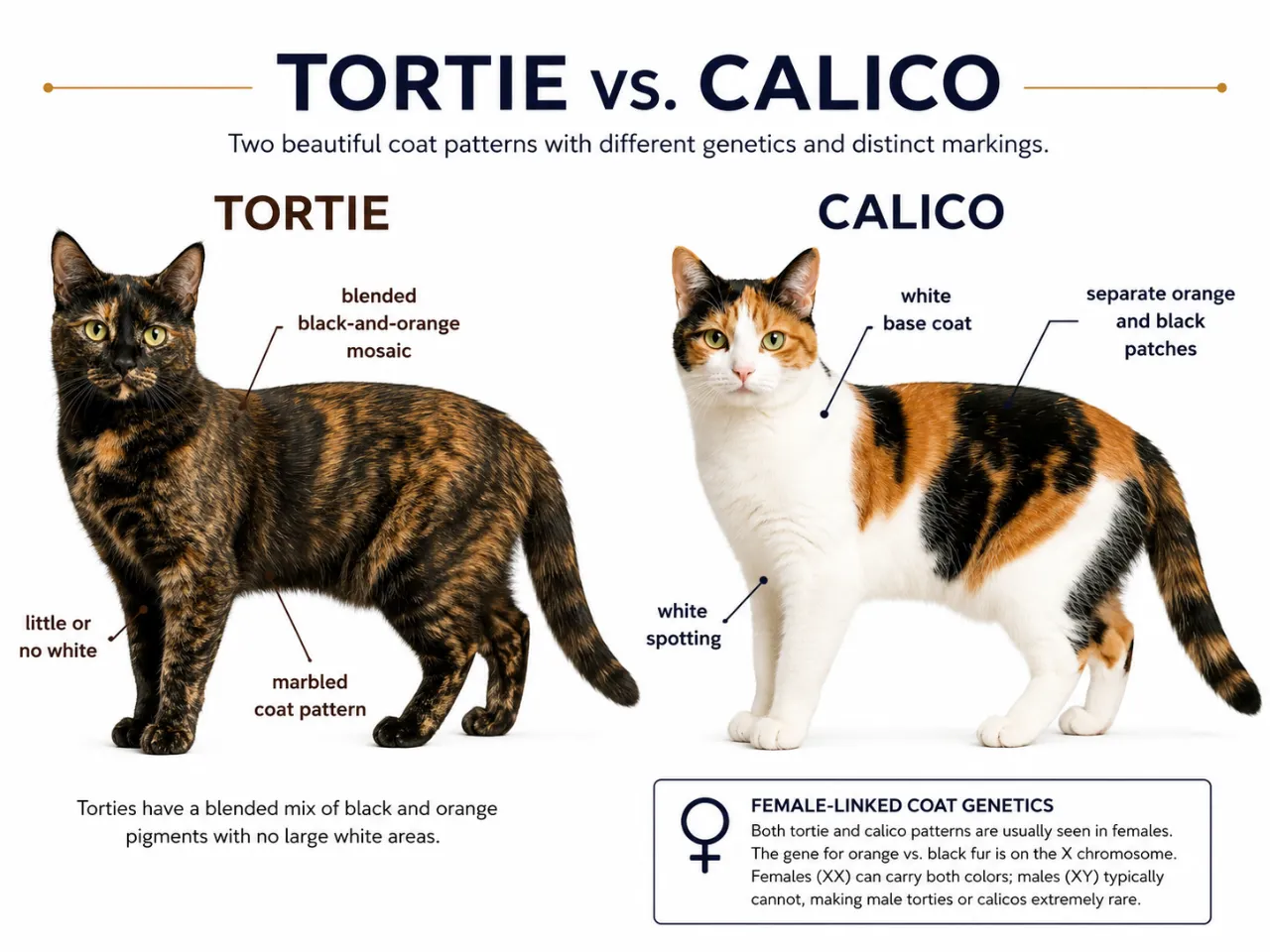
Tortie and calico cats are not separate breeds. They are coat color patterns. A tortie, short for tortoiseshell, usually has black and orange fur blended together with little or no white. A calico cat has white fur plus orange and black patches, usually with clearer color separation. The easiest rule is simple: torties look mottled and dark; calicos look patchy and have obvious white.
Tortie vs Calico Quick Answer
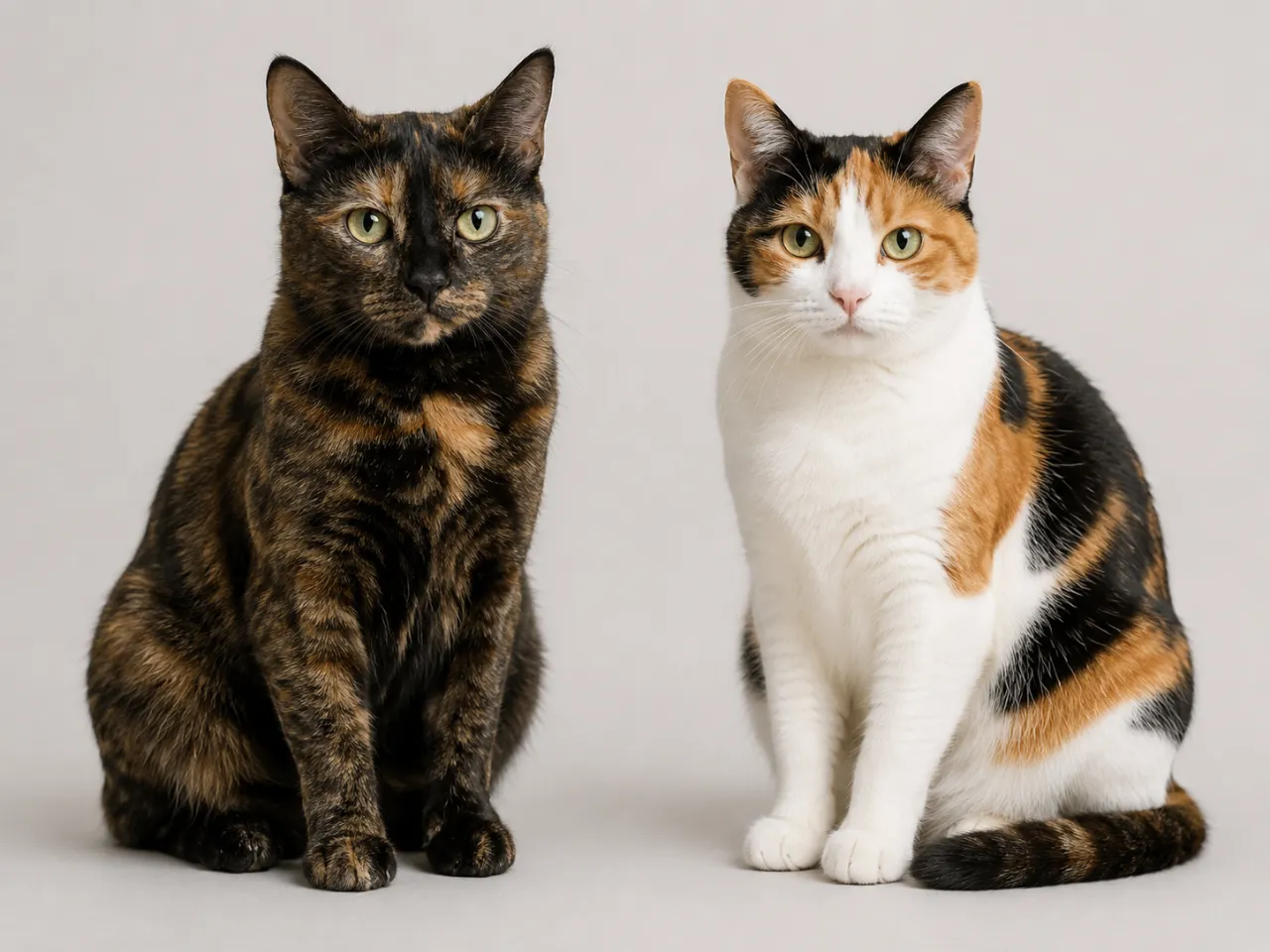
The main difference between a tortie and a calico is the amount of white fur. Tortie cats usually have orange and black colors mixed together in a marbled, brindled, or mosaic pattern. Calico cats have orange, black, and white, with the white often forming a clear base coat. Both patterns are usually female because the orange-and-black color pattern is linked to genes on the X chromosome.
Tortie vs Calico Summary Table
| Feature | Tortie Cat | Calico Cat |
|---|---|---|
| Full name | Tortoiseshell cat | Calico cat |
| Breed or pattern? | Coat pattern, not a breed | Coat pattern, not a breed |
| Main colors | Black and orange, or gray and cream in dilute torties | White, black, and orange, or white, gray, and cream in dilute calicos |
| White fur | Little to none | Usually obvious and often extensive |
| Pattern style | Mottled, marbled, brindled, blended | Large, distinct patches |
| Overall appearance | Darker, mixed, mosaic-like | Brighter, patchier, more separated |
| Common nickname | Tortie | Calico |
| Sex | Usually female | Usually female |
| Male cats | Rare | Rare |
| Common confusion | Tortie with white may be called tortico | Calico with tabby markings may be called caliby |
| Quick clue | Black and orange are mixed together | White base with orange and black patches |
What Is a Tortie Cat?
A tortie cat is a tortoiseshell cat. The name comes from the old tortoiseshell pattern once seen in decorative objects, which had a mottled mix of dark brown, black, amber, and orange. In cats, tortie usually means a coat with black and orange colors blended together.
Most torties have little or no white. Their colors may be finely mixed across the body, giving them a smoky, marbled, or brindled appearance. Some torties have bold orange patches, while others are mostly dark with only small orange flecks. A few have a striking split-face pattern, where one side of the face is darker and the other side is orange.
Tortie is not a breed. A tortie cat can be a domestic shorthair, domestic longhair, Persian, Maine Coon, British Shorthair, Cornish Rex, Japanese Bobtail, or another breed that allows the tortoiseshell pattern.
What Is a Calico Cat?
A calico cat has three main colors: white, black, and orange. The white areas are usually easy to see, and the orange and black often appear as larger patches rather than a fine blend. In many calico cats, the white fur covers the chest, belly, legs, face, and large parts of the body.
Calico is also not a breed. It is a coat pattern that can appear in many breeds and mixed-breed cats. A calico can be short-haired, long-haired, large, small, calm, playful, shy, bold, affectionate, or independent depending on genetics, upbringing, and individual temperament.
The classic calico look is a mostly white cat with clear orange and black patches.
Quick Visual Difference
The fastest way to tell a tortie from a calico is to look for white fur and color separation.
Tortie: orange and black are mixed together, usually with little or no white.
Calico: white is clearly present, with orange and black patches.
Tortie: often looks darker and more blended.
Calico: often looks brighter and more patchy.
Tortie: colors may look like a mosaic or marbled coat.
Calico: colors often look like separate islands on a white background.
The White Fur Rule
White fur is the most important clue. A classic tortie has almost no white. She may have a tiny white spot on the chest, belly, or paws, but white does not dominate the coat.
A classic calico has obvious white. The white may cover large areas of the body, pushing the orange and black into separate patches. This is why calicos often look cleaner and more sharply patterned than torties.
A simple rule is:
Little or no white: probably tortie.
A lot of white: probably calico.
Some white with mixed tortie patches: possibly tortico.
Color Pattern: Blended vs Patched
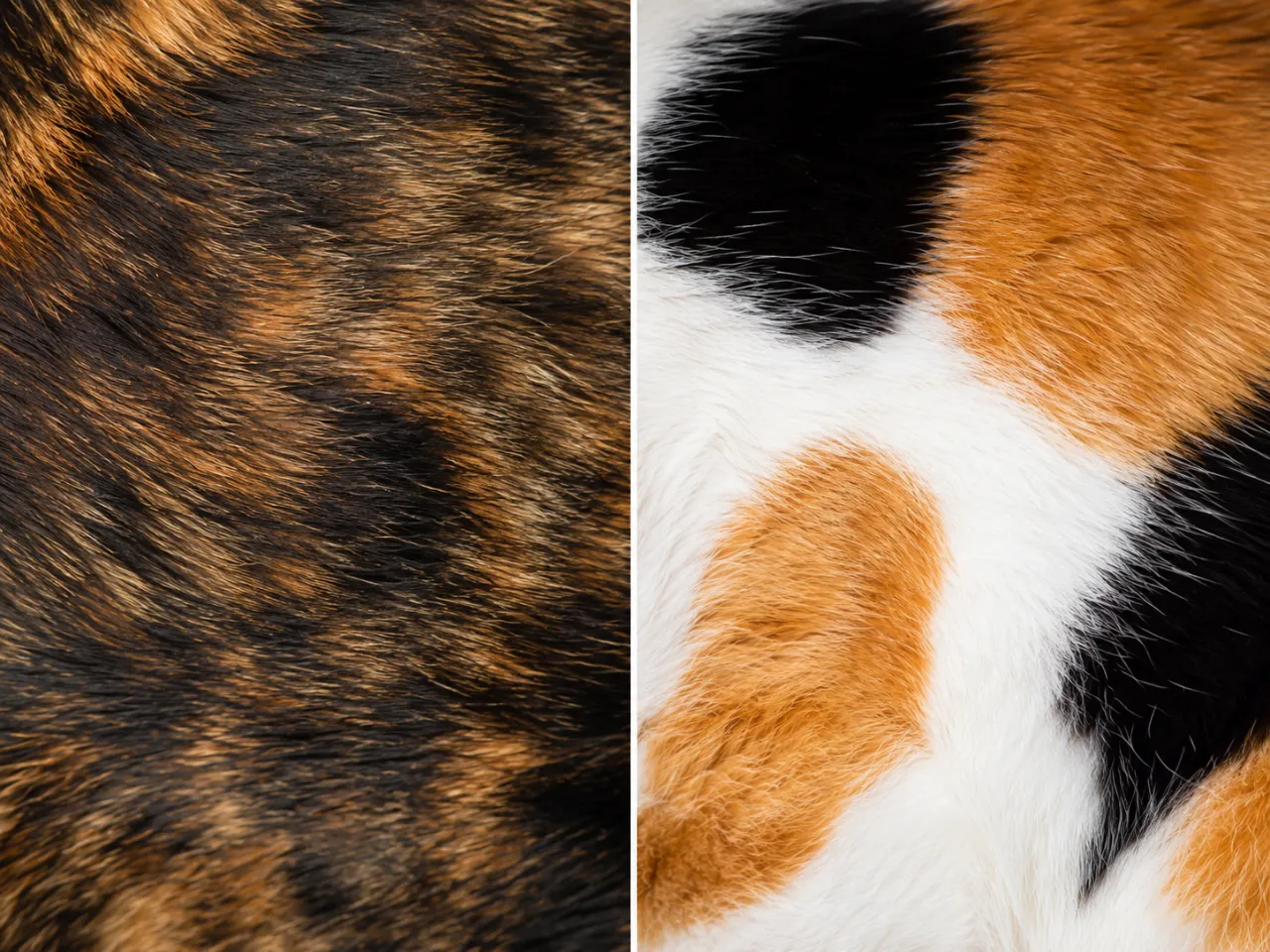
Tortie cats usually have a blended pattern. Their black and orange hairs may be scattered together, creating a fine mottled effect. This can make the coat look like dark marble, autumn leaves, or a mosaic of orange and black.
Calico cats usually have a patched pattern. The orange, black, and white areas are more clearly separated. Some calicos have large blocks of color on the back, head, and tail, while others have smaller patches scattered over a white coat.
This difference makes torties look more mixed and calicos look more graphic.
Tortie and Calico Genetics
The genetics behind tortie and calico coats is connected to the orange color gene on the X chromosome. Female cats usually have two X chromosomes. If one X chromosome carries orange and the other carries non-orange, different cells may express different colors during development.
This process is called X-inactivation. In some skin cells, the orange gene is active, producing orange fur. In other skin cells, the non-orange gene is active, producing black-based fur. This creates the orange-and-black pattern seen in torties and calicos.
Calico cats also have white spotting. The white spotting pattern affects where pigment appears, often creating larger, clearer patches of color.
Why Are Most Tortie and Calico Cats Female?
Most tortie and calico cats are female because the pattern usually requires two X chromosomes with different color information. Since female cats typically have two X chromosomes, they can show both orange and black-based fur.
Male cats usually have one X chromosome and one Y chromosome. That means they are usually either orange or non-orange, not both. Rare male tortie or calico cats can happen because of unusual genetics, such as an XXY chromosome pattern or other rare genetic events.
Male tortie and male calico cats are uncommon, and many are sterile when their pattern is caused by an XXY chromosome condition.
Dilute Tortie vs Dilute Calico
Dilute torties and dilute calicos have softer versions of the classic colors. Instead of black, they may have gray or blue-gray. Instead of orange, they may have cream.
Dilute tortie: gray and cream mixed together, usually with little or no white.
Dilute calico: white fur with gray and cream patches.
Dilute cats can be harder to identify at first because the contrast is softer. The same rule still works: if gray and cream are blended with little white, it is likely a dilute tortie. If there is white with separate gray and cream patches, it is likely a dilute calico.
What Is a Tortico Cat?
A tortico is a cat that appears between tortie and calico. The word combines “tortie” and “calico.” It is an informal term, but it is useful for cats that have tortie-style mixed orange and black fur plus noticeable white areas.
For example, a cat may have a mottled tortie back but white paws, a white chest, and a white belly. Some people would call this cat tortoiseshell with white. Others would call it tortico. If the white areas are large and the orange and black patches are very distinct, many people would simply call the cat calico.
Real cat coats exist on a spectrum, so not every cat fits perfectly into one label.
What Is a Torbie?
A torbie is a tortie tabby. The name combines “tortie” and “tabby.” A torbie cat has tortoiseshell coloring plus visible tabby stripes, spots, or swirls. The orange areas and dark areas may both show tabby markings.
Torbie cats are often mistaken for torties because they have orange and dark fur. The difference is that torbies show clear tabby patterning. If a torbie also has white, some people may describe it as a patched tabby, calico tabby, or caliby depending on the amount of white and the pattern.
Calico vs Caliby
A caliby is a calico tabby. The word combines “calico” and “tabby.” A caliby cat has white, orange, and dark patches, but the colored patches show tabby stripes or markings.
This can confuse people because caliby cats may look like calicos at first glance. The key clue is striping. If the orange or dark patches have visible tabby lines, swirls, or spots, the cat may be a caliby rather than a plain calico.
Are Tortie and Calico Cats Different Breeds?
No. Tortie and calico describe coat patterns, not breeds. A cat’s breed is based on ancestry, body type, pedigree, and breed standard. A cat’s coat pattern describes the color and arrangement of fur.
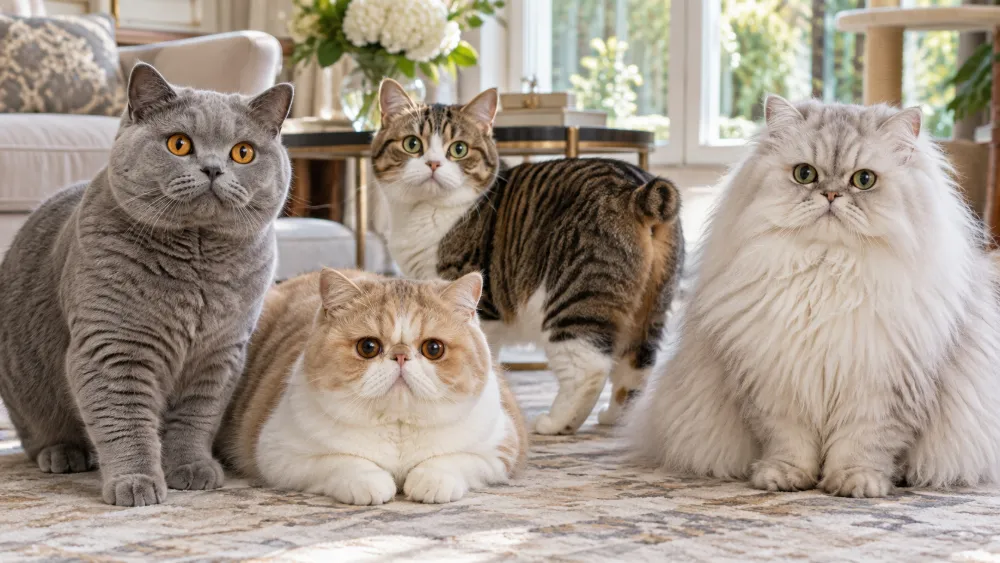
This means a tortie or calico can appear in many different cat breeds. Many mixed-breed domestic cats also show these patterns. When someone says “I have a tortie” or “I have a calico,” they are usually describing what the cat looks like, not the cat’s breed.
Personality: Is Tortitude Real?
Many cat owners say tortie cats have “tortitude,” meaning a bold, sassy, confident, or opinionated personality. Calico cats are also sometimes described as independent, spirited, or dramatic. These ideas are popular, but they should be treated carefully.
Coat pattern alone does not scientifically determine personality. A cat’s behavior is shaped by genetics, breed background, early socialization, health, environment, handling, and individual temperament.
Some torties are bold and demanding. Others are gentle and quiet. Some calicos are independent. Others are affectionate lap cats. The coat may be memorable, but the individual cat matters more.
Which Cat Is More Affectionate?
Neither torties nor calicos are guaranteed to be more affectionate. A tortie can be cuddly, shy, playful, vocal, reserved, or extremely social. A calico can be calm, energetic, clingy, independent, or curious.
If you are adopting a cat, spend time observing the individual. Look at how the cat reacts to people, touch, toys, food, noise, other pets, and new spaces. Personality is more important than color pattern.
A coat pattern may make a cat beautiful, but it does not replace temperament, health, and compatibility.
Health Differences
Tortie and calico coat patterns do not usually create major health differences by themselves. A female tortie is not automatically healthier or less healthy than a female calico. Health depends more on genetics, breed background, diet, veterinary care, weight, dental health, indoor or outdoor lifestyle, and age.
The main exception involves rare male torties or calicos. If a male cat has an XXY chromosome pattern, he may be sterile and may have related health considerations. A veterinarian can help evaluate a rare male tortie or calico if needed.
How to Identify One in a Photo
When looking at a photo, use several clues together:
Look for white: lots of white usually means calico.
Look at color edges: blended black and orange usually means tortie.
Look at patch size: large orange and black patches on white usually mean calico.
Look for dilution: gray and cream instead of black and orange means dilute pattern.
Look for tabby stripes: stripes may mean torbie or caliby.
Look at the whole body: one close-up may not show enough white to identify the pattern correctly.
Common Misidentifications
One common mistake is calling every orange, black, and white cat a calico. If the cat has only a little white and the black and orange are mostly blended, it may be a tortie with white or a tortico.
Another common mistake is calling every mixed orange-and-black cat a tortie. If the cat also has strong tabby markings, it may be a torbie. If it has white plus tabby patches, it may be a caliby.
A third mistake is assuming tortie or calico is the cat’s breed. These are color patterns. A calico Maine Coon and a calico domestic shorthair may share a coat pattern but not the same breed background.
Can a Cat Be Both Tortie and Calico?
Yes, in a practical sense. Some cats have tortie-style mixed orange and black fur plus calico-style white spotting. These cats may be called tortie with white, tortico, or calico depending on how much white they have and how separate the color patches are.
If the coat is mostly blended with little white, tortie is usually the better label. If the coat has large white areas with distinct orange and black patches, calico is usually the better label. If it sits between the two, tortico is a helpful informal term.
Which Pattern Is More Common?
Both tortie and calico patterns are common in domestic cats, especially females. The exact frequency depends on the local cat population, breed background, and color genetics. Mixed-breed domestic shorthairs and longhairs often show both patterns.
Some breeds allow tortie and calico patterns in their standards, while others do not. In everyday shelters and homes, both patterns are familiar and widely loved.
Do Tortie and Calico Cats Need Special Care?
No special care is required just because a cat is tortie or calico. Their care needs are the same as other cats: balanced food, clean water, litter box access, veterinary care, parasite prevention, dental care, scratching surfaces, play, enrichment, and a safe environment.
Coat length matters more than coat pattern for grooming. A long-haired tortie or calico needs more brushing than a short-haired one. Older cats, overweight cats, or cats with arthritis may also need help with grooming regardless of color.
Which Cat Should You Choose?
Choose based on personality, health, age, and lifestyle fit rather than coat pattern alone. Torties and calicos are both beautiful, but the best cat for you is the individual cat whose temperament matches your home.
If adopting, ask about the cat’s behavior, medical history, litter box habits, comfort with people, experience with other pets, and activity level. A confident tortie may be perfect for one home, while a gentle calico may be better for another.
Final Comparison
Tortie and calico cats are often confused because both can have orange and black fur. The key difference is white. A tortie usually has black and orange blended together with little or no white. A calico has white fur plus orange and black patches that are usually more clearly separated.
If the cat looks like a dark orange-and-black mosaic, think tortie. If the cat has a white base with orange and black patches, think calico. If the cat looks like a mix of both, tortico may be the best informal description.
Related Cat Comparisons
Tortoiseshell vs Calico Cat
Torbie vs Tortie Cat
Calico vs Tabby Cat
Dilute Calico vs Calico Cat
Domestic Shorthair vs American Shorthair
Maine Coon vs Norwegian Forest Cat
FAQs About Tortie vs Calico Cats
Is tortie the same as calico?
No. A tortie usually has black and orange fur blended together with little or no white. A calico has white fur with orange and black patches.
What does tortie mean?
Tortie is short for tortoiseshell. It describes a cat with a mixed black-and-orange coat pattern, often with a mottled or marbled appearance.
What is the easiest way to tell a tortie from a calico?
Look for white fur. If the cat has a lot of white with orange and black patches, it is probably calico. If the black and orange are blended with little white, it is probably tortie.
Are tortie and calico cats breeds?
No. Tortie and calico are coat patterns, not breeds. These patterns can appear in many cat breeds and in mixed-breed domestic cats.
Why are most tortie and calico cats female?
The orange-and-black coat pattern is usually linked to genes on the X chromosome. Female cats typically have two X chromosomes, which allows both orange and non-orange fur to appear in different parts of the coat.
Can male cats be tortie or calico?
Yes, but it is rare. Male tortie or calico cats often have unusual chromosome patterns, such as XXY, and many are sterile.
What is a dilute tortie?
A dilute tortie has gray and cream fur mixed together instead of black and orange. It usually has little or no white.
What is a dilute calico?
A dilute calico has white fur with gray and cream patches instead of white, black, and orange patches.
What is a tortico cat?
A tortico is an informal term for a cat that looks partly tortie and partly calico. It usually has mixed tortie coloring plus noticeable white areas.
Do tortie cats really have tortitude?
Many owners describe torties as bold or sassy, but coat pattern alone does not determine personality. A cat’s temperament depends on genetics, socialization, health, environment, and individual experience.