They nap in sunlit windows, dominate memes, and somehow turn our houses into their personal kingdoms—but where did cats actually come from?
The short version: the domestic cat’s story begins in the Middle East and North Africa, grows alongside the first farming villages, becomes culturally iconic in Ancient Egypt, and eventually ends up purring on a modern sofa. The longer version is even more interesting—because cats weren’t “made” domestic in quite the same way as most pets.

Contents
Genetic Origins of Domestic Cats
The domestic cat, Felis catus, is the only truly domesticated member of the Felidae family. Most evidence suggests cats became domesticated roughly 9,000–10,000 years ago, originating from a wildcat population living in and around the Near East.
Genetic research—including mitochondrial DNA studies—connects modern house cats to the African wildcat, Felis silvestris lybica, which is part of the broader Felis silvestris lineage. These wildcats lived across North Africa and the Middle East, overlapping with early human settlements in the region known as the Fertile Crescent.
Early evidence of humans and cats living together
Archaeological finds (including evidence from places such as Cyprus) suggest that humans and cats were sharing space thousands of years ago—long before cats were “pets” in the modern sense. That early coexistence set the stage for domestication.
A Practical Partnership: Rodents, Grain, and Coexistence
Cats likely didn’t become domestic through the same kind of intense selective breeding used for dogs. Instead, their domestication seems to have been more of a slow, mutual arrangement.
Why early villages attracted cats
When humans began farming, they started storing grain. Grain storage quickly attracts rats and mice. Wildcats—naturally skilled hunters—would have found these early settlements to be reliable hunting grounds.
How “tolerant cats” gained an advantage
Over time, the cats that were less fearful and less aggressive could stay closer to people and food sources. Those individuals likely:
got access to more consistent prey (rodents around storage areas)
were tolerated by humans instead of chased away
reproduced more successfully near settlements
Across many generations, this created a cat population that was increasingly comfortable living around humans. In a sense, cats began domesticating themselves by choosing the human environment because it worked in their favor.

Ancient Egypt and the Cat’s Cultural Rise
While cats may have started living near humans for practical reasons, their status changed dramatically in Ancient Egypt. Cats became culturally important and were closely tied to religion and daily life, including associations with the goddess Bastet.
What this era reveals
Art, burial traditions, and mummified cats show that people didn’t just tolerate cats—they valued them. This period helped cement the cat’s place as more than a rodent controller.
How cats spread beyond Egypt
As trade expanded and empires grew, cats traveled. By the time of the Roman Empire, domesticated cats had spread widely through Europe and into parts of Asia. In many places, cats shifted from being mainly “useful animals” to being household companions as well.
From Barn Hunter to Indoor Companion
Modern cats still carry the blueprint of their wild ancestors—yet they’ve also adapted well to home life. Many classic traits remain:
retractable claws
solitary hunting instincts
sharp senses and high problem-solving ability
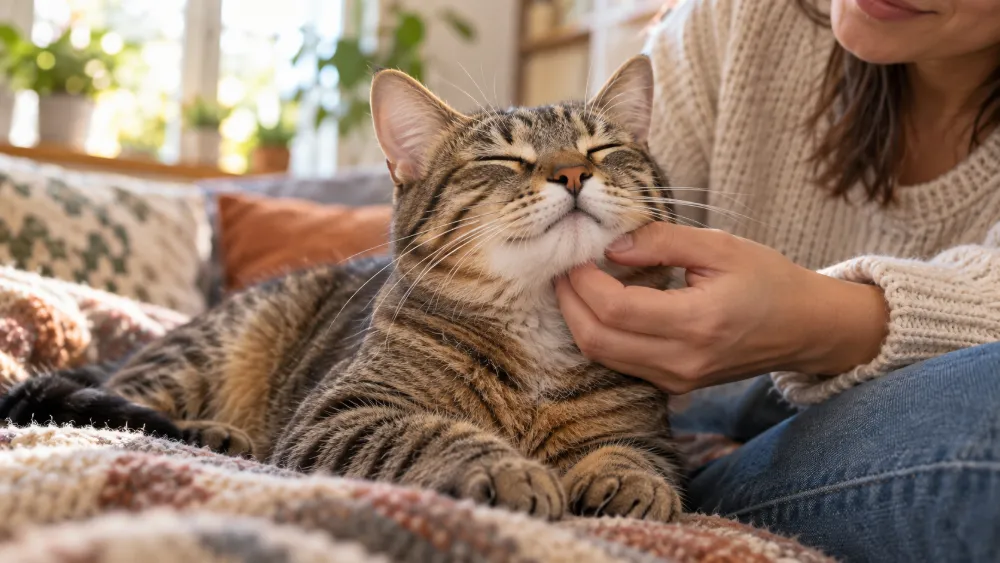
At the same time, domestic cats are generally far more willing to live close to humans than wildcats are, and many cats thrive as indoor companions.
What feral cats reveal
Feral cats—domestic cats living outdoors without direct human care—show how flexible the species is. They can still survive and hunt effectively in the wild, echoing the lifestyle of their ancestors, even though they are genetically part of the domestic cat population.

Recent Evolution and Today’s Cat Life
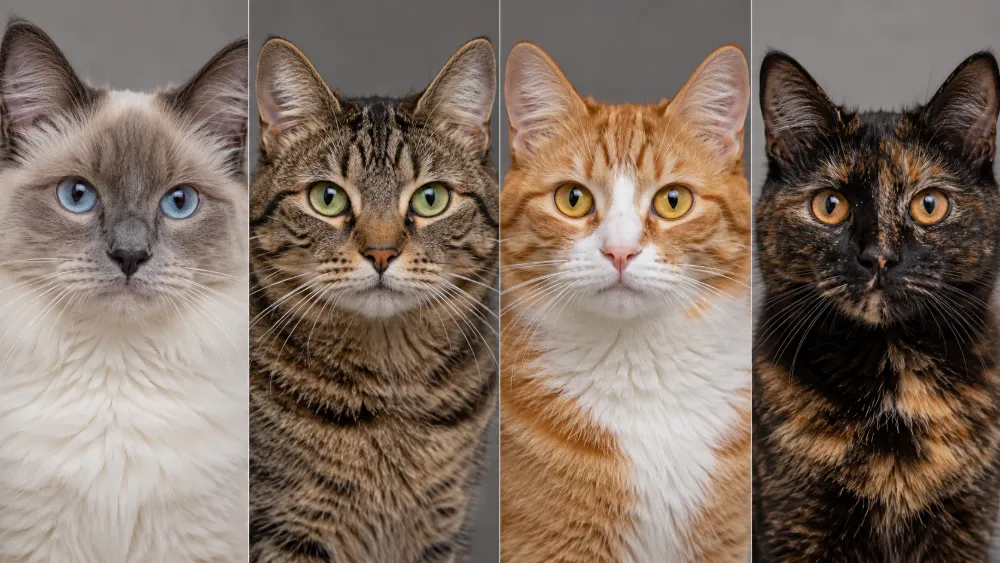
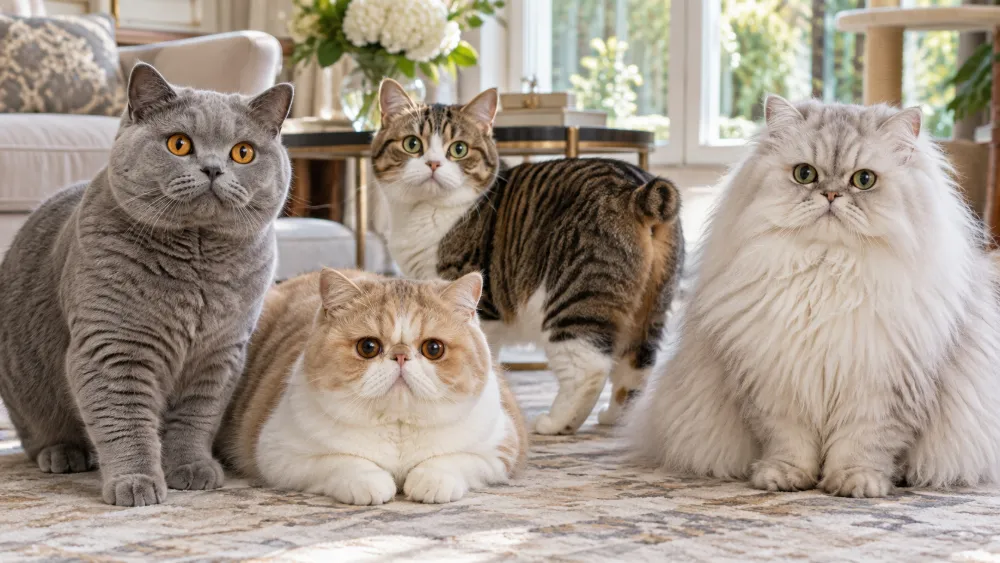
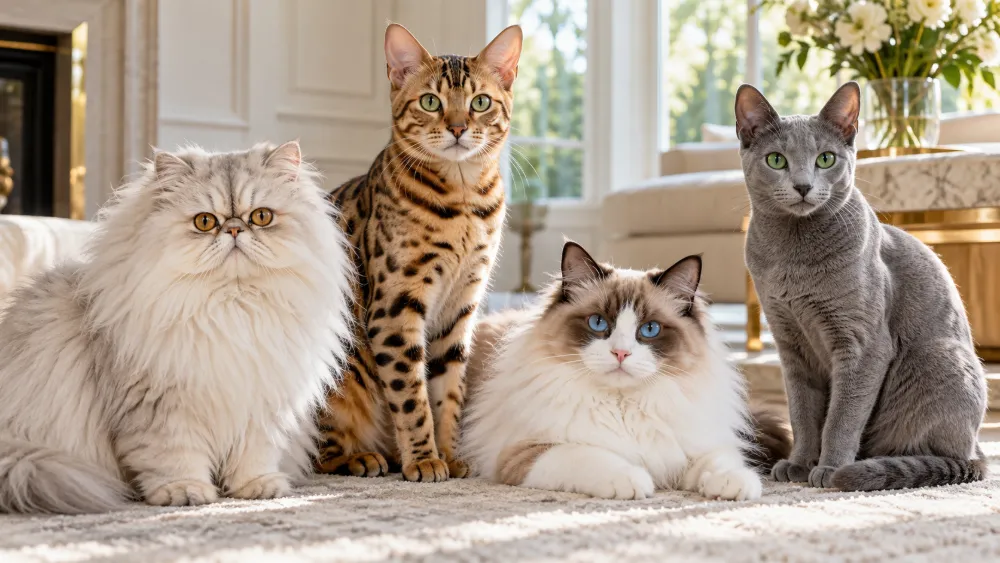
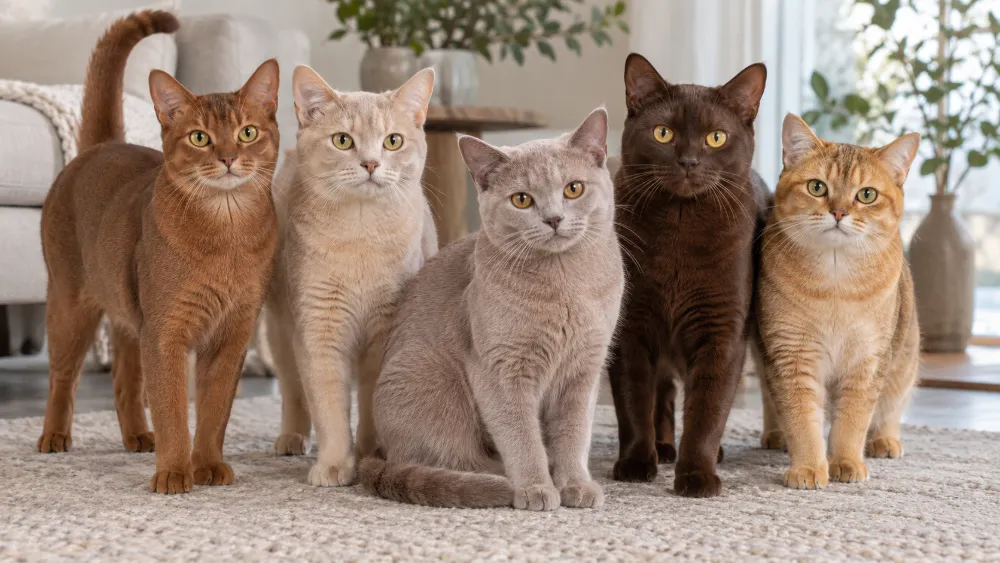
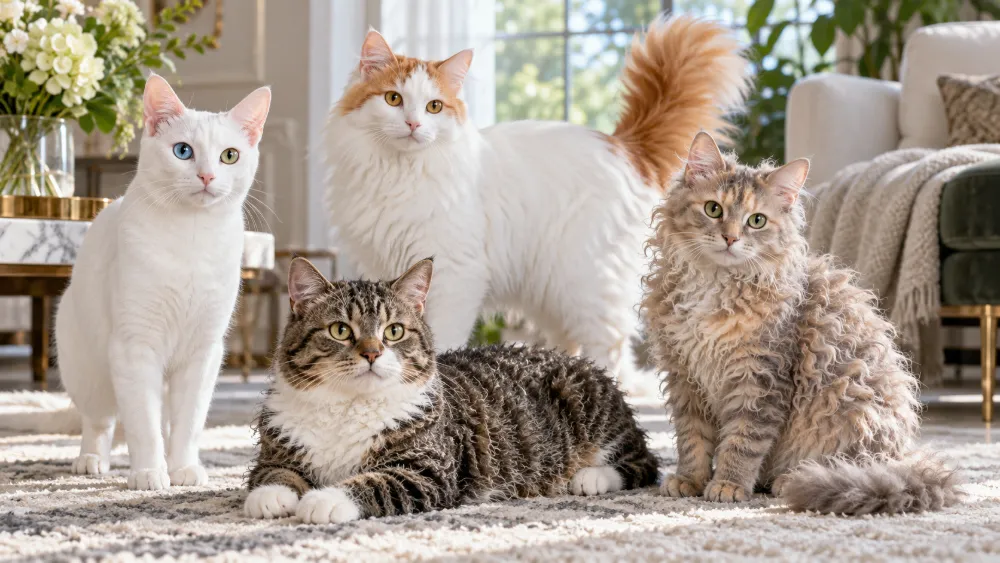
Cat breeds and coat patterns have diversified, especially in more recent history when humans began selectively breeding for appearance and temperament. Still, compared to many domesticated animals, cats remain genetically close to their wild roots.
What has changed—and what hasn’t
Changed: more variety in breeds, colors, and certain social behaviors
Mostly unchanged: core instincts (stalking, pouncing, territorial habits), body structure, and predatory skills
Even with modern cat food, litter boxes, and veterinary care, cats remain remarkably “wild at heart.” That’s part of their appeal: they’re one of the few animals that didn’t just get domesticated by humans—they largely domesticated themselves by moving into our world and deciding it was a good place to live.