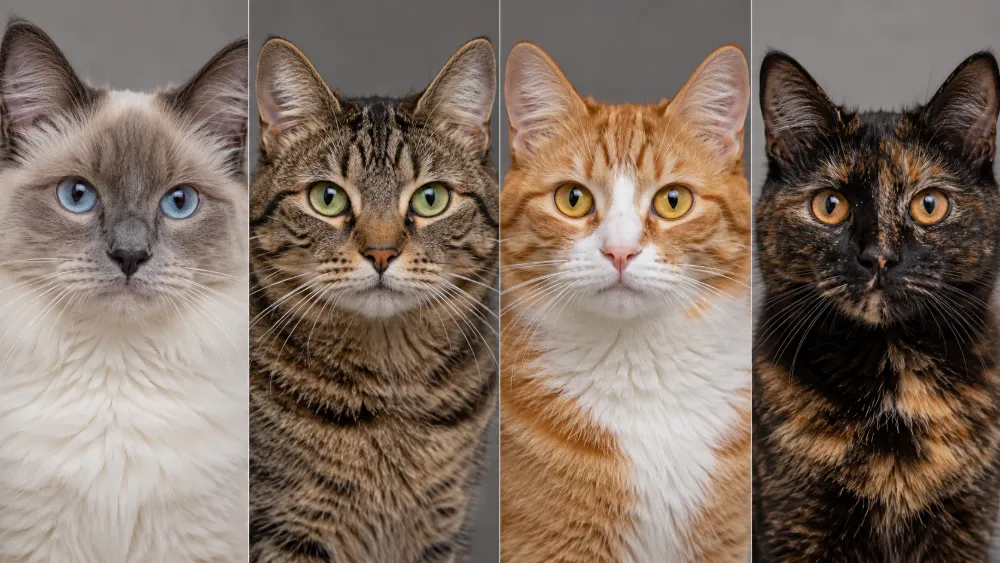
You’ve probably spotted cats slipping through back alleys, perched on fence posts, or warming themselves in barns. But when several cats gather in the same place, what do you call that group?
The answer isn’t just one word. Different kinds of cats—and different situations—have different collective names. Some are commonly used in everyday language, and others are quirky, old-fashioned, or used mainly for fun.

Contents
Clowder vs. Colony
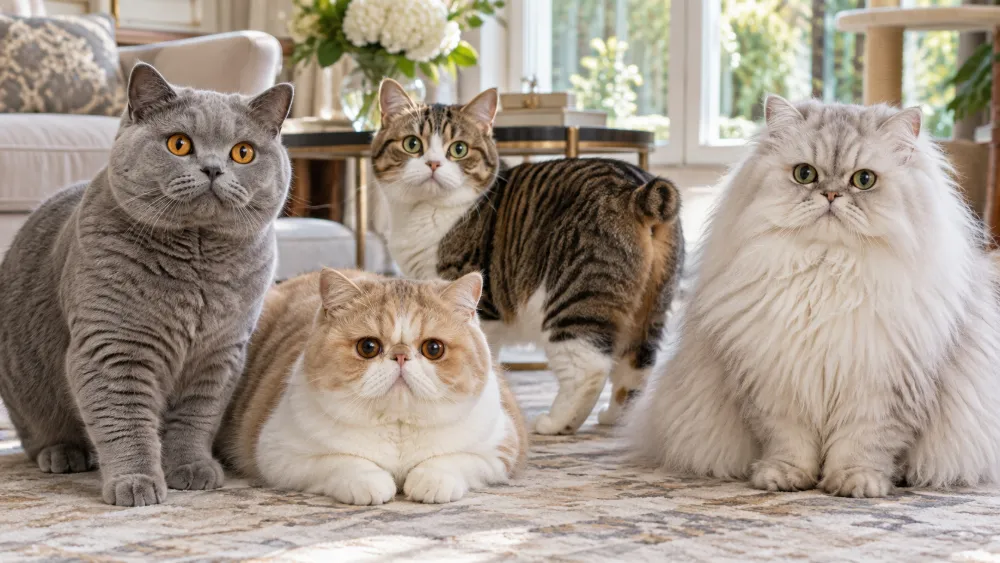
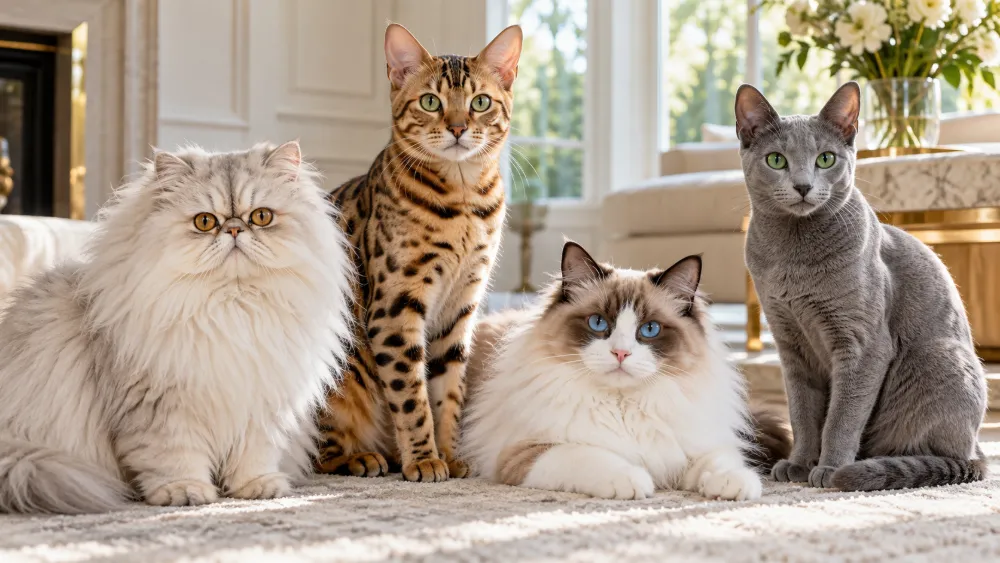
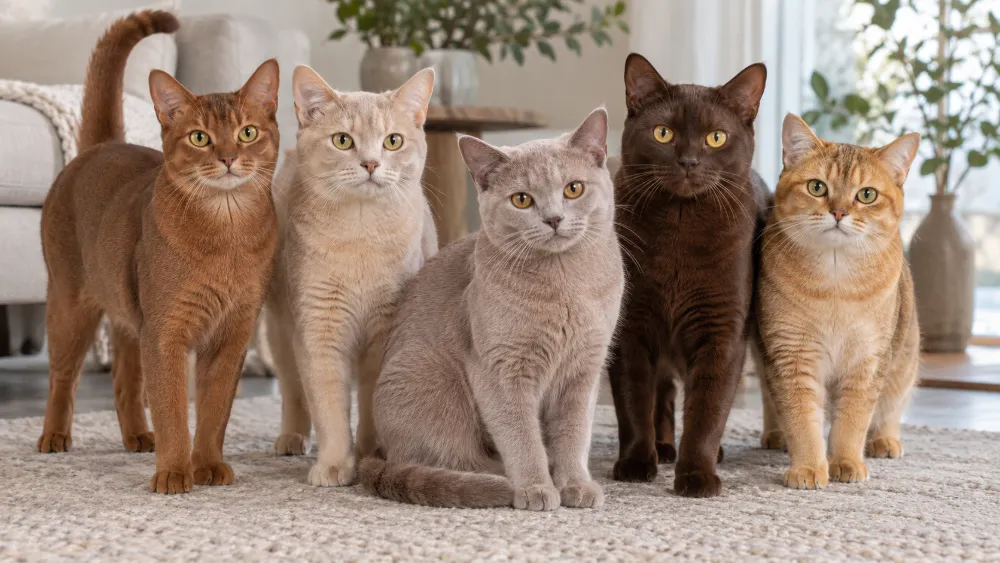
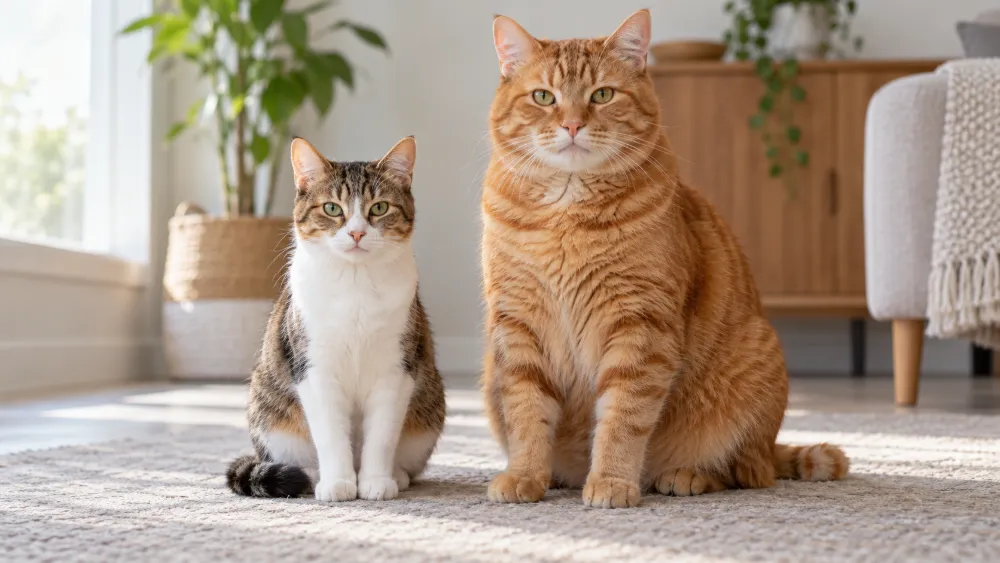
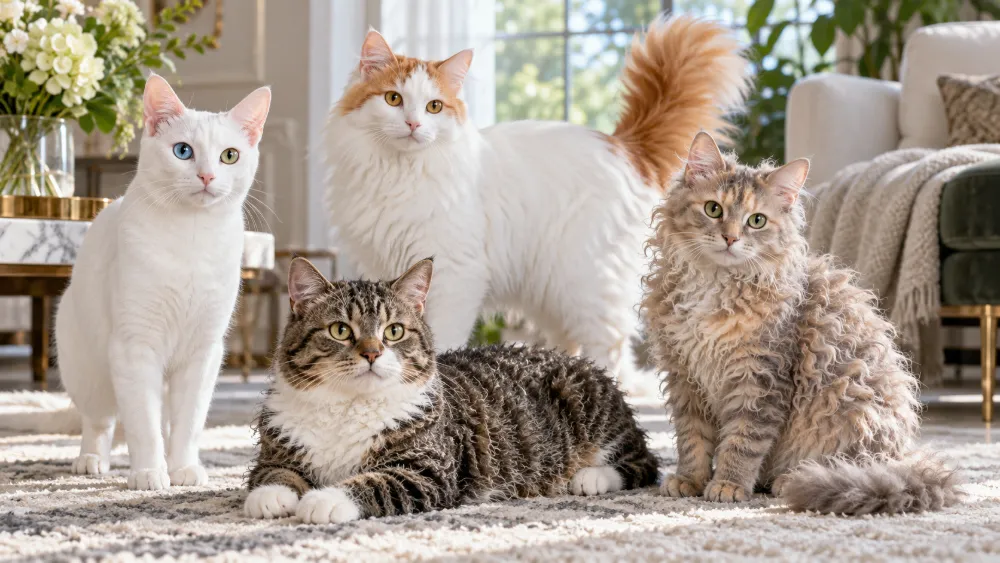
If you’re talking about domestic cats gathered together, the classic collective noun is a clowder. This term is often used for a group of house cats—especially when you’re describing them generally, rather than focusing on how they live.
For feral cats—domestic cats living independently outdoors—the most widely accepted everyday term is a colony. In practice, “colony” is used for three or more cats living and moving around the same area, usually because it provides reliable shelter or food.
A quick note about kittens
A group of kittens is typically called a litter. That word is tied to a single mother’s offspring rather than a random gathering of young cats.
Outdoor Pet Cats vs. Feral (and “Wild-Living”) Cats
It helps to separate two ideas that people often mix together:
Outdoor pet cats
These cats have homes and human caretakers, even if they spend time outside. They may roam, but they’re still part of domestic life. When they gather, “clowder” fits best as a general group name.
Feral cats
Feral cats are domestic cats that have adapted to living outdoors with little or no direct human contact. They often form colonies near dependable resources—like barns with hay, quiet industrial areas, alleyways, or places where food is regularly available.
Unlike social indoor cats that may seek attention, feral cats usually avoid people. Group living offers benefits such as:
Safety: More eyes to spot threats.
Reproduction: Access to mates and protected spaces for kittens.
Shared knowledge: Kittens learn survival behaviors by observing adults.
How cat colonies are “organized”
Feral colonies often develop a loose structure:
Females may stay closer to a core area where kittens are raised.
Males are more likely to roam between territories.
Territory markers matter—food stations, hidden corners, climbing routes, and sheltered spots can become “claimed” areas.
Even though cats can be social, they’re rarely cooperative in the way wolves are. Cat group life tends to be practical: close when it helps, distant when it doesn’t.

Big Cats and Their Group Names
When people say “wild cats,” they sometimes mean big cats like lions, tigers, cheetahs, and leopards. Here, the vocabulary changes.
Lions
A group of lions is famously called a pride. Lions are the most social of the big cats, and pride life is a major part of how they hunt, defend territory, and raise cubs.
Tigers
Tigers are typically solitary in the wild. Adults usually avoid forming groups, so there isn’t a widely used everyday collective noun for tiger “groups” in nature—because grouping is rare.
Cheetahs
Cheetahs are interesting because adult males sometimes form small alliances. A group of male cheetahs is often called a coalition. These coalitions can help males hold territory and improve their chances of mating.
Why most big cats don’t “group up”
Many big cats rely on stealth and individual hunting strategies, and their territories can be large. That naturally pushes them toward solitary lifestyles—except in species where cooperation brings a clear advantage (like lions) or where small alliances occasionally form (like male cheetahs).

Unusual Collective Nouns for Cats
Beyond “clowder” and “colony,” cats have collected some wonderfully odd group names over time. You might see these used in writing, trivia, or playful conversation:
A “glaring” of cats
A group of cats can be called a glaring—which feels especially accurate if you’ve ever walked into a room and been judged by five pairs of unblinking eyes.
A “destruction” of cats
Feral or free-roaming cats are sometimes jokingly called a destruction—a name that makes a bit more sense if you’ve watched cats knock objects off shelves or turn mealtime into a dramatic showdown.
Why so many names?
Many collective nouns reflect how people perceive an animal’s personality. Cats are famously independent, territorial, and selective about socializing—so their group names often carry a hint of humor, mystery, or mischief.