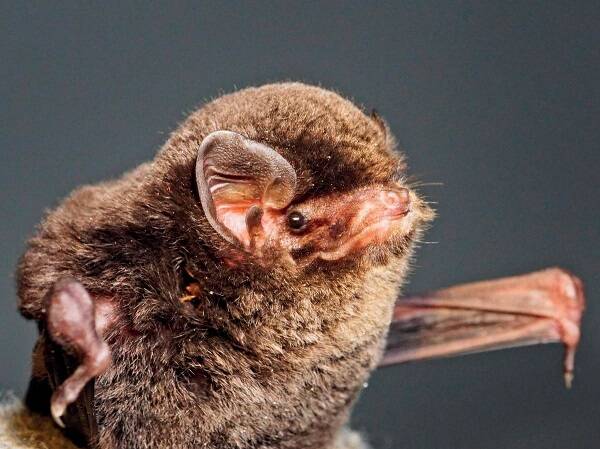
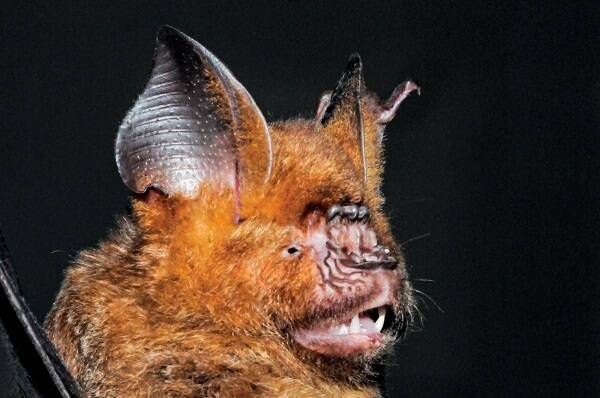
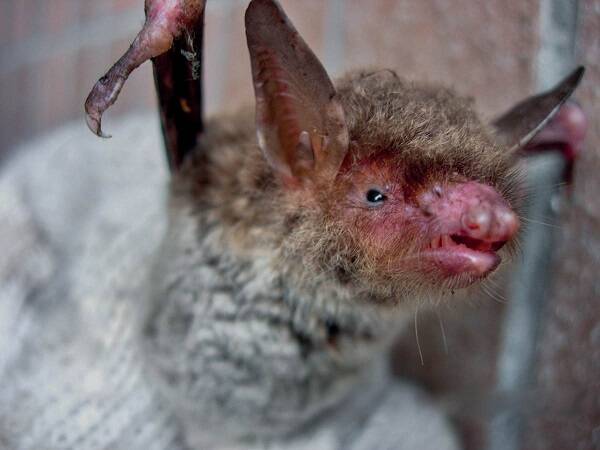
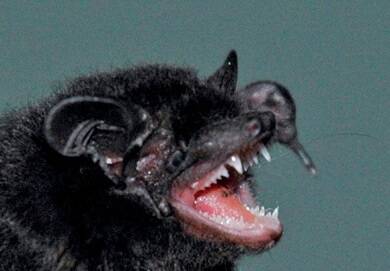
“Monkey‑faced bats” are a group of large fruit bats found only in the Solomon Islands. They belong to the genus Pteralopex and are named for their broad, expressive faces that can look a little “monkey‑like.” These bats are nocturnal forest animals that feed mainly on fruit, and they likely play important roles as seed dispersers (and sometimes pollinators) in island rainforests.
Unlike many widely distributed flying foxes, each Pteralopex species typically has a very small range—often limited to a single island or island group. That extreme endemism makes them highly vulnerable to habitat loss, fragmentation and hunting. As a result, monkey‑faced bats are widely regarded as some of the most threatened fruit bats in Melanesia.
Taxonomy
Monkey‑faced bats are megabats in the family Pteropodidae (fruit bats). The genus Pteralopex is restricted to rainforest habitats in the Solomon Islands. Named species commonly discussed include the Bougainville monkey‑faced bat (P. anceps), Guadalcanal monkey‑faced bat (P. atrata), greater monkey‑faced bat (P. flanneryi), montane monkey‑faced bat (P. pulchra) and New Georgian monkey‑faced bat (P. taki).
Appearance
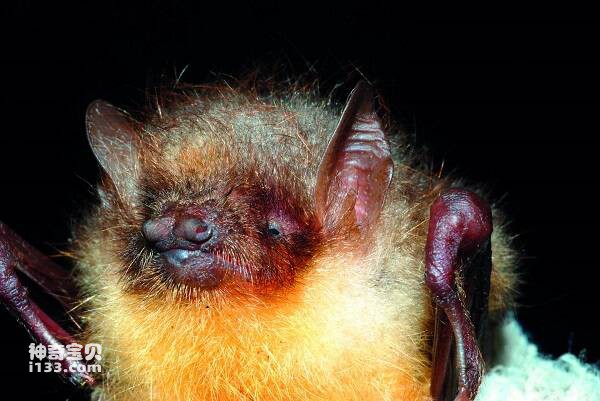
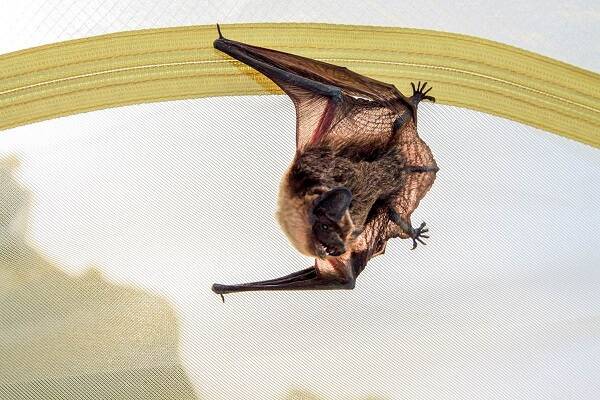
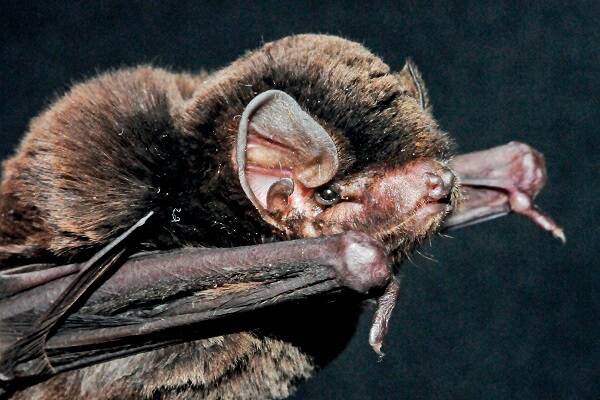
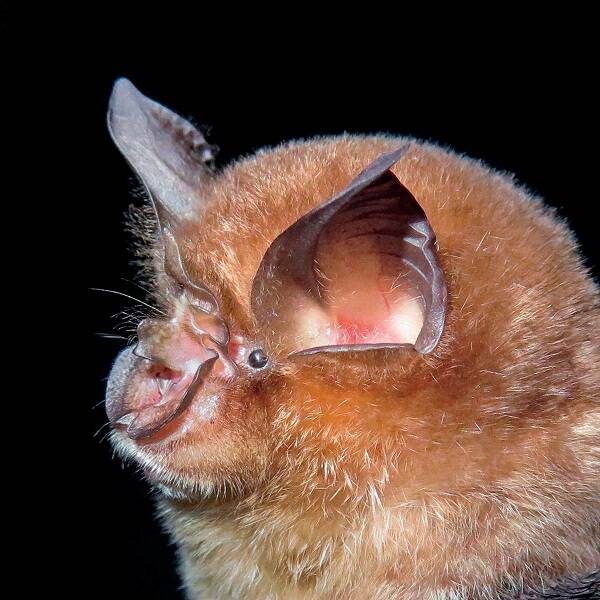
Members of Pteralopex are medium‑to‑large fruit bats with a robust head and a relatively short, broad muzzle compared with many other fruit bats. Eyes are large and some species are noted for striking red irises. Ears are comparatively small and can be partly hidden by dense fur. Fur colour ranges from dark brown to almost black, and wing membranes are usually dark, sometimes with pale patches. Large canine teeth help them bite into tough fruits.
Range and habitat
These bats are endemic to the Solomon Islands archipelago, closely tied to lowland and montane rainforest. Species are often associated with particular islands and forest blocks, using intact or semi‑intact forest, rainforest edges and areas with reliable fruiting trees. Because they depend on forest structure and food resources, widespread logging, mining and land conversion can cause rapid declines.
Behaviour
They are primarily nocturnal, leaving roost sites around dusk to forage in the canopy and along forest edges. Publicly available behavioural data remain limited for several species due to the difficulty of surveying remote islands and low encounter rates, but they likely roost in trees as other fruit bats do, sometimes in small groups.
Diet
Diet is believed to be dominated by fruit, with possible use of nectar, pollen and young leaves. By moving between fruiting trees and passing seeds, they contribute to rainforest regeneration.
Reproduction and life history
For many species, reproduction and lifespan are poorly documented. As with many fruit bats, females likely give birth to a single pup and invest heavily in prolonged care. Reliable estimates of body mass, longevity and population size are unavailable for several taxa.
Conservation status and threats
Across the genus, IUCN assessments are generally high‑risk (Endangered or Critically Endangered, including “Possibly Extinct” for the rarest taxa). For example, the Guadalcanal monkey‑faced bat (P. atrata) is listed as Endangered, and the montane monkey‑faced bat (P. pulchra) is listed as Critically Endangered and marked as Possibly Extinct. Major threats include forest loss and fragmentation, hunting pressure, introduced predators (such as cats), and increased human access to remote forests.