The large‑eared flying‑fox (Pteropus macrotis), also called the big‑eared flying fox, is an Old World fruit bat in the flying‑fox genus Pteropus. It is a mostly nocturnal species associated with lowland tropical forests and coastal habitats across parts of Indonesia and New Guinea.
Like many flying‑foxes, it feeds on plant material such as fruit and blossoms, helping to pollinate flowers and disperse seeds. Compared with insect‑eating microbats, flying‑foxes rely more on vision and smell when foraging.
Taxonomy and naming
This species is in the family Pteropodidae (Old World fruit bats) and the genus Pteropus. The name macrotis refers to its notably long ears. English usage varies between “large‑eared” and “big‑eared” flying fox.
Appearance
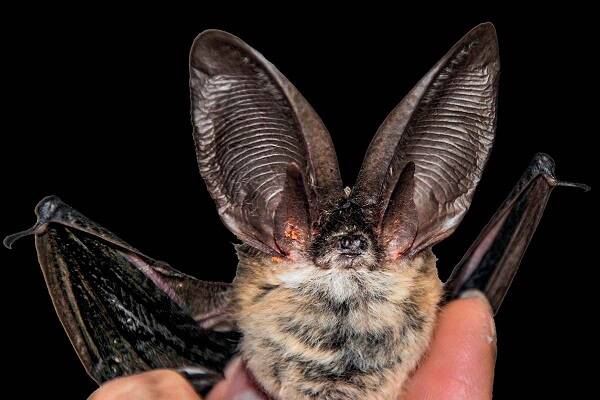
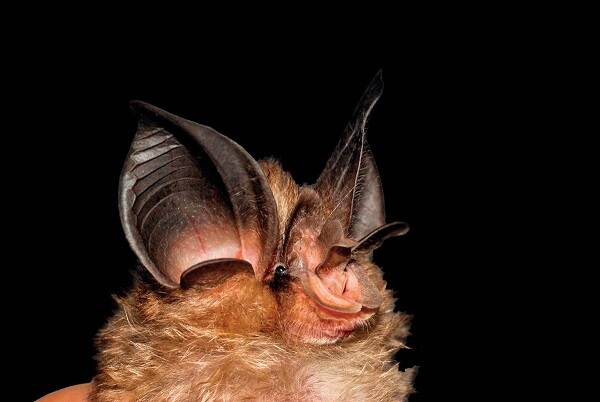
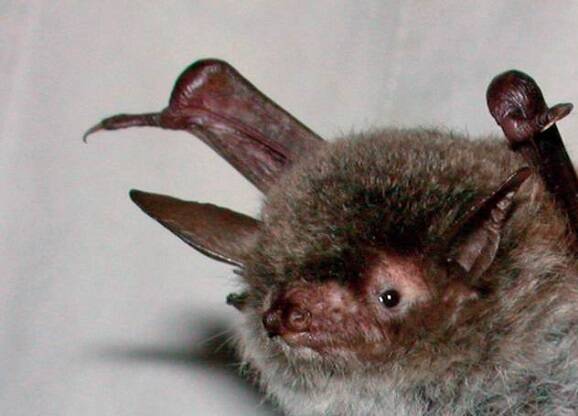
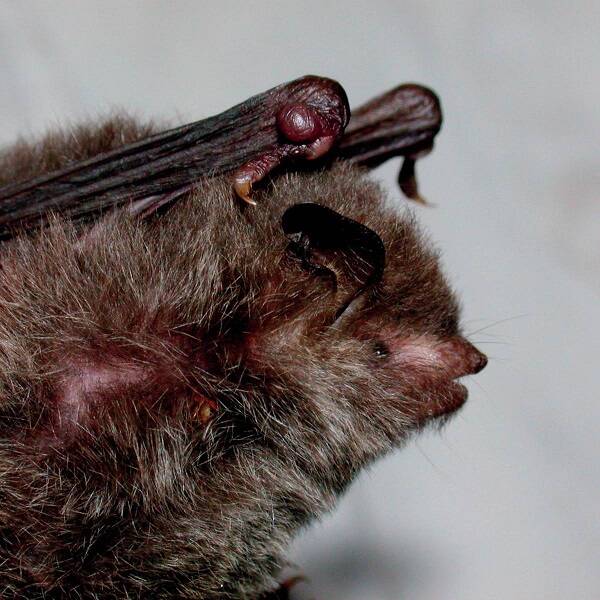
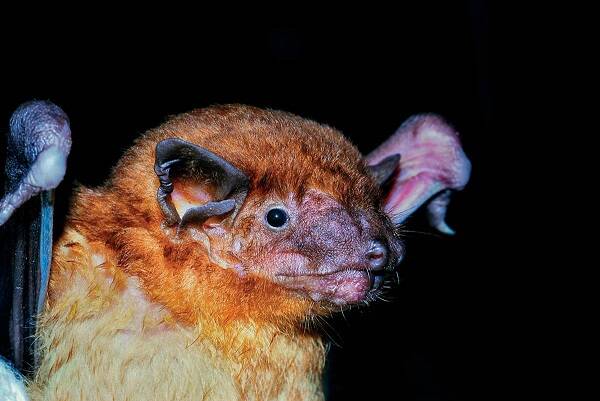
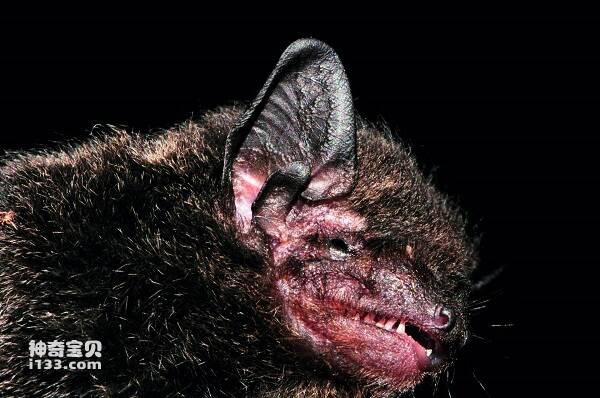
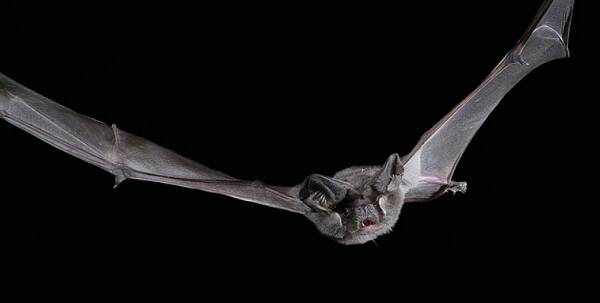
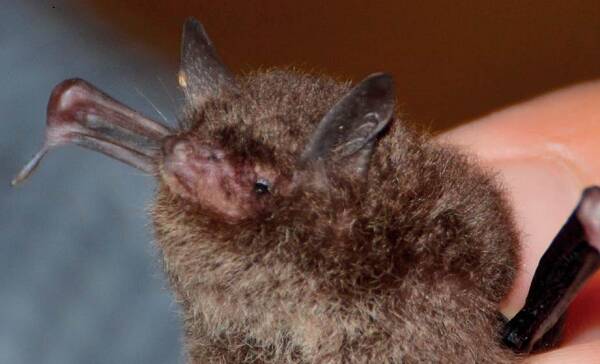
It is a relatively small‑to‑medium flying‑fox with dark brown fur and sometimes a yellowish mantle around the neck and shoulders. The ears are elongated and pointed—one of its most distinctive features. As with other flying‑foxes, it has large eyes and a fox‑like face, and broad wings formed by a skin membrane stretched between the limbs.
Range and habitat
Records place it across parts of Indonesia and Papua New Guinea (New Guinea and nearby islands), with occurrences on a few islands close to Cape York in far north‑eastern Australia. It is typically associated with low‑elevation habitats and is often linked to coastal mangroves as well as other tropical forest types.
Behaviour
The species roosts in trees by day and forages at night. Individuals may form small to moderate roosting groups. Nightly movements connect roosts with fruiting and flowering trees, guided by sight and smell.
Diet
Diet consists mainly of fruit and flowers (including blossoms). Feeding can support forest regeneration by carrying pollen and dispersing seeds.
Reproduction and life history
Detailed breeding information is limited and may vary regionally. Flying‑foxes generally give birth to a single pup, which is carried and nursed by the mother. Longevity for this species is not well documented; it is often assumed to be comparable to other fruit bats (potentially 10+ years), depending on conditions.
Relationship with humans
Flying‑foxes provide important ecosystem services, but can sometimes come into conflict with people when feeding in orchards. Non‑lethal crop protection and habitat conservation can reduce conflict while maintaining their ecological role.
Conservation status and threats
The IUCN lists the large‑eared flying‑fox as Least Concern (LC). Even so, local pressures—such as habitat loss (including mangrove clearance), hunting, and extreme weather—can affect roosts and regional populations.