The Bernese Mountain Dog (often called a “Berner”) is a big, beautiful working dog known for its classic tri-color coat and calm, affectionate personality. Bred for life in the Swiss Alps, this breed was built to handle chilly weather, farm chores, and close partnership with people—and today, many Berners still thrive when they have a role, a routine, and plenty of family time.

Contents
Origins in Switzerland
The Bernese Mountain Dog’s full traditional name is Berner Sennenhund. The breed developed in Switzerland, particularly around the canton of Bern, where it served as an all-purpose farm dog. Berners helped rural families by:
pulling carts loaded with milk, cheese, or supplies
guarding livestock and farm property
accompanying farmers through daily work and travel
The Berner is one of four Swiss mountain dog breeds, and its steady temperament plus striking appearance contributed to its growing popularity outside Europe. In the United States, the breed was officially recognized by the American Kennel Club (AKC) in 1937.
Personality and Temperament
Bernese Mountain Dogs are often described as affectionate, patient, and people-oriented. They commonly form deep bonds with their families and prefer being part of everyday life rather than living as “just a yard dog.”
With children and other pets
Many Berners are gentle and tolerant with kids, especially when raised with respectful handling.
They’re typically social with other dogs, though early training and calm introductions still matter.
With strangers
Most Berners are friendly, but some are reserved around new people at first. They usually warm up once they feel safe and see that their family is comfortable.
One key requirement: companionship
This breed tends to do poorly if left alone for long stretches. A Berner is happiest with human interaction, gentle structure, and mental stimulation.

Physical Traits and Grooming
Berners are large, sturdy dogs with a thick double coat designed for cold climates. Their signature coloring includes:
a black base coat
rust (tan) points
white markings on the chest, face, and sometimes feet and tail tip
Coat care and shedding
Because the coat is dense and slightly long, Berners shed throughout the year—and typically shed more during seasonal changes. Regular brushing helps:
reduce tangles and mats
remove loose undercoat
keep skin healthier by distributing natural oils
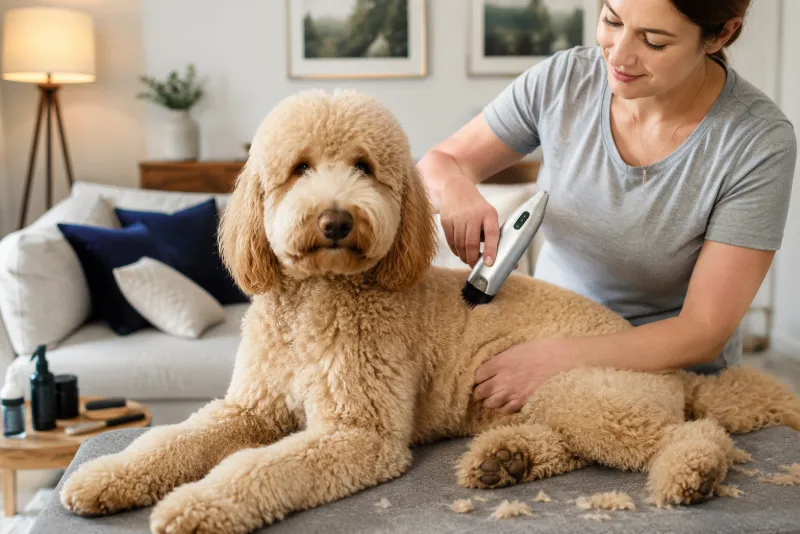
Basic grooming routine
Brush several times per week (more during heavy shedding)
Trim nails regularly to support comfortable movement
Check ears and keep them clean to reduce infection risk
Brush teeth routinely for dental health
Exercise Needs and Health Considerations
Bernese Mountain Dogs enjoy activity, but they’re not built for nonstop endurance running—especially in warm weather. They do best with moderate, consistent exercise that supports fitness without overloading joints.
What exercise usually fits best
steady walks
easy hikes in cool weather
light play sessions
structured activities that mix movement and thinking
Heat sensitivity
Because of their heavy coat, Berners can struggle in high heat. In warm climates, exercise should shift to early mornings or evenings, with shade and water always available.
Common health concerns
Like many large breeds, Berners can be prone to joint issues such as hip dysplasia and elbow dysplasia. They also tend to have a shorter average lifespan than many smaller breeds, often cited around 7–10 years.
Responsible ownership tip
Choosing responsible breeders who perform health screening, keeping your dog lean, and maintaining regular veterinary checkups can make a meaningful difference in long-term wellbeing.

Training and Daily Life
Berners are intelligent and generally eager to cooperate, especially when training is positive, consistent, and reward-based. They tend to shut down with harsh methods, so calm guidance works best.
Training that suits the breed
basic obedience for manners and safety
nose work and scent games to engage their brains
agility foundations (adapted to their size and joint health)
cart pulling or “job-style” tasks for enrichment
Protective—but not typically aggressive
Most Berners will bark to alert you if something seems off, but they’re not usually reactive or bite-prone when properly socialized. Their best “guard dog” trait is often simply their presence and awareness.
Living With a Berner
Sharing life with a Bernese Mountain Dog is a long-term commitment in time, grooming, and companionship. This is a breed that tends to thrive when it has:
cooler temperatures or strong heat management
daily togetherness with its people
gentle training and early socialization
moderate activity plus meaningful mental stimulation
Puppy to adult: what matters most
Early experiences shape a Berner’s confidence. Calm exposure to people, places, handling, grooming tools, and routine vet care helps them grow into balanced adults.
Whether they’re relaxing at home or enjoying a quiet outdoor adventure, Berners often become deeply devoted companions—loyal, affectionate, and happiest right beside their family.