Your dog coughs, gags, then goes quiet. You realize they swallowed a toy (or a sock), and you’re in the car before you’ve even found your wallet.
At a GTA emergency clinic, an initial exam + emergency fee can run about $210 before diagnostics even start.
If the vet recommends imaging, sedation, and foreign body removal, $5,000 is no longer a “worst-case” number—some Ontario clinics list foreign body removal surgery at $5,000–$7,500+ (plus tax).
That’s the 2026 reality behind Best pet insurance Ontario 2026 searches: not “nice to have” coverage, but survival-level cash-flow planning.
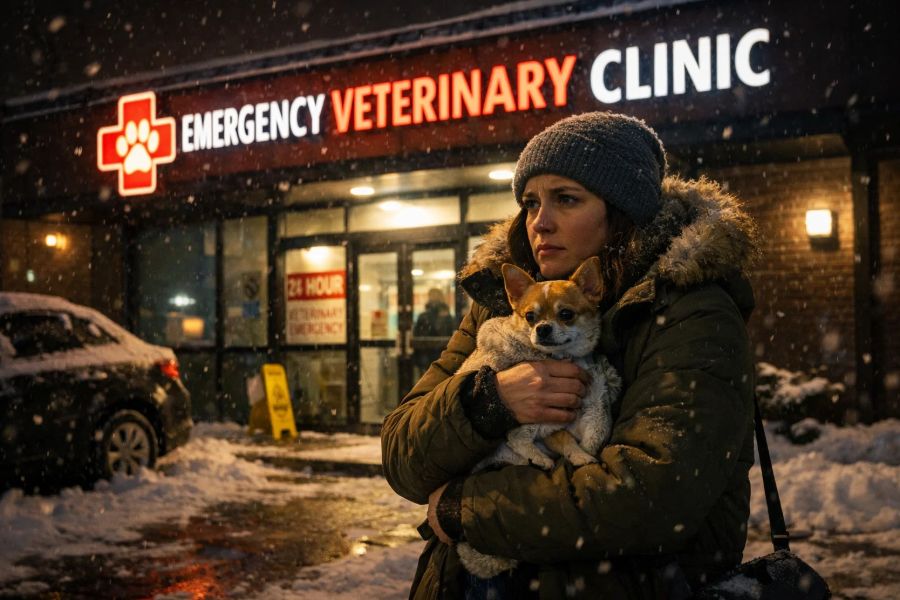
Emergency vet cost Toronto in 2026: why pet owners feel squeezed
If you feel like vet bills jumped overnight, you’re not imagining it.
In the GTA, it’s common to see:
Emergency exam fees in the $150–$300 range
Emergency/urgent walk-in consult fees around $210
Foreign body removal frequently quoted in the thousands (and higher in big cities)
This is exactly why Ontario shoppers fixate on three fears:
Vet inflation (the bill is bigger than your credit limit)
The pre-existing condition trap (one symptom in the record = denied claim)
The payout limit fear (a $5,000 cap gets eaten by a single major incident)
Those fears explain why Spot vs Trupanion Canada comparisons are everywhere right now.
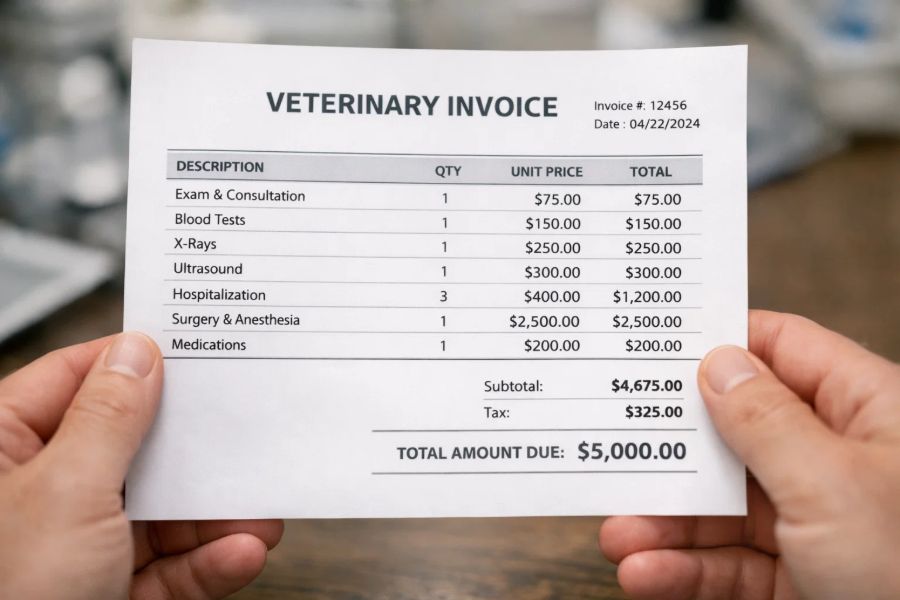
The “Big 3” comparison: Spot vs Trupanion vs Fetch (Ontario 2026)
Below is a high-level snapshot of the plans Ontario pet parents compare most often.
Premiums vary by breed, age, postal code, and coverage settings, and Toronto pricing can land higher than smaller communities.
Example monthly costs (CAD) shown here come from a January 2026 Canada-wide comparison.
| Provider | Monthly cost (Dog / Cat) | Deductibles | “Direct Pay” features |
|---|---|---|---|
| Spot | $76.96 / $29.26 | Typically annual deductible (example: $100) | No true vet-direct pay (generally reimbursement to you) |
| Trupanion | $62.01 / $40.91 | Per-condition deductible you choose (commonly $0–$1,000) | Yes: VetDirect Pay™ at participating clinics |
| Fetch | $45.48 / $25.70 | Typically annual deductible (example: $300) | Usually reimbursement (often via direct deposit after approval) |
Now let’s talk about what’s really driving buying decisions in Ontario.

Why Spot and Trupanion are dominating the Ontario conversation in 2026
Ontario pet owners aren’t shopping for “the best brand.”
They’re shopping for a plan that solves one of two problems:
1) “I need predictable costs, and I don’t want to skip routine care.”
That buyer tends to choose Spot.
Spot’s edge in Canada is straightforward: customizable accident/illness coverage plus optional preventive care add-ons.
If you’re the type of owner who actually uses wellness benefits (vaccines, routine dental, flea/tick), those add-ons can feel like real value.
2) “I’m terrified of the big one—and I don’t have $5,000 sitting around.”
That buyer gravitates toward Trupanion.
Trupanion’s strongest Ontario story is unlimited payouts and the ability to pay the vet directly at checkout (when your clinic supports it).
When emergency exam fees are already clearing $200 in the GTA, direct pay isn’t a “perk.” It’s a lifeline.
Fetch stays relevant as the third contender, especially for owners who want a middle ground on premium and features.
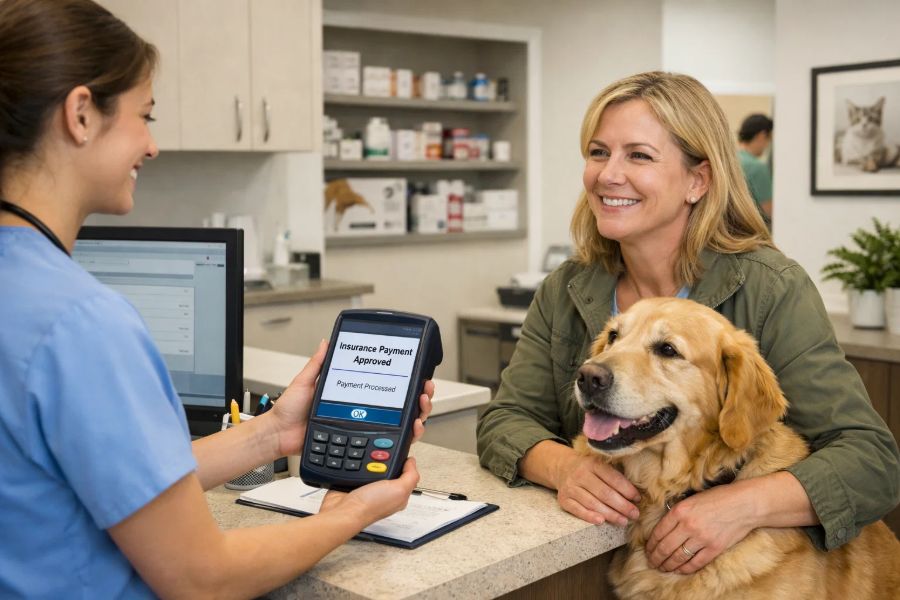
The “secret” edge: Trupanion’s VetDirect Pay™ (cash-flow matters more in 2026)
Most pet insurance still works like this:
You pay the clinic in full.
You submit the claim.
You wait to get reimbursed.
That model breaks when the bill is $3,000–$7,500+ and your available credit is… not that.
VetDirect Pay™ flips the order.
With Trupanion, participating clinics can submit eligible invoices electronically, and Trupanion pays the hospital directly—often in minutes—so you pay only your portion at checkout.
Why Ontario owners care so much about this feature
Because emergency bills are typically due immediately.
And in the GTA, the first line item can already be around $210 just to walk through the door.
Quick reality check
Not every clinic supports VetDirect Pay™.
Trupanion provides a way to search for providers and filter by VetDirect Pay™.
If you’re choosing Trupanion specifically for direct pay, confirm your closest emergency clinics support it before you need it.

The payout limit fear: why a $5,000 cap can feel like a trap
In Ontario, a $5,000 annual cap can be fine… until it isn’t.
A single foreign body incident can run into the thousands, and some clinics publish $5,000–$7,500+ for foreign body removal surgery.
Even broader Canada-wide emergency ranges put foreign body removal in the $2,000–$5,000 band, with major cities trending higher.
Here’s what owners often miss
Caps don’t just limit “one bad day.”
They can also limit a bad year.
If your dog has:
A swallowed object in March
A cruciate injury in July
A serious GI flare in November
A $5,000 limit can get tight fast.
This is the core reason Trupanion’s “no payout limits” positioning resonates in Ontario.
Pre-existing conditions in Ontario: how to avoid the “gotcha”
No matter which insurer you pick, this is the rule you should plan around:
Anything noted, symptomatic, or diagnosed before enrolment (or during waiting periods) can be treated as pre-existing and excluded.
That sounds harsh, but you can reduce your risk.
Do this before you buy (Ontario checklist)
Enroll early (before the first itch, limp, ear infection, or GI episode gets documented).
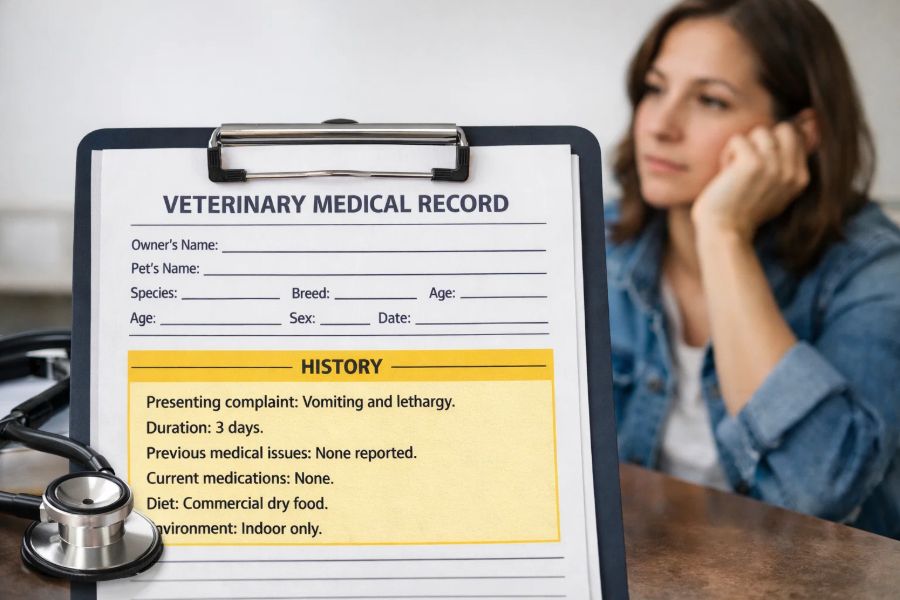
Ask your vet for a copy of your pet’s records and skim for recurring notes (even “intermittent vomiting”).
Choose coverage settings based on your fear: cap risk vs premium risk.
Treat waiting periods seriously (avoid “let’s see if it clears up” vet visits right before enrolment).
If your pet already has a history, you can still benefit from insurance—just assume that new, unrelated conditions are the value driver.
Breed-specific strategy in Ontario: French Bulldogs and Golden Retrievers need different “builds”
This is where high-RPM, high-conversion advice lives: match the policy to the breed’s most likely expensive problems.
Pet insurance for French Bulldogs Canada: what to prioritize
Frenchies are loved in Ontario—and expensive when things go sideways.
What tends to matter most in a policy build:
High annual limit or unlimited (because the “one big event” is common)
Coverage that’s clear about hereditary / congenital conditions
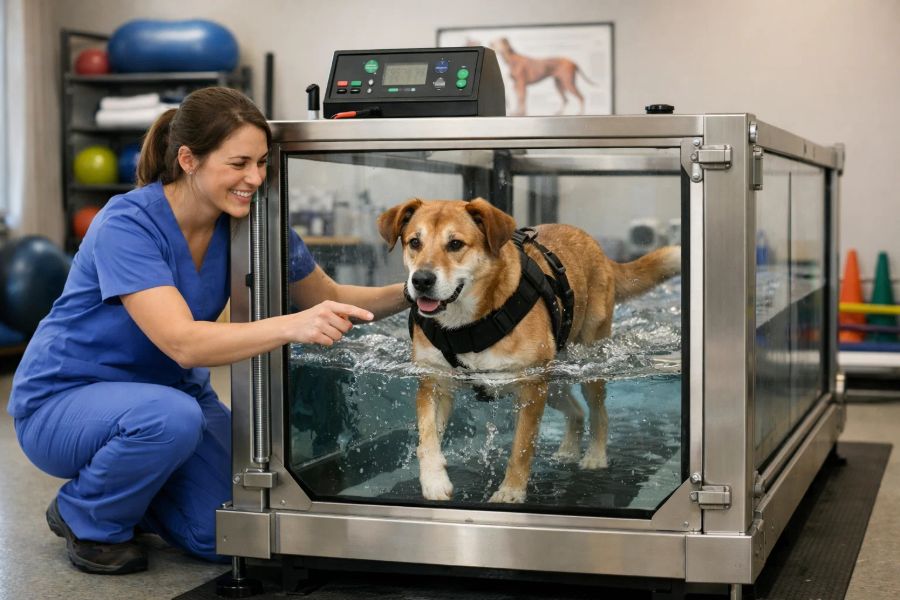
Support for recovery costs like rehab and complementary care, if available as a rider
A plan that won’t collapse your budget if you need emergency care at 10 p.m.
If you’re worried about spinal issues like IVDD, you’re right to question a $5,000 cap.
Even general IVDD cost ranges can push into several thousand dollars, and severe cases can be higher.
Also note: some Canadian reviews flag that Spot may not cover dental illness (which can matter for brachycephalic breeds).
Golden Retrievers in Ontario: design for the “long game”
Goldens often drive claims differently.
Your biggest risk isn’t one freak accident.
It’s a serious illness that can require months of treatment.
That’s where Trupanion’s structure can be appealing:
No payout limits
Per-condition deductible that you don’t keep re-paying for the same chronic issue
If you’d rather cap premiums and accept a limit, Fetch or Spot can still work—but you’re making a conscious trade-off.

Spot vs Trupanion Canada: the quick Ontario decision guide
If you want a fast, practical answer, here it is.
Choose Trupanion in Ontario if…
You’re most afraid of a single huge bill (ER + surgery)
You want unlimited payouts
You value VetDirect Pay™ because cash-flow is tight
You like the idea of a per-condition deductible
Choose Spot in Ontario if…
You want stronger preventive care add-ons (and you’ll actually use them)
You’re comfortable with an annual cap (example shown: $5,000)
You’re insuring a younger pet and trying to keep premiums manageable
Choose Fetch in Ontario if…
You want a middle-ground premium with a higher example cap (shown: $10,000)
You want a plan that emphasizes reimbursement speed via direct deposit after approval
You don’t need vet-direct pay, but you want a solid accident/illness structure
One more practical tip: Fetch notes that its quotes include monthly taxes & fees, which can make apples-to-apples comparisons easier.

FAQ (Ontario 2026)
What is the emergency vet cost Toronto pet owners should budget for in 2026?
In the GTA, emergency exam-related fees are commonly $150–$300, and some clinics list around $210 for emergency/urgent consults.
If surgery is involved (like a swallowed object), total bills can quickly climb into the thousands, and some clinics publish $5,000–$7,500+ for foreign body removal.
Does Trupanion pay the vet directly in Ontario?
Often, yes—through VetDirect Pay™ at participating clinics, where Trupanion can pay the hospital directly and you pay your portion at checkout.
Always confirm your local emergency clinic supports it before you rely on it.
What should I look for in pet insurance for French Bulldogs Canada?
Prioritize high limits (or unlimited) and strong clarity on what’s covered for chronic or breed-linked issues.
If you’re worried about big emergency bills, Trupanion’s direct pay + no payout limits structure is why many Frenchie owners shortlist it.
Will any insurer cover pre-existing conditions?
Assume no for anything already noted or symptomatic before enrolment, and read the policy wording carefully.
Your best move is enrolling before problems appear in the record.
Bottom line for Ontario pet owners in 2026
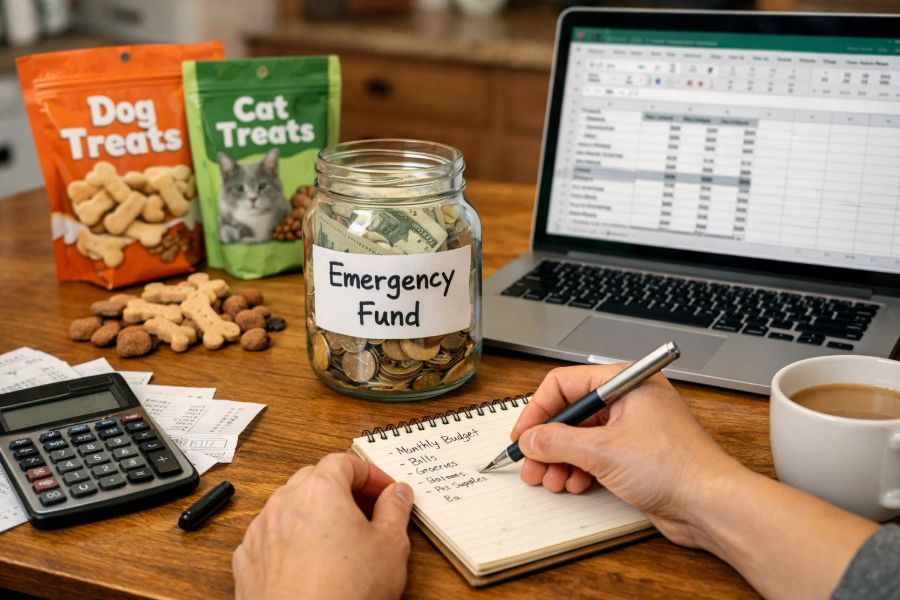
When emergency exams in the GTA can be $200+ and a swallowed-object case can land at $5,000, the “best” policy is the one that prevents you from hesitating at the front desk.
That’s why:
Spot wins on flexibility + wellness-style add-ons
Trupanion wins on cash-flow + unlimited payouts + VetDirect Pay™
If you want the highest chance of picking the right plan in Ontario, get two quotes on the same day and choose based on your biggest risk:
Cap risk (annual limit)
Cash-flow risk (can you float the bill?)
Pre-existing risk (what’s already in the medical record?)