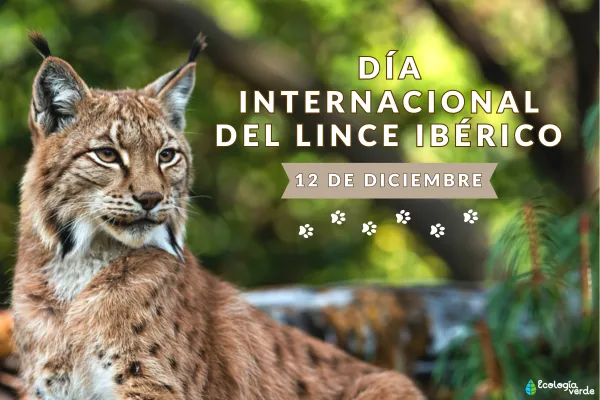
International Iberian Lynx Day is celebrated every year on 12 December. The date was created to draw attention to the situation of the Iberian lynx (Lynx pardinus) and to highlight just how important its conservation is for the biodiversity of the Iberian Peninsula.
Once considered the most endangered wild cat in the world, the Iberian lynx has become a global symbol of both the fragility of ecosystems and the success that is possible when conservation is taken seriously. This day reminds us that the species has come back from the brink of extinction – but also that its future is not yet guaranteed.
In this article you’ll learn when International Iberian Lynx Day is celebrated, why it exists, how it is celebrated, and what you personally can do to help the Iberian lynx continue its path to recovery.
When Is International Iberian Lynx Day – and What Is Its Origin?
International Iberian Lynx Day is held every year on 12 December.
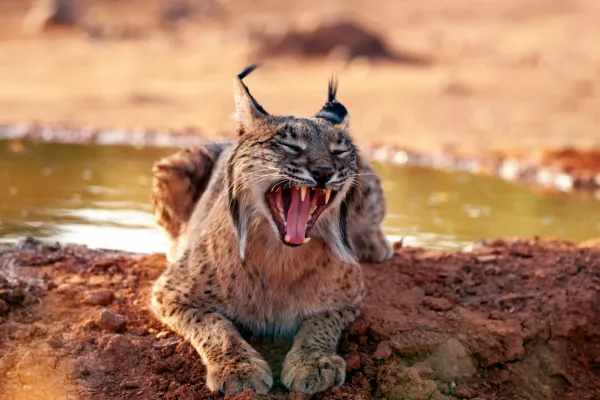
The date was created to remind society of the need to protect one of the most iconic and threatened species of Iberian wildlife. The Iberian lynx is a medium-sized wild cat, recognizable by its spotted coat, tufted ears and short “bobbed” tail. It is native to the Iberian Peninsula (Spain and Portugal) and is closely associated with Mediterranean scrub and woodland habitats.
From “most endangered cat in the world” to a slow recovery
During the first decade of the 2000s, the Iberian lynx reached a critical conservation status:
Its range had shrunk to a handful of isolated areas, mainly in parts of Andalusia.
Numbers fell so low that it was widely described as the most threatened feline on the planet.
Habitat loss, decline of its main prey (the European rabbit), road collisions and illegal killing pushed the species to the edge.
International Iberian Lynx Day emerged as a response to that emergency. It was promoted through the collaboration of:
Conservation NGOs
Public administrations in Spain and Portugal
European Union projects focused on lynx recovery (LIFE projects and similar initiatives)
The objective was clear: create a fixed date that would remind the public, institutions and the media that the Iberian lynx still needed urgent and coordinated action.
What is the main purpose of the date?
The core aims of International Iberian Lynx Day are:
To raise awareness about the species and its status.
To promote conservation programmes and long-term recovery strategies.
To recognize the work of all those who participate in lynx conservation: rangers, biologists, local communities, landowners, NGOs and public agencies.
Throughout 12 December, there are information campaigns, educational activities and monitoring events in areas where lynx live. All of them share a common message:
If we want the Iberian lynx to remain part of the peninsula’s ecosystems, we must protect its habitat and maintain a long-term commitment to biodiversity.
Why Is International Iberian Lynx Day Celebrated?
This day is celebrated to remind us that the Iberian lynx, a symbol of the natural heritage of Spain and Portugal, was once on the brink of extinction and that its recovery is still a work in progress.
Although lynx numbers have increased significantly in recent years thanks to conservation efforts, the species is still vulnerable and dependent on ongoing protection and monitoring.
1. Raising awareness about its conservation
The Iberian lynx is considered a key indicator species for the health of Mediterranean ecosystems:
It needs healthy rabbit populations, so protecting the lynx also implies managing prey species.
It requires well-conserved scrublands, woodlands and open areas, so its presence is a sign of good habitat quality.
Many other species (raptors, scavengers, small carnivores) benefit from the same conservation measures aimed at protecting lynx landscapes.
In other words, protecting the Iberian lynx means protecting an entire ecosystem.
2. Recognizing decades of conservation work
International Iberian Lynx Day also serves to recognize:
Captive breeding programmes that have created a genetic “safety net” and provided animals for reintroduction.
Reintroduction projects that have returned the lynx to areas where it had disappeared.
Monitoring and research, including the use of GPS collars and camera traps to understand movements, breeding and mortality.
Mitigation of threats, such as improving road safety, restoring habitat and working with landowners to reduce conflicts.
Thanks to these efforts, the Iberian lynx has gone from a desperate situation to a remarkable, though still fragile, conservation success story.
3. Encouraging public participation
Finally, this day reminds us that lynx protection is not only the job of scientific experts:
Local residents living in lynx areas can help by respecting rules and reporting incidents.
Drivers can reduce speed and be alert in lynx zones to prevent collisions.
Farmers and landowners can adopt practices that are compatible with wildlife.
Schools and universities can turn the lynx into a powerful educational example.
Nature enthusiasts and tourists can choose responsible activities and support conservation initiatives.
Without this wider social participation, the species would not have made the progress it has today.
How Is International Iberian Lynx Day Celebrated?
International Iberian Lynx Day is celebrated with a variety of activities aimed at bringing this unique feline closer to the public and showcasing the conservation work behind its recovery. Although details vary by year and region, the spirit is always the same: inform, educate and encourage people to get involved.
Some of the most common types of activities include:
Educational events and public talks
Conservation centres, schools, universities and environmental groups organize:
Talks and presentations about lynx biology, behaviour and reproduction.
Workshops on threats and conservation measures.
Classroom activities for children and teenagers, where they can learn through games, stories and multimedia resources.
The goal is to turn the Iberian lynx into a familiar and inspiring species, rather than something distant or unknown.
Guided visits and interpretive walks
In areas where lynx are present – such as parts of Sierra Morena, Doñana, Extremadura and some regions of Portugal – there may be:
Guided walks to learn about Mediterranean habitats.
Interpretive routes where participants can identify tracks, scats and signs of the species.
Explanations on ecological corridors, why landscape connectivity is so important, and how lynx move across their territories.
Seeing a lynx in the wild is rare and never guaranteed, but these activities help people understand how the species lives and what it needs to survive.
Activities in breeding centres and nature reserves
Many breeding centres and reserves use 12 December to open their doors more widely to the public:
Exhibitions about the history of lynx conservation and the results achieved so far.
Meetings with experts, veterinarians and keepers who explain how breeding, reintroduction and tracking are carried out.
Workshops on topics such as genetic management, health monitoring and how animals are selected for release.
Even if visitors do not see lynx directly (to avoid stressing the animals), they gain a much deeper understanding of the complex work that happens behind the scenes.
Awareness campaigns in media and social networks
Environmental organizations, public bodies and citizen groups often launch communication campaigns around this date:
Sharing photos, videos and stories of lynx that have been released or have successfully bred in the wild.
Publishing infographics and data on population trends and remaining threats.
Promoting hashtags and slogans related to Iberian Lynx Day and lynx conservation.
These campaigns help the message reach people who may never visit lynx areas in person, but who can still support conservation through their choices and voices.
Community actions and volunteering
In some places, International Iberian Lynx Day is also an opportunity for hands-on activities, such as:
Habitat clean-up days (removing rubbish from lynx areas).
Planting or restoring native vegetation to improve cover and prey habitat.
Installing camera traps as part of citizen science projects.
Participating in wildlife monitoring, always in collaboration with environmental authorities.
These actions allow people to feel actively involved in protecting lynx territories, not just as spectators.
How Can We Help the Iberian Lynx So It Doesn’t Become Endangered Again?
Protecting the Iberian lynx is not just the responsibility of governments or specialists. Anyone can contribute to ensuring that this wild cat continues to recover and does not return to the edge of extinction.
Although populations have grown in recent years, the species is still vulnerable, and its future will depend on both large-scale conservation projects and many small everyday decisions.
Let’s look at some concrete ways to help.
1. Protect and restore its natural habitat
The Iberian lynx needs:
Large, continuous and safe areas of Mediterranean scrub and forest.
A stable population of its main prey, the European rabbit.
Connected territories so individuals can move, find mates and avoid inbreeding.
How you can support this, even if you don’t live in lynx areas:
Support policies, organizations and projects that protect natural habitats and ecological corridors.
Choose products and services that respect land and biodiversity, especially in rural regions of Spain and Portugal where lynx live.
If you own land in lynx areas, consider participating in conservation agreements or adopting wildlife-friendly management practices.
2. Reduce roadkill and improve road safety
Collisions with vehicles are one of the main causes of death for Iberian lynx in the wild, especially on secondary roads crossing rural areas.
What can drivers do?
Respect speed limits, especially in areas signposted with wildlife warning signs or in known lynx zones.
Avoid driving at high speed at dawn and dusk, when many wild animals are more active.
Report injured or dead animals on the roadside to the relevant authorities, so they can take action.
From a broader perspective, supporting projects that include wildlife crossings, fencing and road redesign in critical points also helps to reduce mortality.
3. Report illegal activities
Illegal activities such as:
Use of prohibited traps,
Use of poison to kill predators
affect not only the Iberian lynx but also many other protected species, including birds of prey and scavengers.
If you witness or suspect such activities:
Do not intervene directly if it may be dangerous.
Inform environmental authorities, local police or ranger services as soon as possible.
In rural communities, help spread the message that poison and illegal traps harm everyone, including hunting resources and livestock.
Reporting these practices is essential to stop them and protect wildlife.
4. Support conservation organizations and projects
There are several organizations and programmes dedicated to monitoring, breeding and reintroducing the Iberian lynx, as well as managing its habitat and working with local communities.
You can help by:
Donating to or becoming a member of conservation NGOs that work with the Iberian lynx.
Supporting LIFE projects and other long-term programmes through volunteering or outreach.
Sharing their campaigns and materials, so that more people learn about their work.
Financial and social support allows these projects to continue over time, which is crucial for a species with low numbers and slow recovery.
5. Promote sustainable practices in rural areas
Farmers, livestock owners and estate managers play a decisive role in lynx recovery:
They manage the land where lynx hunt, breed and move.
Their decisions on hunting, grazing, pesticide use and land clearing directly affect habitat quality.
How to support them and encourage biodiversity-friendly practices:
Choose products from farms or companies that respect wildlife and ecosystems.
Support initiatives that reward sustainable land management, like organic farming, agroforestry or integrated pest control.
Recognize and share positive examples of coexistence between rural activities and lynx conservation.
When rural economies benefit from healthy ecosystems, everyone wins – including the Iberian lynx.
6. Practice responsible tourism
Many nature lovers dream of seeing the Iberian lynx in the wild. This can bring important income to local communities, but tourism must be responsible:
Always follow the instructions of guides and park staff.
Keep a safe distance from wildlife and never try to attract animals with food or calls.
Avoid leaving the marked paths or entering sensitive areas without permission.
Choose tourism operators that show a clear commitment to conservation and animal welfare.
The rule is simple: observe without disturbing. Good wildlife watching helps create economic reasons to protect the lynx, rather than pressure to exploit habitats.
7. Support science and citizen science projects
Monitoring the Iberian lynx does not depend only on professionals. Citizen science is increasingly important:
Identification of tracks and signs under expert guidance.
Participation in biodiversity surveys.
Sharing wildlife sightings using apps or platforms recommended by authorities.
Helping to install or review camera traps in coordinated projects.
If you are passionate about nature:
Join local or national projects related to Mediterranean ecosystems, rabbits or predators.
Support scientific research through donations or collaboration.
Stay informed about the latest findings and share them with others.
Science provides the information needed to make effective conservation decisions.
A Day to Celebrate – and a Commitment for the Future
Now that you know more about International Iberian Lynx Day and why it is held on 12 December, one thing becomes clear:
The survival of the Iberian lynx is one of the great conservation stories of our time – but the story is not finished yet.
Thanks to decades of effort, this unique wild cat has taken important steps away from the edge of extinction. However, its future still depends on:
Protecting and connecting habitats
Maintaining and improving prey populations
Reducing threats such as roadkill and illegal killing
And above all, keeping society engaged and informed
By supporting conservation projects, choosing responsible products and tourism, reporting illegal activities and sharing what you know with others, you become part of the network of people who are making recovery possible.
Every action – big or small – helps ensure that future generations can still find the Iberian lynx roaming freely through the Mediterranean landscapes of Spain and Portugal.
Bibliography
World Iberian Lynx Day, immersed in monitoring in Portugal. El Click Verde. Available at: https://elclickverde.com/blog/dia-mundial-del-lince-iberico-inmerso-en-el-seguimiento-en-portugal
Ministry for Ecological Transition and the Demographic Challenge. Government of Spain. Doñana: The Iberian lynx (Lynx pardinus), the great Mediterranean cat. Available at: https://www.miteco.gob.es/es/parques-nacionales-oapn/red-parques-nacionales/parques-nacionales/donana/valores-naturales/lince.html
Ministry for Ecological Transition and the Demographic Challenge. Government of Spain. Strategy for the conservation of the Iberian lynx. Available at: https://www.miteco.gob.es/es/biodiversidad/publicaciones/pbl-fauna-flora-estrategias-lince.html
Recovery of the Iberian lynx: A conservation success in Spain. (July 9, 2024). IUCN. Available at: https://iucn.org/es/noticias/202407/recuperacion-del-lince-iberico-un-exito-de-conservacion-en-espana