World Monkey Day is celebrated every year on 14 December.
It’s a date created to raise awareness about monkeys and other primates, highlight the threats they face, and encourage people to protect them and their habitats.
From habitat destruction and illegal wildlife trade to being kept as pets or used for entertainment, many monkey species are under serious pressure. If you’d like to know when World Monkey Day is, why it’s celebrated, and how you can take part, this guide walks you through the essentials in a clear, reader-friendly way.
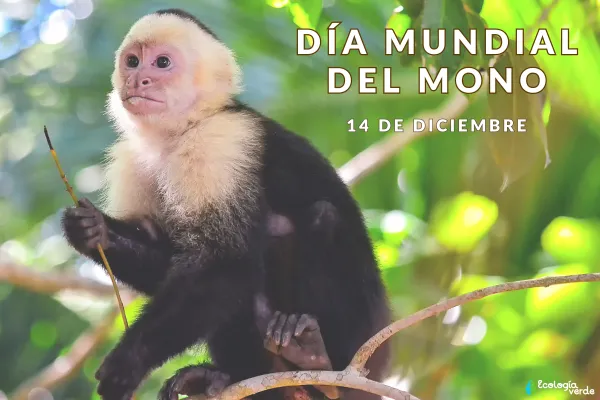
When Is World Monkey Day?
World Monkey Day is celebrated on 14 December every year.
The day is used to:
Draw attention to the cruelty and exploitation many primates suffer, especially those used as:
Pets
Photo props
Circus or show animals
Raise awareness about:
Habitat loss and fragmentation
Illegal hunting and trade
Declining wild populations
Monkeys belong to the order Primates and are known for their:
High intelligence
Complex social structures
Very developed behaviour and communication
Today, there are around 260 species of monkeys distributed mainly in tropical and subtropical regions of:
Africa
Asia
The Americas
However, many of them are in trouble:
Dozens of species are classified as threatened or endangered.
At least 25 species are considered to be at very high risk of extinction, mainly due to:
Deforestation and loss of habitat
Fragmentation of forests
Poaching and the illegal wildlife trade
Some of the most threatened primates include:
Blue-eyed black lemur (Eulemur flavifrons)
Grauer’s gorilla or eastern lowland gorilla (Gorilla beringei graueri)
Spider monkeys (Ateles spp.)
Capuchin monkeys (Sapajus spp.)
Dollman’s Diana monkey (Cercopithecus diana dollmani)
Rondo dwarf galago (Galagoides rondoensis)
World Monkey Day is a reminder that all of these species – not just the best-known ones – need urgent protection.
Why Is World Monkey Day Celebrated?
Unlike other environmental dates declared by official organisations, World Monkey Day does not have an institutional origin. Its story is quite unusual and begins in the world of art and university culture.
In 2003, a group of art students at Michigan State University (USA) casually wrote “Monkey Day” on a calendar as a joke.
What started as a playful idea among friends soon turned into an annual mini-festival:
Art projects
Costumes
Exhibitions
Monkey-themed events
Over time:
The idea spread beyond the university.
Artists, activists and animal protection groups adopted the date.
The tone shifted from purely humorous to educational and activist, with a focus on:
The critical situation of many monkey and primate species
The need to protect their habitats
Ending their exploitation as pets or entertainment
Today, World Monkey Day is used as a global platform to:
Draw attention to the problems primates face
Highlight their ecological importance
Promote concrete conservation actions such as habitat protection, anti-poaching efforts and responsible tourism
How to Celebrate World Monkey Day
World Monkey Day is not just about sharing a cute picture of a monkey – it’s an opportunity to take real steps in favour of primate conservation. Here are some meaningful ways to get involved:
1. Learn and share reliable information
Understanding is the first step toward protecting.
Learn about:
Different monkey species
Their behaviour and social life
The threats they face
Share reliable information on:
Social media
Blogs or school projects
Community or classroom presentations
You can:
Post educational infographics or short facts
Correct common myths (for example, that monkeys can be “good pets” – they can’t)
Highlight endangered species and why they matter
2. Support primate conservation organisations
Many organisations work directly to protect monkeys and their habitats:
Rescue and rehabilitation centres for confiscated animals
NGOs that:
Fight illegal wildlife trade
Protect and restore forests and jungles
Fund scientific research and local community projects
You can help by:
Making a donation
Participating in volunteer programmes (on-site or online)
Helping to spread their campaigns and petitions
Even small contributions can add up to a big impact.
3. Say no to wild animals as pets or “props”
One of the most powerful things you can do as an individual is to refuse to support cruelty, even indirectly.
Avoid:
Keeping any wild animal (including monkeys) as a pet
Visiting places that:
Offer monkey selfies
Use primates for shows, tricks or rides
Sharing viral videos of pet monkeys that encourage people to want one
By not supporting these activities, you help reduce demand and discourage the illegal and unethical trade of primates.
4. Promote environmental education
Environmental education is key to changing attitudes in the long term.
You can:
Organise or participate in:
Talks, workshops or webinars about monkeys and their conservation
Activities in schools, universities or community centres
Use:
Art (drawings, comics, photography, murals)
Games and storytelling for younger children
Documentary screenings and debates for older audiences
The goal is to help people of all ages understand that:
Monkeys are not toys or pets
Their forests are essential for:
Climate regulation
Biodiversity
Local communities
Celebrating World Monkey Day on 14 December is much more than marking a date on the calendar. It’s a chance to:
Raise awareness
Educate others
Take action, even in small ways
All of these steps help ensure the survival of monkeys and the protection of the ecosystems they call home – and reinforce our commitment to respecting and defending wildlife.