 LC
LC
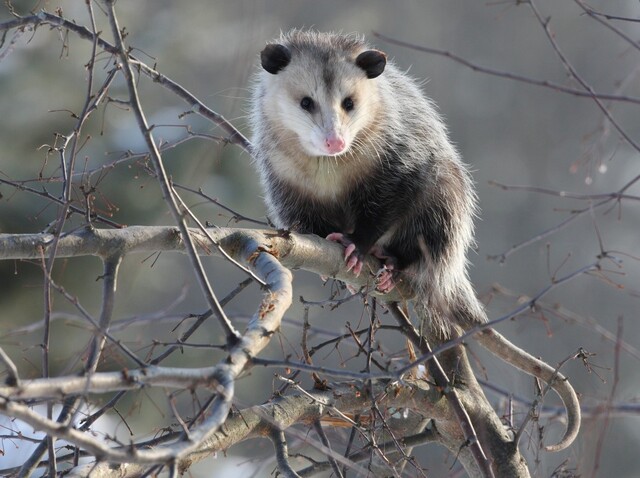
Opossum
Didelphinae
Opossum (scientific name Didelphinae, English name: Opossum) is a general term for mammals of the family Opossum in the order Poss···
Explore mammals from tiny bats and rodents to primates, carnivores, ungulates, whales, and elephants. Each profile connects core facts with habitat, lifespan, traits, and conservation information.

Use these shortcuts to move into more specific animal groups.
Rodents are an order of mammals. They have only one pair of incisors in the upper and lower jaws and like to gnaw on hard objects. Rodents are generally small, most of them are active at night or at dawn and dusk, and many species have strong reproductive capacity. Rodents account for about 40% to 50% of mammals. They can be said to be the most successful branch in the evolution of vertebrates. The number of individuals far exceeds the total number of all other groups. They are almost everywhere in the world except Antarctica and a few islands.
I. Introduction to Rodentia
1. General Characteristics:
Specialized Incisors: Rodents are characterized by a single pair of continuously growing, chisel-shaped incisors in both the upper and lower jaws. The enamel is typically only present on the front surface, keeping the edge sharp through the animal’s gnawing activities.
Reduced Dentition: Between the incisors and cheek teeth (premolars and molars), there is a conspicuous toothless gap (diastema). No canine teeth are present.
Dietary Diversity: Most rodents are herbivorous or omnivorous, feeding on seeds, nuts, fruits, leaves, and sometimes insects.
Global Distribution: Rodents are found almost everywhere on Earth except Antarctica, inhabiting a broad range of environments—from cold tundra to tropical rainforests, deserts, and grasslands.
2. Diversity and Abundance:
Rodentia is the largest order of mammals, comprising about 40% of all mammalian species. Over 2,500 rodent species have been described, illustrating their remarkable evolutionary success and adaptive radiation.
II. Evolutionary History
1. Origins and Fossil Record:
Rodents likely originated in the late Paleocene to early Eocene (approximately 56 million years ago). Early fossil rodents appear around the same time as early primates.
The Eocene saw the initial diversification and geographic spread of rodents.
2. Geographic Radiation:
Rodents dispersed across continents via land bridges and continental drift. Over millions of years, they adapted to diverse habitats, leading to remarkable variety: from burrowing naked mole-rats in Africa to tree-dwelling squirrels, semi-aquatic beavers, and jumping jerboas in arid regions.
3. Paleogene and Neogene Proliferation:
By the Oligocene and Miocene, many modern rodent families had emerged, setting the stage for today’s global distribution and immense diversity.
III. Classification Overview
The taxonomy of Rodentia is complex and continually refined. The traditional classification relies heavily on jaw and skull morphology and muscular arrangements. Below is a commonly referenced framework, which may differ slightly from more recent molecular-based classifications. It includes major suborders and families, with some representative genera or species.
| Suborder | Superfamily | Family | Representative Genera/Species |
|---|---|---|---|
| Sciuromorpha | - | Aplodontiidae (Sewellel) | Mountain beaver (Aplodontia rufa) |
| - | Sciuridae (Squirrels) | Squirrels (Sciurus), Chipmunks (Tamias), Marmots (Marmota) | |
| - | Gliridae/Myoxidae (Dormice) | Garden dormouse (Eliomys), Forest dormouse (Dryomys) | |
| Castorimorpha | - | Castoridae (Beavers) | North American beaver (Castor canadensis), Eurasian beaver (Castor fiber) |
| - | Geomyidae (Pocket gophers) | Geomys, Thomomys | |
| - | Heteromyidae (Kangaroo rats & relatives) | Kangaroo rats (Dipodomys), Pocket mice (Perognathus) | |
| Anomaluromorpha | - | Anomaluridae (Scaly-tailed squirrels) | Scaly-tailed flying squirrels (Anomalurus) |
| - | Pedetidae (Springhares) | Springhare (Pedetes capensis) | |
| Myomorpha | Dipodoidea (Jerboas & allies) | Dipodidae (Jerboas) | Jerboas (Jaculus), Birch mice (Sicista) |
| Muroidea (Mice, Rats, Hamsters, Voles) | Platacanthomyidae (Spiny dormice) | Spiny dormice (Platacanthomys) | |
| Spalacidae (Mole-rats, Bamboo rats) | Blind mole-rats (Spalax), Bamboo rats (Rhizomys) | ||
| Calomyscidae (Mouse-like hamsters) | Mouse-like hamsters (Calomyscus) | ||
| Nesomyidae (African rodents) | African giant pouched rats (Cricetomys), Rock mice (Petromyscus) | ||
| Cricetidae (Hamsters, New World voles & mice) | Golden hamster (Mesocricetus auratus), Deer mouse (Peromyscus), Vole (Microtus) | ||
| Muridae (True mice, rats, gerbils) | House mouse (Mus musculus), Brown rat (Rattus norvegicus) | ||
| Hystricomorpha | - | Ctenodactylidae (Gundis) | Gundi (Ctenodactylus) |
| - | Diatomyidae (Laotian rock rat) | Laotian rock rat (Laonastes aenigmamus) | |
| - | Bathyergidae (African mole-rats) | Naked mole-rat (Heterocephalus glaber) | |
| - | Hystricidae (Old World porcupines) | African porcupine (Hystrix), Indian porcupine (Hystrix indica) | |
| - | Petromuridae (Dassie rat) | Dassie rat (Petromus) | |
| - | Thryonomyidae (Cane rats) | Cane rat (Thryonomys swinderianus) | |
| - | Erethizontidae (New World porcupines) | North American porcupine (Erethizon dorsatum) | |
| - | Chinchillidae (Chinchillas & viscachas) | Chinchilla (Chinchilla), Viscacha (Lagidium) | |
| - | Dinomyidae (Pacarana) | Pacarana (Dinomys branickii) | |
| - | Caviidae (Guinea pigs, Capybaras) | Guinea pig (Cavia), Capybara (Hydrochoerus hydrochaeris) | |
| - | Dasyproctidae (Agoutis) | Agouti (Dasyprocta) | |
| - | Cuniculidae (Pacas) | Paca (Cuniculus paca) | |
| - | Ctenomyidae (Tuco-tucos) | Tuco-tucos (Ctenomys) | |
| - | Octodontidae (Degus and allies) | Degu (Octodon), Coruro (Spalacopus) | |
| - | Abrocomidae (Chinchilla rats) | Abrocoma (Chinchilla rat) | |
| - | Echimyidae (Spiny rats) | Spiny rats (Echimys), Spiny mice (Proechimys) | |
| - | Myocastoridae (Nutria) | Nutria (Myocastor coypus) | |
| - | Capromyidae (Hutias) | Hutias (Capromys, Geocapromys) |
IV. Summary
Rodents exemplify one of the most successful mammalian radiations, showcasing extensive ecological and morphological diversity. Originating in the Paleocene-Eocene, they spread worldwide, occupying niches from subterranean habitats (mole-rats) to arboreal canopies (squirrels), from aquatic environments (beavers) to grassland ecosystems (marmots, prairie dogs). Their unparalleled adaptability, prolific reproduction, and dental specialization have secured their dominant position as the most species-rich order of mammals.
Search the animals shown on this page or narrow them by IUCN conservation code.
LC
Didelphinae
Opossum (scientific name Didelphinae, English name: Opossum) is a general term for mammals of the family Opossum in the order Poss···
 EN
EN
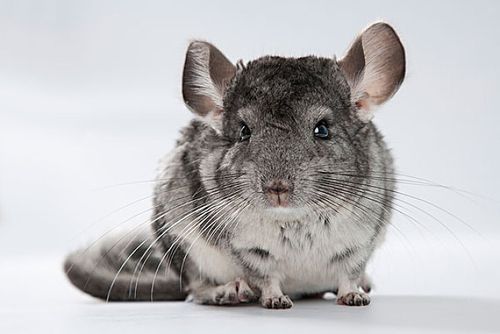
Chinchilladale,Chinchilla,South American Chinchilla, Woolly Mouse
Chinchilla, also known as chinchilla, chinchilla, chinchilla, woolly mouse, chinchilla, etc., is a common name for a small rodent ···
 LC
LC
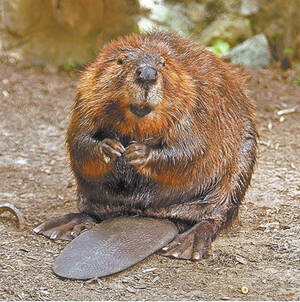
Aplodontia rufa,Mountain Beaver
The Mountain Beaver (Aplodontia rufa) has seven subspecies.Mountain beavers live in burrows like most other rodents and have a goo···
 LC
LC
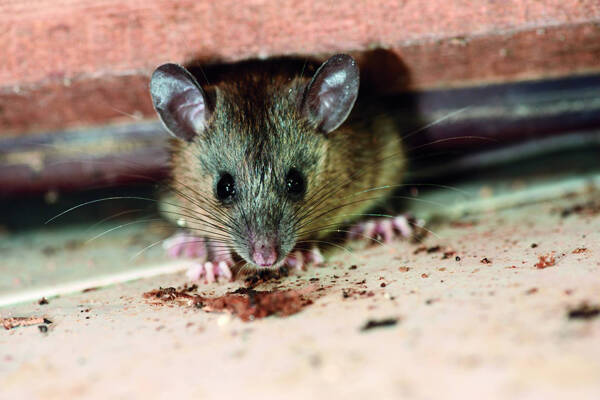
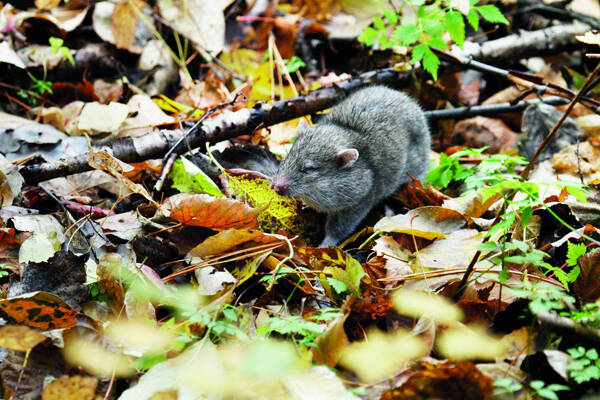
Niviventer coxingi,Niviventer culturatus,Coxing
The taxonomic status of this species is stable and there is little controversy. It is distributed in tropical evergreen broad-leav···
 LC
LC
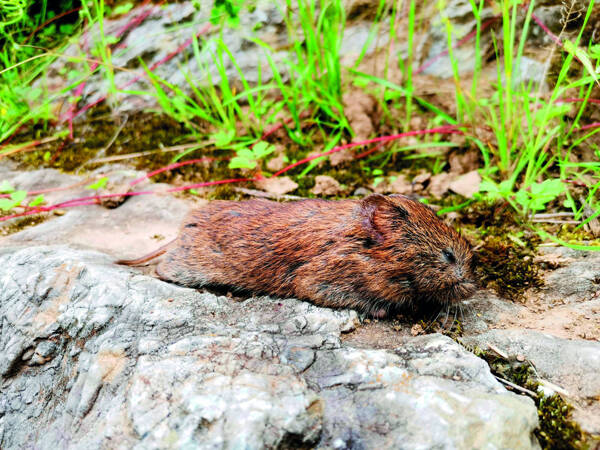
Cricetulus triton,Grey hamster
The status of the giant hamster species is stable, and there are some differences in the genus it belongs to. Some scientists rega···
 LC
LC
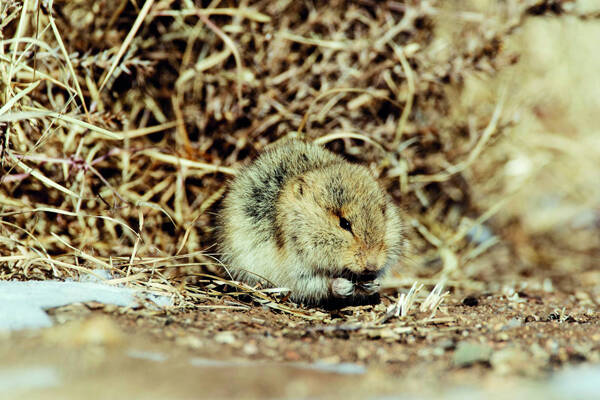
Proedromys bedfordi,Arvicolinae
The species status is stable, but the genus status is somewhat controversial. It was first named as the genus Microtus. Some peopl···
 LC
LC
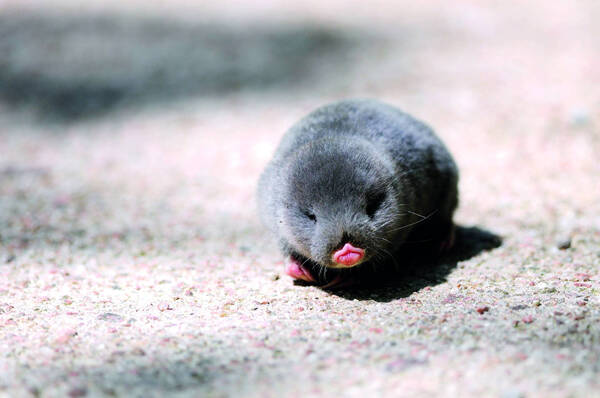
Lasiopodomys brandtii,Sand vole, prairie vole, Blanche vole, Brandt's vole
The status of Brandt's vole species is stable, but there has been a long-standing debate about which genus it belongs to. Some···
 LC
LC
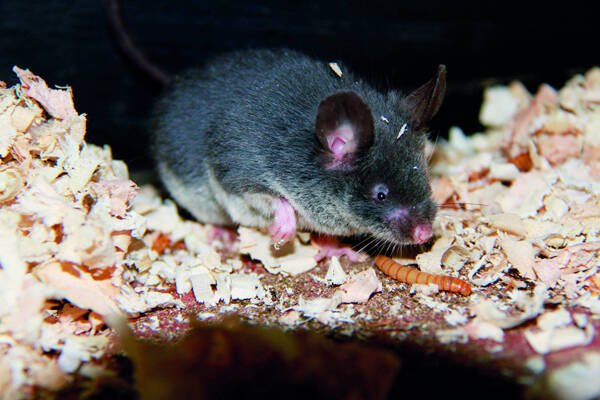
Eospalax rothschildi,Southern zokor, ground mouse
The species status of Roth's zokor is stable, but the genus status is controversial. Sometimes the species is placed in the ge···
 LC
LC
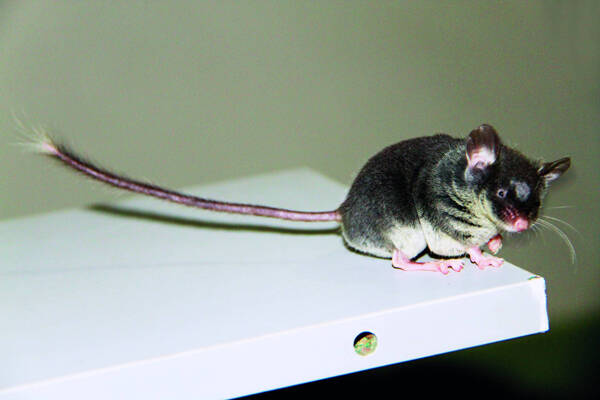
Typhlomys nanus,Gray blind mouse
The pig-tailed rat is a new species published by Cheng Bin et al. of Kunming Institute of Zoology in 2017. It was found in the sec···
 LC
LC
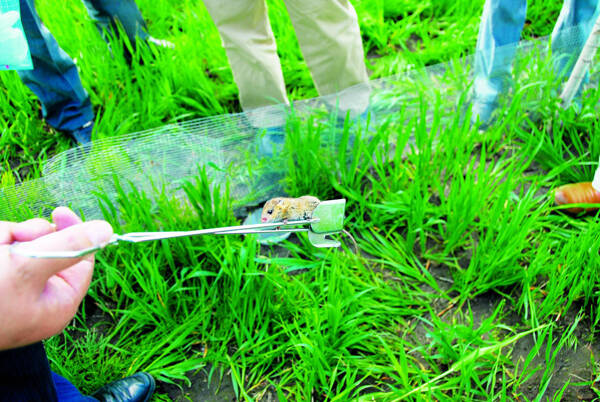
Pigtail rat,Wuyishan tailed rat, pig tailed rat, gray blind rat, blind rat
The genus-level and species-level taxonomic units of the Chinese pig-tailed rat are very stable and undisputed. The more controver···
 LC
LC
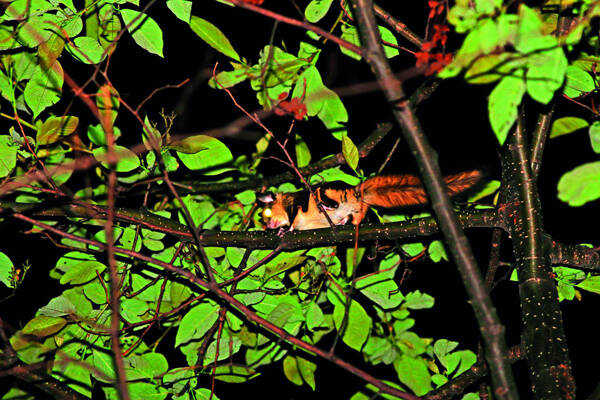
Sicista concolor,Small rat, rat, Chinese rat
The Chinese scissorium belongs to the subfamily Sicidinae of the family Jerboa. There are 13 species in the subfamily worldwide, 4···
 LC
LC
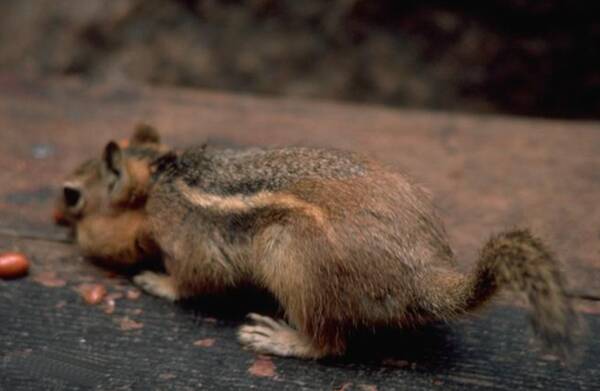
Hylopetes alboniger, black and white flying squirrel, arrow-tailed black and white flying squirrel
The black-and-white flying squirrel is a small flying squirrel in southern China. The adult is less than 250 mm long. It is active···
 LC
LC
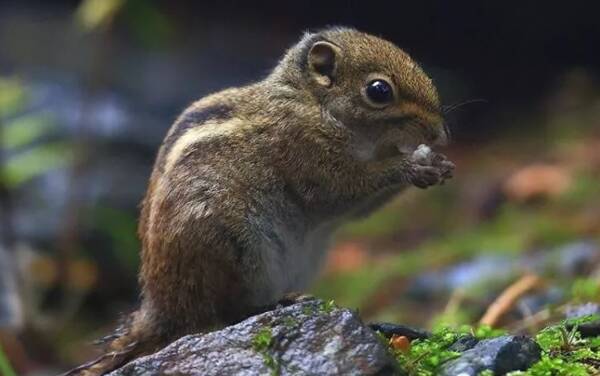
Sciurotamias forresti,White-lined rock squirrel, White-throated rock squirrel, Forster's rock squirrel, Forster's rock squirrel
The body size of the side-striped rock squirrel is similar to that of the rock squirrel. It lives in rocky mountainous areas. It l···
 LC
LC
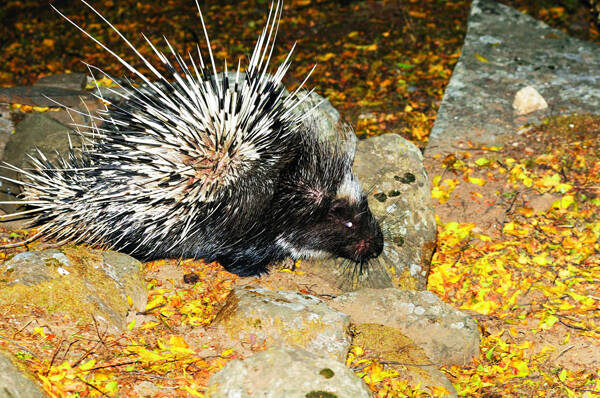
Menetes berdmorei,Multi-lined squirrel, line squirrel
There are six species of animals in the Sciuridae family, three species of squirrels and three species of flying squirrels, namely···
 LC
LC
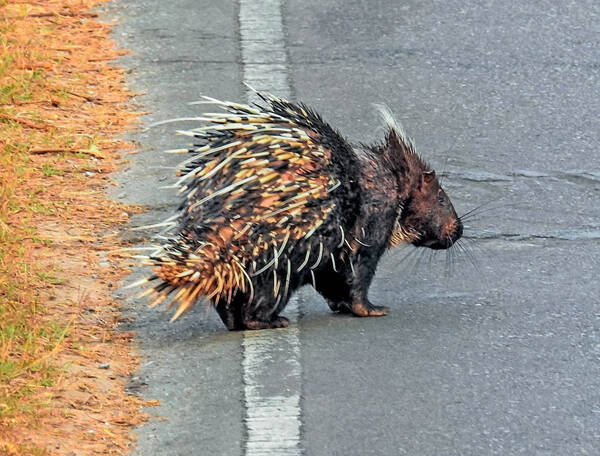
Alex Gentry,Porcupine, Chinese porcupine,Hystricomorpha,
Porcupine is also called Chinese porcupine. There are 8 species in the genus Porcupine, which are widely distributed in Europe, As···
 LC
LC
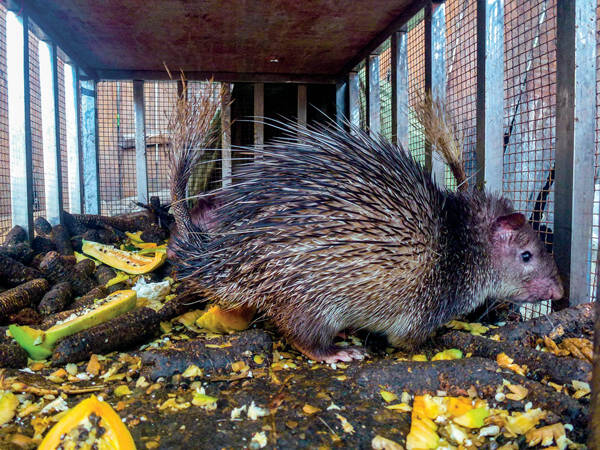
Hystrix brachyura
The Malayan porcupine is the earliest species named in the genus Porcupine. Previously, there were as many as 11 subspecies or syn···
 LC
LC
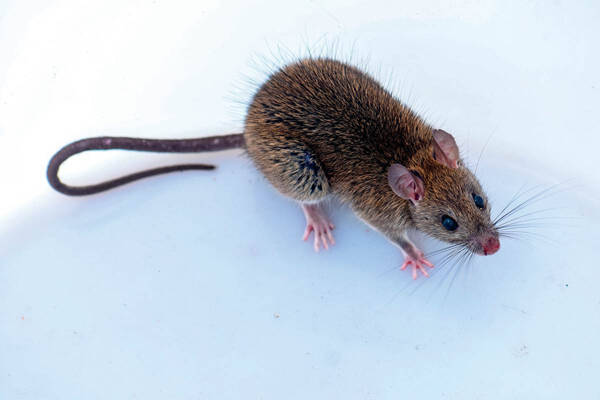
Atherurus macrourus,Brush-tailed porcupine, Asian brush-tailed porcupine, Asian brush-tailed porcupine
There are 4 genera and more than 20 species in the porcupine family worldwide. It is a special type of rodent. There are 4 species···
 LC
LC
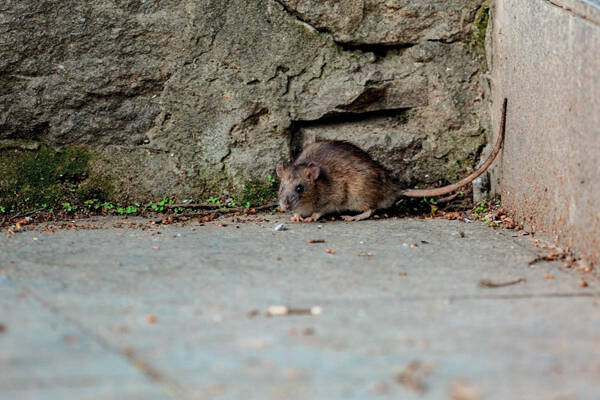
Rattus flavipectus,Yellow-bellied rat, Long-tailed rat
The yellow-breasted rat belongs to the Murinae subfamily. The scientific name of the yellow-breasted rat is very confusing, and it···
 LC
LC
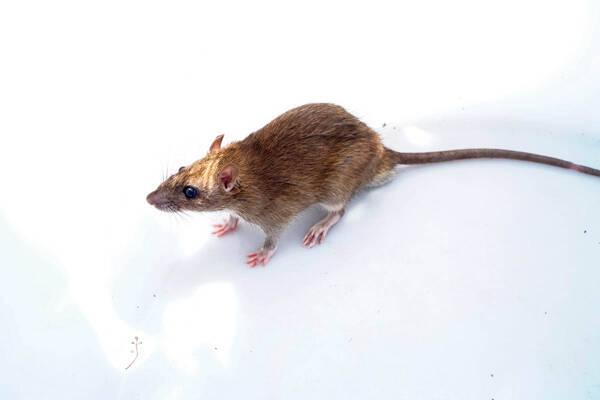
Rattus norvegicus,Brown rat, rat, white-tailed rat, dung rat, dung rat
Brown rats belong to the subfamily Murinae. The species-level classification status is stable, but there are many synonyms and sub···
 LC
LC
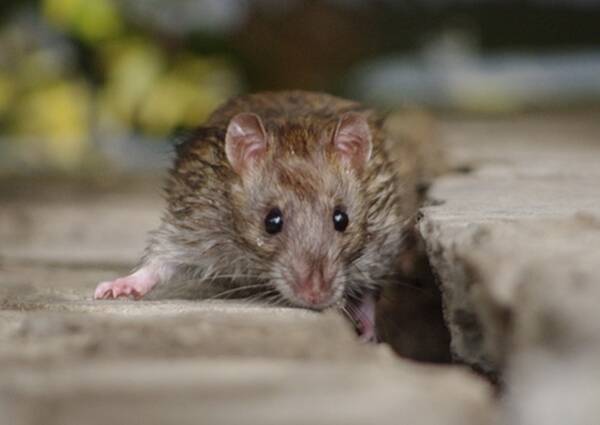
Rattus nitidus,Gray-breasted rat, water rat
Big-footed rats belong to the Murinae subfamily. The species status is stable, but there are many synonyms, and there are great di···
 LC
LC
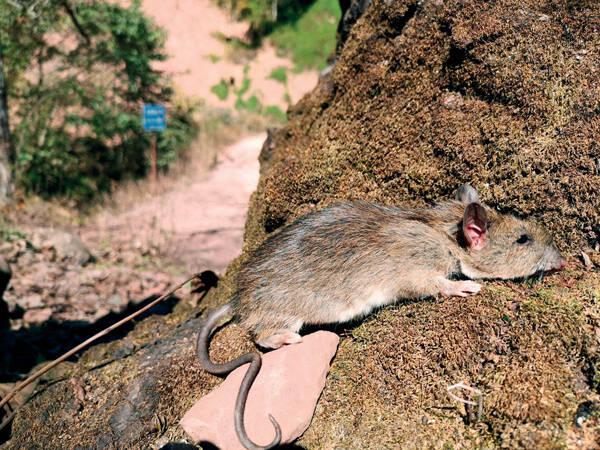
Rattus losea,Rosset, field mouse, garden mouse, yellow mouse, yellow-haired mouse
The yellow-haired rat belongs to the Murinae subfamily. The type origin of this species is Taiwan, my country. The species-level c···
 LC
LC
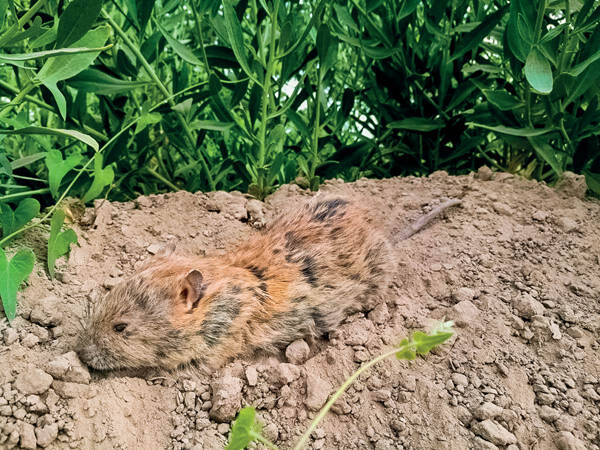
Rattus andamanensis
The black-margined rat belongs to the Murinae subfamily. This species was previously considered a synonym of the black house rat (···
 LC
LC
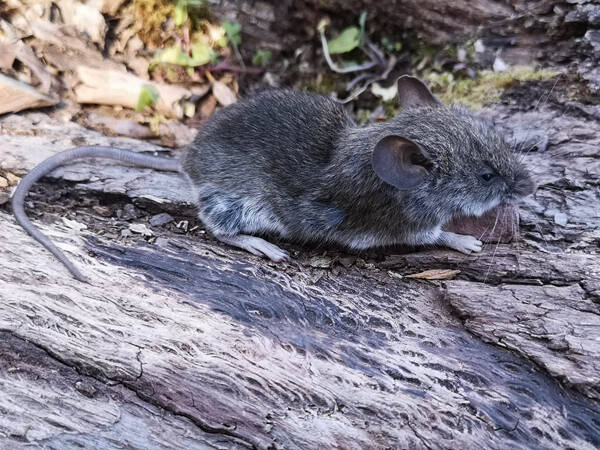
Nesokia indica
The Indian ground mouse belongs to the genus Nesokia of the subfamily Murinae. There are 2 species in the world and 1 species in C···
 LC
LC
Mus pahari
The taxonomic status of Sikkim mice is stable and there is little controversy. There are many subspecies, few studies on subspecie···