Skip to content
Animals Top
Home>Animals>Mammal>Rodents
Mammal Directory

Mammals

Explore mammals from tiny bats and rodents to primates, carnivores, ungulates, whales, and elephants. Each profile connects core facts with habitat, lifespan, traits, and conservation information.

Scientific names IUCN status Lifespan
Numbat
Explore more

Browse Mammal Groups

Use these shortcuts to move into more specific animal groups.

Rodents

Rodents are an order of mammals. They have only one pair of incisors in the upper and lower jaws and like to gnaw on hard objects. Rodents are generally small, most of them are active at night or at dawn and dusk, and many species have strong reproductive capacity. Rodents account for about 40% to 50% of mammals. They can be said to be the most successful branch in the evolution of vertebrates. The number of individuals far exceeds the total number of all other groups. They are almost everywhere in the world except Antarctica and a few islands.


I. Introduction to Rodentia

1. General Characteristics:

  • Specialized Incisors: Rodents are characterized by a single pair of continuously growing, chisel-shaped incisors in both the upper and lower jaws. The enamel is typically only present on the front surface, keeping the edge sharp through the animal’s gnawing activities.

  • Reduced Dentition: Between the incisors and cheek teeth (premolars and molars), there is a conspicuous toothless gap (diastema). No canine teeth are present.

  • Dietary Diversity: Most rodents are herbivorous or omnivorous, feeding on seeds, nuts, fruits, leaves, and sometimes insects.

  • Global Distribution: Rodents are found almost everywhere on Earth except Antarctica, inhabiting a broad range of environments—from cold tundra to tropical rainforests, deserts, and grasslands.

2. Diversity and Abundance:

  • Rodentia is the largest order of mammals, comprising about 40% of all mammalian species. Over 2,500 rodent species have been described, illustrating their remarkable evolutionary success and adaptive radiation.


II. Evolutionary History

1. Origins and Fossil Record:

  • Rodents likely originated in the late Paleocene to early Eocene (approximately 56 million years ago). Early fossil rodents appear around the same time as early primates.

  • The Eocene saw the initial diversification and geographic spread of rodents.

2. Geographic Radiation:

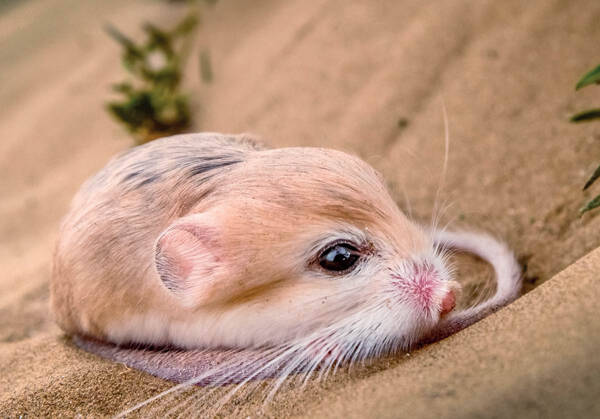
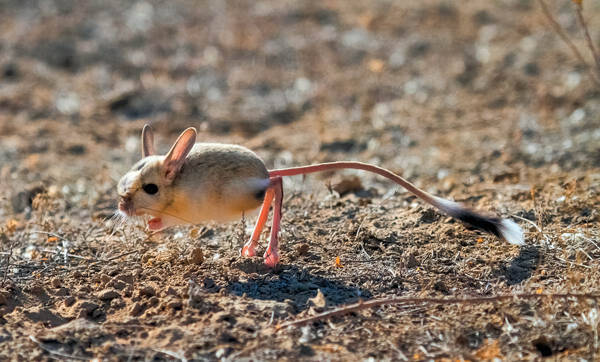
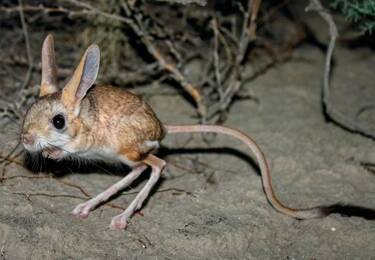
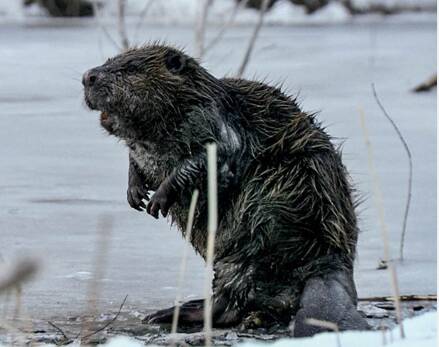
  • Rodents dispersed across continents via land bridges and continental drift. Over millions of years, they adapted to diverse habitats, leading to remarkable variety: from burrowing naked mole-rats in Africa to tree-dwelling squirrels, semi-aquatic beavers, and jumping jerboas in arid regions.

3. Paleogene and Neogene Proliferation:

  • By the Oligocene and Miocene, many modern rodent families had emerged, setting the stage for today’s global distribution and immense diversity.


III. Classification Overview

The taxonomy of Rodentia is complex and continually refined. The traditional classification relies heavily on jaw and skull morphology and muscular arrangements. Below is a commonly referenced framework, which may differ slightly from more recent molecular-based classifications. It includes major suborders and families, with some representative genera or species.

Order Rodentia

SuborderSuperfamilyFamilyRepresentative Genera/Species
Sciuromorpha-Aplodontiidae (Sewellel)Mountain beaver (Aplodontia rufa)

-Sciuridae (Squirrels)Squirrels (Sciurus), Chipmunks (Tamias), Marmots (Marmota)

-Gliridae/Myoxidae (Dormice)Garden dormouse (Eliomys), Forest dormouse (Dryomys)
Castorimorpha-Castoridae (Beavers)North American beaver (Castor canadensis), Eurasian beaver (Castor fiber)

-Geomyidae (Pocket gophers)Geomys, Thomomys

-Heteromyidae (Kangaroo rats & relatives)Kangaroo rats (Dipodomys), Pocket mice (Perognathus)
Anomaluromorpha-Anomaluridae (Scaly-tailed squirrels)Scaly-tailed flying squirrels (Anomalurus)

-Pedetidae (Springhares)Springhare (Pedetes capensis)
MyomorphaDipodoidea (Jerboas & allies)Dipodidae (Jerboas)Jerboas (Jaculus), Birch mice (Sicista)

Muroidea (Mice, Rats, Hamsters, Voles)Platacanthomyidae (Spiny dormice)Spiny dormice (Platacanthomys)


Spalacidae (Mole-rats, Bamboo rats)Blind mole-rats (Spalax), Bamboo rats (Rhizomys)


Calomyscidae (Mouse-like hamsters)Mouse-like hamsters (Calomyscus)


Nesomyidae (African rodents)African giant pouched rats (Cricetomys), Rock mice (Petromyscus)


Cricetidae (Hamsters, New World voles & mice)Golden hamster (Mesocricetus auratus), Deer mouse (Peromyscus), Vole (Microtus)


Muridae (True mice, rats, gerbils)House mouse (Mus musculus), Brown rat (Rattus norvegicus)
Hystricomorpha-Ctenodactylidae (Gundis)Gundi (Ctenodactylus)

-Diatomyidae (Laotian rock rat)Laotian rock rat (Laonastes aenigmamus)

-Bathyergidae (African mole-rats)Naked mole-rat (Heterocephalus glaber)

-Hystricidae (Old World porcupines)African porcupine (Hystrix), Indian porcupine (Hystrix indica)

-Petromuridae (Dassie rat)Dassie rat (Petromus)

-Thryonomyidae (Cane rats)Cane rat (Thryonomys swinderianus)

-Erethizontidae (New World porcupines)North American porcupine (Erethizon dorsatum)

-Chinchillidae (Chinchillas & viscachas)Chinchilla (Chinchilla), Viscacha (Lagidium)

-Dinomyidae (Pacarana)Pacarana (Dinomys branickii)

-Caviidae (Guinea pigs, Capybaras)Guinea pig (Cavia), Capybara (Hydrochoerus hydrochaeris)

-Dasyproctidae (Agoutis)Agouti (Dasyprocta)

-Cuniculidae (Pacas)Paca (Cuniculus paca)

-Ctenomyidae (Tuco-tucos)Tuco-tucos (Ctenomys)

-Octodontidae (Degus and allies)Degu (Octodon), Coruro (Spalacopus)

-Abrocomidae (Chinchilla rats)Abrocoma (Chinchilla rat)

-Echimyidae (Spiny rats)Spiny rats (Echimys), Spiny mice (Proechimys)

-Myocastoridae (Nutria)Nutria (Myocastor coypus)

-Capromyidae (Hutias)Hutias (Capromys, Geocapromys)

IV. Summary

Rodents exemplify one of the most successful mammalian radiations, showcasing extensive ecological and morphological diversity. Originating in the Paleocene-Eocene, they spread worldwide, occupying niches from subterranean habitats (mole-rats) to arboreal canopies (squirrels), from aquatic environments (beavers) to grassland ecosystems (marmots, prairie dogs). Their unparalleled adaptability, prolific reproduction, and dental specialization have secured their dominant position as the most species-rich order of mammals.

Advertisement
Species directory

Browse Mammals

Search the animals shown on this page or narrow them by IUCN conservation code.

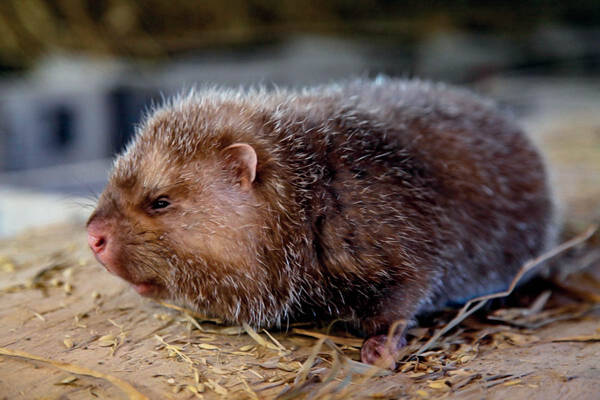
Rhizomys sinensis GrayLC

Rhizomys sinensis Gray

Rhizomys sinensis Gray, bamboo rat, bamboo pig, bamboo civet, bamboo civet, bamboo weasel, reed rat, reed rat

Rodents

Like the silver-star bamboo rat, the Chinese bamboo rat is also a member of the subfamily Rhizomyinae. It lives underground for li···

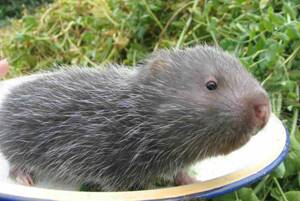
Rhizomys pruinosusLC

Rhizomys pruinosus

Rhizomys pruinosus,Rhizomys latouchei, white bamboo rat, rough-haired bamboo rat, bamboo rat, Tulun

Rodents4-5years

Silver-star bamboo rat belongs to the subfamily Rhizomyinae. In terms of classification, there is no dispute about the species-lev···

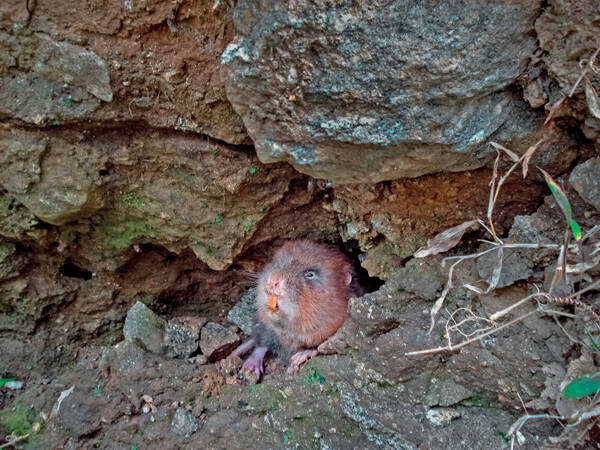
badiusLC

badius

badius,Muscicapus, bamboo rat, winter rat, muscicapus, hog rat, bamboo civet, etc.

Rodents

The bamboo rat belongs to the subfamily Rhizomyinae. There is only one species of the genus Rhizomyinae in the world. There is no ···

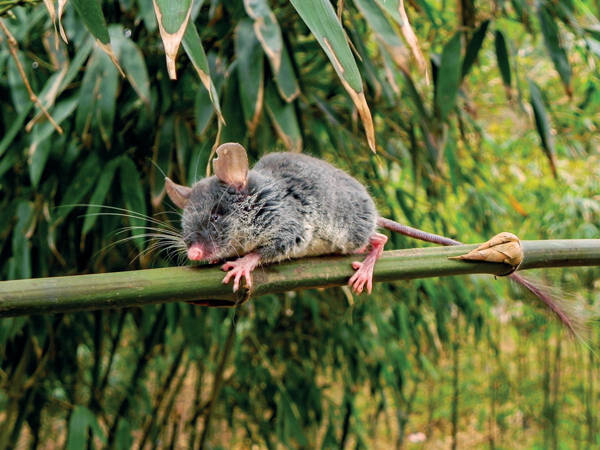
Typhlomys macrourus ZhengLC

Typhlomys macrourus Zheng

Typhlomys macrourus Zheng,1993

Rodents

The giant pig-tailed rat belongs to the Platacanthomyidae family, a very unique and ancient family. There are only 2 genera and 6 ···

Sicista tianschanicaLC

Sicista tianschanica

Sicista tianschanica,Sicista concolor,Rat

Rodents

Tianshan scissorium belongs to the subfamily Sicistinae, with only one genus - sicissorium (<Sicista>), with a total of 13 s···

Eozapus setchuanusLC

Eozapus setchuanus

Eozapus setchuanus,,Forest jerboa, forest jerboa, forest jerboa

Rodents

The Sichuan forest jerboa belongs to the subfamily Zapodidae, which has only one species: the Sichuan forest jerboa. This species ···

Euchoreutes nasoLC

Euchoreutes naso

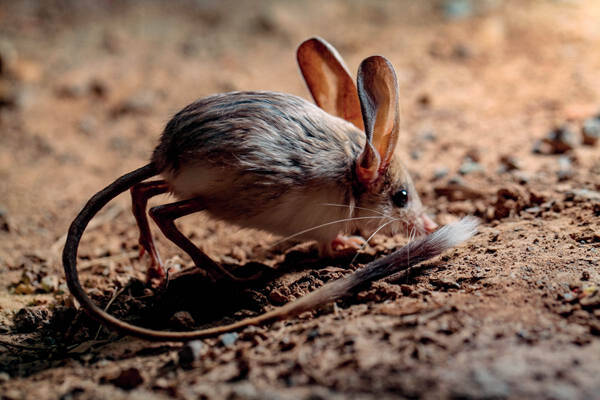
Euchoreutes naso,Long-eared Jerboa,

Rodents

The long-eared jerboa belongs to the subfamily Euchoreutinae, a single genus and a single species. There is no dispute about its t···

Dipus sagittaLC

Dipus sagitta

Dipus sagitta,Northern Three-toed Jerboa,Hairy-footed jerboa, gerbil, jumping rabbit, Yelaben (Mongolian)

Rodents

The three-toed jerboa belongs to the subfamily Dipodinae. This species is widely distributed in China, adapted to deserts, arid an···

Salpingotus kozloviLC

Salpingotus kozlovi

Salpingotus kozlovi,

Rodents

The three-toed cardiocraniinae belongs to the subfamily Cardiocraniinae. Although this species is widely distributed, its number i···

Salpingotus crassicauda VinogradovLC

Salpingotus crassicauda Vinogradov

Salpingotus crassicauda Vinogradov,Fat-tailed jerboa

Rodents

The fat-tailed cardiocraniinae belongs to the subfamily Cardiocraniinae. There are 6 species in the genus Cardiocraniinae, 2 of wh···

Little gopherLC

Little gopher

Little gopher, hamsters, gophers

Rodents

The ground squirrel belongs to the Allactaginae subfamily. There are 3 species in the world, and only 1 in China. The number is re···

Allactaga elaterLC

Allactaga elater

Allactaga elater,Jerboa, jumping rabbit, donkey jump, hard jump

Rodents

The small five-toed jerboa belongs to the subfamily Allactaginae. Jerboas are distributed in deserts and arid areas in North Afric···

Allactaga sibiricaLC

Allactaga sibirica

Allactaga sibirica,Mongolian five-toed Jerboa,Five-toed jumping rabbit, jumping rabbit, jumping mouse

Rodents

Five-toed jerboas belong to the Allactaginae subfamily. The species-level classification of five-toed jerboas is stable, and the s···

CastorLC

Castor

Castor,Beaver, nutria

Rodents

There are only two species of beavers in the world. The other is the American beaver, which is distributed in Canada and Alaska, U···

Dryomys nitedulaLC

Dryomys nitedula

Dryomys nitedula,Dormouse,Dyromys milleri,Mus nitedula Pallas,Eliomys angelus

Rodents

There are 9 genera and 28 species of forest dormouse in the world. They belong to 3 subfamilies. There are 2 genera and 2 species ···

Aeretes melanopterusLC

Aeretes melanopterus

Aeretes melanopterus,North Chinese flying squirrel,Black-winged flying squirrel

Rodents

Grooved-toothed flying squirrels like to build nests in tree holes of tall trees. The nests are built in dead tree holes, with the···

Pteromys volansLC

Pteromys volans

Pteromys volans,Siberian Flying Squirrel,Flying squirrel, flying squirrel, flying tiger, small flying squirrel

Rodents

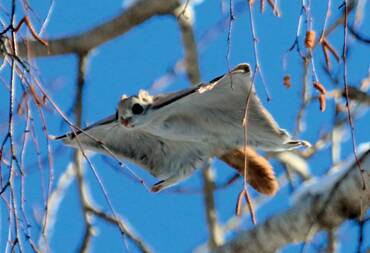
Flying squirrels do not hibernate. They are nocturnal and are active after dusk, but can occasionally be seen during the day. When···

Petaurista xanthotisLC

Petaurista xanthotis

Petaurista xanthotis , Highland Flying Squirrel, Yellow-eared Flying Squirrel

Rodents

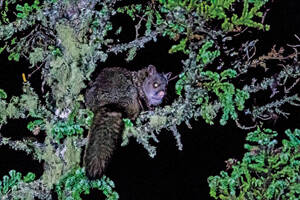
Gray flying squirrels are nocturnal and active at dawn and dusk. They live in subalpine coniferous forests or mixed coniferous and···

Petaurista albiventerLC

Petaurista albiventer

Petaurista albiventer,Brown-footed flying squirrel, red-backed flying squirrel, flying fox, flying mouse

Rodents

The chestnut-backed flying squirrel is a species of Chinese flying squirrel. The chestnut-backed flying squirrel, also known as th···

Petaurista magnificusLC

Petaurista magnificus

Petaurista magnificus,Magnificent Flying Squirrel,Beautiful flying squirrel, Beautiful flying squirrel, Hao's flying squirrel

Rodents

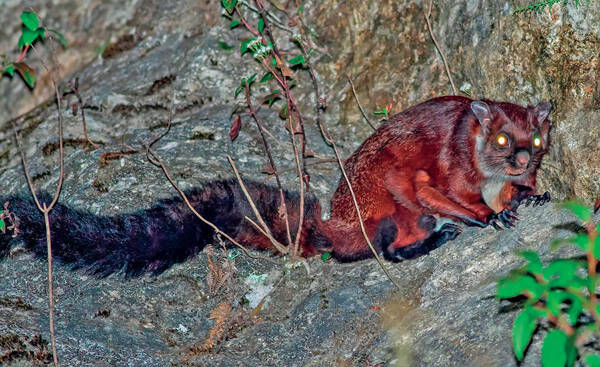
The chestnut brown flying squirrel mainly lives in the mountain evergreen broad-leaved forest belt below 2500m above sea level, wh···

Petaurista canicepsLC

Petaurista caniceps

Petaurista caniceps, small flying squirrel, small flying squirrel, flying squirrel, flying tiger

Rodents

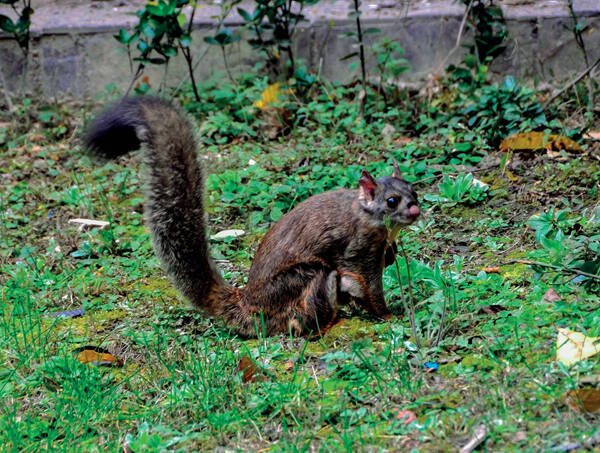
The gray-headed flying squirrel is medium-sized, arboreal, and usually moves alone. It is a nocturnal animal, spending most of its···

Petaurista alborufusLC

Petaurista alborufus

Petaurista alborufus,Red-and-white Giant,Flying fox, pine cat, white-faced flying squirrel, white-headed flying squirrel, white-fronted flying squirrel

Rodents7-10years

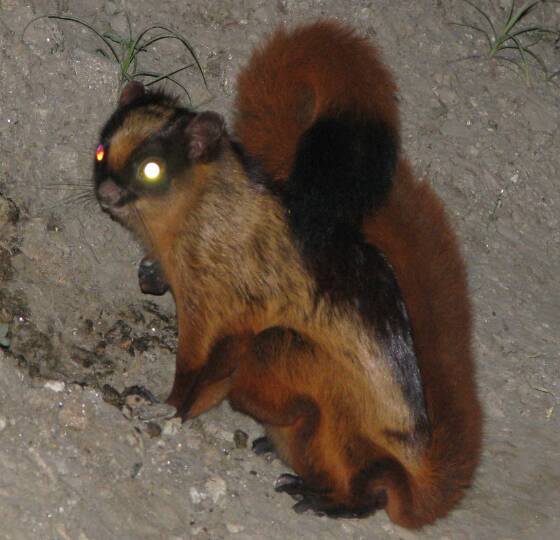
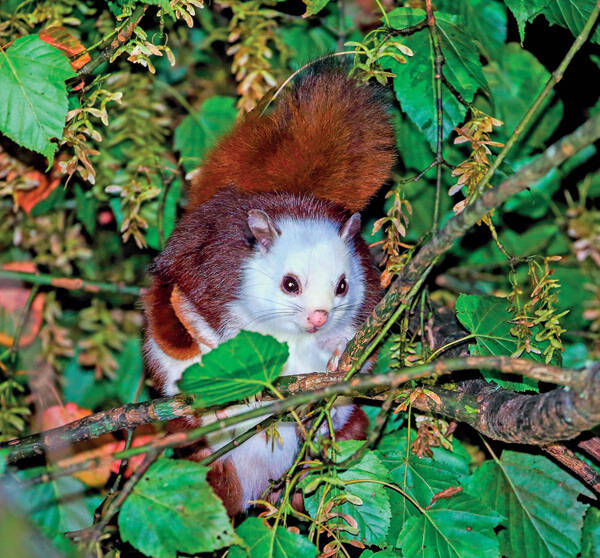
Red and white flying squirrels are large flying squirrels with a body shape very similar to that of squirrels. They live in forest···

Trogopterus xanthipesLC

Trogopterus xanthipes

Trogopterus xanthipes,Orange-footed flying squirrel, yellow-footed flying squirrel, cuckoo bird, cuckoo bug, cuckoo bug, magpie

Rodents10+ years

The flying squirrel is a forest animal endemic to China. It is slightly larger than the red-bellied squirrel and lives mostly in m···

Belomys pearsonii GrayLC

Belomys pearsonii Gray

Belomys pearsonii Gray,Hairy-footed Flying Squirrel,Brown-eared mouse, hairy-legged mouse

Rodents10-15years

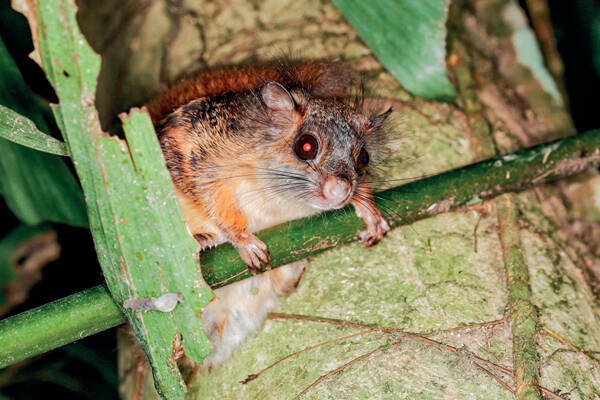
The hairy-eared flying squirrel is a tropical small flying squirrel that usually lives in pairs at night and does not hibernate. I···

No matching animals on this page.
Advertisement