Not all hummingbirds are endangered, but several rare and highly specialized species are at serious risk of disappearing. Many endangered hummingbirds are threatened by habitat loss, deforestation, climate change, pesticide use, invasive species, loss of native flowers, and human disturbance. Because hummingbirds depend heavily on nectar-producing plants and specific habitats, even small environmental changes can have a big impact on their survival.
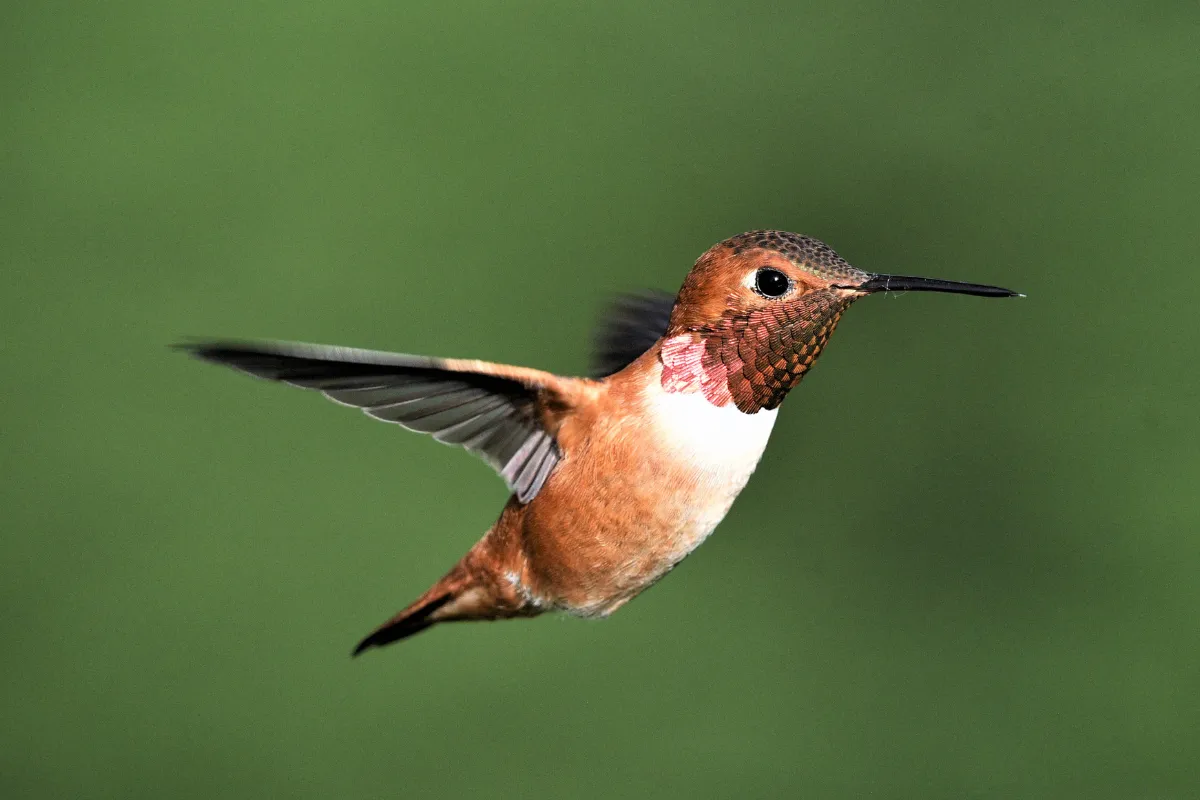
Hummingbirds are tiny, fast-flying birds found only in the Americas. They belong to the order Apodiformes, the same broad order that includes swifts. Their legs are extremely small, so they are not built for walking like many other birds. Instead, they are specialists of flight, capable of hovering, flying backward, and darting quickly between flowers.
These birds are famous for their iridescent feathers, rapid wingbeats, and incredible energy needs. To fuel their high metabolism, hummingbirds visit many flowers each day and drink nectar rich in sugar. In the process, they carry pollen from flower to flower, making them important pollinators in forests, gardens, mountains, mangroves, dry valleys, and tropical ecosystems.
However, some hummingbirds are now in danger because the plants and habitats they depend on are being destroyed. Species with small ranges, specialized diets, or limited breeding areas are especially vulnerable. When a single forest, valley, mangrove zone, or mountain slope is altered, an entire hummingbird population can be placed at risk.
Endangered Hummingbirds at a Glance
| Species | Scientific Name | Region | Conservation Concern | Main Threats |
|---|---|---|---|---|
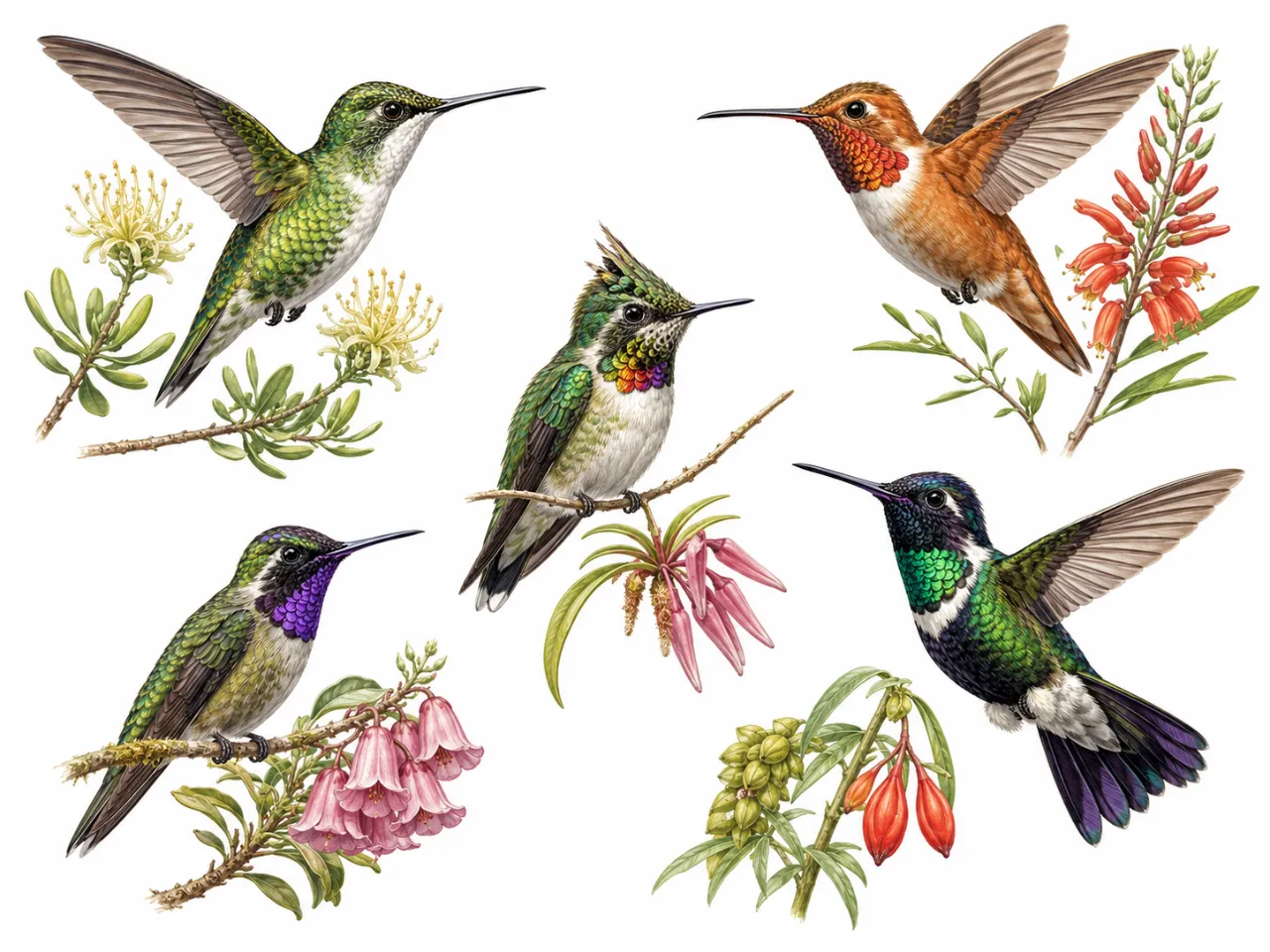
| Mangrove Hummingbird | Chrysuronia boucardi | Pacific coast of Costa Rica | Endangered | Mangrove loss, shrimp farming, charcoal production, hydrological changes |
| Rufous Hummingbird | Selasphorus rufus | Western North America and Mexico | Near threatened | Climate change, habitat loss, changes in flowering patterns |
| Short-crested Coquette | Lophornis brachylophus | Guerrero, Mexico | Critically endangered | Deforestation, agriculture, extremely small range |
| Chilean Woodstar | Eulidia yarrellii | Northern Chile | Critically endangered | Native vegetation loss, agriculture, habitat degradation |
| Black-breasted Puffleg | Eriocnemis nigrivestis | Cloud forests of Ecuador | Critically endangered | Cloud forest destruction, charcoal production, livestock, agriculture, climate change |
Are Hummingbirds Endangered?
Most hummingbird species are not currently on the edge of extinction, but a meaningful number are threatened or declining. The highest-risk species are usually those with very small ranges, specialized habitat needs, or dependence on specific flowering plants. Island-like habitats, isolated valleys, cloud forests, mangroves, and mountain ecosystems can be especially fragile.
Common hummingbirds may still be seen in gardens and parks, but that does not mean all hummingbirds are secure. A species that lives across a wide region can be relatively stable, while another species restricted to a few forest patches may be critically endangered. Conservation status depends not only on how beautiful or visible a bird is, but on population size, decline rate, habitat quality, and future threats.
Hummingbirds are also sensitive to changes in flowering cycles. If climate change causes flowers to bloom earlier, later, or in different locations, migratory hummingbirds may arrive when less nectar is available. This mismatch between migration and flowering can reduce survival, breeding success, and energy reserves.
Why Hummingbirds Matter
Hummingbirds are more than beautiful birds. They are important pollinators for many native plants. Their long bills and specialized tongues allow them to drink nectar from tubular flowers that may be difficult for other animals to use. As they feed, pollen sticks to their feathers and bills, then moves to the next flower they visit.
In some ecosystems, hummingbirds and native plants have evolved together. Certain flowers are shaped, colored, or timed in ways that attract hummingbirds. In return, hummingbirds depend on those flowers for energy. When one side of this relationship disappears, the other can also suffer.
Hummingbirds also support biodiversity indirectly. By helping plants reproduce, they contribute to food webs that support insects, birds, mammals, and other wildlife. Protecting hummingbirds often means protecting native flowers, forests, wetlands, mangroves, and mountain habitats.
Mangrove Hummingbird
The mangrove hummingbird is a rare species found only in Costa Rica, mainly along the Pacific coast. It is closely associated with mangrove habitats, especially areas where the tea mangrove, Pelliciera rhizophorae, grows. This close relationship makes the bird highly specialized and highly vulnerable.
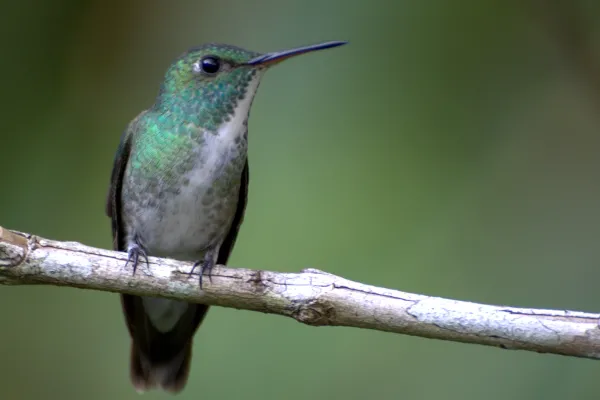
Its plumage is often described as greenish-blue with a bright iridescent shine. When sunlight hits its feathers, the bird can look jewel-like among the mangrove branches. This beauty, however, hides a serious conservation problem: the mangrove hummingbird has a limited range and depends on habitats that are under pressure from human activity.
The species feeds heavily on the flowers of mangrove plants and helps pollinate them. Because of this, it plays an important ecological role in coastal mangrove ecosystems. Mangroves are already valuable habitats because they protect shorelines, store carbon, shelter young fish, and support many birds, insects, reptiles, and marine organisms.
The mangrove hummingbird is threatened by the destruction and alteration of mangrove forests. Mangroves may be cleared for shrimp farming, charcoal production, roads, and coastal development. Changes in water flow caused by dams, drainage, or road construction can also damage the conditions that mangrove plants need to survive.
Protecting this hummingbird requires protecting its mangrove habitat. Conservation must focus not only on the bird itself but also on the coastal ecosystem that supports its food, nesting areas, and breeding success.
Rufous Hummingbird
The rufous hummingbird is one of the most impressive migratory hummingbirds in North America. Although it is small, it travels extremely long distances between breeding areas in western North America and wintering areas in Mexico. This long migration is one reason the species is so remarkable—and also one reason it faces many risks.
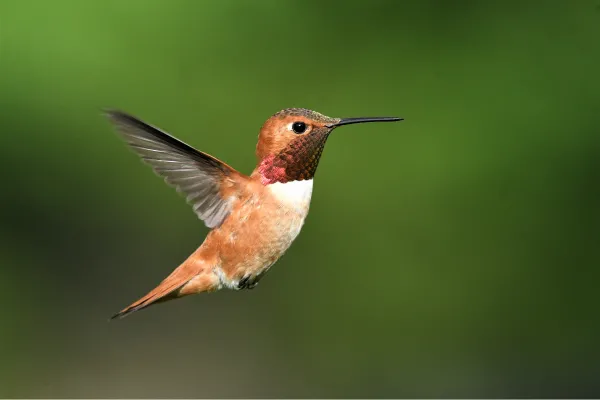
This hummingbird is known for its fiery orange or rufous coloring, especially in males. It is also known for its bold behavior. Rufous hummingbirds often defend feeding territories aggressively, chasing away other hummingbirds and even larger birds from nectar sources.
The rufous hummingbird is considered near threatened rather than critically endangered, but its decline is still important. Migratory birds depend on a chain of suitable habitats. They need breeding sites, stopover locations, and wintering areas. If one part of that chain is damaged, the entire migration can become harder.
Climate change is a major concern for this species. Rising temperatures may shift the timing and location of flowering plants. If flowers bloom before hummingbirds arrive, or if drought reduces nectar availability, birds may struggle to refuel during migration. Habitat loss and forest degradation can also reduce the number of safe feeding and nesting areas.
The rufous hummingbird reminds us that not all threatened hummingbirds are extremely rare local species. Some are still seen across large areas, yet their long-term trends show that conservation attention is needed before the situation becomes worse.
Short-crested Coquette
The short-crested coquette is a tiny and spectacular hummingbird found only in a very small region of Guerrero, Mexico. Its most striking feature is the male’s short red crest, combined with green body plumage and delicate proportions. Like other coquettes, it is small, fast, and easy to miss in dense vegetation.
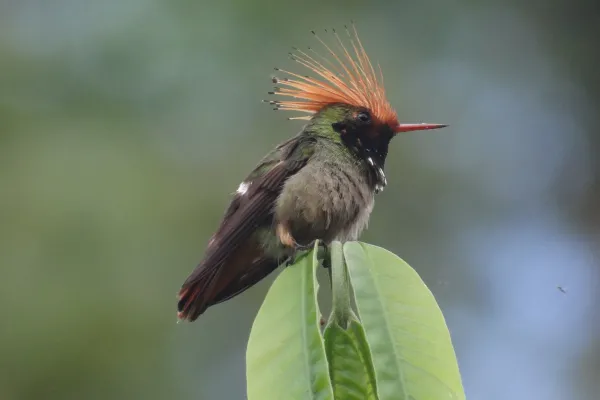
This species is critically endangered because its known range is extremely limited. When a bird exists in only a small area, any habitat destruction can have a major impact. Forest clearing for agriculture, including coffee, fruit, and corn cultivation, has reduced and fragmented the habitats where it can survive.
The short-crested coquette’s situation shows why endemism can be both fascinating and dangerous. An endemic species is found naturally in only one region. That makes it unique, but it also means there is no backup population elsewhere. If the local habitat is lost, the entire species may be at risk.
Conservation work for this hummingbird includes legal protection, habitat preservation, protected natural areas, and cooperation between local, national, and international organizations. Because the species is so rare, careful monitoring is essential. Scientists and conservationists need to know where it still occurs, how many individuals remain, and which habitats are most important.
Chilean Woodstar
The Chilean woodstar, also known as the Arica hummingbird, is one of the smallest and rarest birds in Chile. It is found only in a very restricted area of northern Chile, where it depends on specific valleys, gardens, native plants, and semi-arid habitats.
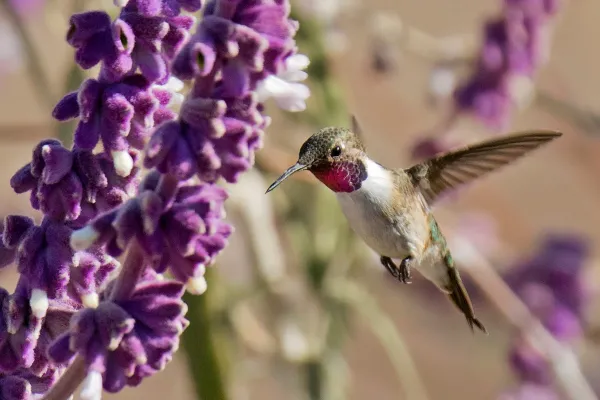
Although tiny, this hummingbird has a large ecological meaning. It is part of a delicate desert-valley ecosystem where native flowering plants, insects, agriculture, and human settlements overlap. In such restricted landscapes, even small changes can have serious effects.
The Chilean woodstar is critically endangered. One of the major threats is the loss and removal of native vegetation. Some native trees and shrubs that provide nectar may be cut or treated as unwanted plants by farmers or land managers. When these plants disappear, the hummingbirds lose important food sources.
Agriculture, pesticide use, competition with other hummingbirds, and habitat degradation can all contribute to decline. Because the species lives in only a small part of Chile, its future depends on protecting remaining habitat patches and restoring native plants.
Helping the Chilean woodstar means recognizing that small native plants can be just as important as large forests. In dry regions, a few flowering shrubs, trees, or garden corridors may make the difference between survival and local disappearance.
Black-breasted Puffleg
The black-breasted puffleg is a rare hummingbird from Ecuador. It is also known as the black-breasted hillstar or black-breasted puffleg in English usage, and in Spanish it is often called the zamarrito pechinegro. It lives in mountain areas near volcanoes, especially in cloud forest and high-elevation habitats.
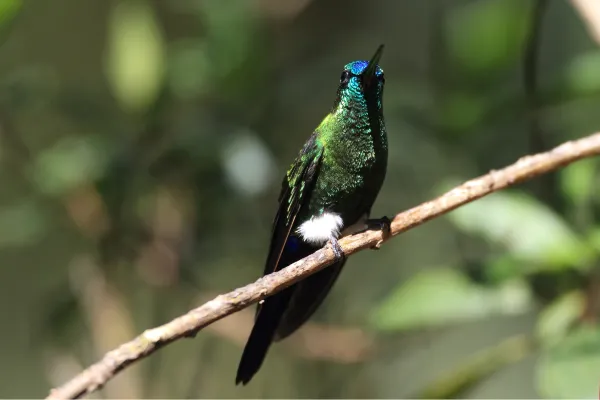
This species is named for its dark breast and the fluffy white feathering around its legs, which gives the impression of small “puffs” or “boots.” Like many highland hummingbirds, it depends on seasonal flowers and cool, humid forest conditions.
The black-breasted puffleg is critically endangered because its habitat has been severely reduced. Cloud forests are among the most threatened habitats in the Andes. They are often cleared for timber, charcoal, cattle, agriculture, roads, and settlement. Once cloud forest is destroyed, it can be difficult to restore because these ecosystems depend on specific moisture, elevation, and plant communities.
Climate change may create an additional problem. As temperatures rise, some mountain species may need to move higher to remain in suitable conditions. But mountains have limits. At higher elevations, space may be smaller, resources may be different, and competition with other species may increase.
Protecting the black-breasted puffleg requires the conservation of remaining cloud forest, restoration of native vegetation, careful land management, and support for local communities that live near its habitat.
Main Threats to Endangered Hummingbirds
Habitat Loss
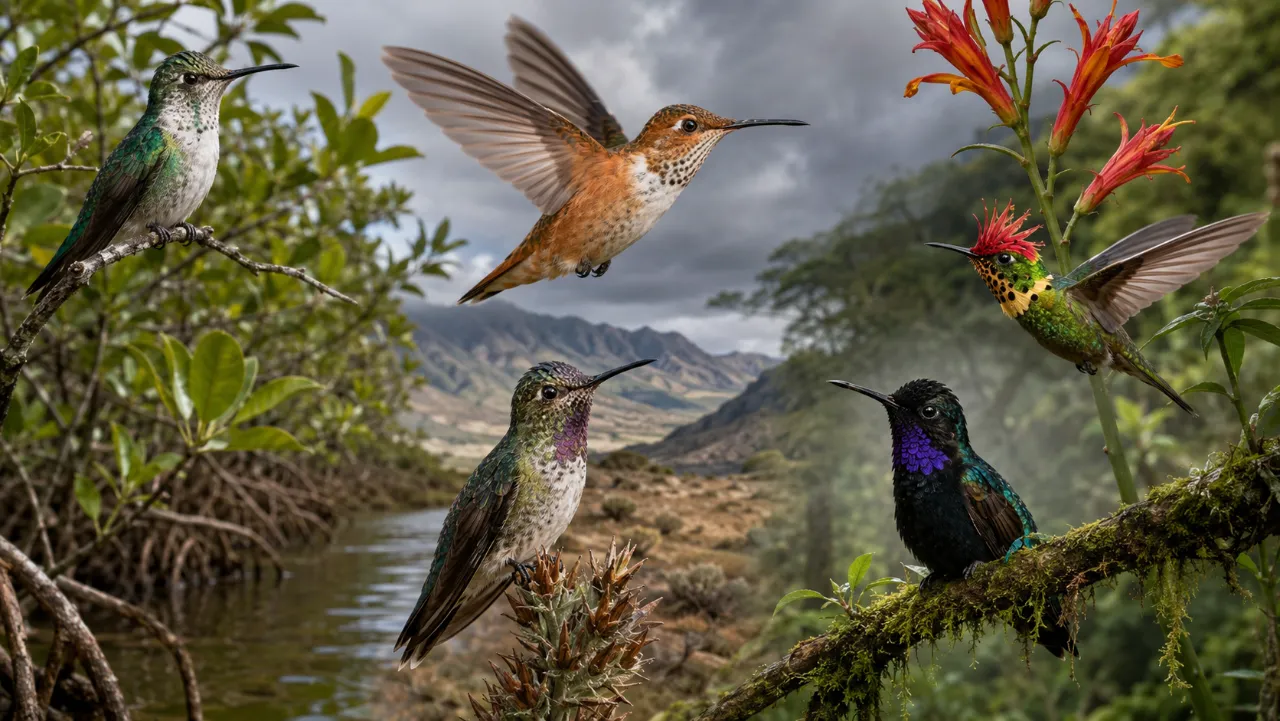
Habitat loss is the most common threat to endangered hummingbirds. Forests, mangroves, cloud forests, dry valleys, and native scrublands may be cleared for farming, livestock, roads, mining, cities, or tourism development. When the vegetation disappears, hummingbirds lose flowers, nesting sites, shelter, and insect prey.
Habitat Fragmentation
Even when some habitat remains, it may be broken into isolated patches. Fragmentation makes it harder for hummingbirds to move between feeding areas and may reduce the diversity of flowers available throughout the year. Small populations in isolated patches are also more vulnerable to storms, drought, disease, and local extinction.
Climate Change
Climate change can affect hummingbirds by shifting flowering seasons, changing rainfall patterns, increasing drought, altering mountain habitats, and moving plant communities. Migratory species may be especially vulnerable if they arrive at breeding or stopover areas when nectar is no longer abundant.
Pesticides and Insect Decline
Although hummingbirds are famous for drinking nectar, they also eat small insects and spiders for protein. Insects are especially important during breeding and chick development. Pesticides can reduce insect numbers and may also contaminate the environments where hummingbirds feed.
Invasive Species
Invasive plants may replace native flowers that hummingbirds rely on. Invasive predators, such as cats or rats in some areas, may threaten eggs, chicks, or adult birds. Invasive species can change the balance of entire ecosystems.
Collisions and Urban Hazards
Hummingbirds may collide with windows, glass panels, vehicles, or other human-made structures. Urban areas can provide gardens and nectar plants, but they also create risks such as reflective glass, outdoor cats, pesticides, and poorly maintained feeders.
How to Help Endangered Hummingbirds
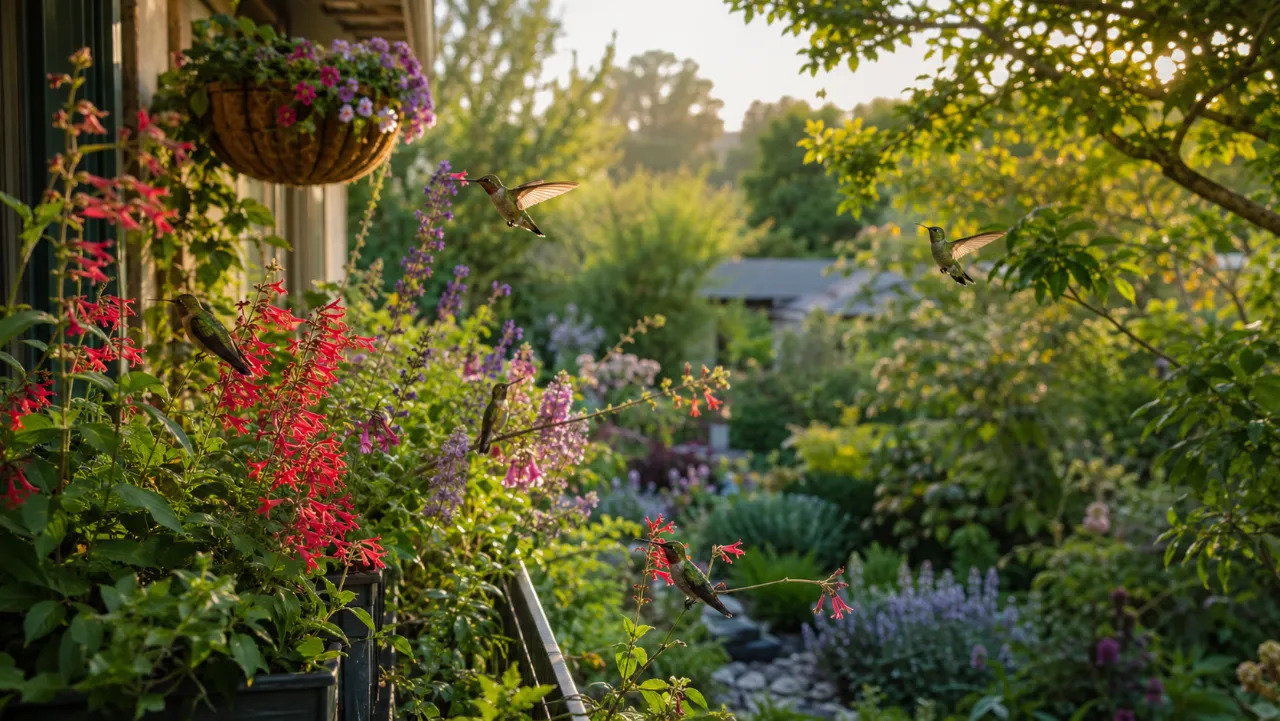
People can help hummingbirds in simple but meaningful ways. Because hummingbirds often visit gardens, balconies, parks, and urban green spaces, small habitat improvements can support local populations and migrating birds.
Plant Native Flowers
The best way to help hummingbirds is to grow native flowering plants. Choose flowers that produce nectar and bloom at different times of the year. Tubular or bell-shaped flowers are especially attractive to many hummingbirds because their long bills and tongues are adapted to reach nectar inside them.
Native plants are better than ornamental plants alone because they support local insects, match local climate conditions, and often provide food at the right time of year. A garden with diverse native plants can become a small feeding station for hummingbirds and other pollinators.
Use Feeders Carefully
Hummingbird feeders can help in some places, especially during migration or when flowers are scarce, but they must be used responsibly. A dirty feeder can grow mold, bacteria, or yeast that may harm birds.
If you use a feeder, fill it with a simple solution of one part plain white granulated sugar to four parts clean water. Do not use red dye, honey, brown sugar, artificial sweeteners, or commercial colored nectar. Clean the feeder frequently, especially in warm weather, and replace the solution before it becomes cloudy.
Feeders should support natural feeding, not replace it. The best hummingbird habitat still comes from living plants, not artificial sugar water alone.
Avoid Pesticides
Pesticides can reduce the tiny insects hummingbirds need for protein. They may also harm other pollinators and disrupt garden ecosystems. Avoid broad-spectrum insecticides and choose wildlife-friendly pest management whenever possible.
Keep Cats Indoors or Supervised
Outdoor cats can kill birds, including small species such as hummingbirds. Keeping cats indoors, in enclosed outdoor spaces, or supervised on a leash helps protect wildlife while also keeping cats safer from cars, disease, and injury.
Make Windows Safer
Because hummingbirds fly quickly and may not recognize glass as a barrier, window collisions can happen. Use bird-safe decals, screens, external patterns, or other visible markers on large glass surfaces. Place feeders either very close to windows or far enough away to reduce high-speed collision risk.
Support Habitat Conservation
Many endangered hummingbirds cannot be saved by gardens alone. Species such as the mangrove hummingbird, short-crested coquette, Chilean woodstar, and black-breasted puffleg need their native habitats protected. Supporting conservation groups, protected areas, and local restoration projects can make a real difference.
Final Thoughts
Hummingbirds may be tiny, but their ecological importance is enormous. They connect flowers, forests, gardens, mountains, mangroves, and human communities through pollination. Their beauty also makes them powerful ambassadors for nature conservation.
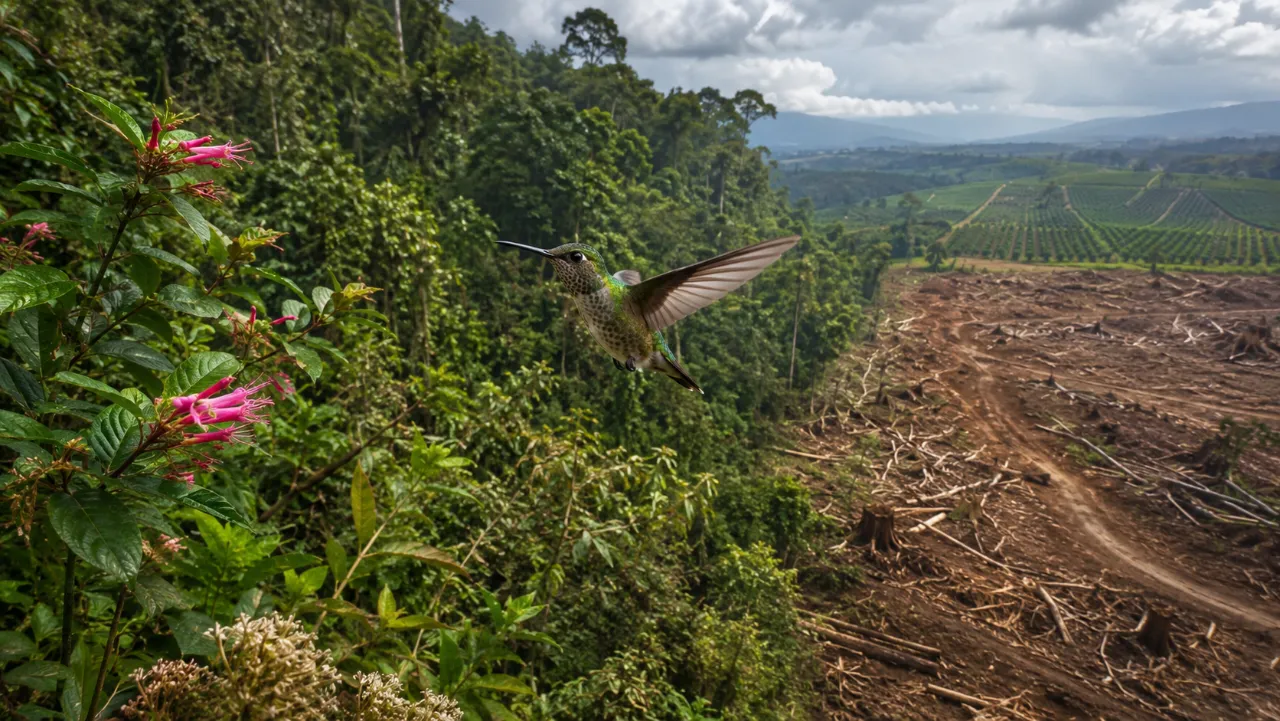
Endangered hummingbirds are often warning signs of deeper environmental problems. When mangroves are cleared, cloud forests are cut, native shrubs disappear, or climate patterns shift, hummingbirds can be among the first species to suffer. Protecting them means protecting the habitats and flowering plants that support countless other forms of life.
By planting native flowers, avoiding harmful chemicals, using feeders responsibly, keeping cats supervised, and supporting habitat protection, people can help create safer spaces for hummingbirds. For rare species with tiny ranges, conservation must be urgent, science-based, and long-term.
FAQs
FAQs About Endangered Hummingbirds
Are hummingbirds endangered?
Not all hummingbirds are endangered, but several species are threatened, endangered, or critically endangered. The most vulnerable hummingbirds usually have small ranges, specialized habitats, or dependence on specific native plants.
Why are hummingbirds endangered?
Hummingbirds are endangered mainly because of habitat loss, deforestation, climate change, pesticide use, invasive species, loss of native flowers, and human development. Some species are also affected by migration changes and declining insect populations.
What are some endangered hummingbirds?
Examples of endangered or highly threatened hummingbirds include the mangrove hummingbird, short-crested coquette, Chilean woodstar, black-breasted puffleg, and several other species with restricted ranges in Latin America.
Where do hummingbirds live?
Hummingbirds live only in the Americas. They are found from Alaska and Canada through the United States, Mexico, Central America, the Caribbean, and South America. Different species live in forests, deserts, mountains, mangroves, gardens, and tropical habitats.
Why are hummingbirds important?
Hummingbirds are important pollinators. As they drink nectar, they transfer pollen between flowers and help many native plants reproduce. They also support biodiversity and indicate the health of local ecosystems.
What is the best way to help hummingbirds?
The best way to help hummingbirds is to plant native nectar-rich flowers, avoid pesticides, protect natural habitats, keep cats indoors or supervised, and use feeders only when they are cleaned regularly and filled with safe sugar water.
Are hummingbird feeders good or bad?
Hummingbird feeders can be helpful if used correctly, but they can be harmful if dirty or filled with unsafe mixtures. Use one part plain white sugar to four parts clean water, avoid dye, and clean feeders often. Native flowers are still the best food source.
Do hummingbirds eat only nectar?
No. Hummingbirds drink nectar for energy, but they also eat tiny insects and spiders for protein, minerals, and other nutrients. Insects are especially important during breeding and chick growth.
Can climate change affect hummingbirds?
Yes. Climate change can shift flowering times, change migration patterns, reduce nectar availability, dry out habitats, and push mountain species into smaller suitable areas. This can make survival harder for specialized hummingbirds.
Can I attract hummingbirds to my garden?
Yes. Plant native flowers with tubular or bell-shaped blooms, provide flowers across different seasons, avoid pesticides, and create safe shelter. A diverse native garden is one of the best ways to attract and support hummingbirds.