Many monkeys and other primates are endangered because their forests are being destroyed, hunted, fragmented, or converted into farms, roads, mines, and plantations. Although people often use the word “monkeys” broadly, this group includes many different primates, such as monkeys, apes, lemurs, gibbons, orangutans, gorillas, and chimpanzees. These animals play important roles in forests as seed dispersers, fruit eaters, predators of small animals, and indicators of ecosystem health.
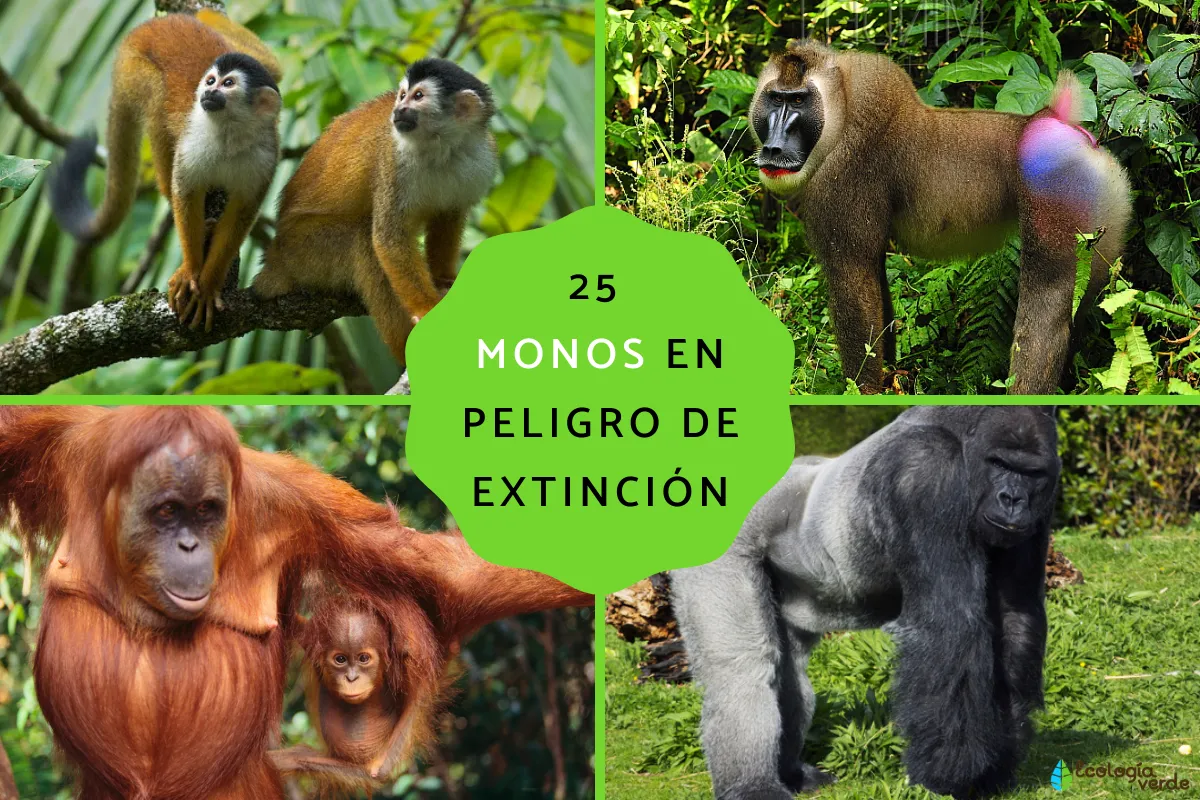
Primates are among the most intelligent and socially complex mammals on Earth. Many live in family groups, communicate with calls and body language, use tools, care for their young for long periods, and depend on mature forests for food and shelter. Unfortunately, these same traits can make them vulnerable. Many primates reproduce slowly, need large home ranges, and cannot recover quickly when adults are killed or forests are destroyed.
This article introduces 25 endangered monkeys and primates from Africa, Asia, South America, Central America, and Madagascar. Some are critically endangered, while others are endangered or rapidly declining. Together, they show how closely primate survival is connected to forest conservation, wildlife protection, and human choices.
Endangered Monkeys and Primates at a Glance
| Species | Scientific Name | Region | Conservation Concern | Main Threats |
|---|---|---|---|---|
| Western Gorilla | Gorilla gorilla | Central and West Africa | Critically endangered | Poaching, disease, habitat loss, climate pressure |
| Silky Sifaka | Propithecus candidus | Northeastern Madagascar | Critically endangered | Deforestation, hunting, tiny range |
| Sumatran Orangutan | Pongo abelii | Sumatra, Indonesia | Critically endangered | Forest conversion, illegal hunting, habitat fragmentation |
| Ecuadorian Capuchin | Cebus aequatorialis | Western Ecuador and nearby areas | Critically endangered | Deforestation, hunting, illegal pet trade |
| Chimpanzee | Pan troglodytes | West, Central, and East Africa | Endangered | Poaching, disease, forest loss, human conflict |
| Drill | Mandrillus leucophaeus | Nigeria, Cameroon, Bioko Island | Endangered | Hunting, forest loss, oil palm expansion |
| Central American Squirrel Monkey | Saimiri oerstedii | Costa Rica and Panama | Endangered | Habitat loss, hunting, pet trade |
| Brown Spider Monkey | Ateles hybridus | Colombia and Venezuela | Critically endangered | Forest degradation, hunting, illegal trade |
| Black Crested Gibbon | Nomascus concolor | Southwest Asia | Critically endangered | Deforestation, hunting, fragmented populations |
| Blond Capuchin | Sapajus flavius | Northeastern Brazil | Endangered | Atlantic Forest loss, sugarcane farming, hunting |
Are All of These Animals Really Monkeys?
Not exactly. In everyday language, many people call almost all primates “monkeys,” but scientifically they are different groups. Gorillas, chimpanzees, orangutans, and gibbons are apes, not monkeys. Lemurs and sifakas are primates from Madagascar. Capuchins, squirrel monkeys, spider monkeys, howler monkeys, titi monkeys, colobus monkeys, and langurs are true monkeys.
However, the search term “endangered monkeys” is often used by readers who want to learn about threatened primates in general. For that reason, this article includes both monkeys and closely related endangered primates, while keeping the biological distinction clear.
Western Gorilla
The western gorilla is one of the largest living primates and is found in the forests of Central and West Africa. It includes two subspecies: the western lowland gorilla and the Cross River gorilla. Western gorillas usually live in stable groups led by a dominant adult male, often called a silverback, along with several females and their young.
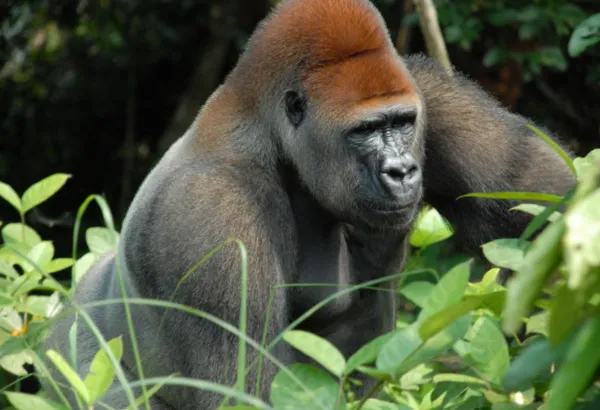
Gorillas are mostly herbivorous. They feed on leaves, stems, fruits, bark, and other plant material. Because they eat large amounts of vegetation and move through the forest, they help shape forest structure and disperse seeds. Their presence is also a sign of a relatively healthy forest ecosystem.
Western gorillas are critically endangered. Their major threats include poaching, habitat destruction, infectious disease, and climate change. Ebola outbreaks have caused severe losses in some populations, while illegal hunting and forest clearing continue to put pressure on remaining groups. Because gorillas reproduce slowly, their populations take a long time to recover after decline.
Silky Sifaka
The silky sifaka is one of the rarest lemurs in the world. It lives only in a small area of northeastern Madagascar, where it depends on humid forests. Its name comes from its soft, pale, silky-looking fur. Like other sifakas, it is highly adapted to life in the trees and moves through the forest with powerful leaps.
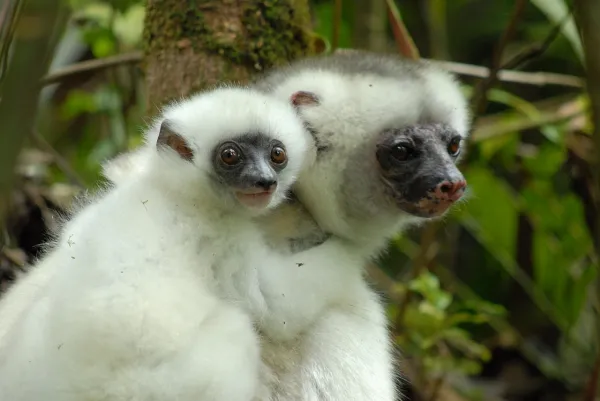
Silky sifakas mainly eat leaves and seeds, but they may also feed on fruit, flowers, and even soil. Their diet changes depending on the season and food availability. As forest animals, they play a role in plant regeneration and the movement of nutrients through the ecosystem.
This species is critically endangered because its range is extremely limited and its habitat is being destroyed. Slash-and-burn agriculture, logging, hunting, and forest fragmentation have pushed the silky sifaka toward extinction. Protecting Madagascar’s remaining northeastern forests is essential for its survival.
Sumatran Orangutan
The Sumatran orangutan is one of three living orangutan species and is found only on the island of Sumatra in Indonesia. It lives in lowland rainforests, mountain forests, and peat swamp forests. Compared with the Bornean orangutan, the Sumatran orangutan is generally more arboreal, spending much of its life in the trees.
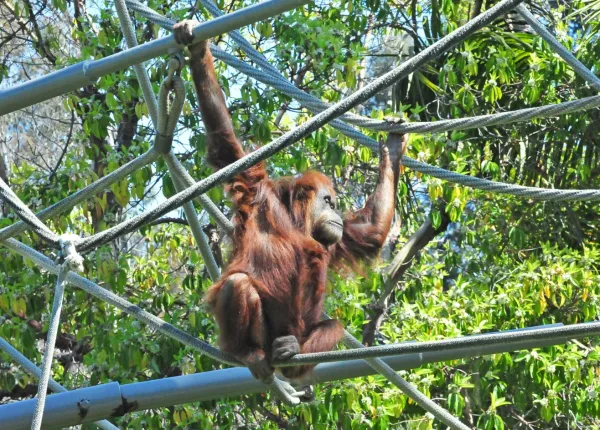
Orangutans are highly intelligent great apes. They build sleeping nests, use tools, remember food locations, and have long childhoods. Mothers care for their young for many years, which means orangutan populations grow very slowly. This slow reproduction makes them especially vulnerable to hunting and habitat loss.
The Sumatran orangutan is critically endangered mainly because forests are being cleared and fragmented for agriculture, plantations, roads, mining, and settlement. When forests are divided into small patches, orangutans may struggle to find food, mates, and safe travel routes. Illegal killing and capture also remain serious problems.
Ecuadorian Capuchin
The Ecuadorian capuchin is a highly threatened monkey from the western side of South America, especially western Ecuador. It lives in forested habitats that have been heavily damaged by human activity. Much of its original forest has been cleared or fragmented, leaving isolated groups in remaining patches.
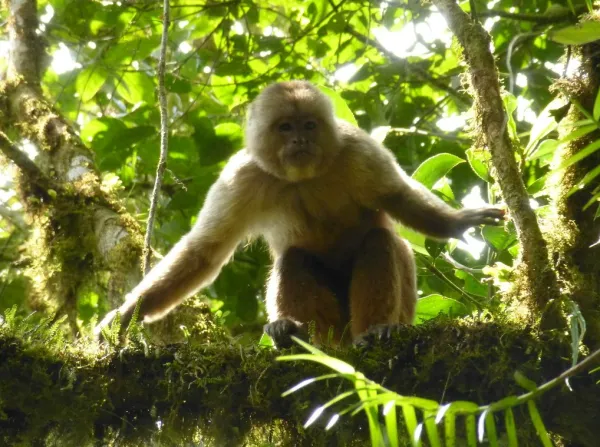
Capuchins are intelligent, active monkeys with flexible diets. They may eat fruit, insects, seeds, small animals, and other forest foods. Their intelligence helps them survive in different conditions, but it cannot protect them from large-scale deforestation.
The Ecuadorian capuchin is critically endangered. It has lost a large portion of its natural habitat, and remaining populations are threatened by hunting and capture for the illegal pet trade. Because many groups are isolated, genetic diversity and long-term survival are also major concerns.
Chimpanzee
The chimpanzee is one of humanity’s closest living relatives. It lives in forests, woodlands, and savannas across parts of Africa. Chimpanzees are known for their intelligence, social behavior, tool use, emotional complexity, and long-lasting family relationships.
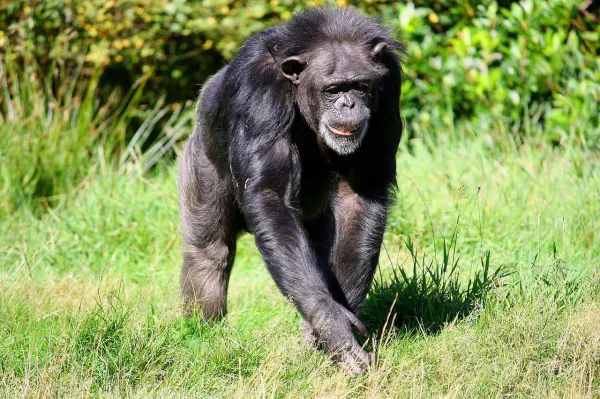
Chimpanzees live in communities that may include many individuals. They use vocalizations, facial expressions, gestures, and grooming to communicate. Their diets include fruits, leaves, seeds, insects, and sometimes meat. In many forests, chimpanzees help disperse seeds and influence plant communities.
Although chimpanzees are still more widespread than many other endangered primates, their populations have declined sharply in many regions. They are threatened by poaching, habitat loss, disease, and conflict with humans. Because chimpanzees reproduce slowly and care for their young for years, high mortality can cause long-term population decline.
Drill
The drill is a large, powerful monkey closely related to the mandrill. It lives in a small area of West-Central Africa, including parts of Nigeria, Cameroon, and Bioko Island in Equatorial Guinea. Drills are social animals and may live in large groups, especially where habitat remains suitable.
Drills are mostly forest-dwelling and spend time both on the ground and in trees. They feed on fruit, seeds, leaves, insects, and other foods. Their large bodies and social structure make them impressive primates, but also make them targets for hunters.
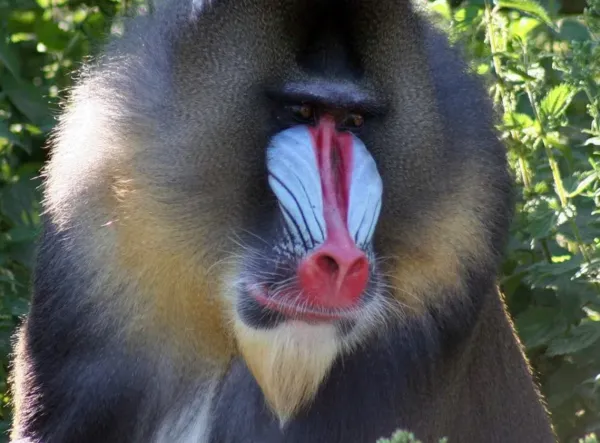
The drill is endangered because of hunting and habitat loss. Forests in its range have been cleared for timber, agriculture, and plantations, including oil palm. As forests shrink and become fragmented, drill groups become isolated and more vulnerable to local extinction.
Central American Squirrel Monkey
The Central American squirrel monkey is a small, active primate found along the Pacific side of Costa Rica and Panama. It lives in lowland forests, riverine forests, secondary forests, and floodplain habitats. Like other squirrel monkeys, it is agile, social, and often seen moving quickly through the canopy.
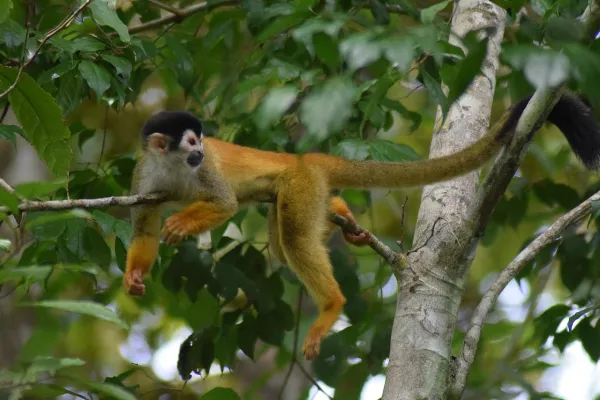
This monkey feeds on fruit, insects, nectar, and small animals. Its small size and lively behavior make it appealing to people, but that has also contributed to its capture for the pet trade. Wild primates do not make good pets, and removing young monkeys from their groups often involves killing or disturbing adults.
The main threats to the Central American squirrel monkey are habitat loss, hunting, and capture for illegal trade. Tourism development, agriculture, and forest fragmentation have reduced and divided suitable habitat. Conservation efforts focus on protecting forest corridors and reducing human pressure.
Brown Spider Monkey
The brown spider monkey lives in Colombia and Venezuela, mainly in lowland forests. It spends much of its time high in the canopy, using its long limbs and prehensile tail to move between branches. Spider monkeys are important seed dispersers because they eat fruit and travel across large areas.
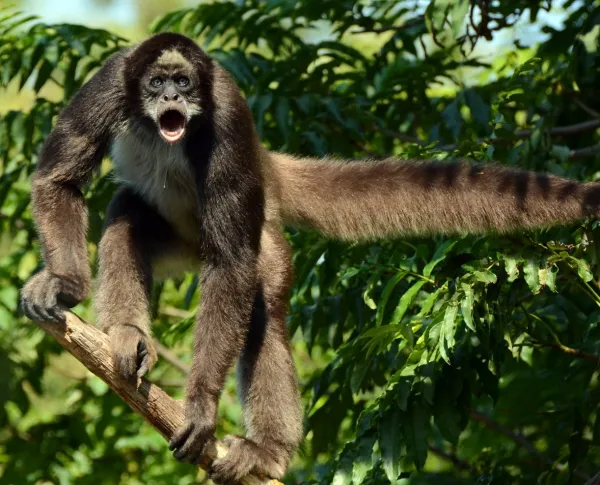
Brown spider monkeys are highly vulnerable to forest loss because they depend on mature forests with enough fruiting trees. They are also hunted for meat and captured for the illegal pet trade. Their slow reproductive rate makes recovery difficult once populations decline.
This species is critically endangered. In many parts of its range, forests have been degraded, cleared, or fragmented by agriculture, roads, settlement, and other development. Protecting large forest areas and connecting fragmented habitats are key steps for its survival.
Black Crested Gibbon
The black crested gibbon is a small ape native to parts of southwest Asia. Gibbons are famous for their long arms, acrobatic movement, and loud songs. They live in family groups and move through the canopy by brachiation, swinging from branch to branch with remarkable speed and accuracy.
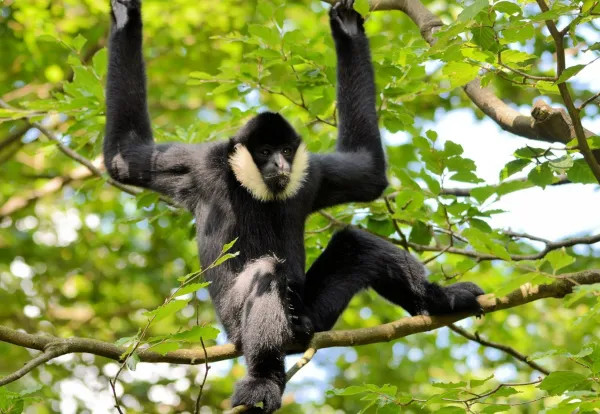
Like many gibbons, the black crested gibbon depends on continuous forest canopy. When forests are cut into isolated fragments, gibbons may be unable to move safely between food sources or find mates. Hunting also places pressure on surviving populations.
The black crested gibbon is critically endangered. Its populations have declined severely because of deforestation and poaching. Protecting remaining forests and preventing further fragmentation are essential for this species and other canopy-dependent primates.
Blond Capuchin
The blond capuchin is a rare capuchin monkey from the Atlantic Forest of northeastern Brazil. For many years, this species was poorly known, partly because so much of its habitat had already been destroyed before scientists fully understood its status.
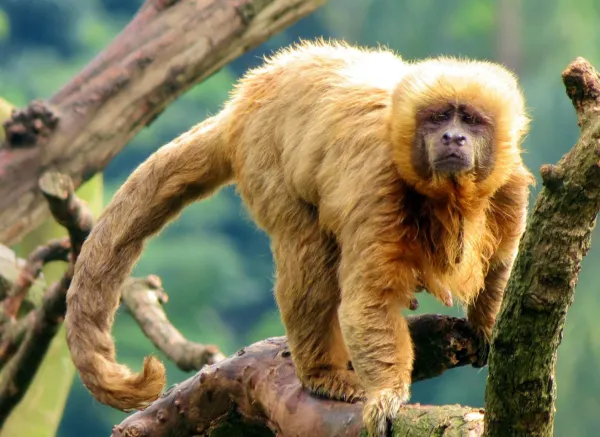
The Atlantic Forest is one of the most threatened ecosystems in the world. Much of it has been cleared for farming, cities, roads, and coastal development. In the blond capuchin’s range, sugarcane agriculture has been one of the major drivers of habitat loss.
Blond capuchins are endangered because their remaining populations are small and fragmented. They also face hunting and illegal capture for the pet trade. Conservation requires protecting forest fragments, restoring corridors, and reducing pressure from hunting and trade.
Other Endangered Monkeys and Primates
The following primates are also endangered, critically endangered, or under serious conservation pressure. Their exact conservation status can change as new research becomes available, but all of them represent the growing crisis facing primates around the world.
Tana River red colobus — Piliocolobus rufomitratus
Eastern gorilla — Gorilla beringei
Northern brown howler monkey — Alouatta guariba guariba
San Martín titi monkey — Plecturocebus oenanthe
Guatemalan black howler monkey — Alouatta pigra
Ollala brothers’ titi monkey — Plecturocebus olallae
Eastern black crested gibbon — Nomascus nasutus
Hainan gibbon — Nomascus hainanus
Purple-faced langur — Semnopithecus vetulus
Yellow-tailed woolly monkey — Lagothrix flavicauda
Bornean orangutan — Pongo pygmaeus
Tapanuli orangutan — Pongo tapanuliensis
Maranhão red-handed howler monkey — Alouatta ululata
Kaapori capuchin — Cebus kaapori
Yellow-breasted capuchin — Sapajus xanthosternos
Why Are So Many Monkeys and Primates Endangered?
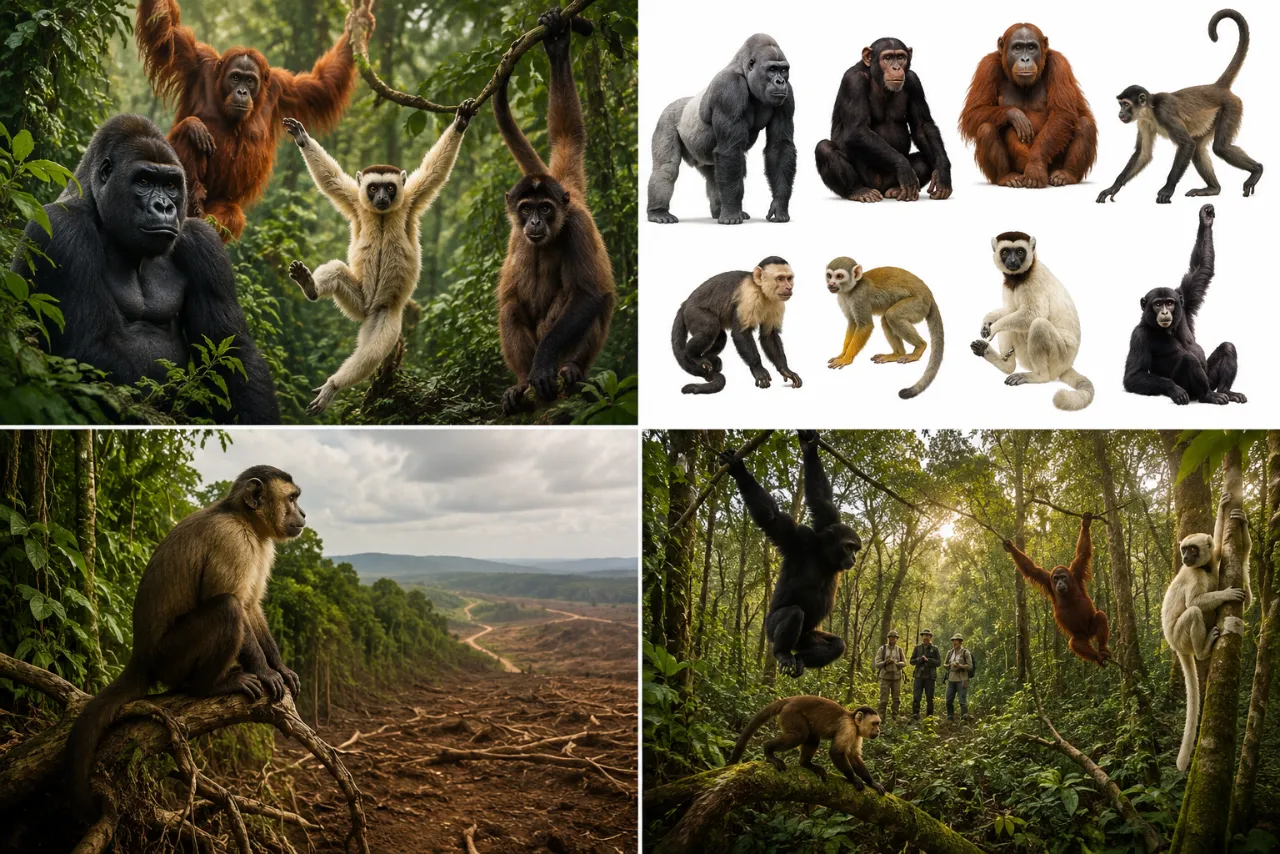
Most endangered primates are declining because of human activity. They are especially vulnerable when forests are cleared faster than they can adapt. Many primates depend on old-growth forests, fruiting trees, safe nesting sites, and connected canopies. Once these habitats are destroyed, survival becomes much harder.
Habitat Loss and Fragmentation
Habitat loss is the biggest threat to many primates. Forests are cleared for agriculture, cattle ranching, oil palm plantations, mining, logging, roads, and urban development. When a large forest is broken into small fragments, primates may become trapped in isolated patches with limited food and few breeding opportunities.
Fragmentation also increases contact between primates and humans. This can lead to crop conflict, disease transmission, hunting, and capture for trade. Small, isolated populations are more likely to disappear because they are vulnerable to inbreeding, storms, fires, and local hunting pressure.
Hunting and Bushmeat
In some regions, primates are hunted for meat. Larger species such as gorillas, chimpanzees, drills, and spider monkeys may be especially targeted because they provide more meat than smaller animals. Hunting can quickly damage primate populations because many species reproduce slowly.
Even low levels of hunting can be dangerous when a species has a small population or long generation time. The loss of adult females is especially harmful because it reduces future births and disrupts social groups.
Illegal Pet Trade
Young monkeys and apes are sometimes captured for the illegal pet trade. This is harmful for several reasons. First, wild primates are not suitable pets. They are intelligent, social animals with complex emotional and physical needs. Second, capturing a baby often means killing or frightening away adults in the group. Third, removing young animals from the wild reduces future breeding potential.
Disease
Disease is a serious threat to great apes and other primates. Because humans and primates are closely related, some pathogens can move between people and wild primates. Ebola has caused major losses in some gorilla and chimpanzee populations. Respiratory infections can also be dangerous, especially where tourism or human settlement brings people close to wild primates.
Climate Change
Climate change can alter rainfall, fruiting seasons, forest composition, and water availability. For primates that depend on specific forest foods, changes in fruiting patterns can reduce nutrition and breeding success. Extreme weather, drought, heat stress, and fires can also damage habitats that are already fragmented.
Why Primates Matter to Forest Ecosystems
Primates are not only interesting animals; they are also important for forest health. Many species eat fruit and spread seeds through their droppings. Some large-seeded trees may depend on animals such as monkeys and apes to move their seeds away from parent trees. Without primates, forest regeneration can change over time.
Primates also help scientists understand ecosystem change. When primate numbers fall, it may indicate that hunting, logging, disease, or habitat fragmentation is affecting the wider environment. Protecting primates often means protecting many other species that share the same forests.
How Can Endangered Monkeys and Primates Be Protected?
Protecting endangered primates requires long-term work across many levels. Laws alone are not enough if forests keep disappearing or local communities receive no benefit from conservation. The most successful programs usually combine habitat protection, community involvement, scientific research, anti-poaching work, and sustainable development.
Protect forests: Large, connected habitats give primates space to feed, breed, and move safely.
Restore corridors: Reconnecting forest fragments helps isolated groups find food and mates.
Stop illegal hunting: Strong enforcement and community-based patrols can reduce poaching.
Fight wildlife trafficking: Ending the illegal pet trade protects young primates and their family groups.
Support local communities: Conservation works better when local people benefit from healthy forests.
Reduce disease risk: Responsible tourism and health precautions can protect great apes from human diseases.
Choose sustainable products: Avoiding products linked to deforestation can reduce pressure on primate habitats.
Fund research and monitoring: Scientists need accurate population data to guide conservation action.
What Can Ordinary People Do to Help?
You do not need to live near a rainforest to help endangered primates. People can support conservation organizations, avoid buying wild animals as pets, choose products from responsible sources, reduce waste, learn about sustainable palm oil and deforestation-free supply chains, and share accurate information about primate conservation.
Responsible tourism can also help when it is carefully managed. Ethical wildlife tourism should keep a safe distance, avoid feeding animals, follow local rules, and support conservation-based communities rather than exploit wild animals for entertainment.
Final Thoughts
Endangered monkeys and primates are disappearing because the forests they depend on are disappearing. Gorillas, orangutans, chimpanzees, capuchins, gibbons, sifakas, spider monkeys, and many other species are not only fascinating animals; they are essential parts of tropical and subtropical ecosystems.
Saving them means protecting forests, stopping illegal hunting, reducing wildlife trade, supporting local communities, and recognizing that primates are not isolated from human choices. Their future depends on whether people can protect the habitats that still remain.
```
FAQs About Endangered Monkeys and Primates
What monkeys are endangered?
Many monkeys are endangered, including the Ecuadorian capuchin, brown spider monkey, Central American squirrel monkey, Tana River red colobus, yellow-tailed woolly monkey, Kaapori capuchin, and yellow-breasted capuchin. Some apes and lemurs are also endangered, such as gorillas, orangutans, chimpanzees, gibbons, and silky sifakas.
Why are monkeys endangered?
Monkeys are mainly endangered because of habitat loss, forest fragmentation, hunting, illegal pet trade, disease, climate change, and conflict with humans. Many species depend on mature forests, so deforestation is especially damaging.
Are gorillas monkeys?
No. Gorillas are apes, not monkeys. Apes generally do not have tails and include gorillas, chimpanzees, bonobos, orangutans, and gibbons. However, many people use “monkey” informally when searching for endangered primates.
Are orangutans monkeys?
No. Orangutans are great apes. They are closely related to gorillas, chimpanzees, bonobos, and humans. The Sumatran, Bornean, and Tapanuli orangutans are all under serious conservation pressure.
What is the most endangered primate?
There is no single permanent answer because conservation status changes with new surveys and threats. Some of the most endangered primates include the Hainan gibbon, Tapanuli orangutan, Cross River gorilla, silky sifaka, and several rare titi monkeys and langurs.
How does deforestation affect monkeys?
Deforestation removes food trees, sleeping sites, travel routes, and breeding areas. It also isolates populations into small fragments, making it harder for monkeys to find mates and increasing their risk from hunting, disease, and local extinction.
Can endangered monkeys recover?
Some endangered monkeys and primates can recover if their habitats are protected, hunting is reduced, and populations are monitored. However, recovery is usually slow because many primates reproduce slowly and need large areas of healthy forest.
How can people help endangered primates?
People can help by supporting forest conservation, avoiding wild primates as pets, choosing deforestation-free products, supporting responsible conservation groups, reducing demand for illegal wildlife products, and learning about ethical wildlife tourism.