Anatomy
Woodlouse Spider: Identification, Bite, Size & Facts
Learn how to identify a woodlouse spider by its red body, pale abdomen and large fangs, whether its bite is dangerous, what it eats and where it lives.
Explore clear, practical articles about animals and the way they live.
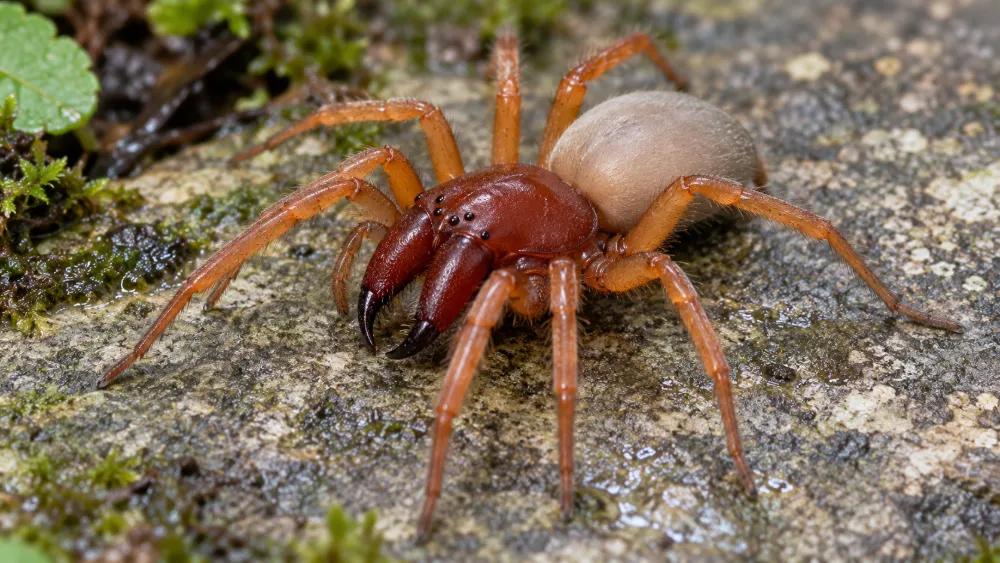
Learn how to identify a woodlouse spider by its red body, pale abdomen and large fangs, whether its bite is dangerous, what it eats and where it lives.
Latest guides
Search the articles currently shown on this page.
Learn how to identify a woodlouse spider by its red body, pale abdomen and large fangs, whether its bite is dangerous, what it eats and where it lives.
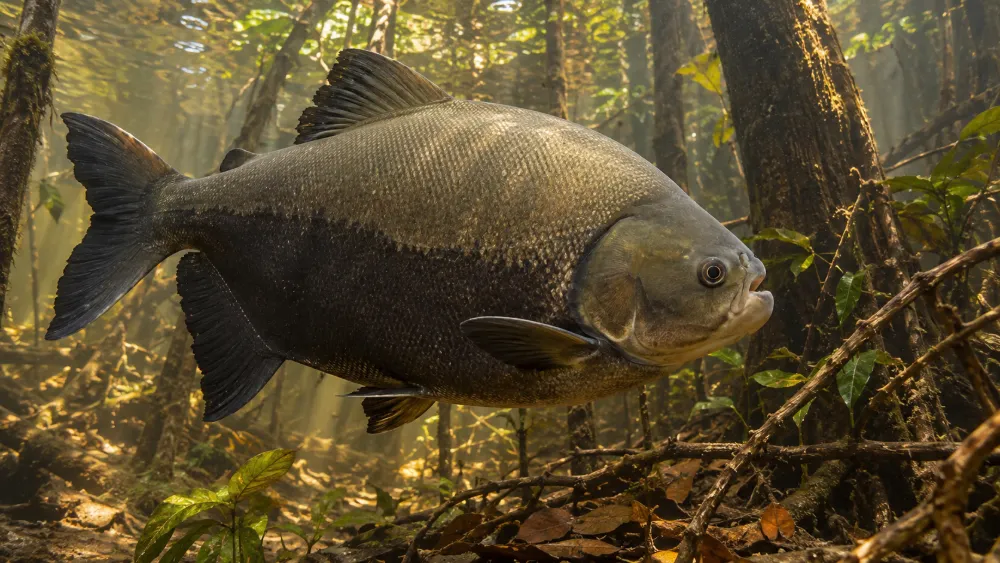
Discover pacu fish facts, including their unusual teeth, huge adult size, fruit-rich diet, Amazon habitat, piranha relationship and aquarium problems.
What animal does not poop or pee? No animal is waste-free, but jellyfish and sponges lack mammal-like digestive or urinary systems. Learn how animals remove waste.
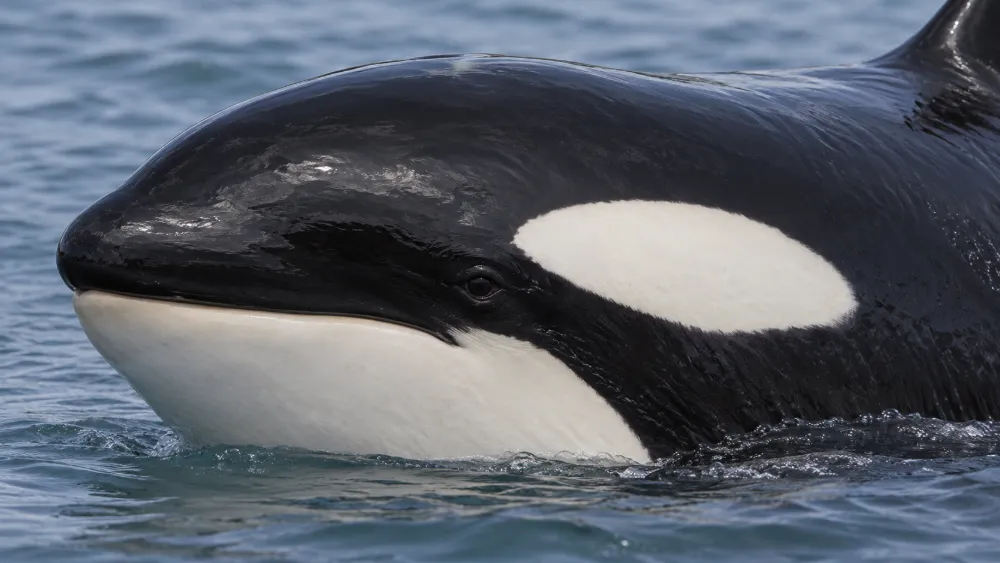
Where are orca eyes? The real eyes are small, dark, and just below and in front of the white eye patch. See their exact location, color and vision.
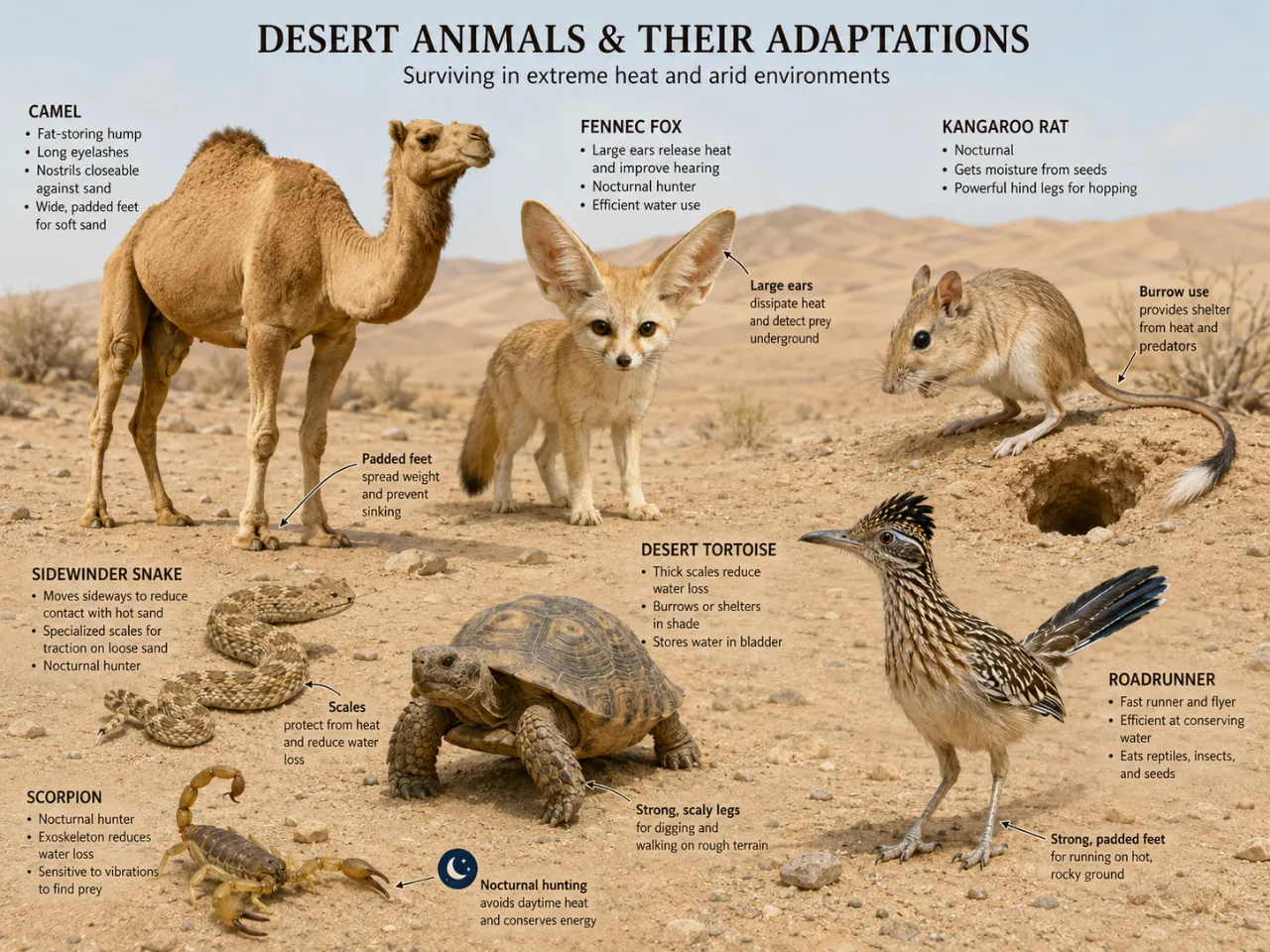
Quick answerDesert animals are animals that live in dry habitats with low rainfall, intense sunlight, limited shade, and often large temperature swings between day and night. They survive through special adaptations such···
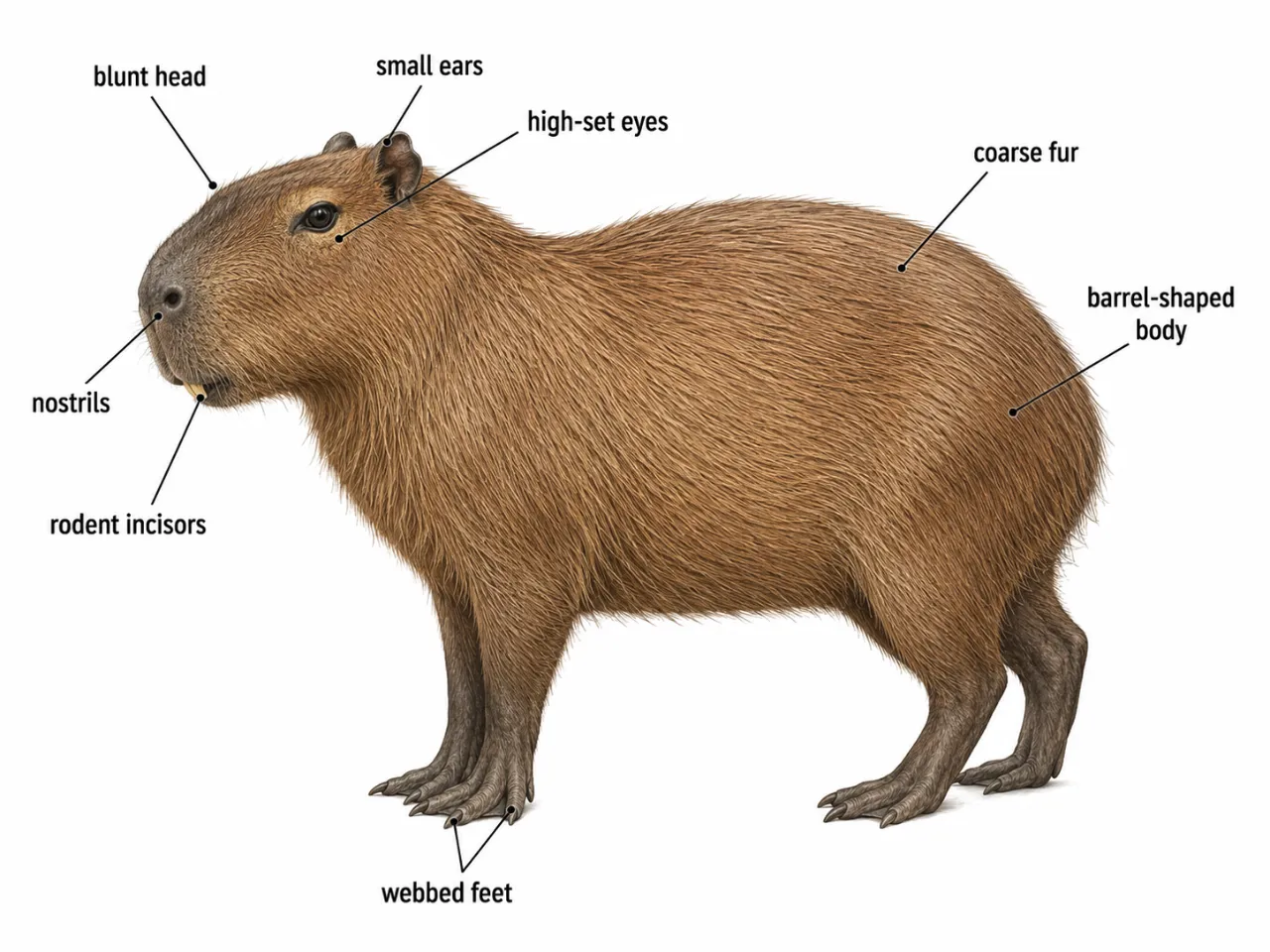
Quick answerThe capybara is a large, semi-aquatic rodent native to South America. Its scientific name is Hydrochoerus hydrochaeris. It is closely related to guinea pigs and rock cavies, but it is much larger. Adult capyb···
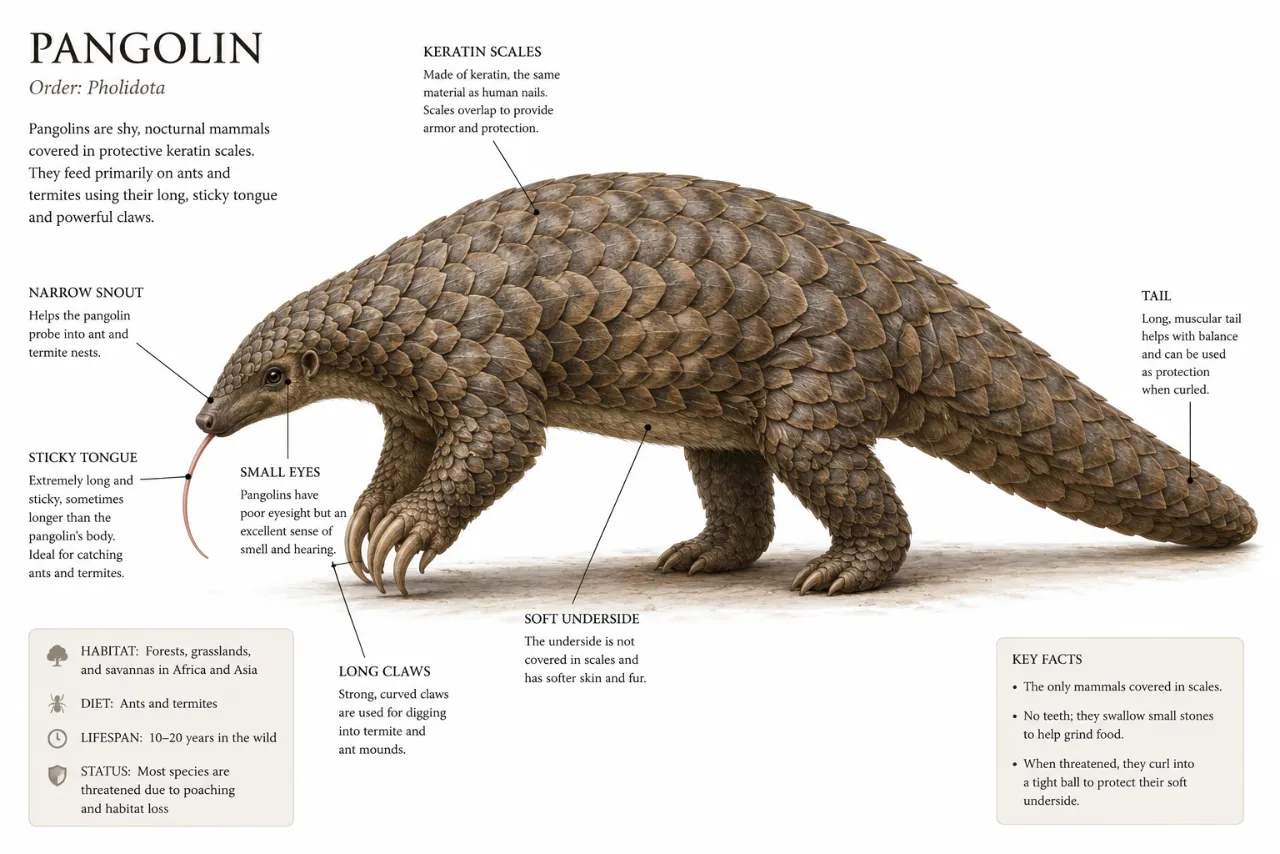
Quick answerA pangolin is a scale-covered mammal in the order Pholidota. Pangolins are famous for their armor-like bodies, long sticky tongues, strong digging claws, and unusual defensive habit of curling into a ball. Th···
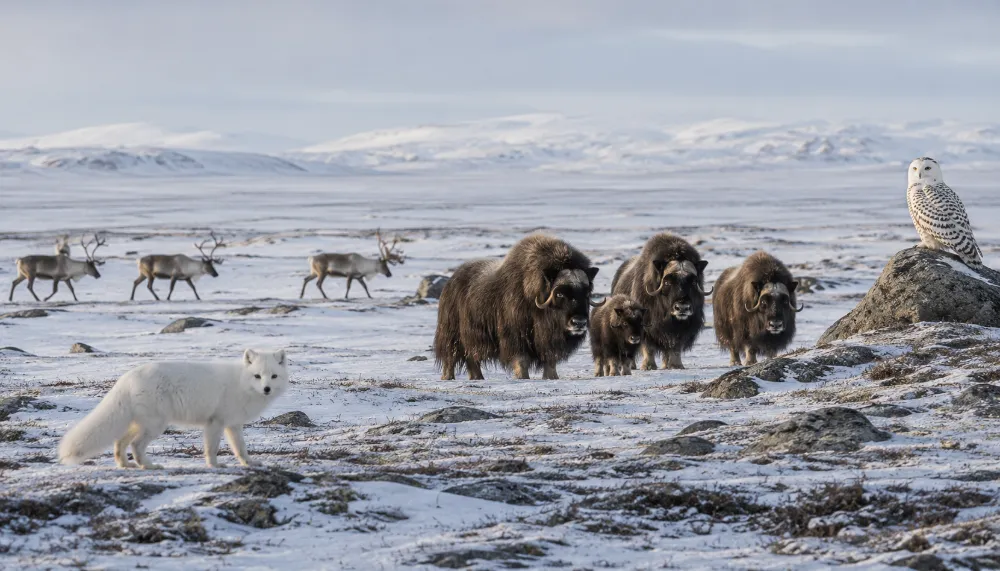
Tundra animals are wildlife species adapted to cold, windy, treeless environments where winters are long, summers are short, and food can be scarce. Famous tundra animals include Arctic foxes, polar bears, caribou, musk ···
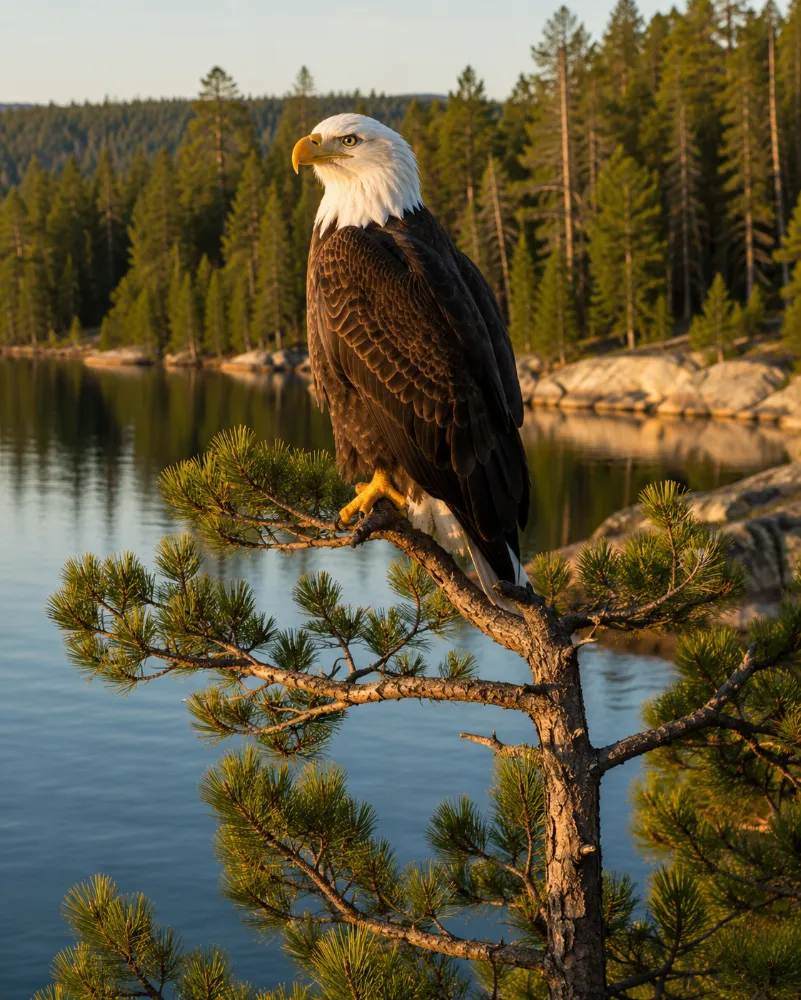
The bald eagle is a large North American bird of prey known for its white head, white tail, dark brown body, yellow bill, and powerful fish-hunting ability. Despite its name, it is not bald; “bald” originally meant whi···
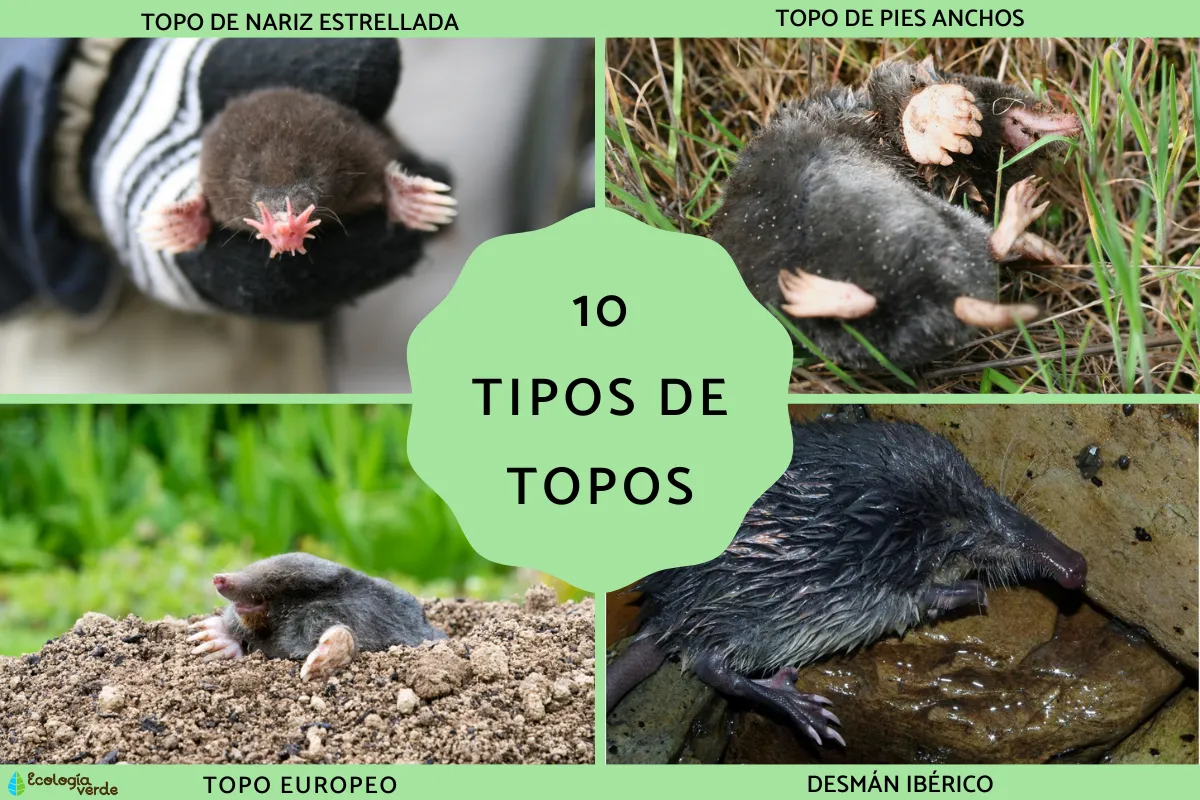
Moles are small mammals in the family Talpidae, best known for their underground lifestyle, powerful digging limbs, sensitive snouts, and velvety fur. Different types of moles live in North America, Europe, and Asia. Som···
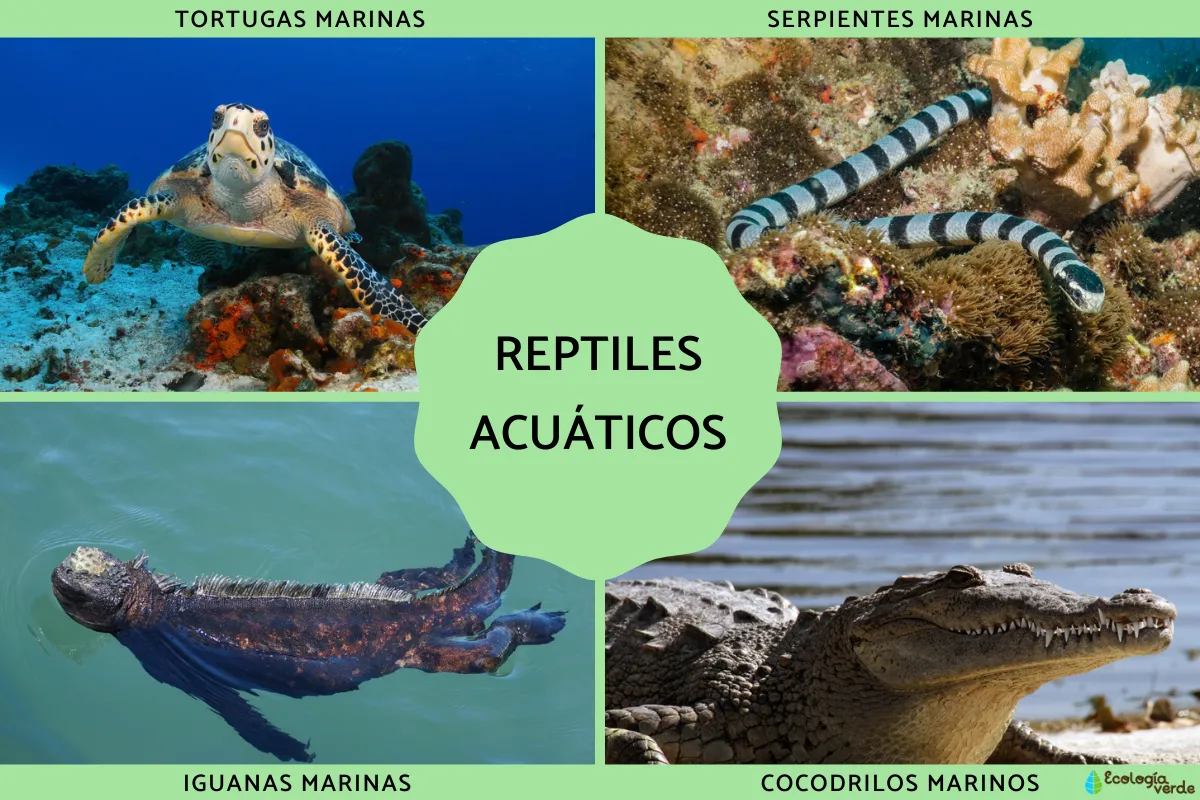
Aquatic reptiles are reptiles that spend much or most of their lives in water, including sea turtles, sea snakes, marine iguanas, crocodilians, and many freshwater turtles. Unlike fish, aquatic reptiles breathe air with ···
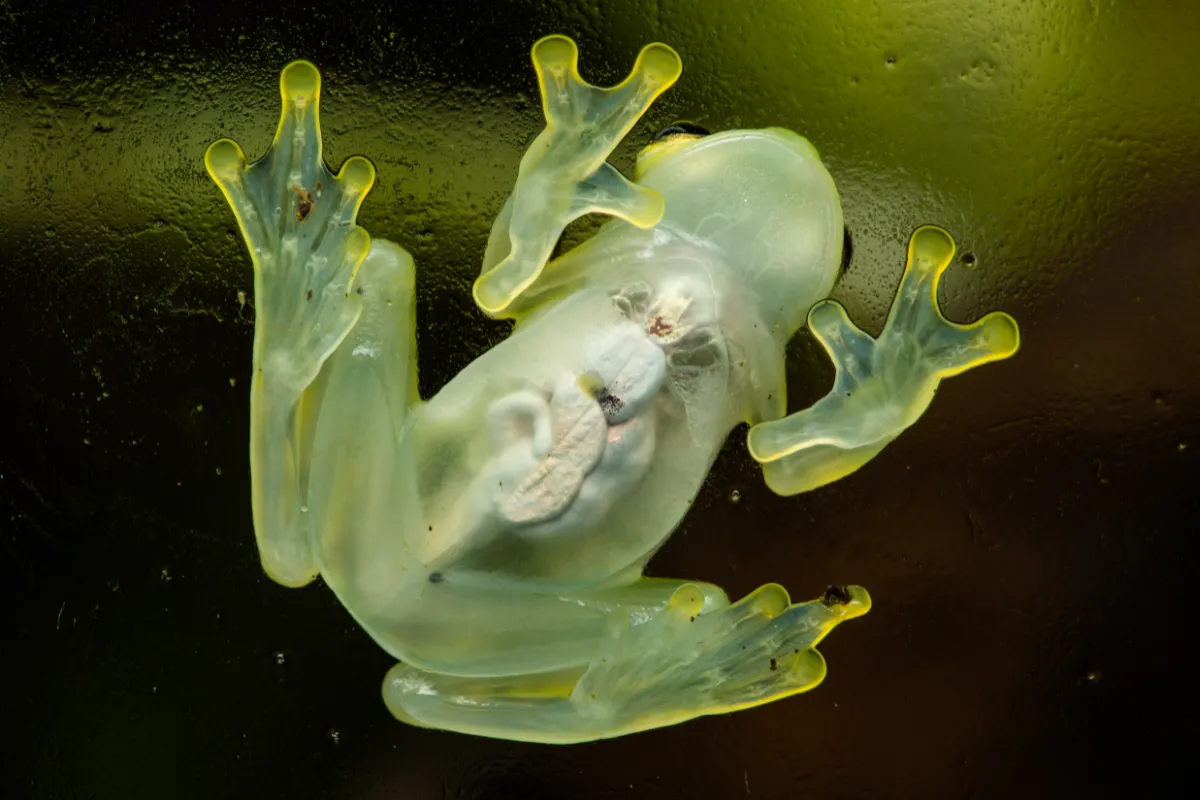
The glass frog is a small tropical frog best known for its semi-transparent belly, through which the heart, liver, intestines, and other internal organs may be visible. Glass frogs live mainly in the rainforests of Centr···
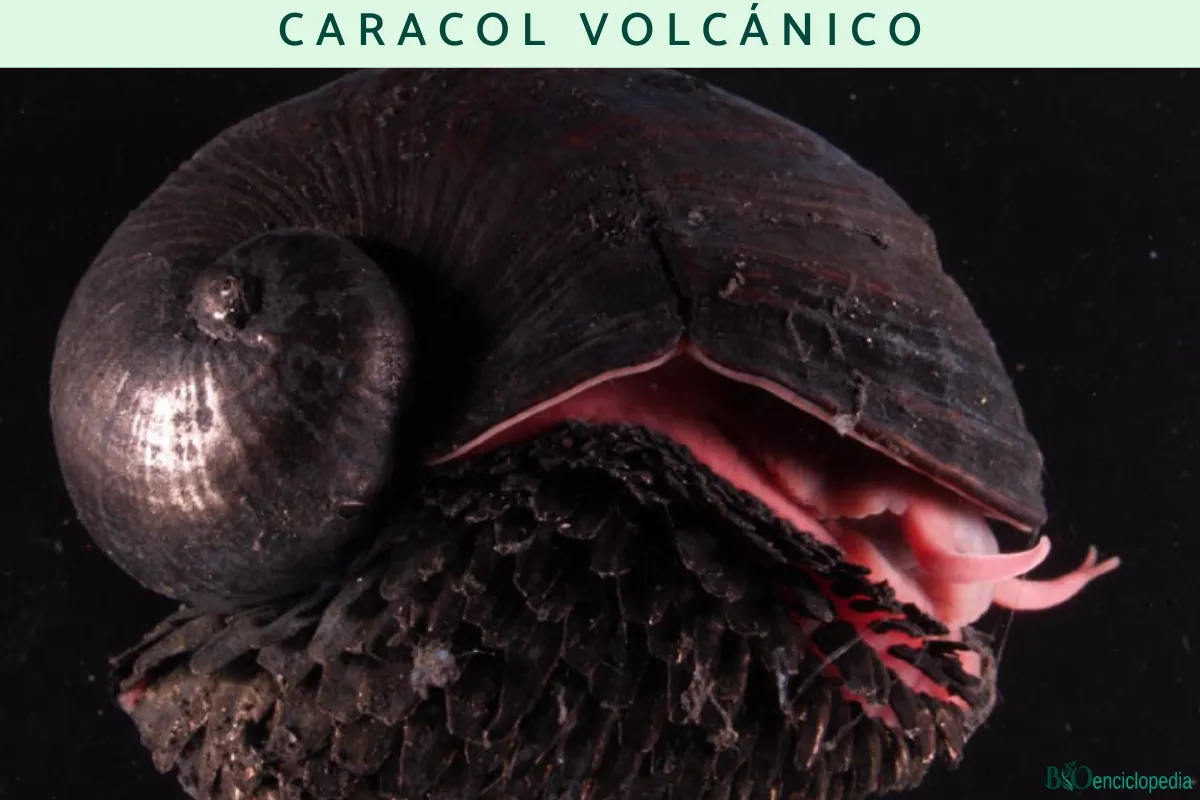
The volcano snail, or scaly-foot snail, is a deep-sea mollusk with iron armor. Learn where it lives, how it feeds, why it is endangered, and what makes it unique.
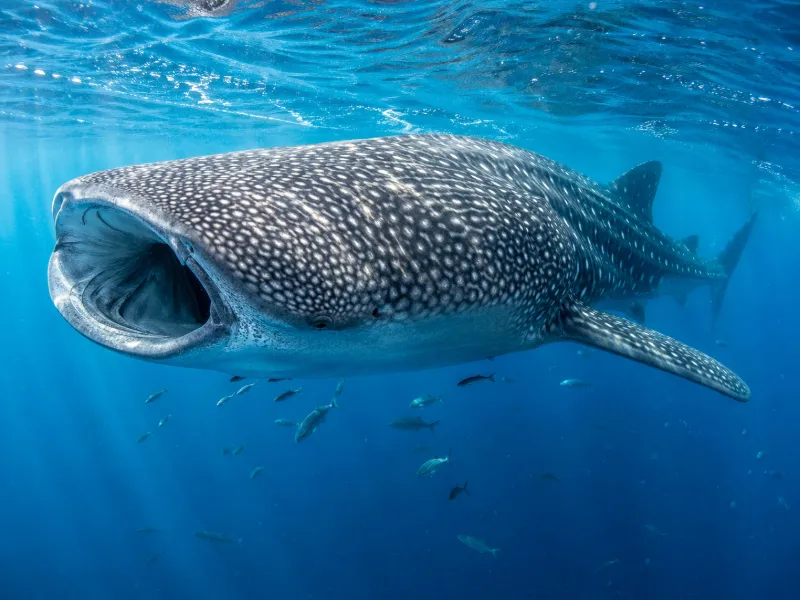
Learn how whale sharks work, including how they feed, breathe, swim, grow, migrate, and survive as the world’s largest fish.
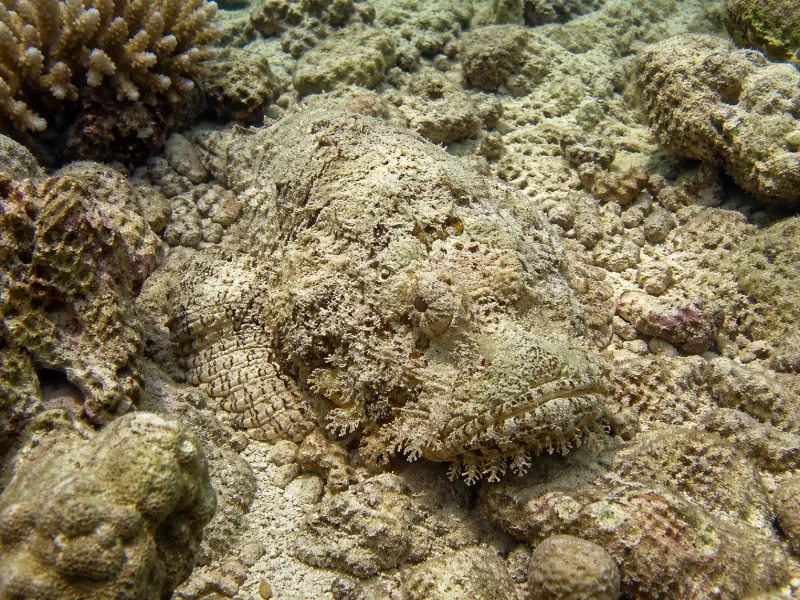
Learn stonefish facts, including where stonefish live, how venomous they are, what they look like, how they hunt, and why they are considered among the world’s most dangerous fish.
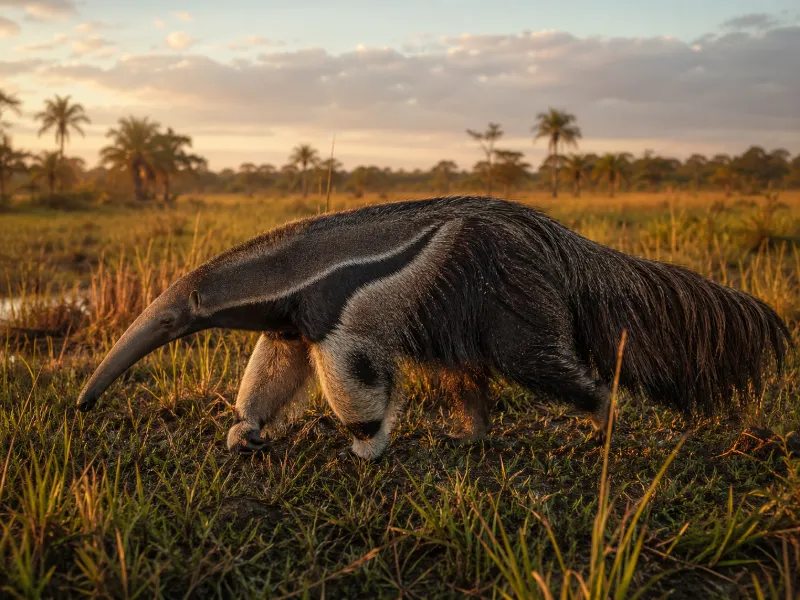
An anteater is a specialized mammal that feeds mainly on ants and termites. It is best known for its long snout, powerful claws, sticky tongue, and unusual feeding style. Anteaters live in Central and South America, wher···

Learn why the geoduck is called the world’s most NSFW mollusk, plus its size, anatomy, habitat, feeding habits, lifespan, and surprising ecological importance.
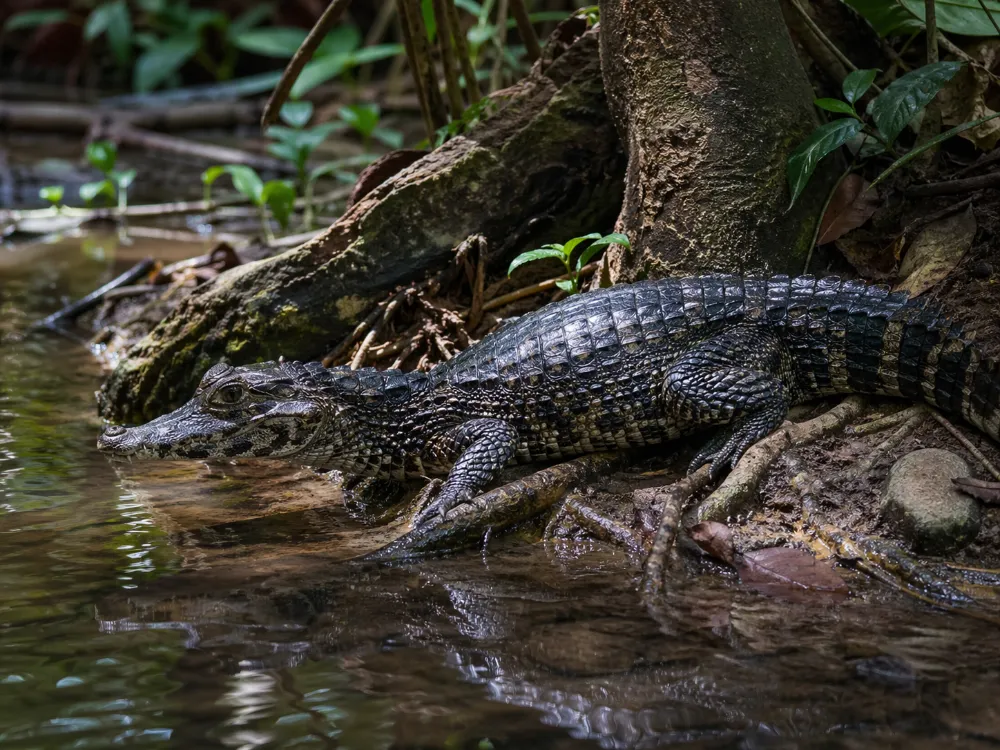
Learn Schneider’s dwarf caiman facts, including size, habitat, diet, range, behavior, and how this small armored crocodilian lives in South American rivers and forests.
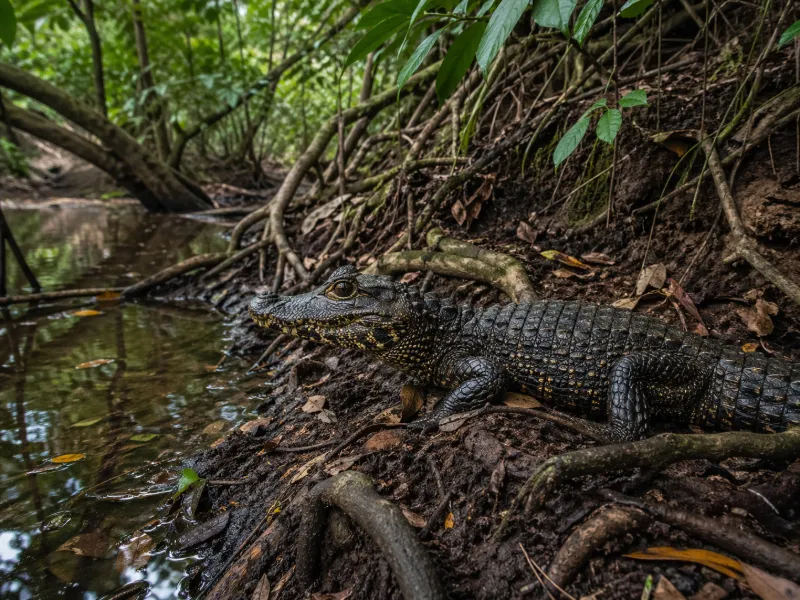
Learn Cuvier’s dwarf caiman facts, including size, habitat, diet, range, behavior, and how this small armored crocodilian lives in South American forests and rivers.
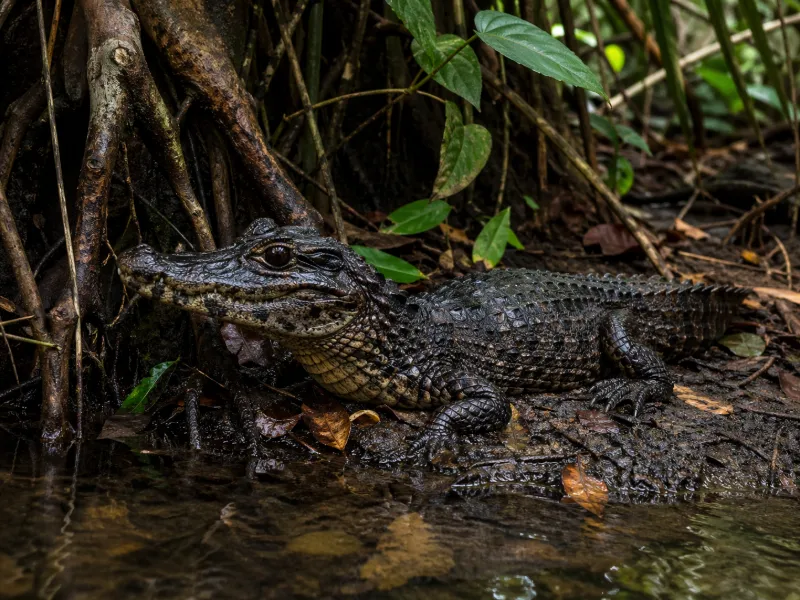
Learn dwarf caiman facts, including size, habitat, diet, range, behavior, and how these small armored crocodilians live in South American forests and rivers.
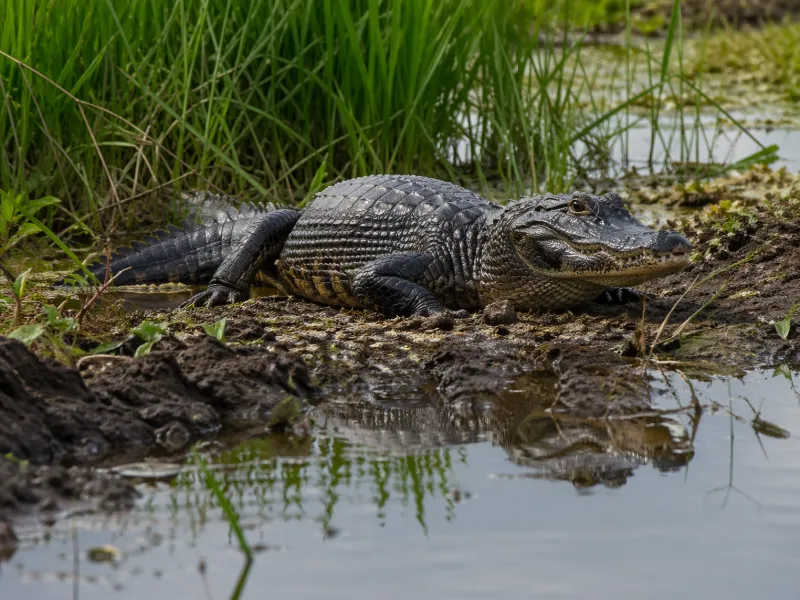
Learn yacare caiman facts, including size, habitat, diet, range, behavior, and how this South American crocodilian differs from other caimans.

Learn spectacled caiman facts, including size, habitat, diet, range, behavior, and how this adaptable crocodilian lives in Central and South America.
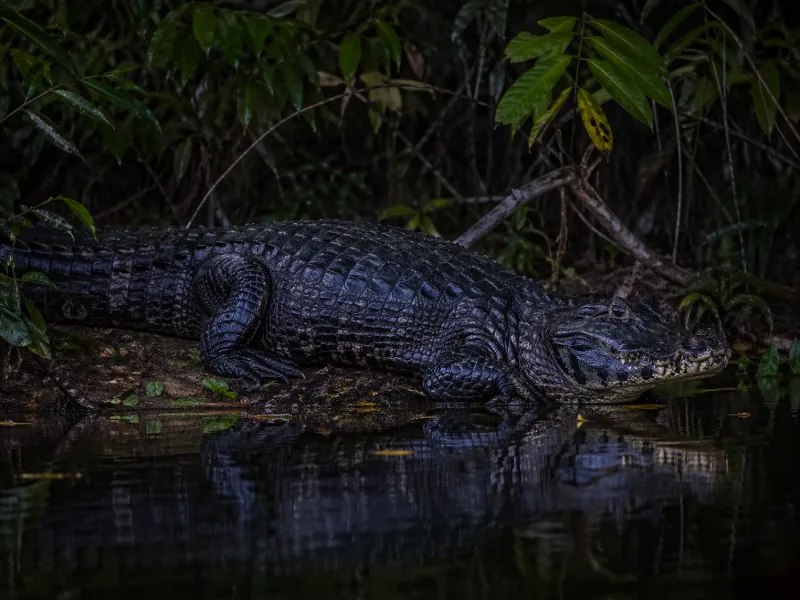
Learn black caiman facts, including size, habitat, diet, behavior, range, and how this large South American predator differs from other caimans.
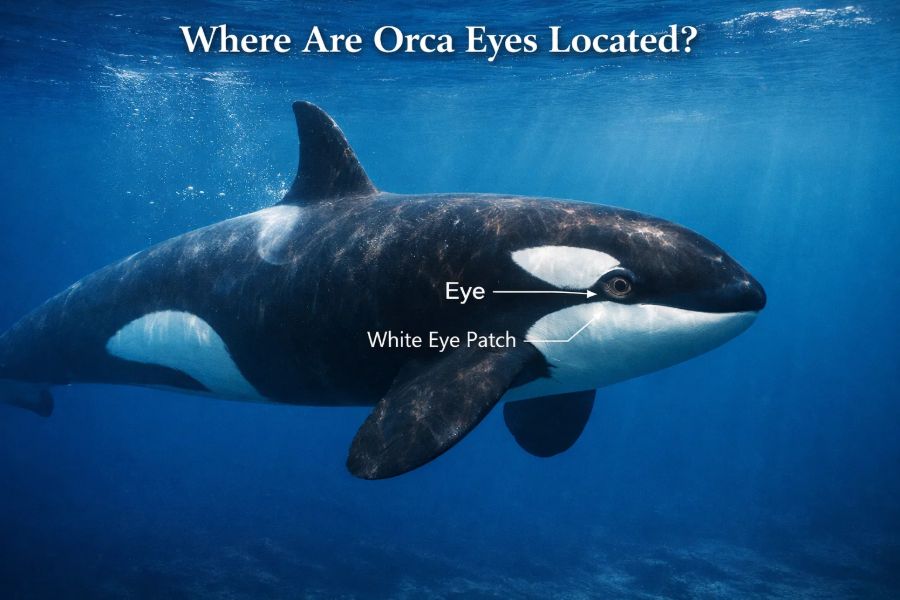
At first glance, many people assume the large white patch on each side of an orca’s head is the eye. It is not. An orca’s actual eye is a small dark eye located on each side of the head, just in front of the white eyes···