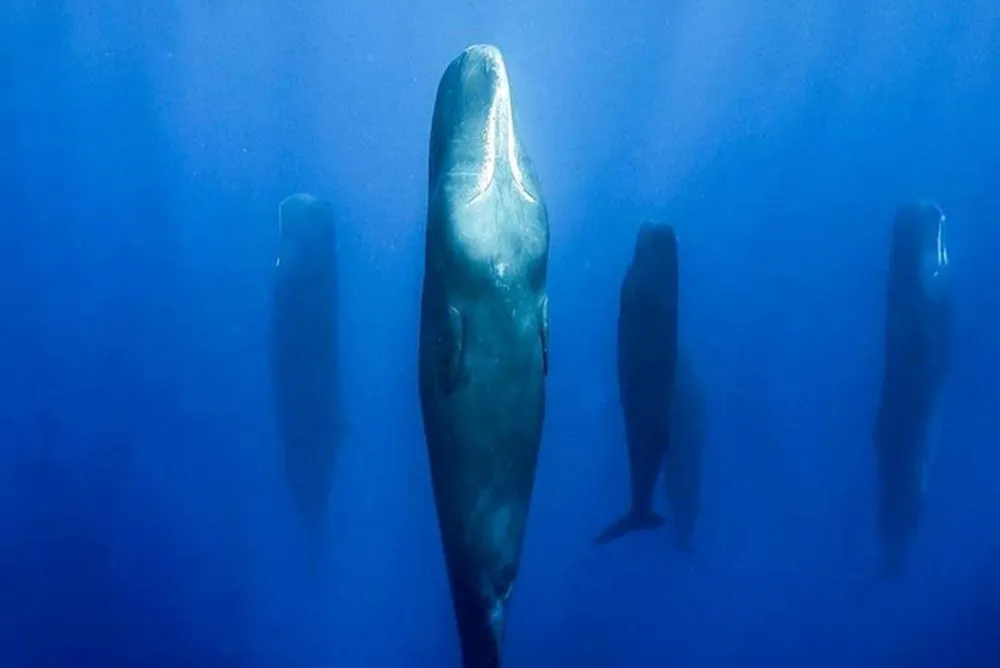
Do Whales Sleep? How Whales Rest and Breathe
Yes, whales sleep, but they do not sleep exactly like humans. Whales are air-breathing mammals, so they must continue reaching the surface to breathe while resting. Research on dolphins and other cetaceans has revealed an unusual pattern called unihemispheric slow-wave sleep, in which one side of th...
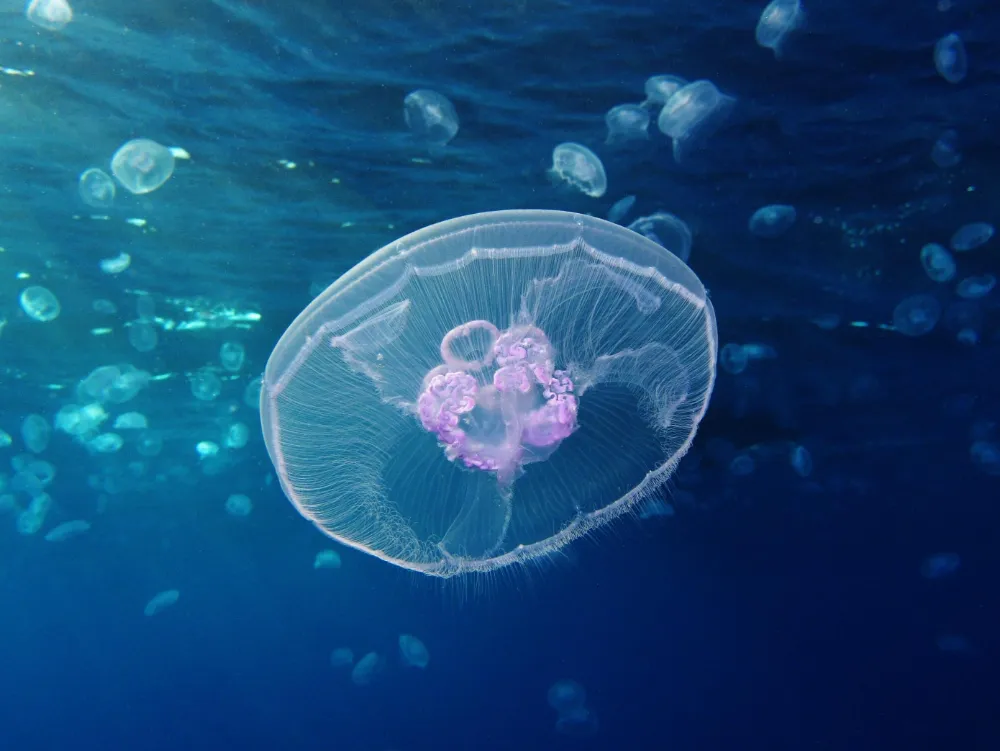
Do Jellyfish Have Brains? How They Survive Without One
No, jellyfish do not have brains, but they do have nervous systems. Instead of a centralized brain like those found in humans, fish, and many other animals, jellyfish possess networks of nerve cells distributed throughout their bodies. These nerve networks help them sense their surroundings, coordin...
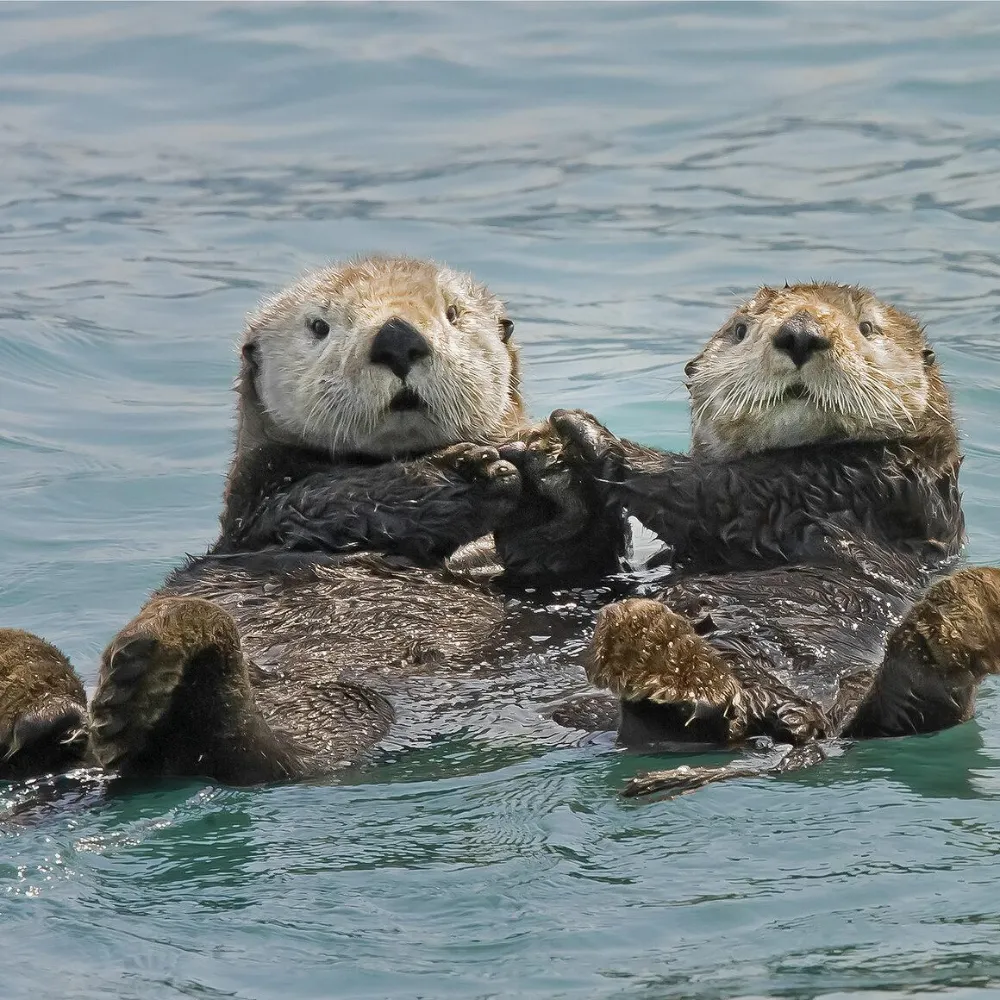
Why Do Sea Otters Hold Hands? The Real Reason
Sea otters sometimes hold hands, or more accurately paws, while resting on the ocean surface to help prevent themselves from drifting apart. However, this behavior is much less common in the wild than popular photographs and videos suggest. Sea otters often rest together in floating groups called ra...
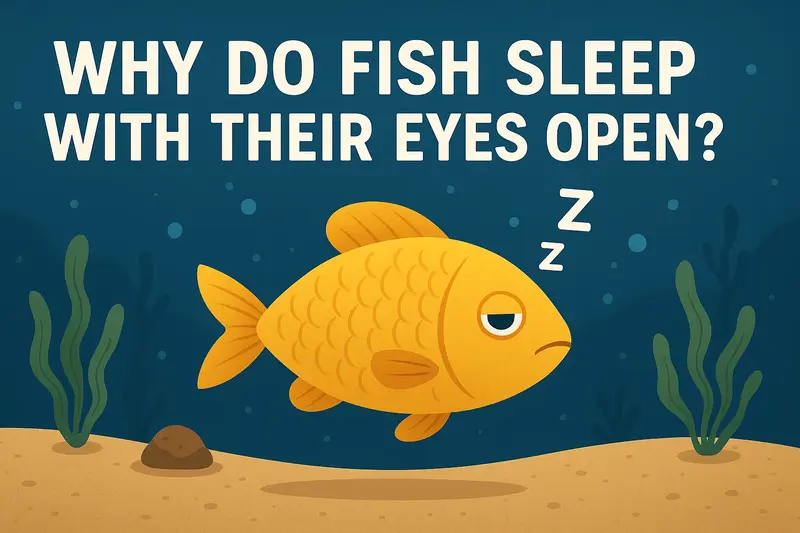
Why Do Fish Sleep With Their Eyes Open? A Scientific Look at Aquatic Sleep Behavior
To humans, closing one's eyes is a universal sign of sleep. However, fish appear to remain wide-eyed even when resting. Does this mean fish don’t sleep, or do they sleep with their eyes open? This article explores the physiological and behavioral reasons behind this phenomenon from a zoological...
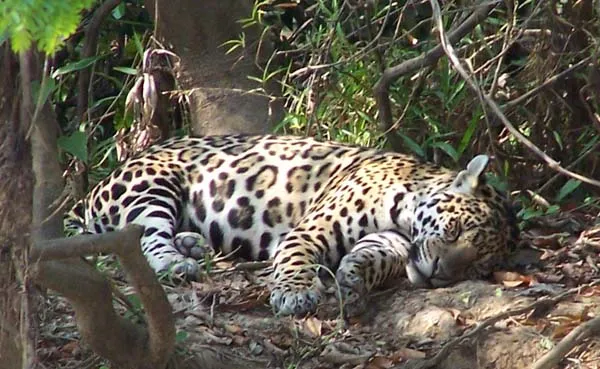
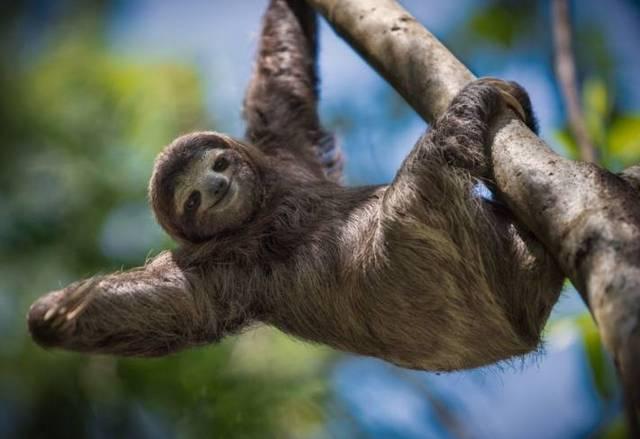
Which animals Sleep the most? Revealing the world's most sleep-loving animals
Which animals Sleep the most? Revealing the world's most sleep-loving animalsIntroductionIn nature, sleep is essential for animals. It not only helps them recover their physical strength, but also enhances immunity and consolidates However, different animals have different sleeping habits. Some...