Most people worry about someone stealing their blanket at night — not about a tiny creature stealing their blood. Yet that’s exactly what happens when bedbugs move in.
For decades, many people in the United States and Europe barely knew bedbugs were real. After widespread use of DDT in the mid-1900s, infestations nearly disappeared. But with international travel booming, secondhand furniture becoming more common, and modern restrictions on strong pesticides, bedbugs have made a global comeback.
This article explains what bedbugs are, how they live and bite, how to confirm an infestation, and — most importantly — how to eliminate them using proven, science-based strategies.
What Exactly Are Bedbugs?
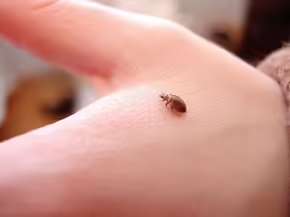
Bedbugs (Cimex lectularius) are small, blood-feeding insects that have lived alongside humans for thousands of years. They feed on humans, birds, and even bats, but they are best known for their habit of biting people while they sleep — hence the name “bedbugs.”
Key Characteristics
Size: Adult bedbugs are about 0.2–0.3 inches (5–7 mm) long — roughly the size of an apple seed.
Shape: Flat, oval, and extremely thin before feeding.
Color: Tan to reddish-brown; turns darker and more swollen after a blood meal.
Movement: No wings. They cannot fly or jump but move quickly across surfaces.
Hiding Ability: Their flat bodies allow them to squeeze into tiny cracks — mattress seams, furniture joints, wall gaps, electrical outlets, and more.
Even the cleanest home can develop a bedbug infestation. Bedbugs are attracted to blood, not dirt.
Why Do Bedbugs Bite at Night?
Bedbugs are nocturnal and feed almost exclusively when their host is asleep. They prefer:
Beds and mattresses
Sofas and soft furniture
Bed frames
Baseboards and molding
Luggage, clothing, and secondhand furniture
Cracks in walls, floors, and wooden furniture
They show a strong preference for wood and fabric, though they can hide almost anywhere that is dark and protected.
How Do Bedbugs Bite & What Do Bites Look Like?
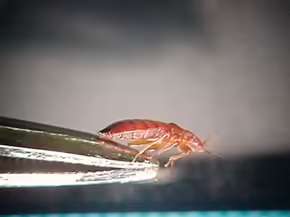
Bedbugs use a needle-like mouthpart to pierce the skin and draw blood. During feeding:
They inject saliva containing anticoagulants and mild anesthetics.
Bites usually go unnoticed during the night.
Feeding lasts 3–10 minutes.
Do Bedbugs Transmit Diseases?
No.
So far, bedbugs are not known to transmit any pathogens to humans.
Common Bite Reactions
Red, itchy welts
Swelling
Linear “breakfast-lunch-dinner” bite patterns
In some individuals, no visible reaction at all
In sensitive individuals, large allergic responses may occur
The physical harm is usually mild, but the stress, anxiety, and sleep loss they cause can be significant.
How Bedbugs Enter Your Home
Bedbugs are master hitchhikers. They commonly spread through:
1. Travel
Hotels, hostels, and short-term rentals are high-risk hotspots. Bugs can hide in:
Luggage
Clothes
Backpacks
2. Secondhand Furniture
Used sofas, beds, chairs, and even wooden shelves may harbor hidden bugs.
3. Neighboring Infestations
In apartments, bedbugs easily spread through:
Wall cracks
Pipes
Electrical outlets
Ventilation systems
4. Long-Vacant Properties
Adult bedbugs can survive up to a year without feeding, meaning empty homes may still contain live insects.
How to Confirm a Bedbug Infestation
Because bedbug bites resemble mosquito bites, visual confirmation is essential.
Signs of Bedbugs
Live or dead bedbugs
Tiny white eggs or eggshells
Rust-colored fecal spots on sheets or mattresses
Shed exoskeletons
Blood smears on bedding
A sweet or musty odor (in severe cases)
Finding even a single confirmed bedbug should be taken seriously — where there is one, more are likely nearby.
How to Get Rid of Bedbugs (Scientifically Proven Methods)
Eliminating bedbugs is rarely simple. Modern extermination usually requires a combination of techniques and often professional help.
Below are the most effective solutions.
1. Heat Treatment (One of the Most Effective Methods)
Bedbugs die quickly at high temperatures.
Above 120°F (49°C) kills all life stages
Professional heat treatments warm the entire room to lethal temperatures
Kills bedbugs inside mattresses, walls, and furniture
2. Freezing Treatment
Rapid freezing (below 0°C / 32°F) can kill bedbugs, though less reliably than heat.
3. Deep Vacuuming
Used to remove:
Live bugs
Eggs
Cast skins
Carpets, upholstery, bed frames, and floorboards should be vacuumed thoroughly.
4. Washing and Drying Fabrics
Wash all bedding and clothing from the affected room.
Dry on high heat for at least 30 minutes — this kills bugs and eggs instantly.
5. Mattress Encasements
Special zippered covers trap bugs inside and prevent new ones from hiding.
Enclosed bugs die from starvation over several months.
6. Insecticides (Professionally Applied)
Multiple formulas are used, including:
• Dust Insecticides
Silica gel or diatomaceous earth:
Abrade the insect’s exoskeleton
Cause dehydration and death
• Contact Killers
Often include pyrethroids or chlorfenapyr.
Kill bugs that are directly sprayed.
• Insect Growth Regulators (IGRs)
Prevent bedbugs from maturing or reproducing.
• Whole-Home Fumigation
Highly effective but costly; used for severe or widespread infestations.
Common Misconceptions About Bedbug Removal
“If I throw out my mattress, the problem will disappear.”
Bedbugs often hide in walls, furniture, and flooring — not just the bed.
“Only dirty homes get bedbugs.”
Untrue. Bedbugs care only about blood, not cleanliness.
“I can use traps or food bait.”
Bedbugs are not attracted to food — only human body heat and CO₂.
“I’ll put infested furniture on the curb.”
This spreads infestations. Mark or destroy furniture before disposal.
Final Thoughts: Bedbugs Are Frustrating — But Eliminatable
Bedbugs don’t spread disease, but they cause major discomfort, stress, and financial burdens.
The good news: with accurate identification, proper cleaning, heat treatments, and professional intervention, the vast majority of infestations can be eliminated completely.