Meet the Kids
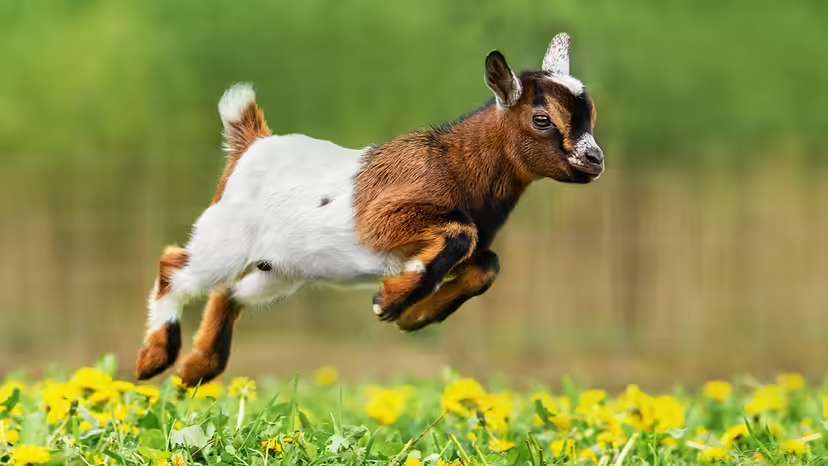
If you’ve ever visited a farm or watched videos of playful little goats hopping around, you might wonder: what exactly is a baby goat called?
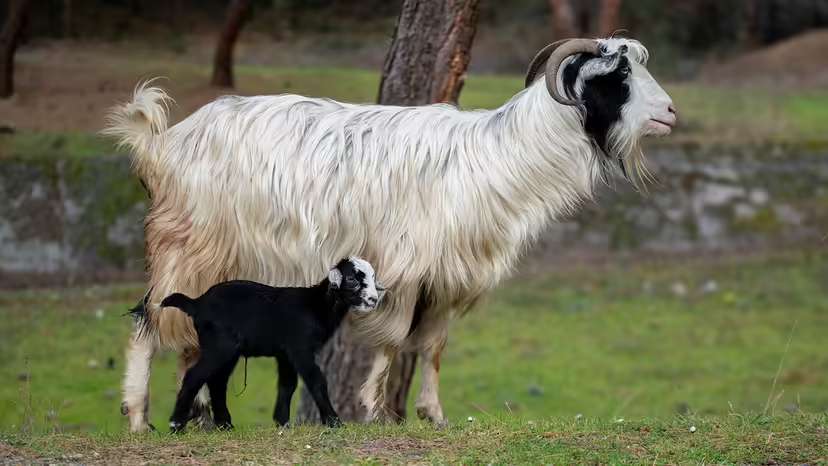
The general and most widely used term is “kid.”
This name applies to all baby goats, regardless of sex. The word “kid” has been linked to young goats for hundreds of years, and only later did it become a casual term in English for children as well.
However, when goat breeders, farmers, or veterinarians need to be more specific—especially in herd management or breeding programs—there are additional terms used to distinguish males from females.
Buckling → a young male goat
Doeling → a young female goat
These terms help identify animals accurately for breeding, health monitoring, and record-keeping.
Adult Male and Female Goats
As baby goats grow, their names change along with their roles in the herd.
Adult female goat: doe
(Also called a nanny goat in informal or regional speech.)Adult male goat: buck
(Sometimes casually called a billy goat.)
These naming conventions are especially important for anyone raising goats for:
Milk production (doe selection matters)
Breeding programs
Companionship or hobby farming
Show goats or registered breeds
Correctly identifying bucklings and doelings early on prevents breeding mistakes, keeps herd dynamics healthy, and ensures proper veterinary care.
Why the Terms Matter
Using the right terminology when talking about goats does more than make you sound knowledgeable—it keeps communication accurate and efficient.
1. Animal Care and Health Records
Farmers, breeders, and vets rely on precise terminology to track:
Growth rates
Breeding cycles
Genetic lines
Medical treatments
Confusing a buckling with a doeling can affect herd planning or cause unexpected pregnancies in young does.
2. Respecting a Keeper’s Connection
People who raise goats often form strong emotional bonds with their animals.
Using correct terms such as “doeling” or “buckling” shows:
Respect
Professionalism
Understanding of the species
3. Learning Better Animal Husbandry
Whether you're a beginner farmer, a student, or an animal enthusiast, using the right names helps you communicate clearly with experienced goat keepers—and learn faster.
Final Thoughts
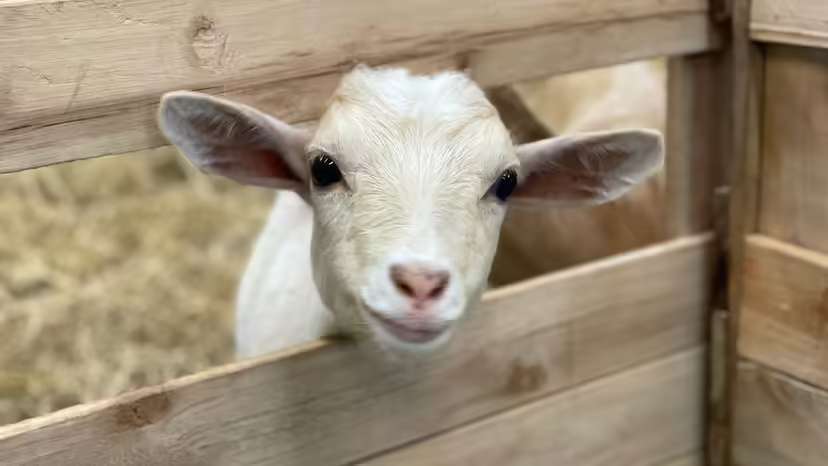
While all baby goats are “kids,” learning the more specific terms—buckling for young males and doeling for young females—gives you a deeper understanding of goat care and farm language.
And the next time you meet a playful, bouncing little goat, you’ll know exactly what to call it.