



 LC
LC
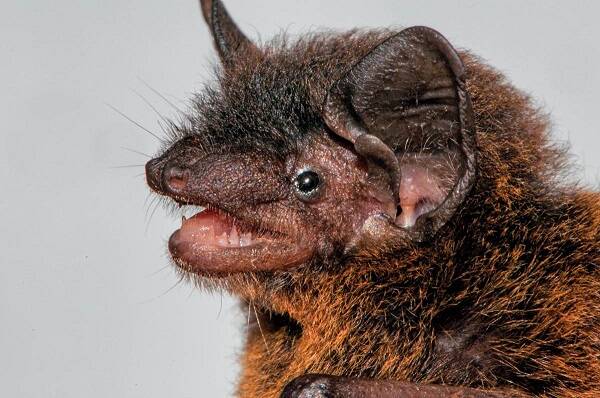
Pipistrellus abramus
Pipistrellus abramus
The East Asian pipistrella, also known as the Japanese Pipistrella, is the most common species in the evening sky in urban and rur···
Browse animal species by major group, then open detailed profiles for scientific names, habitats, lifespans, key traits, and conservation status.

Start with one of the six major groups used across Animals Top.
Filter the animals shown on this page by name, scientific name, group, or IUCN code.
LC
Pipistrellus abramus
The East Asian pipistrella, also known as the Japanese Pipistrella, is the most common species in the evening sky in urban and rur···
 LC
LC
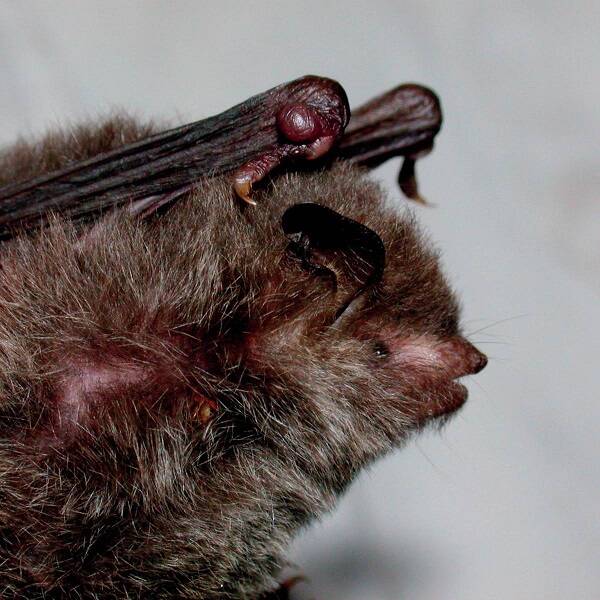
Myotis siligorensis
The size of the tall cranial Myotis bat in Vietnam varies greatly, so the subspecies of this species remains to be studied. The Ch···
 LC
LC
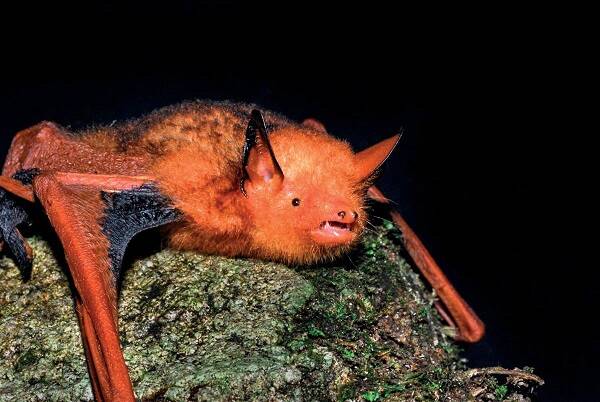
Myotis rufoniger
Myotis Watasei feeds on insects, especially mosquitoes, and is beneficial to humans. Csorba et al. (2014) classified the goatley-e···
 LC
LC
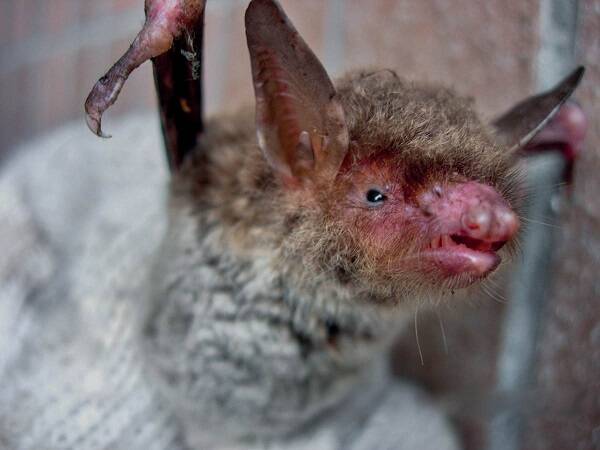
Myotis ricketti
Big-footed mouse-eared bats have attracted much attention because of their special habit of catching fish on the surface for food.···
 LC
LC
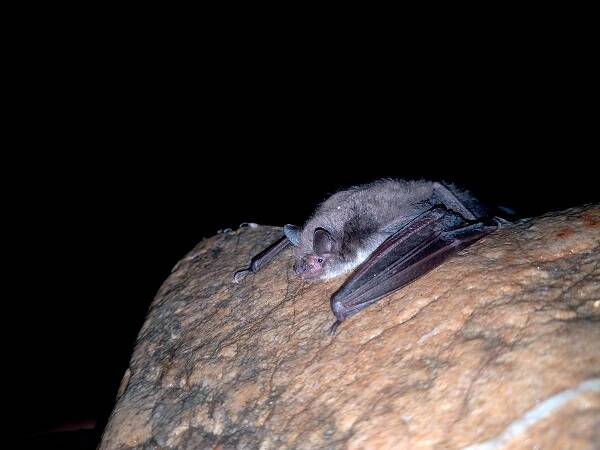
Myotis petax
They often live in groups in caves, fly in forest glades, and also fly above water, suggesting that they may trawl the water for f···
 LC
LC
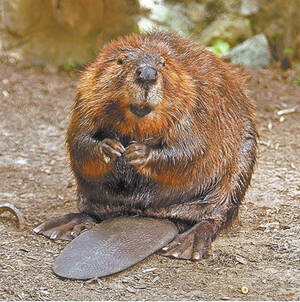
Aplodontia rufa,Mountain Beaver
The Mountain Beaver (Aplodontia rufa) has seven subspecies.Mountain beavers live in burrows like most other rodents and have a goo···
 LC
LC
Cynocephalus volans
The Philippine Cynocephalus volans feeds on leaves, buds, flowers and fruits. He sleeps during the day and comes out at night. Whe···
 LC
LC
Cynocephalus variegatus,Malayan flying lemur
Malayan flying lemur (Cynocephalus variegatus) is a member of the Cynocephalus family.The colugo rests upside down in tree holes o···
 LC
LC
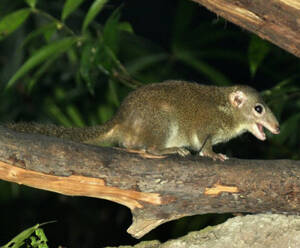
common tree shrew,Tupaia glis
The common tree shrew (Tupaia glis) is a genus of tree shrew with no subspecies. Good climbing, mostly on trees, vines or shrubs, ···
 LC
LC
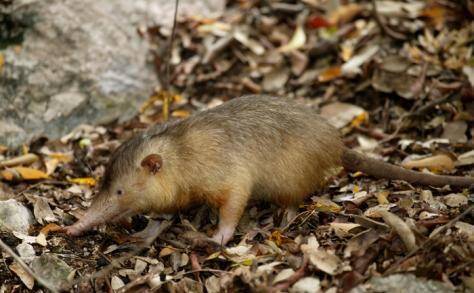
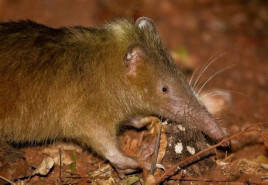
Solenodon marcanoi
Solenodon marcanoi is a species of furrow toothed shrew. Nocturnal, living in caves. Sensitive sense of touch, use the sense of to···
 LC
LC
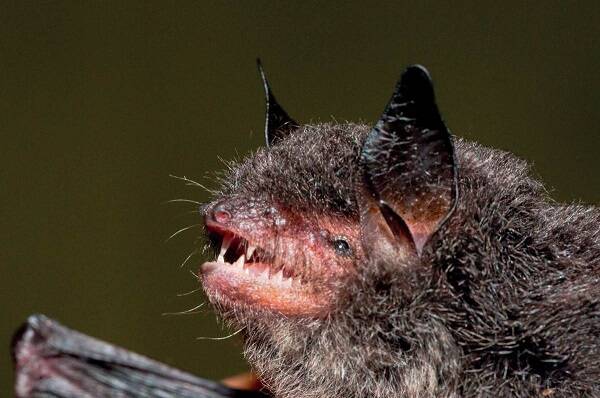
Solenodon paradoxus
Solenodon paradoxus is a mammal that lives on the island of Hispaniola in the Caribbean (Dominican Republic and Haiti).The shrew s···
 LC
LC
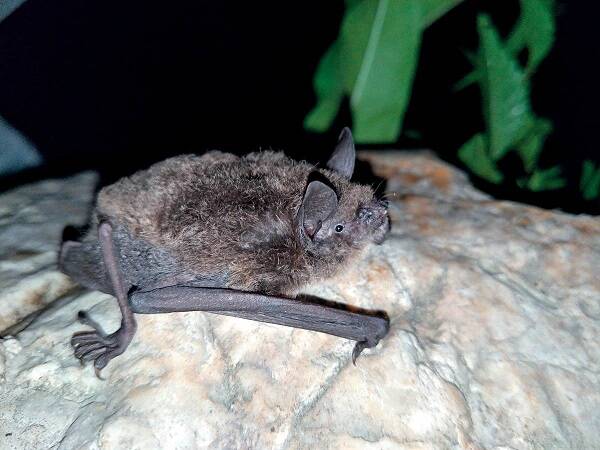
Myotis muricola
Mountain Myotis bats often live in damp and ventilated caves or tunnels, but also have been reported to live in tree holes and eav···
 LC
LC
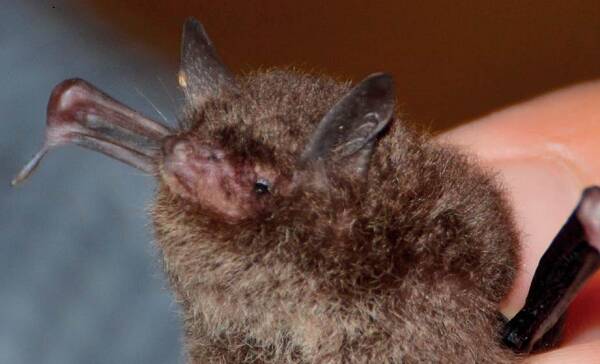
Myotis macrodactylus
The Great toed Myotis bats inhabit the damp cave walls of the northeast in summer and migrate to warmer areas in winter. The popul···
 LC
LC
Myotis longipes
Myotis capaccinii was once classified as a subspecies of Myotis capaccinii. However, Ellerman et al. (1951) separate it as a speci···
LC
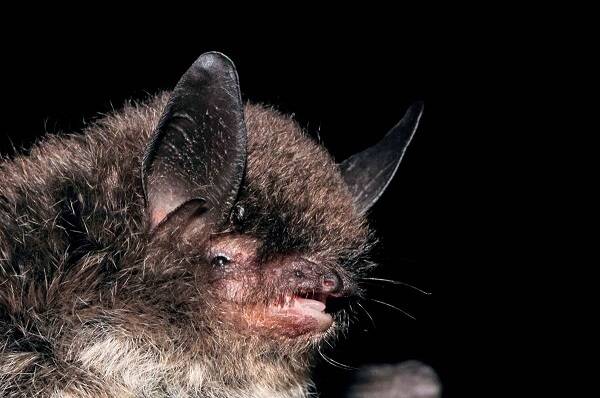
Myotis petax
East Asian water myoets often live in groups in caves, fly in forest glades, and also fly above water, suggesting that they may tr···
 LC
LC
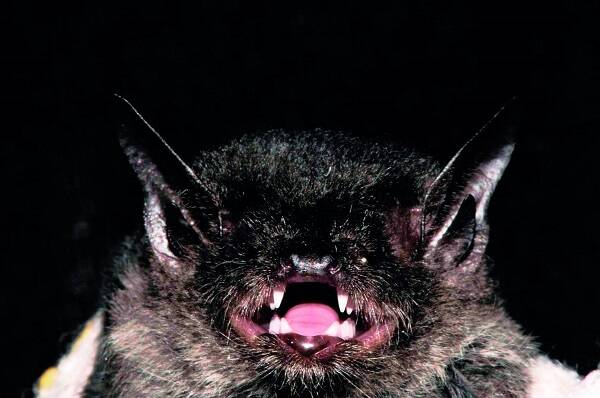
Myotis laniger
The South China Water Myotis bat is a very common bat with a wide distribution range. It is mostly collected from caves, including···
 LC
LC
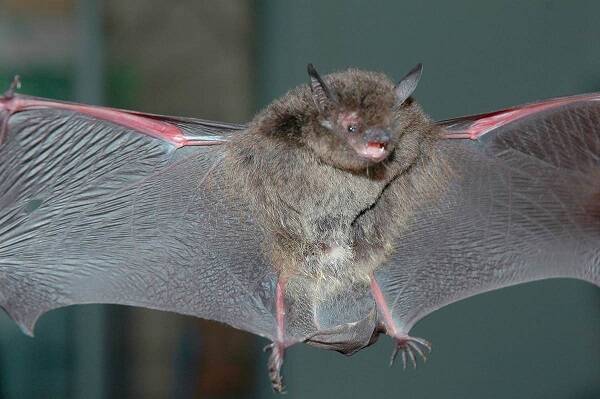
Myotis indochinensis
Myotis chinensis is a separate species from the mountain Myotis montivagus by Son et al. (2013). Previously, it was found in China···
 LC
LC
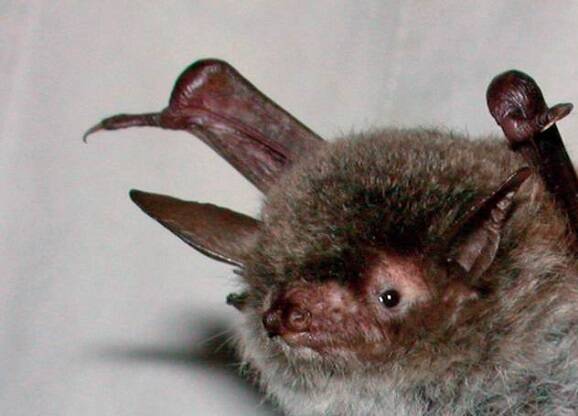
Myotis adversus
According to the literature, Myotis laniger is slightly larger than Myotis laniger, but it is not easily separated in the field id···
 LC
LC
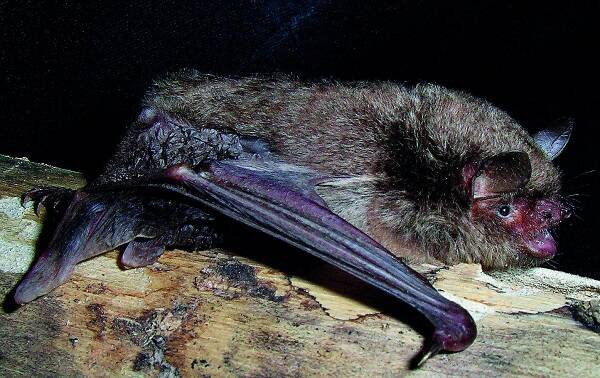
Myotis hasseltii
Myotis horsfieldii belongs to the subgenus <Leuconoe> and is particularly similar to Myotis Horsfieldii, except that the pte···
 LC
LC
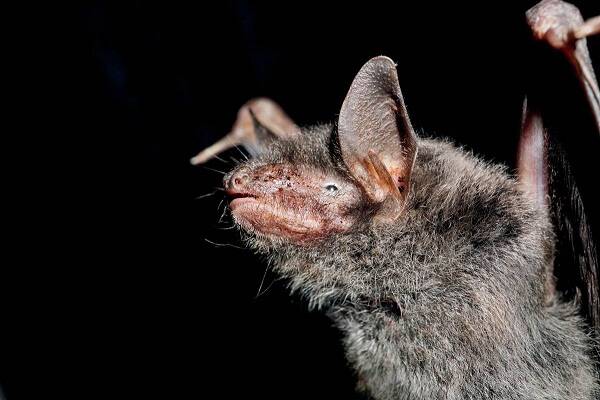
Myotis fimbriatus
There may be some confusion about the classification of hairy-legged Myotis bats. Different scholars have different classification···
 LC
LC
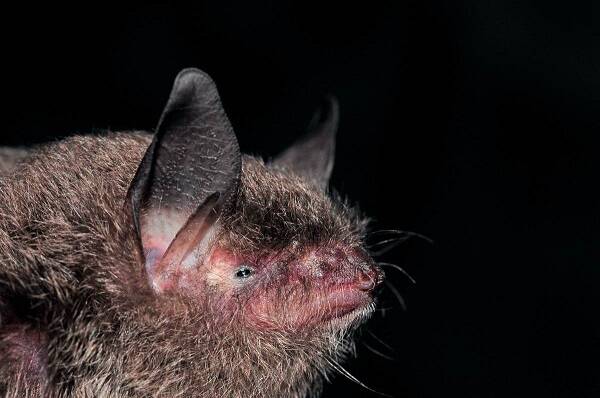
Myotis chinensis
The Chinese Myotis bat is one of the larger species of bat family. It inhabits large caves, hanging single or in numbers from the ···
 LC
LC
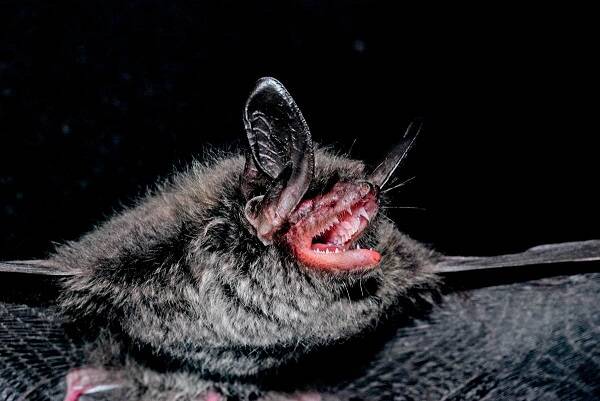
Myotis badius
Chinchilla bats belong to the Myotis siligorensis group, which was first identified and named in Yunnan, China, in 2011。It often ···
 LC
LC
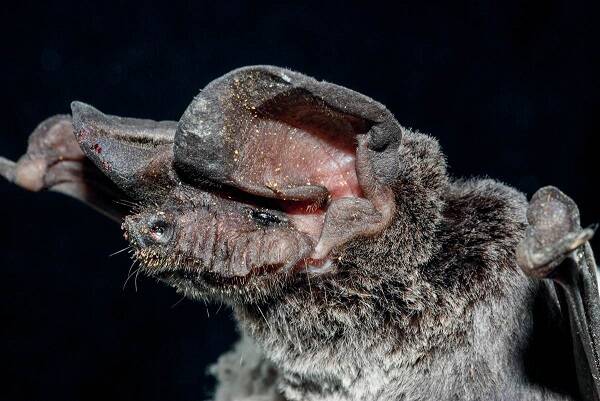
Myotis altarium Thomas
Southwest Mouse-eared bat, also known as Emei Mouse-eared Bat or Sichuan Mouse-eared bat, is an animal of the genus Mouse-eared ba···
 LC
LC
,Chaerephon plicata,
During the day, small groups lurk in caves, cliff cracks, and also hide in cracks in buildings such as houses. Morning and night o···