


Insects Diptera (flies, mosquitoes, gnats, midges, flies)
[Economic Significance] Diptera includes flies, mosquitoes, gnats, midges and flies, with only one pair of developed for···
Protecting wild animals means caring for humans themselves. Don’t let our children see today’s animals only in museums.
Browse dinosaur news, paleontology articles, rankings, and beginner-friendly prehistoric reading.
[Economic Significance] Diptera includes flies, mosquitoes, gnats, midges and flies, with only one pair of developed for···

[Economic significance] Lepidoptera includes butterflies (butterflies) and moths, and is the second largest order in the···

[Economic significance] The adults of Trichoptera are called caddisflies, and the larvae are called caddis flies. Caddis···

This order is usually called booklice, because some species often live in books, and some live in grains. They are more ···

Insects of this order are not closely related to humans. A few species harm flowers, stored grains, stored fruits, silkw···

This order is a primitive and rare insect with a gregarious living habit. Anoptera is the smallest order in the class In···

This order is named because the tarsus of the forefoot can secrete silk webs or form nests. It is herbivorous and causes···

Mecopteran insects are generally called scorpion flies. There are about 500 species known in the world, with more specie···

[Economic Significance] Isoptera is a type of social insect with gregarious nesting habits and complex hierarchical diff···

[Economic Significance] Parasitic insects have complex metamorphosis and dimorphism. Some species parasitize agricultura···

The shape of these insects resembles both crickets and cockroaches, hence the name Blattida. Body length 13-30 mm. Wingl···

[Economic Significance] Coleoptera is commonly known as beetles. The forewings are cutinized into elytra, and the body i···

The head is small, the antennae are filamentous, and the mouthparts are chewing. The prothorax is short; the middle and ···

[Economic Significance] Neuroptera includes lacewings, ant flies, mantises, mealy flies, water flies, etc. Adults and la···

[Economic significance] Orthoptera includes our common locusts, grasshoppers, katydids, crickets, mole crickets, fleas, ···

[Economic Significance] The gnat insect is named after its snake-like shape. Adults can be found in flowers, leaves, tre···

[Economic Significance] The mantis has a unique shape. Its head is as broad as a horse's head, and its front feet are sh···
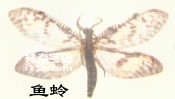
Commonly known as mud flies and fish flies, there are less than 300 known species in the world. They are mostly found ne···

[Economic significance] Commonly known as cockroach. Some species live indoors and are good at running around, feeding a···

[Economic Significance] The basal half of the forewings of most species of adult insects are leathery and the distal hal···

[Economic significance] Commonly known as stonefly. Most adult insects do not feed, but a few species can harm crops and···

[Economic Significance] Homoptera includes cicadas, foamhoppers, leafhoppers, treehoppers, waxhoppers, planthoppers, psy···

[Economic Significance] Dragonflies have slender bodies, bright colors, elegant postures, flexible and agile flight, int···

[Economic Significance] Because many species of insects of this order often inhabit the flowers of large thistles, small···