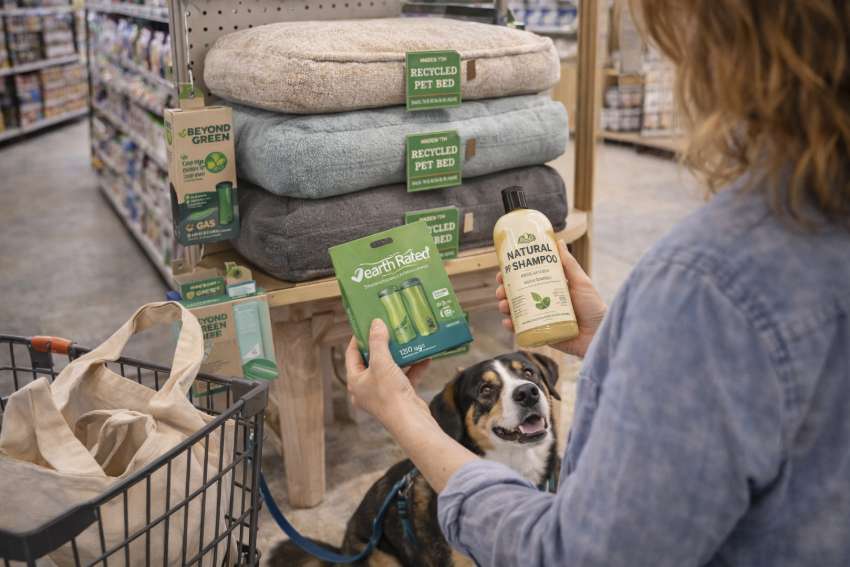
Going eco-friendly with your pet doesn’t have to mean buying the most expensive “green” product on the shelf. The best sustainable swaps are the ones that actually work in daily life—reduce waste, avoid misleading claims, and keep your pet safe and comfortable. For most dog and cat owners, the biggest impact comes from a few practical areas: poop bag waste, bedding materials, and grooming products you rinse down the drain.
This guide covers what to look for in eco-friendly pet products (and what to avoid), how to choose biodegradable poop bags, recycled pet beds, and natural shampoos, plus realistic tips to reduce your pet’s footprint without sacrificing hygiene or convenience.
1. What “Eco-Friendly” Should Mean for Pet Products
Eco claims can be confusing. A truly eco-friendly pet product generally aims to reduce impact across materials, manufacturing, and disposal.
Lower waste: less packaging, refill options, durable products that last longer.
Better materials: recycled content, responsibly sourced fibers, fewer harsh chemicals.
Safer use: non-toxic ingredients where it matters (skin, paws, coat, water systems).
Honest end-of-life plan: compostable or recyclable only if it’s realistic where you live.
Practical mindset: The “greenest” product is often the one you use fully and replace less often.
2. Biodegradable Poop Bags: How to Choose the Right Ones (Without Falling for Greenwashing)
Poop bags are one of the easiest eco swaps—but they’re also one of the most misleading categories. Many bags claim “biodegradable” while behaving like normal plastic in a landfill.
2.1 Biodegradable vs Compostable (Why the Difference Matters)
Biodegradable: a broad term. It may break down eventually, but timing and conditions can vary widely.
Compostable: designed to break down under specific composting conditions (often industrial). Home compostability is a different standard.
Apartment reality: In many US/European cities, pet waste is not accepted in curbside compost. If you don’t have access to appropriate composting, the best you can do is choose a lower-impact bag and reduce overall waste elsewhere.
2.2 What to Look for in “Better” Poop Bags
Clear certification claims: look for compostability standards rather than vague “eco” language.
Thickness and leak resistance: eco shouldn’t mean messy.
Easy tear and easy open: convenience prevents double-bagging and waste.
Right size for your dog: undersized bags cause accidents and wasted bags.
Minimal packaging: recycled cardboard, fewer plastic wraps.
2.3 The Honest Poop Bag “Best Practice”
Choose a strong, certified compostable/plant-based bag if available in your region
Use one bag per pickup (avoid double-bagging by choosing better thickness)
Dispose according to local rules (often trash—yes, even for compostable bags)
Keep bags on every leash so you don’t need emergency extra packaging
3. Recycled (and Sustainable) Pet Beds: What Actually Matters
Pet beds can be surprisingly waste-heavy: synthetic stuffing, mixed-material covers, and frequent replacement when the bed flattens or gets smelly.
3.1 What to Look for in a Recycled or Sustainable Bed
Recycled fill: often made from recycled plastic bottles or textile waste.
Replaceable covers: removable, washable covers extend the bed’s life.
Durability: strong seams and tougher fabrics reduce replacement frequency.
Right bed type for your pet: choosing the wrong style leads to chewing, flattening, and quick replacement.
3.2 Best Bed Styles for Long Life (Less Replacement = More Sustainable)
Bolster beds: good for dogs that like to curl or lean.
Flat mats: good for crates and easy washing, often less material overall.
Orthopedic foam: can last longer if it’s high density, especially for older dogs.
3.3 Hidden “Eco” Traps with Beds
Non-washable beds: they get tossed sooner.
Cheap beds that flatten quickly: you replace them more often, creating more waste.
Mixed materials that can’t be recycled: common in many pet beds.
Practical upgrade: buy one durable bed with a washable cover and add a separate washable blanket on top. You wash the blanket often and the bed less often—extending bed life.
4. Natural Pet Shampoos: Safer Ingredients Without Irritating Skin
“Natural” doesn’t always mean gentle. Essential oils, heavy fragrance, and harsh “natural” detergents can irritate dogs and cats—especially those with allergies.
4.1 What to Look for in a Gentle, Eco-Minded Shampoo
Fragrance-free or very lightly scented: strong scents can irritate skin and sensitive noses.
Simple ingredient list: fewer unnecessary additives.
Skin-supporting basics: soothing ingredients (like oatmeal-style formulas) can help some dogs with mild itch.
Biodegradable surfactants (when stated clearly): a plus for rinse-off products.
Concentrated formulas: less packaging and can last longer (if you dilute correctly).
4.2 Ingredients to Be Cautious With
Strong essential oils: can irritate skin; some are risky for cats due to sensitivity.
Heavy perfume: may cause itching or dryness.
Harsh degreasers: can strip oils and worsen flaking.
4.3 Eco-Friendly Bathing Habits That Make a Real Difference
Don’t over-bathe (over-bathing often leads to more skin problems and more product use)
Dilute concentrates as directed to avoid waste
Use a microfiber towel and brush routine to reduce bath frequency
Choose refill options when available
5. Bonus Eco Swaps That Pet Owners Often Overlook
If you want more impact, consider these simple changes:
Reusable lint rollers or washable pet hair tools: fewer disposable sheets.
Durable toys: fewer cheap toys that break quickly (but always supervise for safety).
Refillable treat containers: reduce single-use packaging.
Microfiber mop pads: washable pads reduce paper towel waste for muddy paws.
Water fountain filters: buy multi-packs and replace on schedule to keep the fountain hygienic without extra waste.
6. How to Avoid “Eco” Scams and Marketing Traps
Some eco claims are more about branding than impact. Here’s how to shop smarter:
Be wary of vague terms: “eco,” “green,” “earth-friendly” without specifics.
Look for durability and washability first: replacing less is a major win.
Prioritize where it matters: items used daily (bags, litter, shampoo) have more impact than occasional accessories.
Choose fewer, better products: avoid buying multiple “eco” options you won’t use.
7. When to Talk to a Vet or Groomer
Eco swaps shouldn’t come at the cost of your pet’s health. Get professional guidance if:
Your dog has chronic itching, redness, ear infections, or skin infections
Your pet reacts to shampoos or develops dandruff after bathing
Your cat is grooming excessively or has bald patches
Important: For cats, avoid experimenting with strongly scented shampoos or essential oils. Cats can be more sensitive to certain compounds, and many cats don’t need regular shampoo baths at all unless directed by a vet.
Final Thoughts: Eco-Friendly Pet Care Is About Practical, Repeatable Choices
The best eco-friendly pet products are the ones that reduce waste without creating new problems. For many pet owners, the most effective upgrades are: reliable compostable/plant-based poop bags (used correctly), a durable recycled-fill bed with a washable cover, and a gentle low-fragrance shampoo in a concentrated or refill format. Pair those with habits that reduce waste—like washing covers, brushing more to bathe less, and buying fewer but better items—and your pet routine becomes both greener and easier.
Your action step: pick one category to upgrade this week (bags, bed, or shampoo), choose a product with clear performance features (leak resistance, washability, gentle ingredients), and commit to using it consistently. Small changes repeated daily add up fast.