Is puppy yoga safe for puppies? Not necessarily. Puppy yoga may be enjoyable for people, but animal welfare organizations warn that some classes can expose young dogs to excessive handling, interrupted sleep, stressful environments and preventable health risks.
A room full of adorable puppies might look harmless on social media. Yet a puppy that stays quiet while being cuddled by strangers is not automatically comfortable. Some puppies freeze, withdraw or become unusually still when they feel overwhelmed.
That does not mean every carefully managed interaction with a puppy is harmful. The important question is whether the activity respects the puppy's developmental needs and allows the animal to choose when to interact, play or rest.
Quick answer: If a puppy yoga class prioritizes photographs, constant handling or entertainment over the animals' welfare, it is best avoided. A responsible experience must protect sleep, provide quiet retreat spaces, limit handling and use appropriate veterinary and behavioral safeguards.
What Is Puppy Yoga?
Puppy yoga is a wellness activity that combines a yoga class with the presence of young dogs.
Participants typically perform simple yoga exercises while puppies move around the room. Some events also include separate periods for cuddling, playtime or taking pictures with the puppies.
Organizers often describe these classes as relaxing for people and beneficial for puppies because they provide opportunities for socialization.
However, the two possible benefits should be evaluated separately.
An enjoyable experience for the human participants does not automatically mean the puppies are having a positive experience.
RSPCA Australia and SPCA New Zealand have raised concerns about animal yoga events, especially when puppies are exposed to overwhelming environments or repeatedly handled without adequate opportunities to rest.
Why Are Animal Welfare Experts Concerned About Puppy Yoga?
Young puppies are still developing physically, emotionally and behaviorally.
Their experiences during early life can influence how they respond to people, unfamiliar environments and other animals as they grow older.
Positive socialization matters, but it needs to happen gradually and under conditions that the puppy can manage comfortably.
Animal welfare organizations identify several potential problems with poorly managed puppy yoga sessions.
| Potential Risk | Why It Matters |
|---|---|
| Excessive handling | Puppies may be passed between unfamiliar people without adequate breaks. |
| Interrupted sleep | Young dogs need regular, undisturbed rest to support development. |
| Overstimulation | Noise, movement, unfamiliar smells and repeated contact may overwhelm puppies. |
| Limited choice | A puppy may have no practical way to leave an interaction. |
| Infection exposure | Shared environments and contact between animals require appropriate health precautions. |
| Unsafe physical contact | Accidental stepping, inappropriate lifting or forced positioning can cause injury. |
The degree of risk depends on the individual puppies, how the event operates and the safeguards in place.
There is not enough independent evidence to assume that every puppy yoga session has the same effect on animal welfare.
1. Puppies Need Uninterrupted Sleep
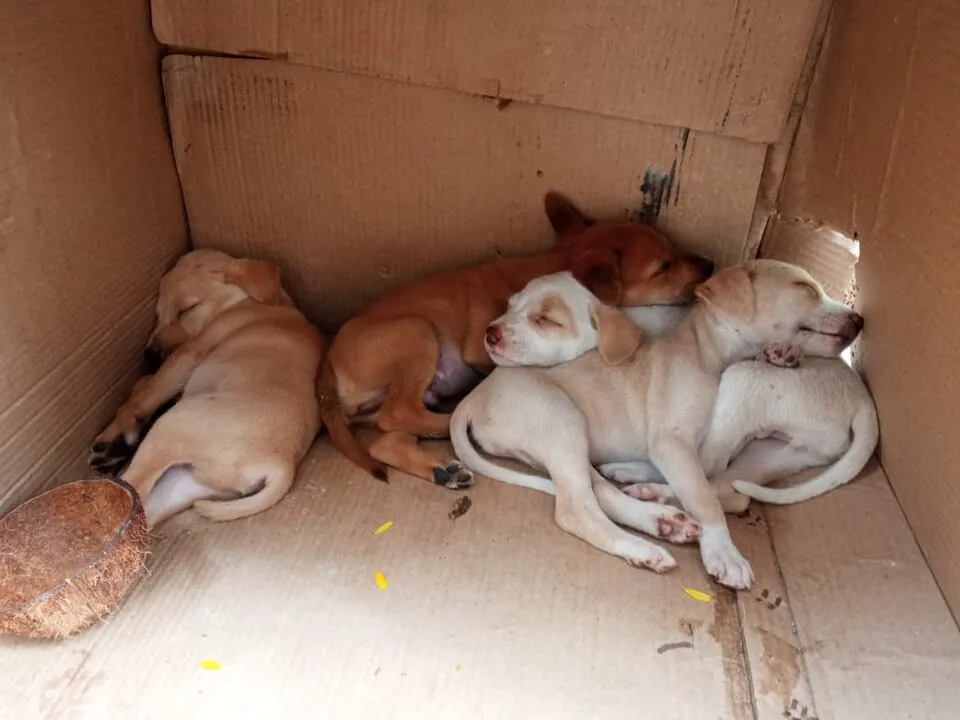
Four sleeping puppies. Photo: Saral Shots / Wikimedia Commons, CC0 1.0. Illustrative photograph, not taken during a puppy yoga class.
Sleep is an essential part of a puppy's daily routine.
Young dogs typically need substantially more sleep and rest than healthy adult dogs, although individual requirements vary with age, activity, health and environment.
Sleep supports normal development and recovery from physical and mental activity.
In a busy yoga class, a puppy may fall asleep while people are exercising. If participants repeatedly wake, lift or reposition the animal for cuddles and photographs, the puppy may lose opportunities for undisturbed rest.
RSPCA Australia specifically warns that animal yoga events may interfere with the normal sleep and care requirements of young puppies.
A useful rule: A sleeping puppy should be left alone. It should never be awakened merely so someone can hold it or take a photograph.
2. Socialization Should Be Positive, Not Forced
Supporters of puppy yoga sometimes argue that meeting many new people helps puppies become confident adult dogs.
Early socialization is indeed important, but the quality of the experience matters more than the number of people the puppy meets.
Veterinary behavior experts recommend introducing young dogs to unfamiliar people, sounds, surfaces and environments gradually, while avoiding excessive fear or overstimulation.
The American Veterinary Society of Animal Behavior identifies the first three months of life as a particularly important period for socialization.
This does not mean puppies should be exposed to as many strangers as possible in a single session.
A good socialization experience allows a puppy to explore willingly, receive positive reinforcement, withdraw when necessary and recover between interactions.
Puppy Yoga vs. Proper Puppy Socialization
| Feature | Typical Puppy Yoga Concern | Welfare-Focused Socialization |
|---|---|---|
| Main goal | Entertainment or relaxation for participants | Positive learning experiences for the puppy |
| Human contact | Potentially frequent contact with many strangers | Gradual, supervised introduction |
| Choice | May be limited by event rules or handling | Puppy can approach or move away |
| Rest | May be interrupted by activity | Quiet rest is actively protected |
| Environment | Group yoga studio | Controlled and age-appropriate setting |
| Supervision | Varies between organizers | Qualified, welfare-focused supervision |
A well-managed session should avoid the problems in the middle column. However, an event calling itself a socialization experience is not automatically equivalent to a professionally supervised puppy class.
3. How Can You Tell if a Puppy Is Stressed?
One of the most important skills for anyone interacting with puppies is recognizing early signs of discomfort.
Dogs communicate through body posture, movement and behavior. A puppy may display several subtle signals before attempting to escape or becoming defensive.
Possible warning signs include:
Repeated lip licking when no food is present.
Yawning outside an obvious sleep context.
Turning the head or body away from contact.
Moving away or hiding behind objects.
Tucking the tail or lowering the body.
Freezing or becoming unusually still.
Trembling or showing tense body posture.
Repeated attempts to escape handling.
Growling or snapping when contact continues.
No single behavior proves that a dog is stressed. For example, puppies also yawn when tired and lick their lips around food.
Body language should always be interpreted in context, including the puppy's overall posture, recent activity and opportunities to move away.
What should you do? If a puppy appears uncomfortable, stop the interaction immediately and allow it to move to a quiet area. Do not force the puppy to remain in someone's arms.
4. Can Puppy Yoga Expose Puppies to Illness?
Potentially, yes. Young puppies may not yet have completed their recommended vaccination schedules.
Shared environments require careful attention to hygiene, cleaning, animal health and exposure to other dogs.
Infectious diseases such as canine parvovirus can be particularly serious in vulnerable puppies.
However, delaying all socialization until after the complete vaccination series can also have behavioral disadvantages.
The American Veterinary Society of Animal Behavior recommends appropriate early socialization with safeguards, rather than avoiding all social contact.
For professionally managed puppy classes, the organization's guidance includes veterinary care, suitable vaccination precautions and cleanable environments.
The appropriate requirements for a particular puppy yoga event depend on its location, the puppies involved and professional veterinary assessment.
Before attending: Ask how the organizer assesses vaccination status, parasite prevention, signs of illness, cleaning procedures and potential contact between animals from different sources.
If these questions cannot be answered clearly, avoid the event.
5. Should Puppies Be Picked Up and Passed Around?
Repeated lifting and handling can be stressful when a puppy has little control over the interaction.
It can also create physical risks if participants do not know how to support a young animal safely.
Some puppies are comfortable being gently handled by familiar people. Others may be fearful, overstimulated or unwilling to be picked up.
The correct approach is to respect the animal's behavior and allow it to disengage.
A puppy should never be lifted by its front legs, pulled into a yoga pose, restrained for photographs or handled while it is trying to escape.
Children should receive close adult supervision, and all participants should follow the guidance of a responsible animal handler.
What Does Gentle, Supervised Puppy Handling Look Like?
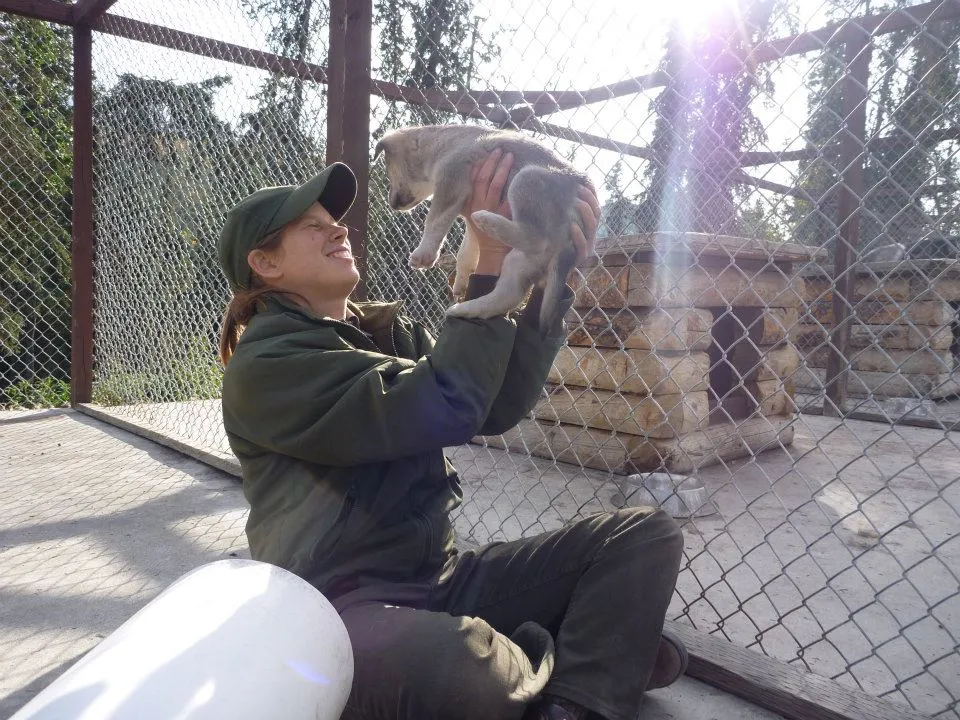
A National Park Service ranger handling a young sled dog puppy at Denali National Park and Preserve. Photo: U.S. National Park Service / Wikimedia Commons, Public Domain in the United States. This is an illustration of human-puppy contact, not a puppy yoga class or a handling instruction.
Young dogs can benefit from positive experiences with people when those interactions are appropriate for their age, temperament and health.
Familiar caregivers should supervise interactions and watch for signs that the puppy is ready for a break.
Short, pleasant experiences are generally preferable to prolonged sessions that leave an animal exhausted or frightened.
The aim is not to maximize the amount of touching, but to help the puppy develop confidence and a sense of safety.
Is Puppy Yoga Ethical?
Whether a specific event meets acceptable animal welfare standards depends on how it is run.
However, major animal welfare organizations have expressed significant concerns about commercial puppy yoga and similar activities.
RSPCA Australia highlights the risk that the animals' developmental needs may be subordinated to entertainment, photography and human enjoyment.
SPCA New Zealand emphasizes that puppies need suitable rest areas, freedom to disengage, access to water and careful supervision.
These principles provide a practical way to assess an event.
An organizer should be able to explain exactly where the puppies come from, who is responsible for their care and how the event prevents unnecessary distress.
A marketing claim that the puppies enjoy the activity is not enough by itself.
Seven Questions to Ask Before Booking Puppy Yoga
If you are considering a puppy yoga class, ask the organizer these questions before purchasing a ticket.
Where do the puppies come from? Ask whether they belong to a breeder, rescue organization or another responsible caregiver.
How old are the puppies? Ask whether their age and developmental stage are suitable for the proposed environment.
Can puppies choose not to interact? They should be able to walk away and retreat without being followed or picked up.
Where can puppies sleep? A quiet, protected resting area should be available and respected.
Who supervises animal welfare? Ask whether a responsible person with relevant canine handling experience monitors the puppies throughout the session.
What health precautions are used? Ask about veterinary assessment, vaccinations, parasite prevention, hygiene and cleaning.
What happens if a puppy becomes distressed? Staff should have a clear plan to remove the animal from the activity and allow recovery.
A responsible organizer should welcome reasonable questions about animal welfare.
Consider declining a booking if the event cannot provide satisfactory answers or if its advertising encourages forced cuddling, staged poses or waking sleeping puppies.
What Are the Red Flags of a Poorly Run Class?
Certain practices should make potential visitors cautious.
| Warning Sign | Why It Matters |
|---|---|
| Puppies are repeatedly passed between participants | Individual animals may be unable to control or escape interactions. |
| No quiet resting space | Puppies may struggle to rest or recover. |
| Sleeping puppies are awakened for photographs | Disturbs normal resting behavior. |
| Staff cannot explain health precautions | Animal health risks may be poorly managed. |
| Puppies show repeated avoidance or fear | The environment may be unsuitable for them. |
| Animals are physically placed into yoga poses | May cause stress, discomfort or injury. |
| No dedicated animal supervisor | Early warning signs may go unnoticed. |
These observations do not replace an independent welfare assessment, but they can help visitors make more informed decisions.
Is Puppy Yoga Good for Puppy Socialization?
It should not automatically be treated as an effective socialization method.
Puppy socialization is a process of helping young dogs form positive associations with the people, animals, sounds and situations they are likely to encounter in everyday life.
A puppy does not need to meet a large number of unfamiliar people during one event to benefit from socialization.
In fact, too many unfamiliar experiences at once can be counterproductive if they produce fear or overwhelm.
Veterinary guidance favors gradual, positive and well-managed exposure.
A suitable puppy class provides structured opportunities for learning, rather than simply using puppies as entertainment.
What Are Better Alternatives to Puppy Yoga?
If your main goal is to spend time with dogs while supporting their welfare, consider activities that place the animal's needs first.
Professionally Supervised Puppy Classes
Well-run puppy training and socialization classes can provide positive early experiences while teaching owners how to interpret body language and reward calm behavior.
Look for small groups, qualified supervision, appropriate health precautions and reward-based methods.
Support a Local Animal Rescue
Some rescue organizations offer volunteer opportunities, education events or other ways to support dogs in their care.
Not every rescue dog is suitable for close contact with unfamiliar people. Follow the organization's rules and allow staff to decide which activities are appropriate.
Spend Time With Your Own Dog
If you have a dog, consider gentle enrichment, short training sessions or calm outdoor activities suited to its age and health.
Older dogs may also enjoy relaxed companionship without needing to participate in a crowded event.
If you are planning to get a puppy, our First-Year Puppy Costs Guide explains the practical expenses associated with training, care, equipment and veterinary needs.
Frequently Asked Questions
Is puppy yoga cruel?
Animal welfare organizations have raised serious concerns about puppy yoga, particularly events involving excessive handling, inadequate rest or overwhelming environments. Whether a specific event causes harm depends on its practices and the welfare of the animals involved.
Does puppy yoga help puppies socialize?
Not automatically. Positive socialization requires suitable experiences that puppies can manage comfortably. Forced handling or overstimulation may have the opposite effect.
Do puppies enjoy being cuddled by strangers?
Some puppies may voluntarily approach unfamiliar people and enjoy gentle interactions. Others may be uncomfortable or frightened. Each puppy's behavior should guide whether contact continues.
Can puppies sleep during a yoga session?
They may fall asleep, but their rest should not be interrupted. A quiet area where participants cannot disturb them is an important welfare safeguard.
Can unvaccinated puppies attend puppy yoga?
This requires professional veterinary assessment of the puppies' age, vaccination status and exposure risks. Organizers should not assume that all young puppies are suitable for a shared public environment.
Are puppy socialization classes better than puppy yoga?
Well-run puppy socialization classes have a clear developmental purpose and can provide structured, supervised experiences. Puppy yoga is primarily designed around a human recreational activity, so the two should not be treated as equivalent.
Can puppy yoga be stressful for dogs?
Yes. Noise, unfamiliar people, excessive handling, limited rest and an inability to leave interactions can contribute to stress. The risk depends on the individual puppy and conditions.
Should I book a puppy yoga class?
Only consider an event if its welfare practices are transparent, the puppies can choose whether to participate, appropriate veterinary safeguards are in place and their need for rest is protected. If you cannot verify these conditions, a different activity is a safer choice.
The Bottom Line
Puppy yoga may be relaxing for people, but its safety and benefits for puppies should never be assumed.
Young dogs need sleep, gentle socialization, predictable care and freedom to avoid uncomfortable interactions.
The most useful question is not whether a puppy looks cute in a yoga studio. It is whether that puppy is safe, comfortable and able to make choices about contact.
For anyone who loves animals, protecting their welfare is more important than getting the perfect photograph.
Animal Welfare Sources and Further Reading
RSPCA Australia — When Wellness Meets Welfare: The Hidden Cost of Puppy Yoga
SPCA New Zealand — Puppy and Kitten Yoga Classes
American Veterinary Society of Animal Behavior — Puppy Socialization Position Statement
Purdue University Canine Welfare Science — Socialization and Early Exposure
Photo Credits
Sleeping Puppies — Saral Shots, CC0 1.0
Puppy Training — U.S. National Park Service, Public Domain in the United States