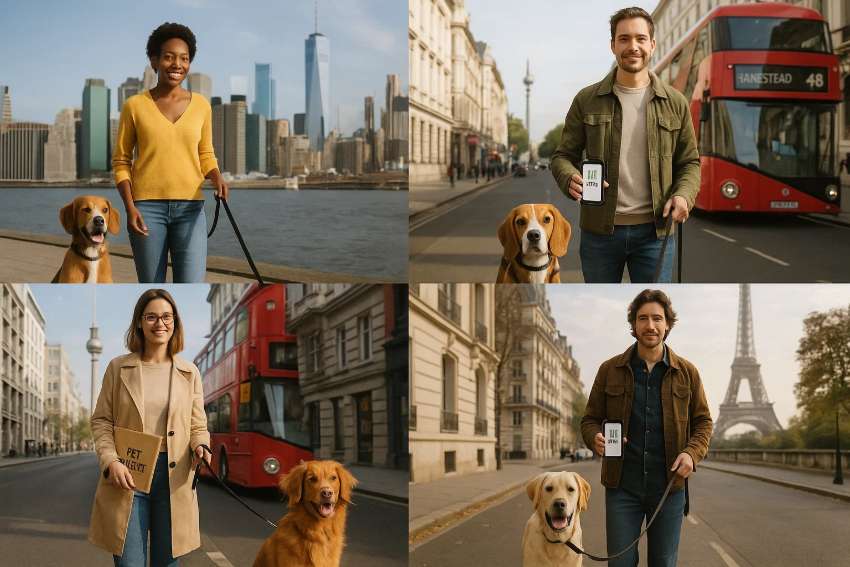
Big cities are great places to live with a dog – parks, dog-friendly cafés, social life – but they are also some of the most expensive places in the world to be a pet owner. If you’re in New York, London, Berlin or Paris, it’s smart to understand the real costs before you bring a dog home.
In this guide, we’ll look at:
The main one-time and monthly costs of owning a dog
How costs differ in New York, London, Berlin and Paris
Why large dogs are more expensive than small dogs in big cities
Practical tips to keep your dog budget under control
To keep things realistic, we’ll focus on a medium-sized mixed-breed dog from a rescue, living in a rented apartment, with responsible but not “luxury” spending.
1. The Big Picture: What Makes City Dogs Expensive?
No matter which city you live in, dog costs fall into four big categories:
Upfront costs: adoption or purchase, initial vet work, basic supplies
Monthly basics: food, insurance, routine vet care, parasite prevention
City-specific extras: pet rent, deposits, dog tax, licensing
Lifestyle services: dog walkers, daycare, boarding, grooming
New York and London tend to be the most expensive overall, mainly because:
Housing is costly, and many landlords charge extra for pets.
Dog walkers and daycare are common and not cheap.
Everything from vet care to grooming is priced at big-city levels.
Berlin and Paris are generally a little cheaper month to month, but you still need a solid budget and an emergency plan.
2. Quick Comparison: Four Cities at a Glance
Every dog and every owner is different, but here is a very rough comparison using local currency and a typical, non-luxury lifestyle for a medium dog:
| City | Currency | Typical Monthly Budget (Medium Dog) | Main Extra Costs in That City |
|---|---|---|---|
| New York | USD | Roughly mid–high range for big cities | Pet rent/deposits, dog walkers, high vet fees |
| London | GBP | Similar to New York in many cases | High rent, walkers/daycare, London-level prices |
| Berlin | EUR | Often a bit lower than NYC/London | Dog tax, insurance, training rules, still big-city vet prices |
| Paris | EUR | Comparable to other Western European capitals | Vet care, grooming, pet-friendly housing |
These are planning ranges, not promises. A small, healthy rescue dog will be cheaper than a giant, high-maintenance pedigree – in any city.
3. New York City: High Services, High Prices
3.1 One-time costs in NYC
In New York City, upfront costs for a new dog typically include:
Adoption fee: usually covers spay/neuter, basic vaccines and microchip.
Starter vet visit: to establish care, check vaccines, and discuss preventives.
Supplies: bed, crate, bowls, leash & harness, poop bags, toys, grooming tools.
License: NYC requires a dog license, renewed regularly.
If you rent, add:
Pet deposit and/or move-in pet fee
Possible nonrefundable “pet fee” charged by some landlords
3.2 Monthly costs in NYC
Typical monthly spending for a medium dog in New York might include:
Food and treats – quality kibble plus some wet food or treats
Pet insurance – common in the US, especially in big cities
Parasite prevention – fleas, ticks and heartworm
Routine vet care – averaged across the year
Dog walkers or daycare – very common if you work away from home
Grooming – especially for curly or long-haired breeds
Pet rent – a monthly add-on in many apartment buildings
The big “wild card” in New York is services. If you need walkers or daycare several times a week, your monthly dog budget can jump very quickly.
4. London: Expensive, But With Strong Dog Culture
4.1 One-time costs in London
As in NYC, initial costs in London usually include:
Adoption fee or breeder price
First vet check, vaccines and flea/worm treatments
Microchipping (legally required for dogs in the UK)
Basic equipment: bed, bowls, lead & harness, crate, toys, grooming tools
Many London renters face:
“Pets considered” clauses instead of truly pet-friendly rules
Higher deposits, cleaning charges or slightly higher rent for pet-friendly places
4.2 Monthly costs in London
A typical London dog budget for a medium dog might include:
Food and treats – mid-range quality brands
Insurance – common, often recommended due to high vet bills
Routine vet care and preventives – averaged over the year
Dog walker – many owners pay for group walks during the workweek
Grooming – especially for doodle-type or long-haired breeds
Boarding or pet sitting – for holidays and travel
Just like NYC, the biggest extra cost in London is paid help: walkers, daycare and boarding, plus the general cost of London life.
5. Berlin: Dog Tax, Rules – and a Bit More Breathing Room
5.1 One-time and yearly “dog tax” costs
In Berlin, you’ll have the usual startup costs (adoption, vet check, supplies), but there are a couple of German-specific points:
Dog tax (Hundesteuer): an annual tax paid to the city for each dog.
Registration and microchipping: often required, with small one-time fees.
These costs are unique compared to New York and London, but can be manageable if you plan for them in your yearly budget.
5.2 Monthly costs in Berlin
A medium dog in Berlin will typically need:
Food and treats
Routine vet care and parasite prevention
Pet liability insurance (often recommended or required in Germany)
Optional health insurance for dogs
Occasional grooming, boarding or daycare, depending on your lifestyle
Overall monthly spending for a Berlin dog is often lower than New York or London, especially if you don’t use walkers or daycare often – but you still need to account for the dog tax and good insurance.
6. Paris: Classic City Life, Modern Pet Costs
6.1 One-time and yearly costs in Paris
In Paris, upfront costs will look familiar:
Adoption fee or breeder cost
First vet exam, vaccines and microchipping
Basic supplies (bed, bowls, collar & leash, toys, grooming tools)
Depending on your arrondissement and housing type, you might also face:
Limits on dog size or number in some buildings
Extra cleaning clauses or deposits in rental contracts
6.2 Monthly costs in Paris
Your monthly Paris dog budget will usually include:
Food and treats
Routine vet care averaged over the year
Parasite prevention (especially in warmer months)
Insurance if you choose to use it
Grooming, boarding or dog walking, depending on your schedule and breed
Vet care in France can feel cheaper than in some parts of the US, but big procedures and emergency visits still add up quickly, so an emergency fund or insurance is important.
7. Why Large Dogs Cost More Than Small Dogs in These Cities
In all four cities, the size of your dog has a big impact on costs:
Food: larger dogs eat more every month.
Medication: many drugs are dosed by weight, so big dogs need more.
Grooming: bigger bodies, more hair – more time and product.
Housing: some landlords allow only small dogs, or may charge more for large dogs.
If you live in a very expensive city and want to keep your budget under control, a small or medium mixed-breed dog from a rescue is often the most cost-effective choice.
8. Hidden City Expenses Dog Owners Often Forget
Beyond food and routine vet visits, big-city dog owners often face:
Pet rent and deposits: common in New York and increasingly seen elsewhere.
Cleaning and damage costs: scratched floors, chewed furniture, extra cleaning fees when moving out.
Transport: taxis or ride-sharing when your dog can’t use public transport easily.
Training and behavior help: especially important in crowded city environments.
Higher boarding prices: city kennels and pet hotels often charge premium rates.
These costs don’t hit every month, but over a year they can significantly change your average “cost of a dog” in any of the four cities.
9. How to Keep Dog Costs Under Control in Any Big City
You can’t make New York, London, Berlin or Paris cheap – but you can make smarter choices:
Adopt instead of buying expensive breeds – rescues usually include basic vet work in the fee.
Choose a size and energy level that fits both your time and budget.
Use group walks instead of daily daycare if your dog can handle it.
Learn basic grooming at home if your dog’s coat allows it.
Feed a balanced, mid-range diet instead of very cheap or extreme “luxury” foods.
Start an emergency fund and/or get insurance so one big bill doesn’t destroy your finances.
Above all, be honest with yourself. If your current budget is already tight in one of these expensive cities, consider waiting, choosing a smaller dog, or improving your financial cushion before you adopt.
10. Final Thoughts: Choose a City Dog With Eyes Open
New York, London, Berlin and Paris are four of the most exciting places on earth to share life with a dog – but they also ask you to be serious about money.
When you:
Understand the true costs of your city,
Plan for both monthly and surprise expenses, and
Choose a dog whose size and needs match your wallet, not just your heart,
you give yourself and your future dog the best chance of a stable, happy life together. The goal isn’t to scare you away – it’s to help you say “yes” to dog ownership in New York, London, Berlin or Paris with your eyes open and your budget ready.