Vet care in the US and Europe keeps getting more advanced – and more expensive. Many dog and cat owners feel caught between two fears: “What if my pet gets sick?” and “What if I can’t afford the bill?”
The good news is that there are many ways to reduce vet costs safely without skipping essential care or gambling with your pet’s health. The key is to be proactive, informed and strategic – not just to search for “cheap vets” at the last minute.
In this guide, we’ll cover:
Smart prevention that really saves money long term
How to catch problems early (before they become expensive emergencies)
Ways to talk to your vet about budget-friendly options
Using generic medications, treatment plans and home care correctly
Low-cost clinics, veterinary schools and community resources
What you should never try to save money on
This article is for general education only and does not replace professional veterinary advice. Always speak with a qualified vet about your own pet’s situation.
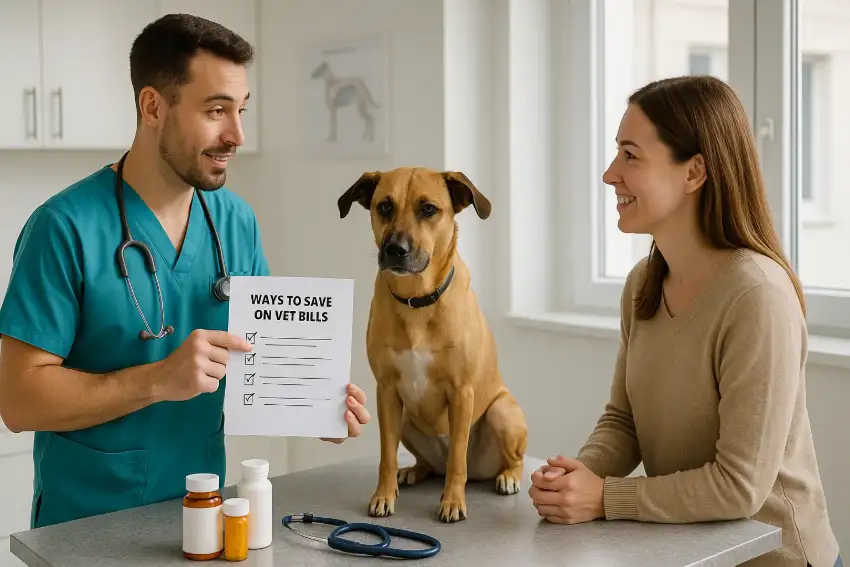
1. Prevention: The Cheapest Vet Care You’ll Ever “Buy”
Many of the most expensive vet bills in the US and Europe come from problems that started small and were ignored until they became serious. Prevention may feel boring, but it is the most cost-effective strategy you have.
1.1 Keep vaccines and parasite prevention up to date
Vaccines protect against diseases that can cause hospitalization, intensive care or even death.
Flea, tick and worm prevention protects against anemia, skin infections, tick-borne diseases and intestinal damage.
Skipping these to “save money” can lead to much higher bills later, plus suffering for your pet.
1.2 Maintain a healthy weight
Obesity increases the risk of diabetes, arthritis, heart disease and certain cancers.
Overweight pets often need more medications and surgeries are more risky and expensive.
Sticking to measured portions and limiting high-calorie treats is a free way to reduce future vet bills.
1.3 Dental care at home
Regular tooth brushing (even a few times a week) slows tartar build-up and gum disease.
Healthy teeth mean fewer extractions, shorter anesthesia times and fewer infections.
Dental disease can also affect the heart, liver and kidneys – “just teeth” can become a full-body issue.
1.4 Safe environment and supervision
Keep human medications, chemicals and toxic foods (chocolate, grapes, xylitol, etc.) out of reach.
Use leashes, secure fences and secure windows/balconies to prevent falls and car accidents.
Supervise young dogs and cats to prevent swallowing foreign objects that require surgery.
Every accident you prevent and every disease you avoid is money you never have to spend at the emergency clinic.
2. Catch Problems Early: Small Issues Are Cheaper Than Crises
Many expensive vet visits started as mild symptoms weeks or months earlier. Early detection lets you treat problems while they are simple, less painful and cheaper.
2.1 Don’t ignore subtle changes
Contact your vet sooner if you notice:
Reduced appetite or thirst, or sudden increase in drinking
Weight loss or gain without obvious cause
Persistent vomiting or diarrhea
Coughing, sneezing or breathing changes
Lumps that appear or grow quickly
Changes in urination: straining, frequent small amounts, accidents
Behavior changes: hiding, aggression, restlessness or unusual sleepiness
A quick visit and simple tests now can prevent complicated, expensive treatment later.
2.2 Use regular wellness exams wisely
Ask your vet what they are checking during annual or semi-annual visits.
For seniors, consider recommended blood and urine tests to catch kidney, liver or hormonal issues early.
Early management of chronic diseases like kidney disease, arthritis or heart problems is almost always cheaper than waiting until a crisis.
2.3 Keep a simple health diary
Note changes in appetite, weight, energy, breathing and bathroom habits.
Bring this information to the vet; it can reduce the need for some tests and help target diagnostics.
3. Talk Openly With Your Vet About Money
Many owners in the US and Europe feel shy or guilty about discussing money with vets. But clear communication can save you hundreds while still protecting your pet’s health.
3.1 Be honest about your budget
You can say:
“I want the best we can reasonably afford. My budget is around [realistic amount]. Can we plan within that?”
“Can you explain which tests and treatments are essential and which are optional or can wait?”
3.2 Ask for a prioritized plan
Request a list of “must-do now”, “strongly recommended soon” and “optional extras”.
If several tests are proposed, ask: “If we can only start with two, which two give the most important information?”
For chronic conditions, ask: “What is the minimum safe monitoring schedule?”
3.3 Get written estimates and compare if needed
For surgeries or big procedures, ask for a written estimate with low and high ends.
If you have multiple good clinics nearby, it may be reasonable to compare estimates—but don’t choose only by price. Experience, equipment and aftercare matter too.
4. Save on Medications and Products (Safely)
Medications, parasite preventives and special diets can be a large part of your vet bill. There are ways to reduce costs without cutting corners.
4.1 Ask about generic or alternative drugs
Many human and veterinary drugs have generic versions that are cheaper but equally effective.
Ask your vet: “Is there a generic option or a more affordable equivalent medication?”
Never switch medications on your own; some human drugs are deadly for pets.
4.2 Buy smart, not random, online
Only use reputable pharmacies (online or local) that require a vet prescription.
Beware of very cheap, unregulated sites selling counterfeit or unsafe products.
Always check with your vet before changing brands or sources of parasite prevention or prescriptions.
4.3 Use correct doses – more is not better
Follow dosage instructions exactly; don’t “stretch” medications by giving less or giving leftover drugs from another pet.
Incorrect dosing can make treatment fail or even harm your pet, leading to more expensive care later.
4.4 Ask about long-term supply discounts
Some clinics or pharmacies offer discounts on 3–12 month supplies of chronic medications or parasite preventives.
Buying in bulk can save money if you’re sure your pet will need the medication long term.
5. Use Home Care and Monitoring to Reduce Follow-Up Costs
Vets often recommend rechecks to make sure treatment is working. Some of these visits are essential; others can be spread out or replaced by home monitoring if your vet agrees.
5.1 Learn basic home checks
How to check gum color, breathing rate and body condition.
How to monitor water intake and urine output.
How to keep a simple pain or activity diary for arthritis or recovery cases.
If you can provide clear home monitoring information, your vet may safely reduce the number of in-person visits needed.
5.2 Ask when remote updates are enough
For stable chronic conditions, ask if periodic phone or email updates with photos and measurements are acceptable between full exams.
Some practices offer telemedicine for follow-ups at lower cost than in-person visits, especially for behavior issues or skin rechecks.
6. Low-Cost Clinics, Veterinary Schools and Community Resources
Depending on where you live in the US or Europe, you may have access to more affordable options for certain types of care.
6.1 Low-cost or charity clinics
Often focus on spay/neuter, basic vaccines and simple procedures at reduced prices.
May be run by animal charities, local councils or welfare organizations.
Ideal for routine care if you have limited income, but they might not provide complex diagnostics or emergency care.
6.2 Veterinary schools
Teaching hospitals sometimes offer lower-cost care, as students work under supervision of specialist vets.
Appointments may take longer, but you often get very thorough evaluations.
6.3 Payment plans and third-party financing
Some clinics offer in-house payment plans or work with veterinary financing companies.
Use these carefully: read the interest terms and make sure monthly payments fit your budget.
7. Plan Ahead: Insurance and Emergency Funds
The cheapest way to handle emergencies is to be financially prepared before they happen.
7.1 Pet insurance as a cost-control tool
A good accident-and-illness policy doesn’t make vet care “cheap”, but it can prevent a single emergency from destroying your finances.
You pay predictable monthly premiums instead of unpredictable four-figure bills.
Choose coverage you can afford for at least several years, not just one.
7.2 Pet emergency fund
Set up a dedicated savings pot for vet emergencies and add a small amount every month.
Even a modest fund can cover exam fees, basic tests or your insurance deductible.
Keep this money separate from your normal spending so it is there when you need it.
7.3 Hybrid strategy
Many owners combine insurance with an emergency fund.
Insurance helps with rare, expensive events; savings handle small to medium surprises and non-covered items.
8. Where You Should Not Try to Save Money
Some “savings” end up costing more in the long run. Be very careful with:
8.1 Skipping essential vet visits
Ignoring concerning symptoms to avoid exam fees can turn a manageable problem into an emergency.
Calling your vet early is often cheaper than waiting until your pet is in crisis.
8.2 DIY diagnosis and treatment from the internet
Online tips, home remedies and unverified “cures” can delay real treatment or actively harm your pet.
Never give human medications without explicit vet guidance; many are toxic to pets.
8.3 Ultra-cheap, unregulated products
Unknown flea/tick products or painkillers from questionable sources can cause poisoning or treatment failure.
Counterfeit medications are a real risk on some marketplaces.
8.4 Poor-quality diet
Very low-quality food may save money short term but increase the risk of obesity, skin issues, digestive problems and dental disease.
A mid-range, nutritionally complete diet is usually better value over your pet’s lifetime than the cheapest option on the shelf.
9. Final Thoughts: Spend Smart, Not Less
The goal is not to spend as little as possible on your dog or cat. The goal is to spend smart:
Invest in prevention instead of emergencies.
Catch problems early instead of waiting until treatment is complex.
Talk openly with your vet instead of silently worrying about the bill.
Use insurance and savings to protect yourself from financial shock.
When you do this, you are not being “cheap”; you are being a responsible pet owner who cares about both your animal and your future. With a bit of planning and honest communication, you can reduce vet costs significantly – without ever sacrificing your pet’s health or comfort.
That way, vet visits become less about fear of money and more about what they should be: keeping your best friend as healthy and happy as possible for as long as possible.