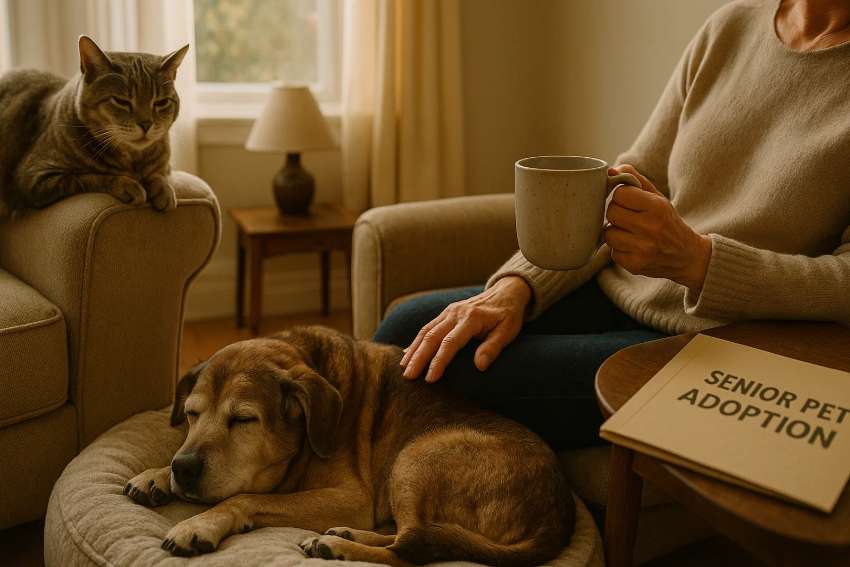
When people in the US or Europe think about adopting a pet, they often picture tiny puppies and kittens. Senior dogs and cats are frequently overlooked – even though they can be some of the best companions you’ll ever have.
If you’re open-minded about age, adopting an older animal can be:
Emotionally rewarding – you’re giving them a gentle, loving retirement
More predictable – what you see is what you get in size, temperament and energy level
Sometimes cheaper overall than raising a young animal from scratch
This guide explains why senior pets deserve a second look, what “cheaper” really means, and how to prepare for the special needs of older dogs and cats.
1. What Counts as a “Senior” Pet?
“Senior” doesn’t always mean “frail” or “at the end of life”. Age ranges differ by species and size:
Dogs:
Small breeds: often senior around 9–10 years
Medium breeds: around 7–9 years
Large and giant breeds: sometimes considered senior from 6–7 years
Cats:
Often considered senior from around 10 years
Many “senior” pets still have lots of good years left. A 7-year-old small dog or 10-year-old cat could realistically enjoy another 5–8+ years in a loving home.
2. Myths About Senior Pets (And the Reality)
Myth 1: “They’re all sick and will break my heart too soon.”
Reality: Some older pets do have health issues, but many are simply middle-aged and need only routine care. Senior dogs and cats can live long, happy lives with:
Good nutrition
Regular vet checkups
Weight management and gentle exercise
Myth 2: “They won’t bond with me like a puppy or kitten.”
Reality: Older animals often bond deeply and quickly with people who rescue them. They seem to understand they’ve been given another chance and often show intense loyalty and gratitude.
Myth 3: “Senior pets can’t learn new things.”
Reality: Dogs and cats can learn at any age. In fact, many seniors:
Already know basic manners and house rules
Are calmer and more focused in training
Just need gentle, reward-based teaching to learn new routines
3. Why Senior Pets Can Be Easier Than Puppies and Kittens
3.1 Energy level that matches real life
Most senior pets are past the hyper phase.
They still enjoy walks and play but are usually happy with:
Shorter, steady walks instead of intense runs
More cuddle time and naps
Perfect for people who:
Work full-time (with proper midday breaks)
Prefer calm evenings rather than constant puppy chaos
3.2 Often already house-trained
Many senior dogs are house-trained and understand basic commands like sit, stay and come.
Older cats are almost always litter box trained.
This can save months of cleaning up accidents and training from scratch.
3.3 Less destruction
Puppies and kittens chew shoes, furniture and hands.
Senior pets are usually past the “destroy everything” stage.
Your furniture, carpets and phone chargers will thank you.
4. How Senior Pets Can Be Cheaper (Overall)
It’s important to be honest: some senior pets need more vet care. But in many cases, adopting an older dog or cat can be financially sensible compared to raising a young animal from scratch.
4.1 Lower adoption fees
Shelters and rescues in the US and Europe often reduce fees for older pets.
Some run “senior dog” or “senior cat” programmes:
Discounted or even fee-waived adoptions for seniors
Special support for older adopters (for example, “seniors for seniors” schemes)
4.2 No surprise “puppy costs”
With a puppy or kitten, you’ll likely pay for:
Multiple rounds of vaccines
Spay/neuter surgery
Training classes
Replacement of damaged items (shoes, cables, furniture)
Senior pets are usually:
Already vaccinated
Already spayed or neutered
Past the destructive chewing phase
4.3 Shorter, more predictable commitment
Some people can’t commit to 12–15+ years with a young puppy or kitten.
A senior pet offers:
A shorter, but still meaningful, period of companionship
More predictable needs for the coming years
Of course, vet bills may rise with age. That’s true whether you adopt an older pet or watch your current pet grow old. Planning for senior care is part of responsible ownership at any age.
5. Who Is a Senior Pet Perfect For?
First-time owners who want a calmer introduction to pet life.
Busy professionals who can give love and daily care but not several hours of intense exercise every day.
Retirees who want a companion for gentle walks, naps and routine.
Families with older children who understand that the pet may have limitations (for example, no rough play or jumping games).
Senior pets, especially those who have lived in homes before, often fit quickly into daily routines like:
Set meal times
Quiet evenings on the sofa
Predictable walks and litter box use
6. Special Health Considerations for Senior Dogs and Cats
Older pets may face:
Arthritis and joint stiffness
Dental disease
Vision or hearing changes
Weight gain or muscle loss
6.1 How you can help
Schedule regular vet checkups (often at least once a year, sometimes more for seniors).
Use senior-appropriate diets and portion control to maintain a healthy weight.
Provide:
Soft, supportive beds
Non-slip rugs on slippery floors
Ramps or steps for sofas and beds, if allowed
Keep exercise low-impact but regular:
Shorter, more frequent walks for dogs
Gentle play sessions for cats
A little extra care often makes a big difference to comfort and quality of life – many older animals become brighter and more active once they’re in a stable, loving home.
7. Emotional Rewards: The Love of a Senior Pet
People who adopt older pets often say things like:
“It’s like he knew he was safe now.”
“She settled in and became my shadow almost overnight.”
“We didn’t have her for the longest time, but we gave her the best time.”
Senior dogs and cats:
Are often incredibly grateful for soft beds, gentle voices and stable routines.
Don’t take simple things for granted – a warm lap, a sunny window, a short walk can mean the world to them.
Teach us to appreciate each day, rather than worrying about how many years are left.
8. How to Choose the Right Senior Pet for You
When you visit a shelter or rescue, ask:
How old is this dog or cat?
What do you know about their medical history?
Do they need any medication or special diet right now?
How is their mobility? Can they do stairs? How long can they walk comfortably?
What is their temperament like around children, other pets, strangers?
Be honest about your budget and abilities. For example:
If you live on the third floor with no lift, a dog with serious mobility issues may not be a good fit.
If you cannot afford ongoing medication, ask rescues if they have financial support programmes for some senior animals.
9. Practical Tips for Bringing a Senior Pet Home
Prepare a quiet, comfortable space:
A soft bed in a low-traffic area
Food and water bowls in easy-to-reach spots
Keep the first days calm:
Limit visitors and noisy activities.
Allow them to rest when they want to.
Introduce stairs, gardens and other pets slowly.
Stick to a gentle, predictable routine:
Same feeding times every day
Regular toilet breaks for dogs
Clean, easily accessible litter boxes for cats (no deep stairs to reach them)
Patience is key. Even seniors need time to adjust – but many relax surprisingly fast once they realise they are home for good.
10. Final Thoughts: Why Senior Pets Deserve a Second Chance
In many shelters and rescues across the US and Europe, senior dogs and cats wait the longest for homes. They watch younger animals come and go while they are passed over simply because of their age.
Yet these older animals often:
Fit beautifully into real, everyday life
Offer deep, calm companionship
Ask for so little in return: food, comfort and kindness
If you’re thinking about adding a pet to your family, consider visiting the “golden oldies” section at your local shelter or rescue. You might discover that the perfect pet for you doesn’t have a baby face – they have a grey muzzle and wise eyes, ready to spend their best years by your side.