Snowy parks, frosty mornings, Christmas markets – winter in the US and Europe can be beautiful. But low temperatures, ice, road salt and short daylight also mean extra risks for your dog or cat. Many owners worry:
“How cold is too cold for my pet?”
The truth is: it depends on your animal’s size, coat, age, health and how they’re used to the weather. This guide will help you:
Use simple temperature guidelines (with adjustments for breed and size)
Recognize signs of hypothermia and frostbite
Keep walks, gardens and homes safe in winter
Note: This is general information only. If you are worried about your pet in cold weather, contact your veterinarian for advice based on your animal and your local climate.
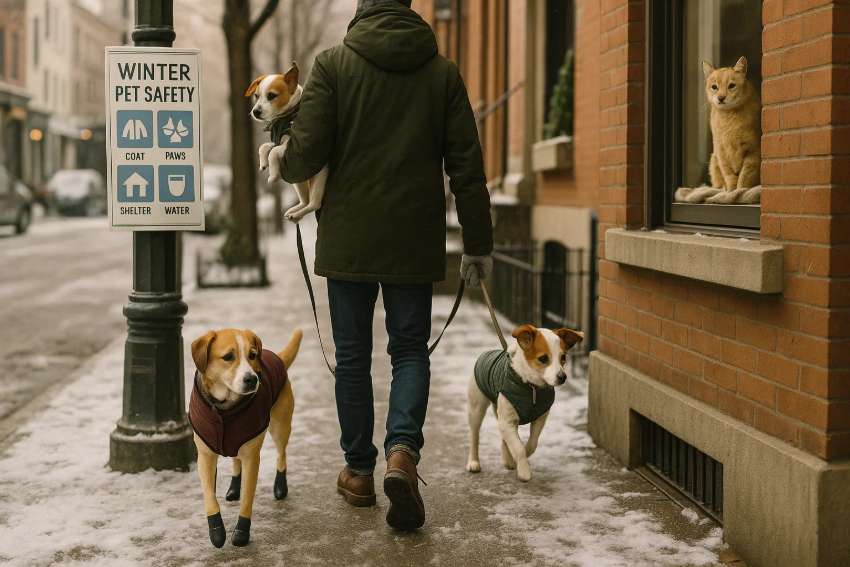
1. How Cold Affects Dogs and Cats
Dogs and cats are warm-blooded. They need to keep their core body temperature within a narrow range. Cold weather becomes dangerous when:
Heat is lost faster than their body can replace it
Fur and skin get wet (rain, snow, slush), which speeds heat loss
Wind blows through the coat (“wind chill”), making the air feel colder
They are very young, very old, underweight or sick
Remember: a number on a weather app (for example, 0°C / 32°F) doesn’t tell the whole story. Wind, moisture, shade and time outside all change the real risk.
2. How Cold Is Too Cold for Dogs? (General Guidelines)
Different dogs handle cold very differently. A Husky and a Chihuahua at the same temperature have completely different experiences.
2.1 Factors that affect a dog’s cold tolerance
Size: Small dogs lose heat faster than big dogs.
Coat type:
Thick double coats (Huskies, Malamutes, many shepherds) handle cold better.
Short, thin coats (Greyhounds, Whippets, many toy breeds) get cold quickly.
Body fat and muscle: Very lean or underweight dogs chill faster.
Age: Puppies and seniors are more vulnerable.
Health: Heart, kidney, endocrine or joint disease changes what is safe.
Acclimatization: Dogs used to cold climates cope better than dogs visiting snow for the first time.
2.2 Rough temperature ranges for healthy adult dogs
(These are approximate and assume dry fur, low wind and limited time outside. Always adjust for your individual dog.)
Above 7°C (45°F):
Generally safe for most healthy dogs.
Small, short-haired dogs may still appreciate a coat and shorter walks.
7°C to 0°C (45–32°F):
Many medium and large dogs still fine for normal walks.
Small breeds, thin-coated breeds and very lean dogs benefit from jackets.
Limit time for dogs that seem uncomfortable or shiver.
0°C to -7°C (32–20°F):
Short-haired, small and senior dogs: high risk for getting cold.
Even cold-tolerant breeds need regular breaks and monitoring.
Shorten walk times, use coats and consider boots to protect paws.
-7°C to -12°C (20–10°F) and below:
Risk of hypothermia and frostbite increases for all dogs.
Many dogs should only go out for quick toilet breaks.
Outdoor working or sled dogs need specialized care, shelter and monitoring.
These are guidelines, not strict rules. If your dog is shivering, lifting paws, slowing down or trying to turn back, it’s too cold for them, even if the number looks “not that bad” to you.
3. How Cold Is Too Cold for Cats?
Many people assume cats “handle cold fine” because they are independent and sometimes insist on going outside. In reality:
Most pet cats are adapted to indoor life with heating.
They can get hypothermia and frostbite, especially on ears, paws and tail.
Outdoor or barn cats still need safe, dry shelter and extra food in winter.
3.1 Indoor cats
Should mainly stay inside during very cold weather, snowstorms or ice.
Short, supervised outdoor time on balconies or in secure gardens is okay if:
They can get back inside easily.
Surfaces are safe (not icy, not covered in harsh de-icers).
3.2 Outdoor and community cats
Provide insulated shelters in hidden, wind-protected spots.
Use straw (not blankets that hold moisture) as bedding in outdoor shelters.
Offer extra food and always keep a source of unfrozen water available.
In general, if it’s too cold for you to stand outside comfortably in just a jumper for more than a few minutes, it’s probably too cold to leave a cat outdoors for long periods without shelter.
4. Signs of Hypothermia and Frostbite in Pets
4.1 Hypothermia (dangerous drop in body temperature)
Common signs in dogs and cats include:
Shivering that doesn’t stop or becomes very weak
Cold ears, paws and body to the touch
Lethargy, weakness, moving more slowly than normal
Stiff muscles, trouble walking, stumbling
Pale or blue-tinged gums in severe cases
4.2 Frostbite
Frostbite usually affects body parts furthest from the core:
Ear tips
Tail tip
Paws and toes
Scrotum in males
Signs can include:
Very cold, pale or gray/blue skin in those areas
Swelling or pain when touched
Blisters or blackened skin later on
If you suspect hypothermia or frostbite, seek veterinary help as soon as possible. Gradual warming in a warm room and dry towels is usually safer than hot water bottles or hairdryers, which can burn the skin.
5. Winter Walks for Dogs: Clothing, Paws and Time Limits
5.1 Does my dog need a coat?
Dog clothing isn’t just fashion. Many dogs genuinely benefit from winter coats, especially:
Short-haired breeds (Greyhounds, Whippets, Dachshunds, many toy breeds)
Very small dogs (Chihuahuas, Yorkies)
Seniors or dogs with arthritis
Dogs that are underweight or recovering from illness
Tips for choosing a coat:
It should cover the chest and belly as well as the back.
Fit snugly but not restrict movement or breathing.
Water-resistant or waterproof materials help in snow and slush.
5.2 Paw care: ice, salt and chemicals
Road salt and de-icers can irritate and dry out paw pads.
Some chemical de-icers are toxic if licked off paws later.
Protect paws by:
Using dog booties if your dog will tolerate them.
Trimming fur between paw pads so ice balls don’t form.
Rinsing or wiping paws with warm water after each walk.
Using a pet-safe paw balm as a barrier and moisturizer.
5.3 How long should winter walks be?
There’s no single rule. Use your dog’s behaviour plus the weather as your guide:
In mild cold (above freezing), many healthy dogs can walk nearly as normal.
In freezing temperatures:
Use shorter, more frequent walks rather than one long outing.
Turn around if your dog lifts paws, shivers or tries to head home.
In extreme cold or during storms, focus on:
Quick toilet breaks outside
Indoor games and training for mental exercise
6. Indoor Winter Safety: Heating, Dry Air and Hidden Risks
Cold weather pushes pets indoors more – but that brings its own set of safety checks.
6.1 Heaters and fireplaces
Use guards or screens around open flames and hot surfaces.
Keep beds and blankets at a safe distance from heaters to avoid burns and fires.
Never leave electric heaters running unattended around unsupervised pets.
6.2 Dry air and skin
Central heating can dry out skin and coats.
Brush regularly to remove loose fur and stimulate skin oils.
Ask your vet before adding any supplements – don’t self-prescribe oils or vitamins.
6.3 Antifreeze and garage hazards
Antifreeze (containing ethylene glycol) is extremely toxic but tastes sweet to animals.
Clean up any spills immediately and store bottles in locked cabinets.
Keep pets out of garages or driveways where chemicals and de-icers are stored or used.
7. Special Groups: Seniors, Arthritic Pets and Those with Medical Conditions
Some pets need extra protection in winter:
Seniors: may struggle to regulate body temperature and have weaker immune systems.
Arthritic pets: cold and damp can make joints stiffer and more painful.
Pets with heart, kidney or endocrine disease: may be less able to cope with temperature extremes.
Helpful adjustments include:
Shorter, more frequent walks instead of long outings.
Soft, warm beds away from drafts and cold floors.
Non-slip mats on slippery surfaces to prevent falls.
Checking with your vet about pain relief and winter management for arthritis.
8. Outdoor Shelters for Dogs and Cats (When They Must Be Outside)
Ideally, pets live indoors with the family and only spend limited time outside in winter. If a dog or outdoor cat must be outside for part of the day, they need proper shelter:
For dogs:
A dry, insulated dog house raised off the ground.
Entrance turned away from wind and rain; flap or cover over the door.
Straw (not blankets) for bedding if the shelter isn’t perfectly dry – straw stays warmer when damp.
For outdoor cats:
Small, insulated shelters in quiet, hidden spots.
Straw bedding and narrow entrances to keep out wind and larger animals.
Even with shelters, extreme cold and storms may still be too dangerous. Bring animals indoors whenever possible in severe conditions.
9. Quick Winter Safety Checklist
Use this as a simple reference for winter days in the US and Europe:
Check the temperature, wind and precipitation before each walk.
Adjust walk length and intensity based on your dog’s size, coat, age and health.
Use coats and paw protection for dogs that need them.
Keep cats indoors more during very cold periods; provide shelter and extra food for outdoor cats.
Watch for signs of hypothermia (shivering, weakness) and frostbite (pale or painful ears/paws/tails).
Never leave pets in cold cars or tied outside shops in freezing weather.
Store antifreeze and de-icers safely and clean up spills immediately.
With a few simple habit changes, winter can be a season of cozy beds, crisp walks and safe snow play – not emergency vet visits. When in doubt, follow this rule: if you’re cold and uncomfortable in a light jacket, your dog or cat probably is too.