
Top 20 Trendiest Dog Breeds in the US and UK in 2025
“Trendy” doesn’t just mean “popular.” In 2025, the breeds getting the most attention in the US and UK share a few things: they fit modern living (apartments, hybrid work, smaller yards), they look great on social media, and they match what many families want right now—companionship, manageable...

What to Expect When Adopting a Dog from a Shelter or Rescue in the US/UK
Adopting a dog is exciting—and it can also feel overwhelming once the reality hits: paperwork, meet-and-greets, new routines, unexpected nerves, and a dog who may behave differently at home than they did in the shelter. That doesn’t mean you made a mistake. It means adoption comes with an adjustme...

How to Prepare Your Pets for Fireworks on New Year’s Eve and Independence Day
For many dogs and cats, fireworks aren’t “just loud noises”—they can feel like unpredictable danger. New Year’s Eve and Independence Day are especially tough because fireworks often start earlier than expected, last for hours, and can happen multiple nights in a row. The result can be shaking,...

Halloween Pet Safety Tips: Costumes, Candy and Doorbell Stress
Halloween is fun for people—but for many pets it’s a perfect storm of stress and hazards: doorbells ringing nonstop, strangers in masks, excited kids running through the house, open doors, and candy everywhere. Add costumes that can irritate skin or restrict breathing, and Halloween can quickly tu...

Winter Pet Safety: How Cold Is Too Cold for Dogs and Cats?
Cold weather can be refreshing for many pets—but “winter-safe” depends on far more than the number on the thermometer. Wind, moisture, time outside, your pet’s coat and body size, and their health all change the risk. Some dogs can happily hike in snow, while others can become dangerously chille...
Are Raccoons Dangerous to Pets? How to Keep Your Dog or Cat Safe
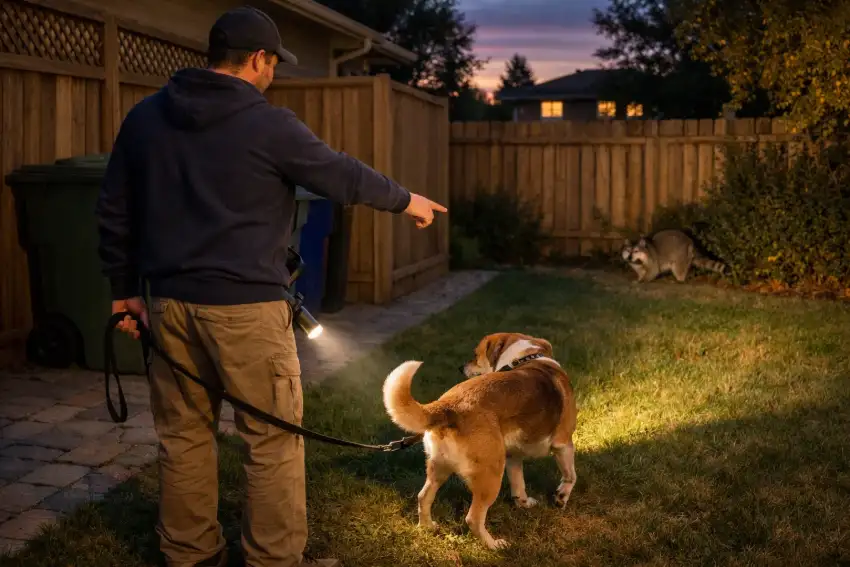
Raccoons are common in many neighborhoods across the US and parts of Europe, especially anywhere there’s easy food—trash bins, outdoor pet bowls, compost piles, fruit trees, or even bird feeders. Most of the time raccoons avoid people, but they can be dangerous to pets in the right (or wrong) situ...

Destructive Chewing in Puppies and Adult Dogs: What Works and What Doesn’t
Chewing is normal dog behavior. Puppies chew to explore the world and relieve teething discomfort. Adult dogs chew to relax, relieve stress, and keep their jaws busy. The problem isn’t chewing itself—it’s destructive chewing: baseboards, shoes, couches, remote controls, door frames, and anything...

Leash Reactivity: Why Your Dog Lunges on Walks and How to Fix It
If your dog lunges, barks, or growls on walks, you’re not alone. Leash reactivity is one of the most common (and most stressful) behavior challenges for dog owners—especially in cities and apartment neighborhoods where you can’t avoid other dogs, scooters, strollers, and surprise corners. The goo...

How to Introduce a New Cat or Dog to Your Existing Pets Safely
Bringing home a new cat or dog is exciting—but the first introductions can make or break the relationship between your pets. Rushing the process is the most common reason introductions go wrong. The safest approach is to control space, manage stress, and let your pets build positive associations in...

How to Stop a Dog from Barking at Neighbors, Delivery Drivers and Other Dogs
Barking is normal dog communication—but barking at every neighbor, delivery driver, or passing dog can quickly become stressful (and in apartments, it can become a real problem). The key is to figure out why your dog is barking—alerting, fear, frustration, territorial behavior, or boredom—then us...

Separation Anxiety in Dogs: Causes, Symptoms and Home Treatment Tips
Separation anxiety is more than a dog “being naughty” when you leave. It’s a real panic response to being alone (or being separated from a specific person), and it can show up as barking, destruction, accidents, drooling, or frantic attempts to escape. The good news: many dogs improve dramaticall...

How to Potty Train a Puppy in an Apartment (Step-by-Step Plan)
Potty training a puppy is challenging anywhere—but apartments add extra hurdles: elevators, long hallways, cold weather, noisy streets, and the reality that you can’t always sprint outside in time. The good news is that apartment potty training can be very successful when you use a clear routine,...

Pet Insurance Comparison: Accident-Only vs Comprehensive Plans
Pet insurance can feel like a simple question—“Should I get it or not?”—until you see your first emergency vet bill, a chronic allergy diagnosis, or a surprise knee injury. Then the real question becomes: Which type of plan actually fits my pet and my budget? The two most common options are acci...

Most Common Dog Vaccines and What They Protect Against
Dog vaccines can feel confusing because schedules vary by country, clinic, lifestyle, and even your dog’s age. But the goal is simple: protect your dog from diseases that are either highly contagious, potentially fatal, or common in the places dogs go (parks, boarding, grooming, training classes)....
Best Eco-Friendly Pet Products (Biodegradable Poop Bags, Recycled Beds, Natural Shampoos)
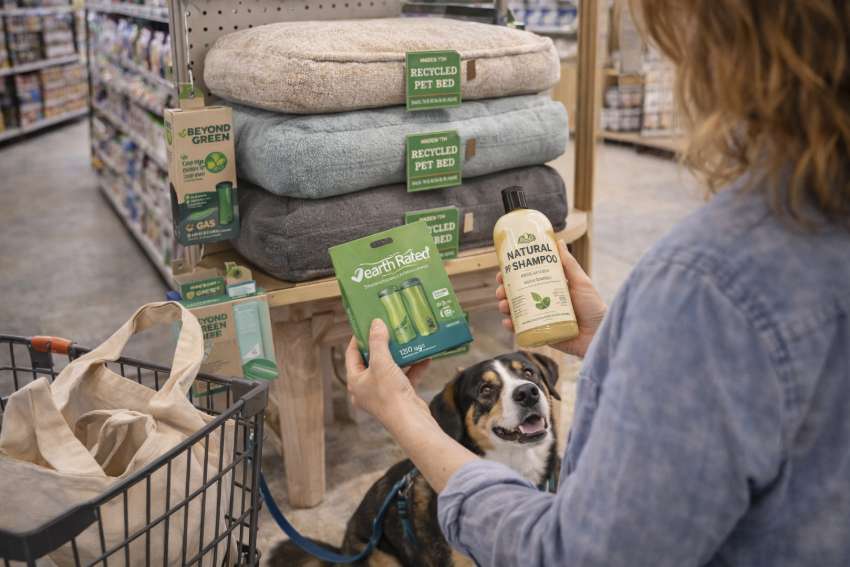
Going eco-friendly with your pet doesn’t have to mean buying the most expensive “green” product on the shelf. The best sustainable swaps are the ones that actually work in daily life—reduce waste, avoid misleading claims, and keep your pet safe and comfortable. For most dog and cat owners, the b...

Must-Have Dog Walking Gear: Harnesses, Collars, Leashes and Poop Bags
A great walk isn’t about fancy accessories—it’s about safety, comfort, and control. The right gear can prevent pulling injuries, reduce escape risk, keep your hands free, and make daily walks smoother for both you and your dog. The wrong gear can cause chafing, worsen pulling, or even lead to dan...
Best Litter for Odor Control in Small Apartments
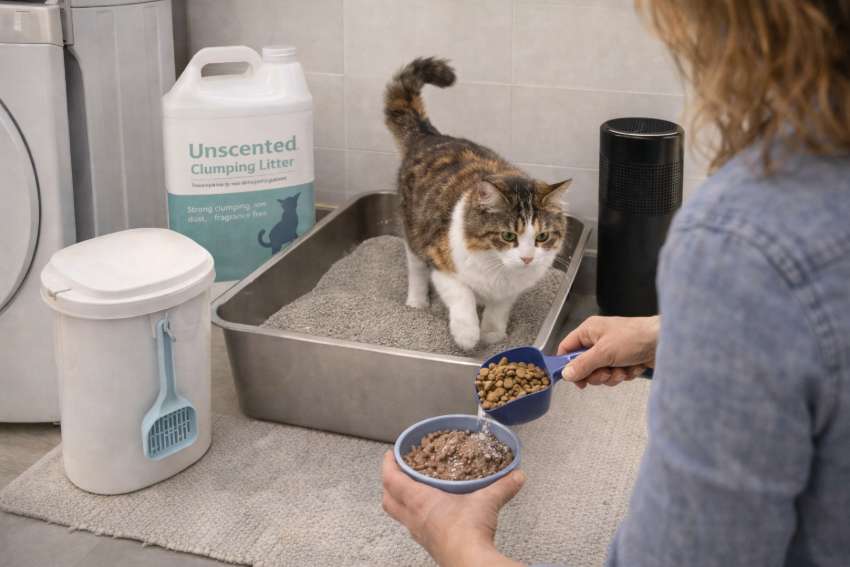
In a small apartment, litter box odor can feel like it takes over your entire home—especially if your litter box is near the bathroom, laundry area, or a corner of the living room. The good news is that odor control is usually less about finding a “miracle” litter and more about choosing the righ...

Wet vs Dry Cat Food: Pros, Cons and When to Use Each
Choosing between wet and dry cat food can feel like a never-ending debate—especially when you’re trying to balance budget, convenience, your cat’s preferences, and long-term health. The truth is that both wet and dry foods can work well when they’re complete and balanced and fed in the right por...

Best Cat Food for Indoor Cats: Weight, Hairball and Urinary Health
Indoor cats often live longer, safer lives—but they also face a different set of nutrition challenges. With fewer daily calories burned, it’s easy for weight to creep up. Grooming can lead to more hairballs. And urinary issues can show up quietly until they become urgent. The “best” indoor cat f...
Best Dog Food for Sensitive Stomachs (With Common Ingredients to Avoid)
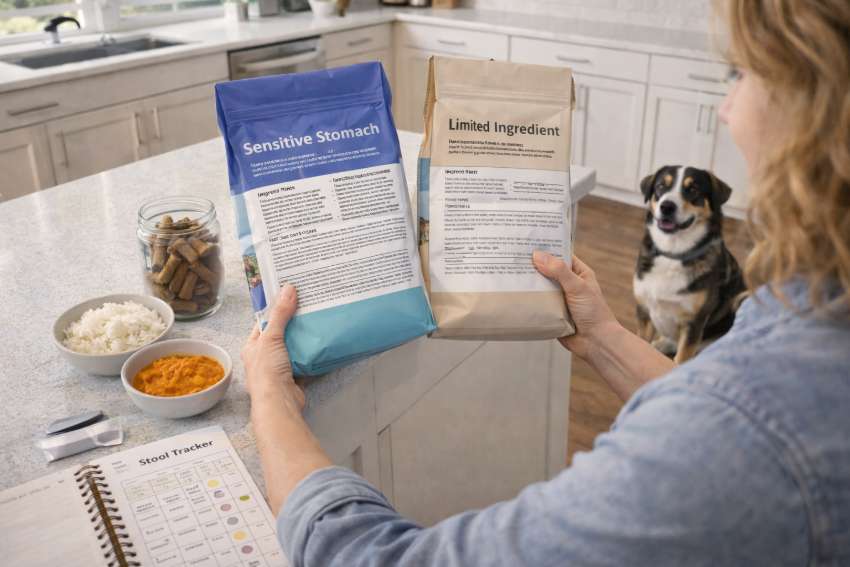
If your dog has a “sensitive stomach,” you’re probably living with some mix of loose stools, gassiness, occasional vomiting, or unpredictable appetite. It’s frustrating—especially because the pet food aisle (and the internet) makes it sound like there’s one perfect brand that fixes everything....