Ants are familiar insects because many species thrive around gardens and homes. But deep in the tropical forests of Central and South America lives a very different kind of ant: the bullet ant (Paraponera clavata). Reaching impressive sizes and armed with one of the most painful stings in the insect world, this species has earned a fearsome reputation—yet it is not an aggressive animal unless disturbed.
Bullet Ant Characteristics
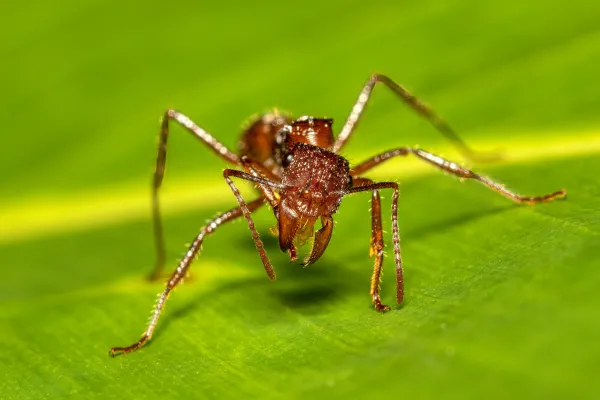
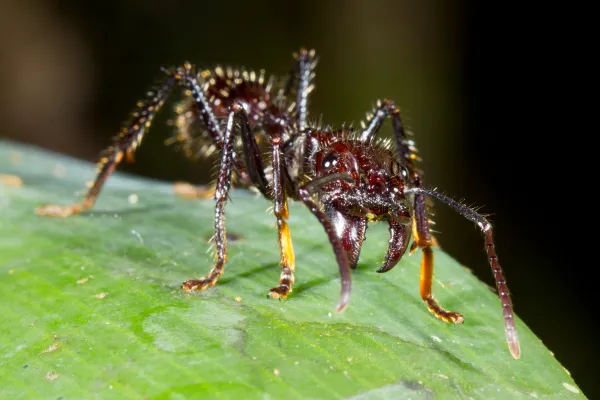
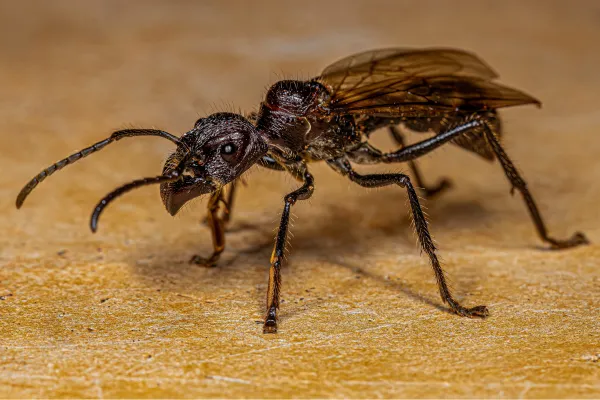
The bullet ant stands out immediately because of its large body, powerful jaws, and glossy coloration.
Size and appearance
Length: adults can reach up to about 3 cm, making them “giant” by ant standards.
Color: typically shiny dark brown to black; at close range, some individuals may look slightly reddish.
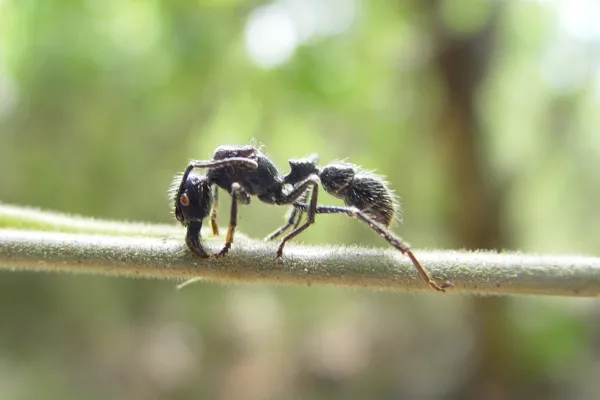
Body structure: like other ants, they have a distinct head, thorax, and abdomen, plus a pair of antennae.
Mandibles: their strong, visible jaws are more noticeable than in many common garden ants.
Because they are robust and large, people sometimes mistake them for wingless wasps at first glance.
The Bullet Ant Sting
The bullet ant’s common name comes from the intense pain caused by its sting—often described as feeling like a “bullet shot.” Despite this reputation, bullet ants usually sting only when they feel threatened.
When do bullet ants sting?
They are highly defensive of their nest and foraging trails.
They typically sting when handled, trapped in clothing, or when the nest area is disturbed.
Before stinging, individuals may release a warning scent and produce stridulation (a raspy sound) as an alarm signal.
How long does the pain last?
Many accounts mention that the worst effects can last 12–24 hours. In some regions, this has led to nicknames that reference a full day of suffering.
Is the Bullet Ant Venomous?
Yes. Bullet ants deliver venom through the stinger located at the end of the abdomen. A key component of their venom is poneratoxin, which affects the nervous system and contributes to the intense pain.
Possible symptoms after a sting
Reactions vary by person, number of stings, and overall health. Possible effects include:
Severe localized pain, swelling, and skin irritation
Nausea, dizziness, and sweating
Tremors or shaking
Rapid heartbeat
In more serious reactions: widespread swelling, breathing difficulty, or systemic symptoms (which require urgent medical care)
What to do if you are stung
Apply a cold compress or ice (wrapped in cloth) to reduce swelling and discomfort.
Wash the area gently with soap and water.
Consider an over-the-counter antihistamine if itching or swelling is significant.
Seek medical attention immediately if you have trouble breathing, facial/throat swelling, widespread hives, severe weakness, or if multiple stings occurred.
Where Bullet Ants Live
Bullet ants are native to the tropical rainforests of Central and South America. They are especially associated with lowland humid forests and are often mentioned in connection with the Amazon region.
Nest location
Nests are commonly built at the base of trees.
They may use leaf litter, soil, and rotting wood as part of the nest structure.
A single nest can contain hundreds of individuals working together.
Bullet ants forage both on the forest floor and in trees, effectively using a wide vertical range of the rainforest.
Bullet Ant Diet
Bullet ants are opportunistic foragers with a mixed diet that can include plant and animal sources.
What do they eat?
Plant sap and sugary liquids collected from vegetation
Plant material and soft organic matter
Prey remains and other arthropods they capture or scavenge
They often forage in organized lines, following reliable routes between the nest and feeding areas. In many locations they are mainly active during the day, though some colonies may also forage in low light or at night depending on local conditions.
Reproduction and Colony Structure
Like many ants, bullet ants have a clear social hierarchy.
Castes within the colony
Queen: the primary egg-layer
Workers: sterile females that forage, defend the nest, and care for young
Males: mate with reproductive females
New queens (“princesses”): may replace an older queen or establish new colonies
Workers handle most daily tasks, while reproduction is concentrated in the queen and reproductive individuals.
Threats and Conservation Status
Bullet ants are generally considered abundant across much of their natural range and are not typically described as globally endangered. However, like many rainforest species, they can be affected by:
Deforestation and habitat fragmentation
Climate change, which can alter rainforest humidity, temperature patterns, and food availability
Healthy tropical forests support stable bullet ant populations, while heavily altered landscapes may reduce suitable nesting and foraging areas.
Interesting Facts About Bullet Ants
Some Indigenous communities have traditionally used the sting in rituals of endurance and initiation.
Bullet ants may engage in aggressive conflicts with other colonies, sometimes with significant losses.
Queens can live for years, while workers generally have shorter lifespans (often up to about a year, depending on conditions).
Despite their fearsome sting, bullet ants are not “mean” by nature—most incidents happen when people unknowingly disturb nests or trails.