Spiders are arachnids, not insects. Although many people assume most spiders are dangerous, only a small number pose serious medical risk to humans. One of the best-known medically significant groups is the recluse spiders (genus Loxosceles), often called the violin spider or corner spider. In parts of South America, the most notorious species is Loxosceles laeta. Understanding how to recognize these spiders, where they hide, and what to do after a suspected bite can make a real difference.
Key Characteristics of the Violin Spider
Why it’s called a “violin” spider
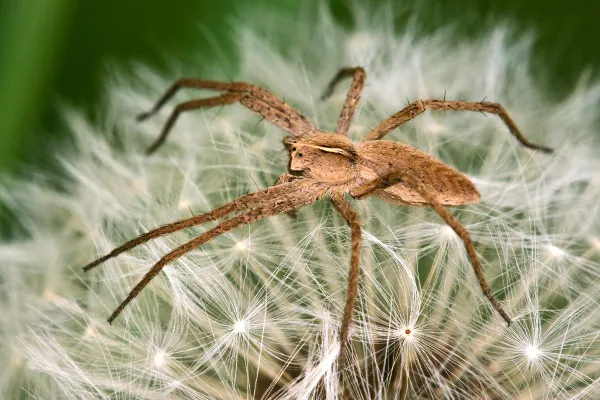
The nickname comes from a darker, violin-shaped marking seen on the body in some individuals. However, relying on this mark is risky—many people misidentify harmless spiders. The safest approach is to focus on overall traits and avoid handling any spider you’re unsure about.
Color and body shape
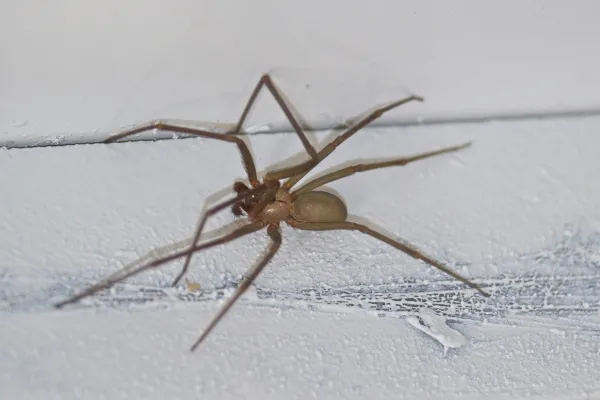
Color: Usually light brown to brown, often with a matte, uniform look.
Abdomen: Rounded and smooth-looking.
Cephalothorax (front body): Flatter compared with many other spiders.
Size
When the legs are spread, a “medium-sized” recluse spider can appear to measure roughly 5–15 cm across. The body itself is much smaller than the full leg span, which is why these spiders can look larger than expected when startled.
Eyes and legs
Eyes: Unlike many spiders with eight eyes, Loxosceles species have six eyes, typically arranged in a curved pattern.
Legs: Long and relatively thin; each leg ends with claws adapted for climbing and gripping surfaces.
Violin Spider Bite: What Happens and Why It Can Be Serious
Do they bite often?
These spiders are not looking for conflict. Most bites happen accidentally—when a spider is pressed against the skin (for example, inside clothing, shoes, bedding, towels, or while moving stored items).
Local symptoms
A suspected bite may start subtly, then worsen over hours. Possible local effects include:
Increasing pain or burning sensation
Redness and swelling
A blister-like area or darkening skin
In some cases, tissue damage (necrosis), which is a hallmark concern with medically important Loxosceles bites
Systemic symptoms (loxoscelism)
In more severe cases, venom effects extend beyond the skin. This clinical picture is often called loxoscelism. Symptoms may include:
Fever, general malaise
Itching or widespread rash
Breakdown of red blood cells (hemolysis) in serious cases
Kidney complications in severe presentations
Rarely, life-threatening outcomes
Why outcomes vary so much
Not all bites are the same. Severity can depend on the amount of venom injected, the bite location, and individual factors. Some cases remain localized, while others can require intensive medical care, and severe skin injury may later need wound management or even skin grafting.
What to do after a suspected bite
Seek medical care immediately if you suspect a recluse bite—especially if pain is escalating, the skin is turning dark, or you feel unwell.
Do not cut or suck the wound, and avoid home “venom extraction” methods.
If safe, photograph the spider or collect it only if it can be done without risk. Never handle it directly.
In some regions, specific antivenom/antidote treatments exist and must be administered in healthcare settings. Early evaluation is important when this is available.
Where the Violin Spider Lives
General distribution
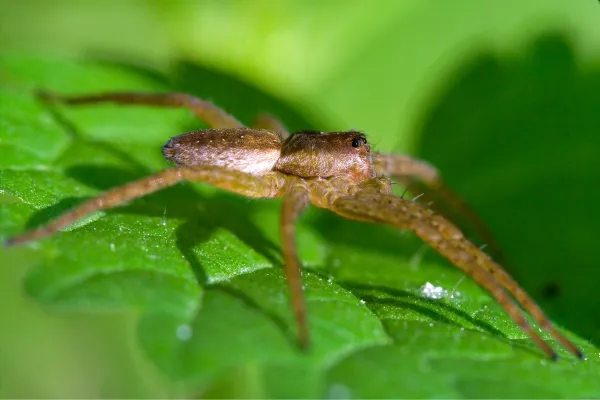
Recluse spiders (Loxosceles) are most associated with warm and temperate regions. The genus includes 100+ species worldwide, and many have broadly similar venom effects.
Notable species by region
South America: Loxosceles laeta is among the most medically important and is strongly associated with parts of South America.
North America: Loxosceles reclusa (brown recluse) is the best-known North American species.
Mediterranean region and beyond: Loxosceles rufescens is native to the Mediterranean basin and has spread to various places through human transport.
Other regional examples include L. persica (Iran), L. pilosa (South Africa), L. tazarte (Canary Islands), and several localized South American species.
Typical hiding places
These spiders prefer sheltered, undisturbed spots, which is why “corner spider” is a common nickname. They are often found:
In quiet indoor corners, behind furniture, and inside storage areas
Among boxes, rocks, debris, wood piles, and clutter
Under flooring gaps, in sheds, garages, or outbuildings
Diet of the Violin Spider
Violin spiders are carnivorous and mainly eat insects and other small arthropods. Their venom helps immobilize prey and begins breaking down tissues, allowing the spider to feed by liquefying internal contents. This tissue-dissolving action helps explain why some bites can cause significant skin injury.
Behavior of the Violin Spider
Nocturnal and discreet
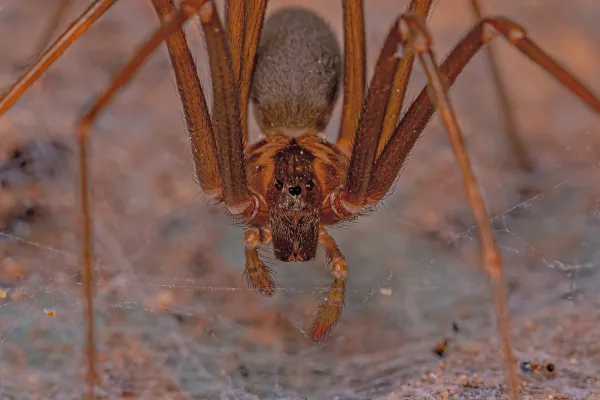
They are primarily active at night. During the day, they hide in protected places and avoid open areas.
Fast but not aggressive
They can move quickly when disturbed, but they usually prefer to escape rather than attack. Many do not actively chase prey; instead, they may wait for prey to enter their webbing or ambush range.
Temperature sensitivity
In cooler conditions, activity may drop sharply. In some cases, they become far less active below around 15°C, and encounters are often more common during warmer months.
Reproduction of the Violin Spider
Violin spiders are egg-laying (oviparous). After mating, the female produces egg sacs—silken bundles placed within a protected web “nest.” Depending on conditions and the individual, a female may produce dozens to hundreds of spiderlings over time (often cited in a broad range such as 30–300).
Threats and Conservation
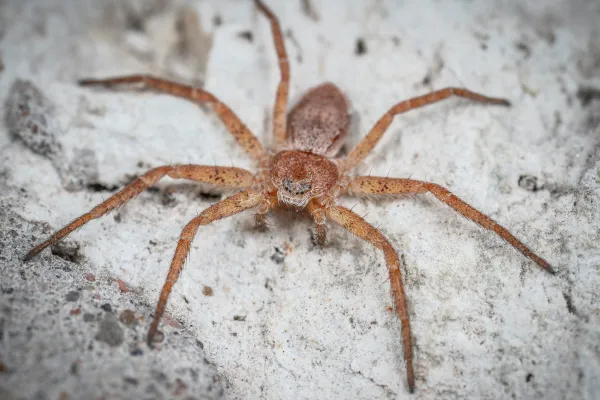
Loxosceles spiders are generally not considered threatened. In fact, many species adapt well to human environments, which can increase local encounters. Some researchers suggest that warmer temperatures and shifting climates could expand suitable habitat in certain regions, potentially raising the likelihood of contact in places that were previously less favorable.
Interesting Facts About the Violin Spider
Venom potency: Recluse venom can cause serious tissue effects and is often considered medically significant among spiders.
Sex differences: Females are sometimes reported to carry more venom than males, though bite risk still depends mainly on accidental contact.
Lifespan: Commonly estimated around 1.5–2 years under typical conditions.