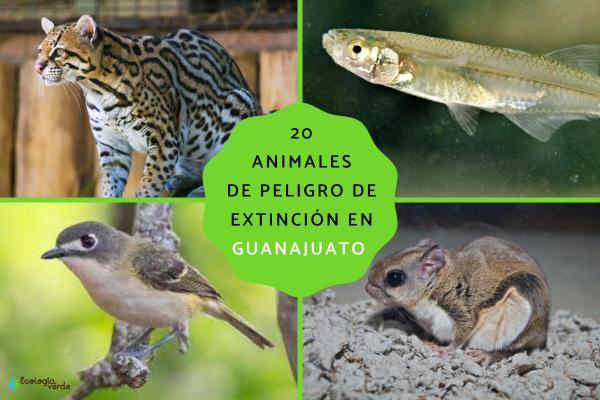
The ocelot (Leopardus pardalis) is a medium-sized wild cat found across much of the Americas. Its common name is believed to come from a word in the Nahuatl language, reflecting how long this striking feline has been known in Indigenous cultures. With its golden coat patterned in dark rosettes and stripes, the ocelot is one of the most beautiful—and best-camouflaged—predators of tropical forests. Below is an improved English version of your source text, organized with clear headings.

Key Characteristics of the Ocelot
Appearance and body size
Family: Felidae (true cats).
Size: medium-sized; commonly around 90 cm in body length and about 11 kg on average (varies by region).
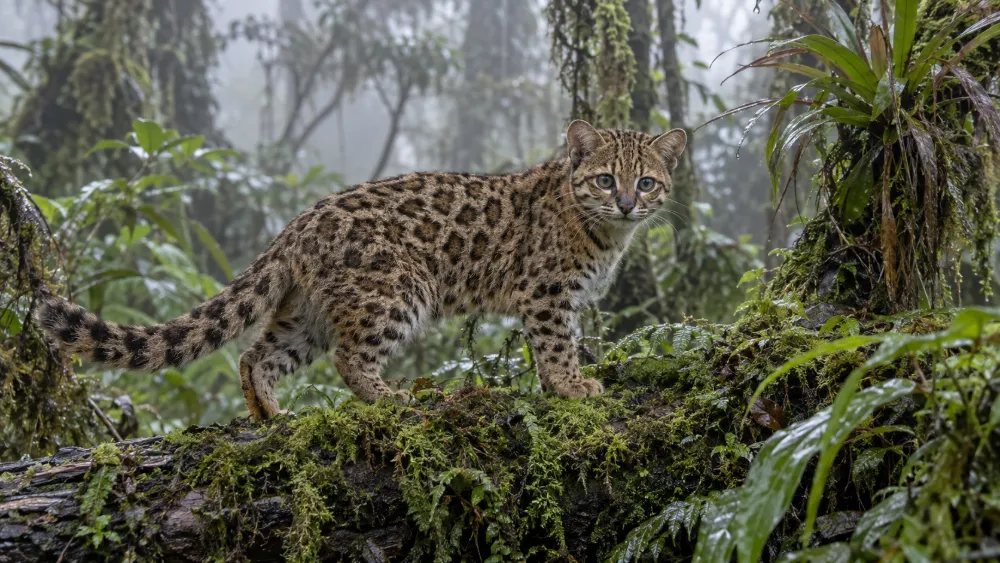
Coat: a dense pattern of black markings over yellow, gold, tan, and brown tones. This pattern breaks up the outline of the body, making the cat extremely difficult to spot in forest shadows.
Senses and hunting tools
Ears: relatively large for its body size, supporting excellent hearing.
Claws: retractable, kept sheathed while moving and extended when climbing or striking prey.
Vision: adapted for low light. Like many cats, it can open its pupils wide at night to maximize light intake, then narrow them during the day to protect the eyes and sharpen focus.

Where the Ocelot Lives
Ocelots live throughout much of Central and South America and into parts of North America (mainly the warmer regions). They are especially common in humid forests, but they are also highly adaptable.
Habitats the ocelot can use
Tropical rainforests and dense, humid jungle.
Woodlands with thick vegetation cover.
Brushy or semi-arid zones where small prey is available.
Because it hunts small animals and can thrive in many ecosystems, the ocelot has managed to persist in areas where larger cats (like jaguars and pumas) may struggle if big prey becomes scarce.
Territory and population notes
Territorial behavior: ocelots maintain home ranges and often patrol them regularly.
Males: typically control larger territories than females, and their ranges may overlap with several females.
Abundance: in suitable habitat, ocelots can be among the more commonly encountered wild cats compared with other large felines, though local density varies widely depending on prey, habitat quality, and human pressure.
Ocelot Behavior
In the wild, ocelots are generally shy and secretive. They rely heavily on cover and their camouflage coat, often slipping into thick vegetation if they sense people nearby.
Not naturally aggressive toward humans: they usually avoid confrontation.
Not a pet: although they were historically traded as exotic pets in some places, ocelots are wild predators with specialized needs and should not be kept as household animals.

What the Ocelot Eats
The ocelot is a flexible carnivorous predator that feeds on whatever small-to-medium prey is most available locally.
Typical prey
Small mammals: rabbits, rodents, opossums, bats, and occasionally small monkeys (depending on region and habitat).
Reptiles: lizards and snakes; in some areas it may take small caimans or other aquatic reptiles.
Birds: opportunistically hunted when accessible.
Hunting style
Ocelots usually hunt alone. They use a classic stalk-and-pounce strategy: staying hidden, moving quietly, then striking quickly once they are close enough. Their sharp hearing and night-adapted vision are critical advantages during these hunts.

Ocelot Reproduction
Sexual maturity: often around 2 years of age.
Breeding: not strictly seasonal in many regions; mating can occur at different times of the year.
Litter size: usually 1–2 kittens; occasionally more (3–4) in rare cases.
Newborns: kittens are born with their markings and eyes closed, relying completely on their mother in early life.
Lifespan: can reach about 20 years in captivity; wild lifespan is often shorter due to natural threats and human impacts.
Is the Ocelot Endangered?
The ocelot is not considered “on the brink” of extinction across its entire range, but it has faced serious pressure in many areas. The biggest historical and ongoing threats come from people:
Hunting and trapping for its fur.
Illegal wildlife trade, including past demand for exotic pets.
Habitat loss, which reduces cover, prey availability, and safe breeding sites.
In some regions, conservation actions (including protected areas and reintroduction or reinforcement projects) have helped populations recover or stabilize compared with periods when declines were more severe.

Interesting Facts About the Ocelot
Cultural value: in some ancient cultures, ocelot skins were viewed as powerful and symbolic, reserved for high-status individuals.
Comfortable near water: ocelots can move well through wet environments and may cross streams or hunt near water.
Predators and threats: they can be killed by larger predators such as jaguars, large birds of prey, and very large snakes in certain habitats.
Many regional names: across Latin America, the ocelot is also known by names such as gato onza, manigordo, jaguarcito, jaguatirica, or cunaguaro, depending on the country.
Bibliography
Bolte, M. (2025). Los Ocelotes. United States: Creative Education and Creative Paperbacks.
Martínez-Gómez, S. C. (2019). El ocelote (Leopardus pardalis): conociendo a los felinos de Colombia. Colombia: Universidad Nacional de Colombia.