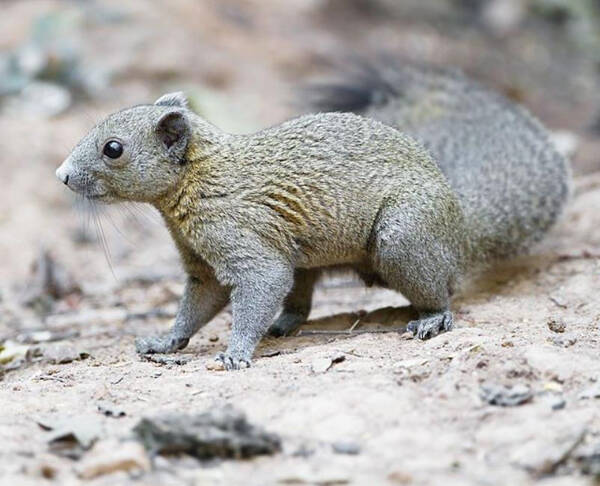
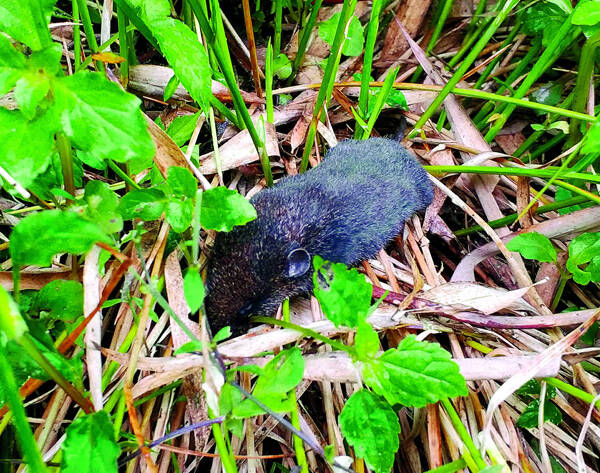
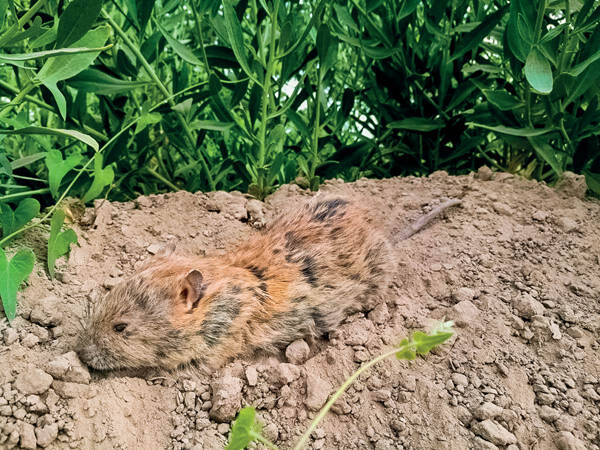
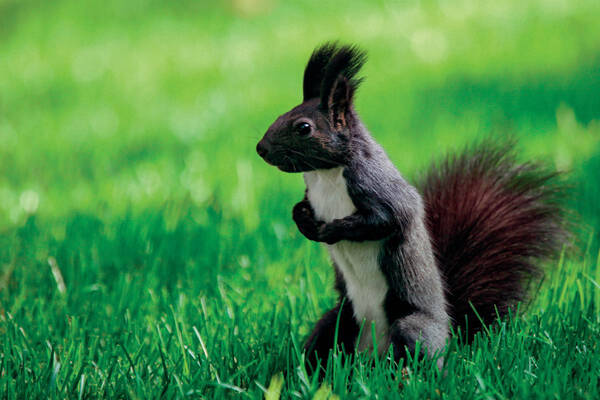
The eastern chestnut mouse (Pseudomys gracilicaudatus) is a small native rodent from eastern Australia, named for its warm chestnut to brownish upper fur and its relatively slender, often long tail. It is mainly nocturnal, moving quickly through grasses, shrubs and leaf litter to forage. By eating seeds and insects and transporting food items to sheltered spots, it plays a quiet but important role in ground-layer ecosystems and can contribute to seed dispersal.
Unlike introduced rats and house mice that thrive around buildings and ports, the eastern chestnut mouse is a member of Australia’s native “false mouse” genus Pseudomys and is more tightly linked to natural vegetation structure. Local numbers can fluctuate when dense ground cover is removed by frequent intense fire, heavy grazing or “tidying,” and when predation pressure from introduced predators such as feral cats and foxes is high.
Taxonomy and naming
This species is a mammal in Order Rodentia, Family Muridae and Genus Pseudomys. The common name refers to its typical chestnut-toned coat and its main distribution in eastern Australia. In field surveys it is often detected through live-trapping, camera traps and signs of runways in dense grass.
Physical characteristics
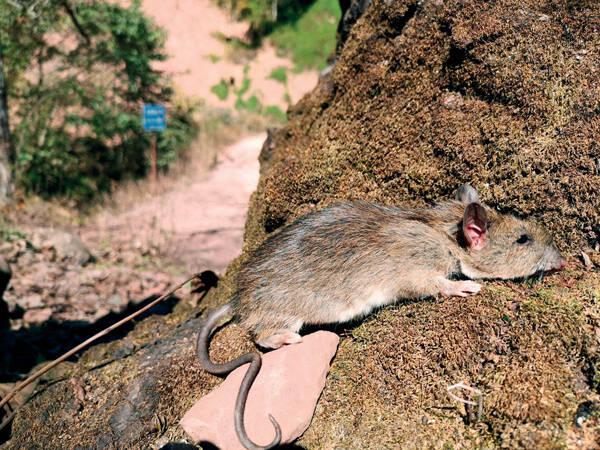
The eastern chestnut mouse is small and agile. Head–body length is typically about 7–10 cm, while the tail is often about 8–12 cm and can be slightly longer than the body. Body mass commonly falls around 15–35 g, varying with season, sex and local food conditions. The back is usually chestnut-brown to grey-brown with paler underparts, and the ears and eyes are relatively noticeable for such a small mammal.
The tail is slender and helps with balance and quick turns through vegetation. Like other rodents, it has strong incisors adapted for gnawing seeds and tougher plant material, while the rest of the dentition supports an omnivorous diet.
Distribution and habitat
The eastern chestnut mouse occurs mainly across parts of eastern and south-eastern Australia, where suitable ground-layer cover is available. It is associated with grasslands and open woodland, heath and shrubland, riparian vegetation and native remnants along farmland edges. At a fine scale, it depends on dense grass tussocks, leaf litter, fallen logs, rock piles and shrub bases for shelter and safe movement.
Habitat fragmentation can force animals to cross exposed ground, increasing predation risk and reducing connectivity between populations.
Behaviour and lifestyle
Eastern chestnut mice are mostly nocturnal, emerging after dusk to forage and patrol small home areas. During daylight they rest in nests made from grass and leaf material, hidden in thick vegetation, shallow burrows or under logs. When alarmed, they typically dash into cover and may use narrow, repeated runways through grass as protected travel corridors.
Individuals communicate largely through scent and may show core areas within a wider foraging range. Activity and breeding effort often increase when food resources are plentiful.
Diet
This species is omnivorous but strongly seed-focused. It eats grass seeds, grains, fruits or berries and green plant parts, and also takes insects and other small invertebrates such as spiders. Animal prey can be especially valuable during growth and reproduction. Seeds are sometimes carried to sheltered feeding sites, and a portion may be dropped or left behind, supporting incidental seed movement.
Reproduction and life cycle
Breeding is usually most active in warmer months, though timing can shift with rainfall and food availability. Gestation is short and females can produce litters of several young. Young grow rapidly in the nest and begin exploring outside within weeks, learning to forage and avoid predators.
Wild lifespan is generally short (often around 1–2 years), which means populations can respond quickly to changes in ground cover, rainfall and predation pressure.
Relationship with humans
The eastern chestnut mouse is not typically a “house pest” and is more often encountered in natural or semi-natural vegetation, including conservation reserves and bushy farmland margins. Ecologically it is a prey item for owls, snakes and carnivores, and it also influences seed and invertebrate dynamics. Retaining native shrubs and leaf litter and reducing night-time cat roaming can help native small mammals persist near towns and peri-urban areas.
Conservation status and threats
The eastern chestnut mouse is commonly treated as Least Concern (LC) overall, but local populations can still be affected by habitat clearing and fragmentation, frequent or high-intensity fires that remove the protective ground layer, heavy grazing and predation by introduced predators such as feral cats and foxes. Maintaining dense ground cover, applying fire regimes that allow understorey recovery and managing predator pressure in key habitats are practical ways to reduce risk.