The name “mulgara” refers to small desert‑dwelling carnivorous marsupials in the genus Dasycercus. Modern treatments commonly recognise two main species: the brush‑tailed mulgara (Dasycercus blythi) and the crest‑tailed mulgara (Dasycercus cristicauda). They can look very similar in the field, but they differ in tail‑tip hair structure and in reproductive anatomy (including teat number).
Mulgaras are built for life in Australia’s arid interior. They excavate extensive burrow networks in sand dunes and around perennial plants such as spinifex and canegrass, and they shelter underground to escape daytime heat. They are mostly nocturnal hunters and are well known for meeting most (or all) of their water needs from food rather than drinking free water.
Taxonomy
Mulgaras belong to the family Dasyuridae (a group that includes quolls, dunnarts and the Tasmanian devil). The genus is Dasycercus, often interpreted as “hairy tail.” For decades, records of the two mulgara species were frequently confused, and more recent genetic and morphological work has helped clarify their identification and ranges.
Appearance
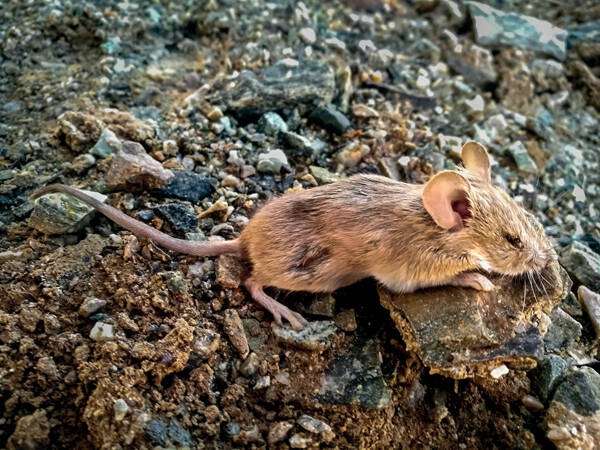
Mulgaras are small to medium‑sized dasyurids with sandy‑tan to ginger‑brown upper fur and paler underparts. They have large eyes, a pointed muzzle and strong claws for digging. The tail is the key field mark: crest‑tailed mulgaras have a distinct “mohawk” of long black hairs on the upper side of the tail tip, while brush‑tailed mulgaras have black, bushy tail hair along much of the final two‑thirds of the tail that tapers to a point rather than forming a crest. In good seasons, fat can be stored at the base of the tail, making it look noticeably thicker.
Range and habitat
Mulgaras occur across arid and semi‑arid inland Australia, especially central desert regions with sand dunes and spinifex grasslands. They dig burrows in dune faces and at the base of perennial plants, creating networks of tunnels with stable microclimates that protect them from heat and predators. The brush‑tailed mulgara is generally considered the more widespread species, while the crest‑tailed mulgara is known from a more limited inland range; in some places it has even been recorded again after long gaps in observations.
Behaviour
They are mostly solitary, nocturnal predators. Population density can swing dramatically with rainfall and prey availability (“boom and bust” dynamics). When threatened, mulgaras sprint for their burrows. During colder periods or when food is scarce, especially during pregnancy, females may spend hours in an energy‑saving state of reduced activity (torpor).
Diet
Mulgaras are opportunistic carnivores. They prey on large invertebrates such as centipedes and spiders, and also take small reptiles and small mammals. They have been observed eating fruits and seeds as well. Desert adaptations include obtaining moisture from food and producing very concentrated urine and dry faecal pellets, which limits water loss.
Reproduction and life history
Breeding typically occurs in winter, and females generally raise one litter per year. Young develop attached to teats in a simplified pouch‑like skin fold. Litter size differs between species: brush‑tailed mulgaras are commonly reported with up to about six young, whereas crest‑tailed mulgaras may have up to about eight. Weaning is around four months. Longevity varies by species and conditions: some sources report brush‑tailed mulgaras living up to about three years in the wild (and up to five in captivity), while other references report mulgaras surviving to around six years in the wild.
Conservation status and threats
Status depends on the species and the jurisdiction. The brush‑tailed mulgara is commonly treated as Least Concern (LC) on the IUCN Red List, while the crest‑tailed mulgara is often reported as Near Threatened (NT); some regional lists classify the crest‑tailed species as Vulnerable. Major threats include predation by introduced foxes and feral cats, habitat degradation from overgrazing (including impacts to dunes and the vegetation that stabilises burrow sites), altered fire regimes, and climate change that may intensify drought and food‑availability swings.