The Hastings River mouse (Pseudomys oralis) is a native Australian rodent with a patchy, restricted distribution along parts of the Great Dividing Range in eastern Australia. It is rare, elusive and mostly nocturnal, which makes it difficult to detect and study. Unlike introduced “commensal” rats and mice that thrive around people, this species is closely tied to particular forest and woodland conditions—especially areas with dense ground cover that provide shelter and help maintain a seasonally varying food supply.
From a conservation perspective, the species is best described as fragmented and habitat‑specific. Land‑use change (clearing, grazing, roads and forestry activity), fire regimes that alter the structure of the ground layer, and predation by introduced predators such as feral cats and foxes can all reduce local persistence. Although small, the Hastings River mouse still plays an ecological role: through foraging, seed use and small‑scale soil disturbance while searching for food, it contributes to energy flow and microhabitat dynamics in forest and woodland ecosystems.
Taxonomy and naming
The Hastings River mouse is a mammal in the order Rodentia and the family Muridae. It belongs to the Australian “false mice” genus Pseudomys. The name “Hastings River” reflects the species’ naming history and early records; it does not mean the mouse is confined to a single river system.
Physical characteristics
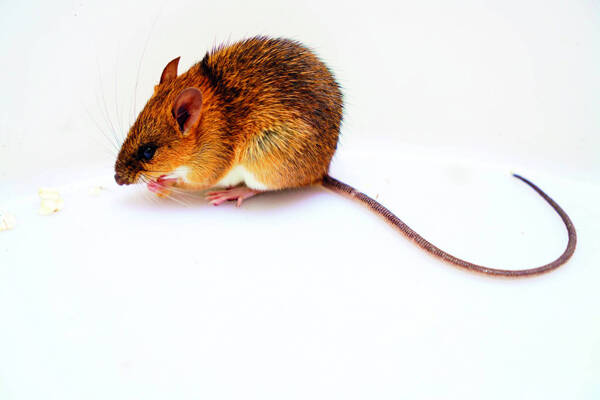
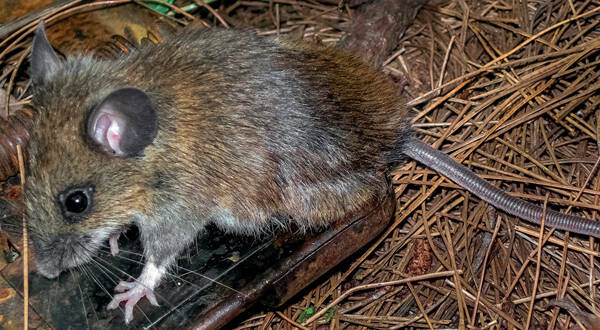
This is a medium-sized native mouse with a rounded snout and prominent eyes that are often framed by a darker eye-ring. Fur is typically brownish-grey above, grading to buff or greyish-white below. Feet are often pale, and the tail is relatively long, furred, and commonly lighter on the underside.
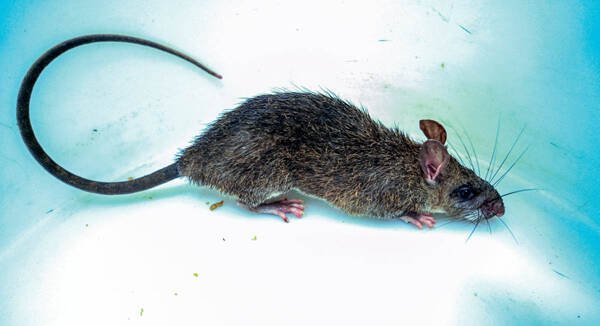
Adults are generally in the mid‑teens of centimetres for head–body length, with a tail of similar length. Body mass is usually in the tens of grams to around a hundred grams, varying with season and condition. Compared with introduced black rats and brown rats, it looks softer and more “plush,” and it is far more dependent on intact, continuous ground-layer cover.
Distribution and habitat
The Hastings River mouse has a patchy distribution along the Great Dividing Range, from the Hunter Valley region of New South Wales north to parts of south‑east Queensland, often between roughly 300 and 1100 m elevation. Populations are separated into local clusters, reflecting narrow habitat requirements and a history of habitat change.
Typical habitat includes open forest and woodland with a dense understorey of sedges, grasses, heath-like shrubs, ferns or rushes. It is often associated with creek lines, moist gullies, swamp margins, ridges and slopes where the ground layer provides shelter. For this species, ground-cover structure and continuity are critical—often more so than canopy height.
Behaviour and lifestyle
The species is mainly nocturnal. During the day it shelters in thick vegetation, under fallen logs, or in concealed nests. At night it forages along protected ground‑cover corridors and quickly retreats into cover when disturbed.
Fire regime is an important driver of habitat suitability. Very frequent or high-intensity fires can remove cover and reduce food, while long periods without fire can also shift understorey composition. Management commonly aims to maintain the right vegetation structure and resource mix for the species, rather than focusing on time‑since‑fire alone.
Diet
The Hastings River mouse is an opportunistic omnivore with strong seasonal shifts. In warmer months it eats a variety of plant materials (including seeds and green parts) and also takes invertebrates. In cooler periods, fungi can become an important dietary component. This flexibility helps the species cope with fluctuating resources in forest and woodland environments.
Reproduction and life cycle
Breeding is typically linked to warmer seasons and improved resource availability. The breeding period can extend across much of the year in favourable conditions, but reproduction and recruitment likely drop during prolonged dry or resource‑poor periods. Litter sizes are not large, and juveniles require time to develop and learn foraging behaviour, which contributes to relatively slow recovery following heavy mortality.
Relationship with humans
The Hastings River mouse is not a pest species and does not pose a direct problem for people. Instead, it is often treated as an indicator of healthy ground-layer structure in open forests and woodlands. Human impacts are mostly indirect—through land-use change, altered fire patterns, and increased predator pressure in fragmented landscapes.
Conservation status and threats
The species is assessed as Vulnerable (VU) at the global level and is also listed as threatened within Australia. Key threats include habitat fragmentation and degradation (clearing, roads and forestry impacts), inappropriate fire regimes that simplify or remove ground cover, predation by feral cats and foxes, and possible competition with introduced rodents.
Effective conservation generally focuses on maintaining dense ground-layer cover and habitat connectivity, integrating fire management with species needs, reducing introduced predator impacts, and supporting long-term monitoring (including genetic work) to identify and protect important local populations.