The New Holland mouse (Pseudomys novaehollandiae), also known as the Pookila, is a small native rodent restricted to south‑eastern Australia. It can look deceptively similar to the introduced house mouse, but it is part of Australia’s native Pseudomys (“false mouse”) group and lives in very specific coastal and near‑coastal habitats. Across much of its range it is considered threatened due to habitat fragmentation, introduced predators and changing fire patterns.
This species is largely nocturnal and often lives in burrows dug into soft soils and sands. In suitable sites, individuals may share burrow systems with others, and colonies can develop in dune sands and heathland soils. The New Holland mouse is an omnivore with a strong reliance on seeds, fungi and invertebrates, and it plays a small but important role in food webs as both a consumer and prey for foxes, cats and raptors.
Taxonomy
The New Holland mouse belongs to the family Muridae and the genus Pseudomys, a group of native Australian rodents. The species epithet novaehollandiae reflects “New Holland,” an early European name for Australia.
Appearance
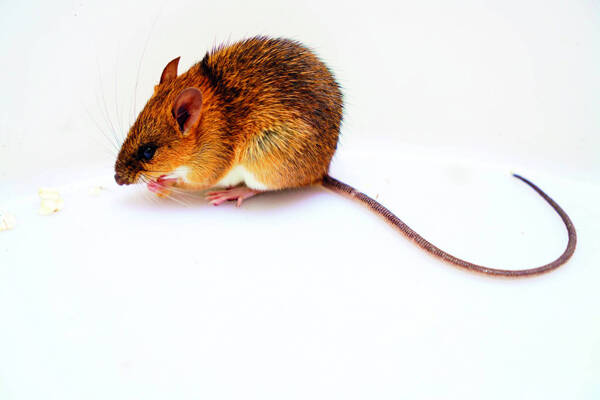
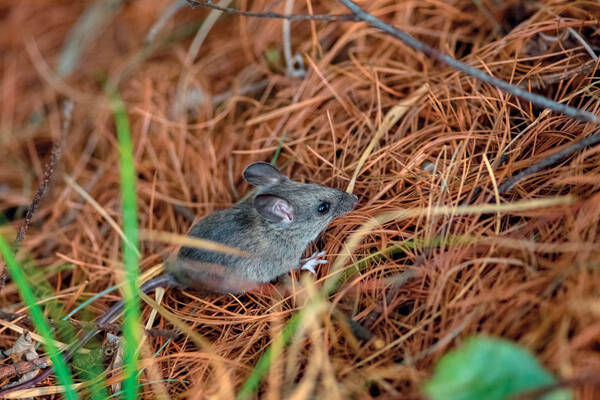
Fur is typically grey‑brown to brown above with paler underparts. The tail is usually dusky brown and often longer than the head–body length, with the upper surface darker. Compared with the house mouse, it is often described as having relatively larger eyes and ears and lacking a strong “mousy” odour, although reliable identification may require careful measurement and expert comparison.
Range and habitat
The species occurs only in south‑eastern Australia, with fragmented populations recorded in southern Queensland, New South Wales, Victoria and Tasmania (including some islands). It is most often found in coastal or near‑coastal landscapes, including open heathlands, open forests or woodlands with a heath understorey, and vegetated coastal sand dunes. It tends to favour sites with dense ground cover (heath shrubs, grasses, litter and fallen material) that provide shelter and nesting resources and allow safe movement between feeding patches.
Behaviour
New Holland mice are mostly active at night. They shelter by day in burrows and nest chambers, and they often move along well‑used runways near burrow entrances. In some habitats they can be social, with several individuals occupying the same burrow network. Population density can shift with rainfall and vegetation condition, and the species can be strongly influenced by fire history. In some regions it is most frequently detected in early‑to‑mid successional heath after fire, while very frequent or very intense fires can remove cover and reduce food, leading to declines.
Diet
The diet is omnivorous. Seeds are a major component, but fungi (including fruiting bodies), green plant material and a variety of invertebrates (such as beetles, ants and other insects) are also eaten. Seasonal conditions and rainfall strongly influence food availability and therefore reproduction and local abundance.
Reproduction and life history
Breeding timing varies with latitude and conditions, but most young are recorded between August and January. Gestation is roughly 32–39 days. Litters range from 1 to 6 young, with an average around four to five in many field datasets. First‑year females may produce about one litter per season, while second‑year females can produce multiple litters (commonly three to four). Lactation lasts around three to four weeks. In the wild, females may live up to about two years, making this a fast‑turnover species that depends on good seasons for recruitment.
Conservation status and threats
Globally the New Holland mouse is commonly assessed as Vulnerable (VU), and it is also listed as Vulnerable under Australia’s national threatened‑species legislation. Major threats include habitat loss and fragmentation (especially in coastal landscapes), predation by introduced foxes and feral cats, and altered fire regimes that remove shelter or disrupt the habitat mosaic the species needs. Under a drying climate, increased variability in rainfall and food resources can further reduce breeding success and increase local extinction risk.