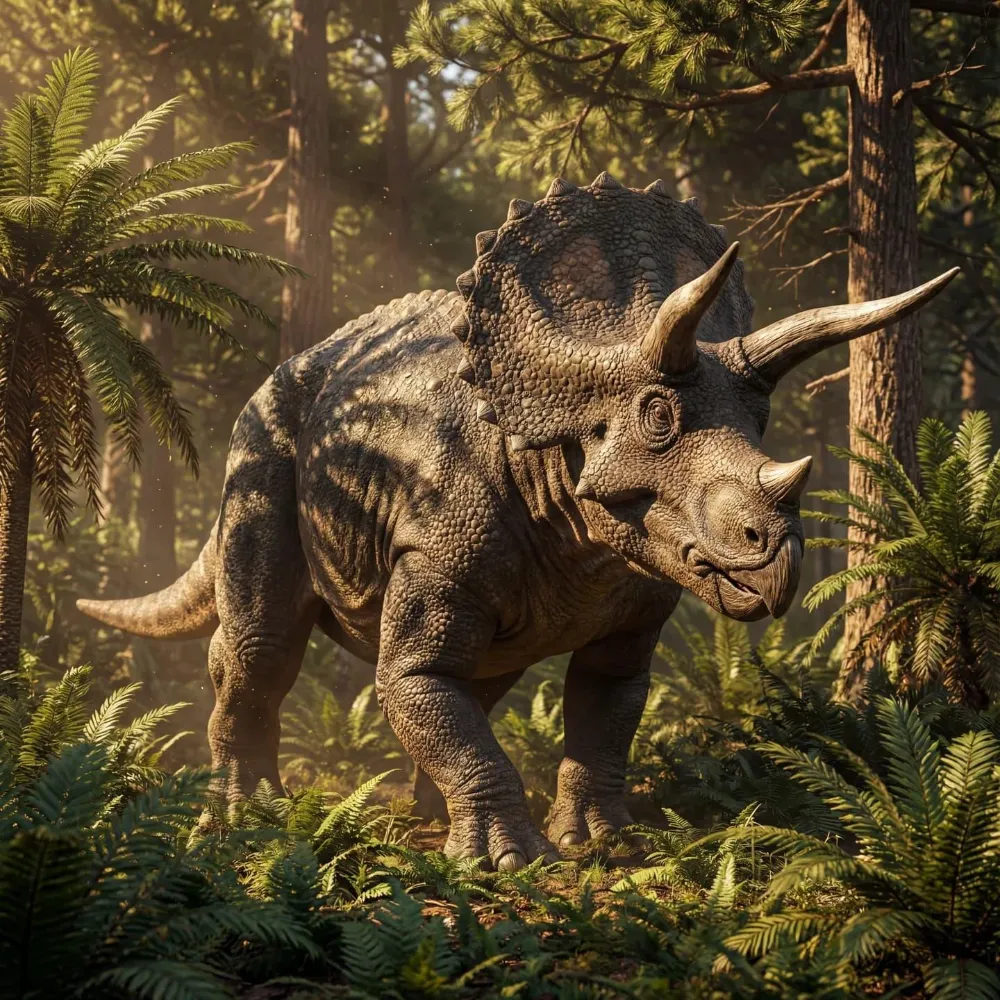
What Is the Difference Between Dinosaurs and Reptiles?
Are dinosaurs reptiles? Learn how dinosaur hips, legs and ancestry set them apart, why pterosaurs aren't dinosaurs, and which dinosaurs survive today.
Find animal profiles, comparisons, pet care guides, dinosaurs, FAQs, and tools.
Are dinosaurs reptiles? Learn how dinosaur hips, legs and ancestry set them apart, why pterosaurs aren't dinosaurs, and which dinosaurs survive today.
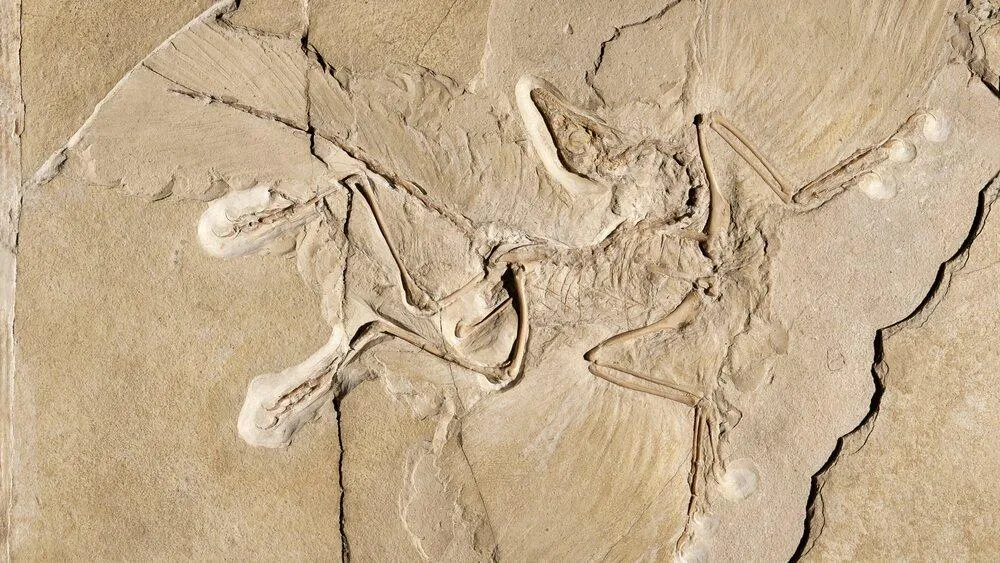
Yes, birds are dinosaurs. Modern birds are the only surviving branch of dinosaurs and evolved from small, feathered theropod ancestors during the Mesozoic Era. Scientific evidence from fossils, skeletal anatomy, feathers, eggs, and evolutionary relationships establishes that birds belong within the

Ophthalmosaurus was a fast-swimming marine reptile that lived during the Jurassic. It was not a dinosaur, even though it lived at the same time as many dinosaurs. Instead, it belonged to the ichthyosaurs, a group of highly specialized reptiles that evolved fish-like bodies for life in the sea. Ophth

Mussaurus was an early plant-eating sauropodomorph from what is now Argentina. It became famous because the first fossils belonged to tiny hatchlings and juveniles, making scientists think of it as a very small dinosaur. Later discoveries showed that adult Mussaurus was much larger and had the long
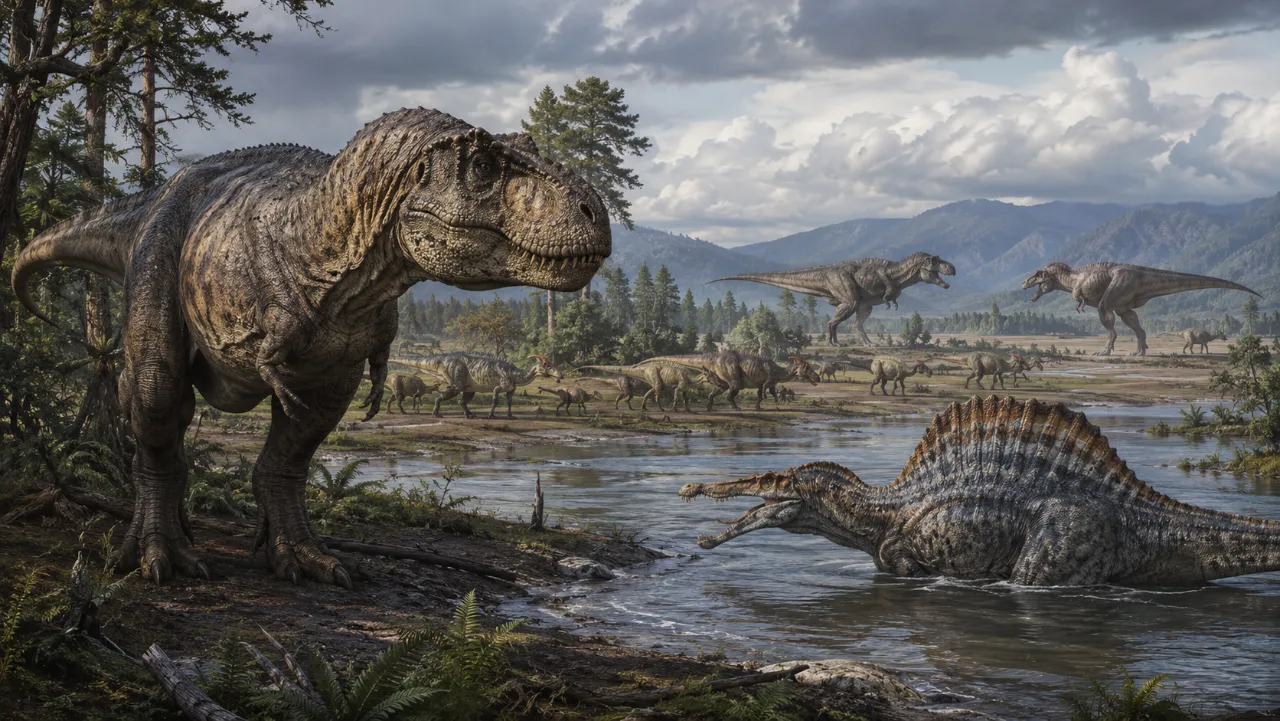
Dinosaurs were not “cruel” in the human sense. They hunted, fought, scavenged, defended territory, and competed for mates because those behaviors helped them survive. Still, some dinosaurs looked terrifying for good reason: crushing jaws, blade-like teeth, strange skull weapons, powerful claws, or

Tuojiangosaurus was a plated herbivorous dinosaur from Jurassic China. It belonged to the stegosaur group, known for body armor made of upright plates and a spiked tail. Although it is sometimes compared with the more famous Stegosaurus from North America, Tuojiangosaurus had its own distinct look,

Sauroposeidon was a giant long-necked plant-eating dinosaur from the Early Cretaceous of North America. It is famous for its extraordinary neck vertebrae, which suggest that it was one of the tallest dinosaurs ever discovered. Although it is sometimes mentioned alongside the biggest sauropods of all

Yangchuanosaurus was a large meat-eating theropod dinosaur from Jurassic China. It is one of the best-known predatory dinosaurs from Asia and is especially famous for its powerful skull, sharp teeth, and strong hunting build. Although it is sometimes described as an Asian equivalent of Allosaurus be

Shunosaurus was a plant-eating sauropod dinosaur from Jurassic China. It was not one of the largest sauropods, but it is one of the most unusual because it appears to have carried a bony tail club. That feature makes it stand out from many other long-necked dinosaurs. Shunosaurus also had a relative

Pterodactylus was a small flying reptile from the Late Jurassic of Europe. It was not a dinosaur, although it lived at the same time as many dinosaurs and is often grouped with them in popular media. As a pterosaur, it belonged to a different branch of reptile evolution specialized for powered fligh

Omeisaurus was a large long-necked plant-eating dinosaur that lived in what is now China during the Jurassic. It is one of the most famous sauropods from Asia and is especially well known for its very long neck, heavy body, and classic “high-browsing” silhouette. Although it is sometimes overshado
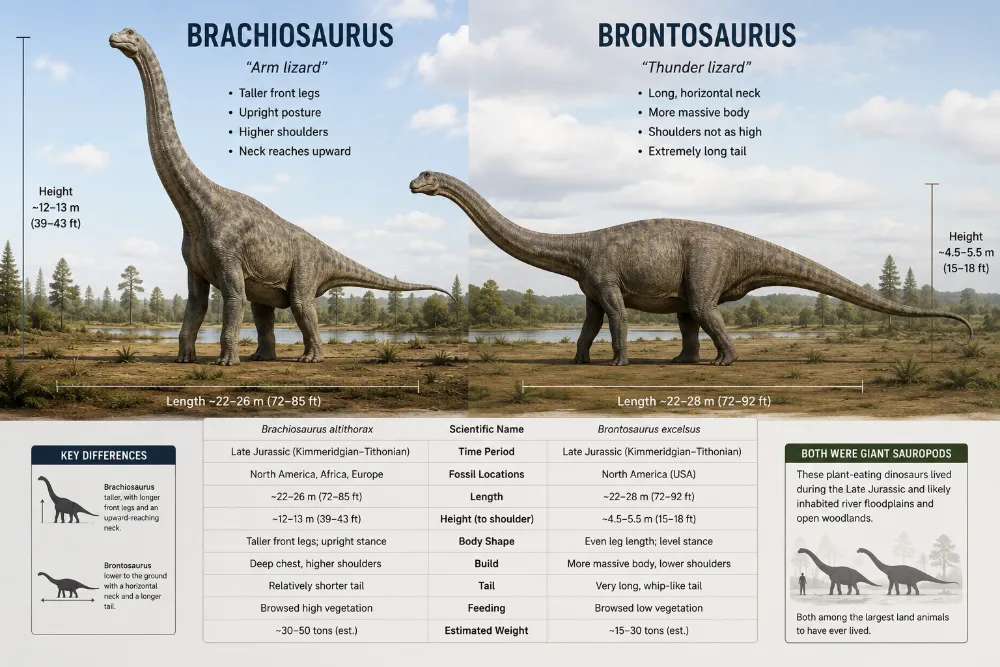
Brachiosaurus and Brontosaurus were both huge plant-eating sauropod dinosaurs, but they had very different body shapes. Brachiosaurus had longer front legs than hind legs, giving it a high-shouldered, giraffe-like profile. Brontosaurus had a longer, lower body, a very long tail, and a more horizonta
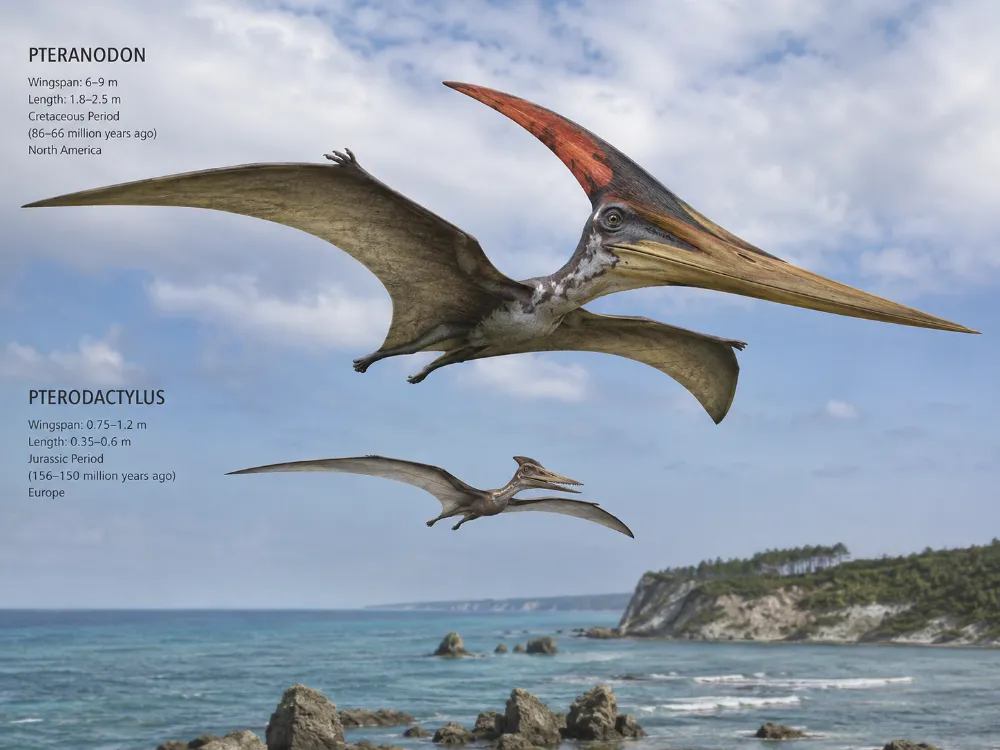
Pteranodon and pterodactyl are often confused, but they are not the same animal. Pteranodon was a large, toothless pterosaur from Late Cretaceous North America with a long skull crest and huge wings. “Pterodactyl” is a casual word often used for many pterosaurs, but the real genus Pterodactylus wa
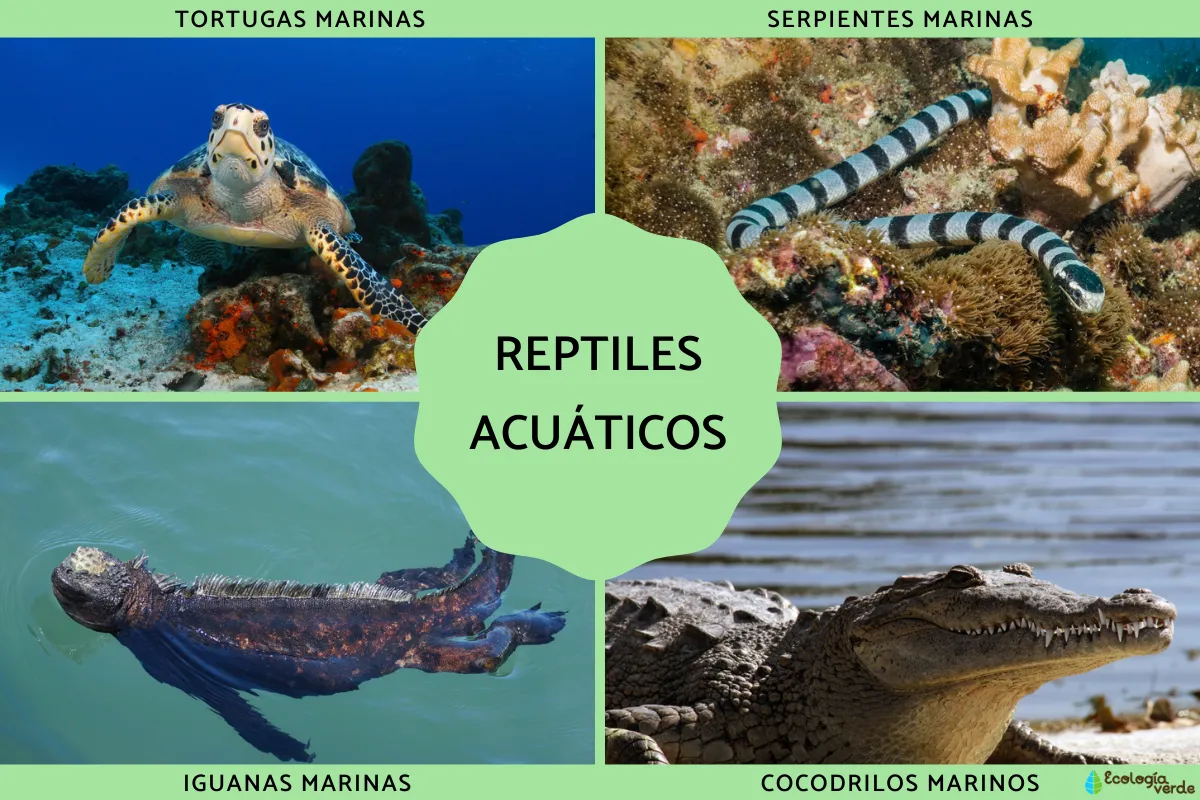
Aquatic reptiles are reptiles that spend much or most of their lives in water, including sea turtles, sea snakes, marine iguanas, crocodilians, and many freshwater turtles. Unlike fish, aquatic reptiles breathe air with lungs, but they can stay underwater for long periods by slowing their metabolism

Compsognathus was a small, slender carnivorous dinosaur that lived during the Late Jurassic in Europe. It is one of the best-known tiny theropods and is often remembered for its graceful build, long legs, and lightweight body. Even though it was much smaller than famous predators such as Allosaurus

Megalosaurus was a large meat-eating theropod dinosaur from Jurassic England. Today it is known as one of the earliest named dinosaurs and one of the most important animals in the history of dinosaur science. Although it is not as famous in popular culture as Tyrannosaurus or Velociraptor, Megalosau

Apatosaurus (Apatosaurus ajax) was one of the best-known long-necked dinosaurs of the Jurassic Period. With a huge body, a thick muscular neck, and a long tail, Apatosaurus represents the classic image of a giant sauropod moving through river floodplains.Time PeriodApatosaurus lived during the Late

Ceratosaurus (Ceratosaurus nasicornis) was a predatory dinosaur from the Jurassic Period. It is famous for the horn on its nose and its distinctive skull shape. Although it lived in the same ecosystems as the more famous Allosaurus, Ceratosaurus had its own unique features and likely filled a slight