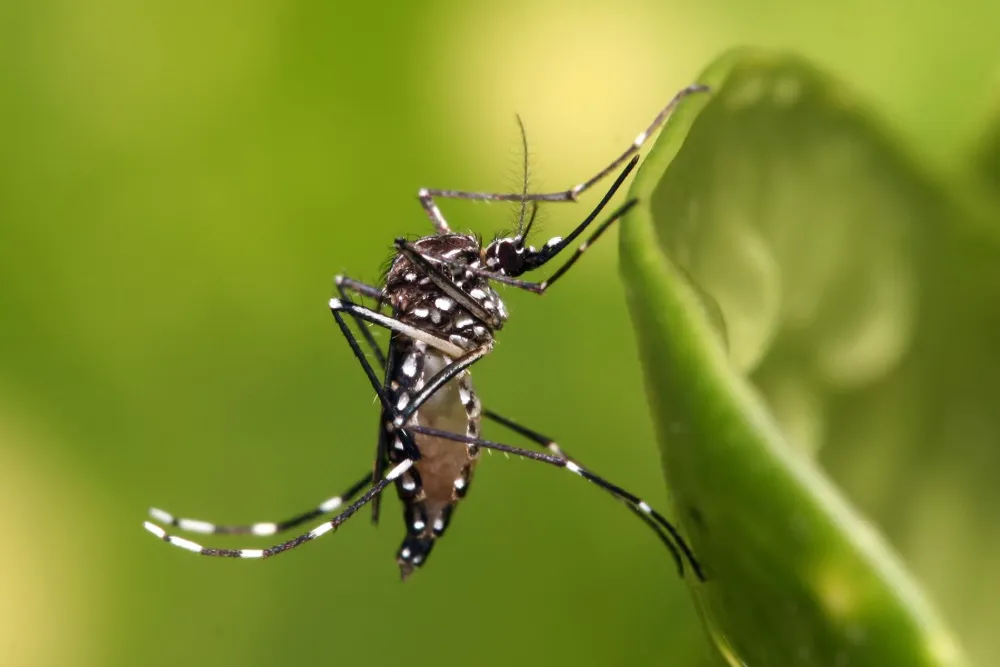
Why Do Mosquitoes Bite Some People More Than Others?
Mosquitoes bite some people more than others largely because people release different combinations of skin odors that mosquitoes can detect. Research has linked greater attraction to certain carboxylic acids found in human skin emissions. Mosquitoes also use carbon dioxide from breathing, visual cue...
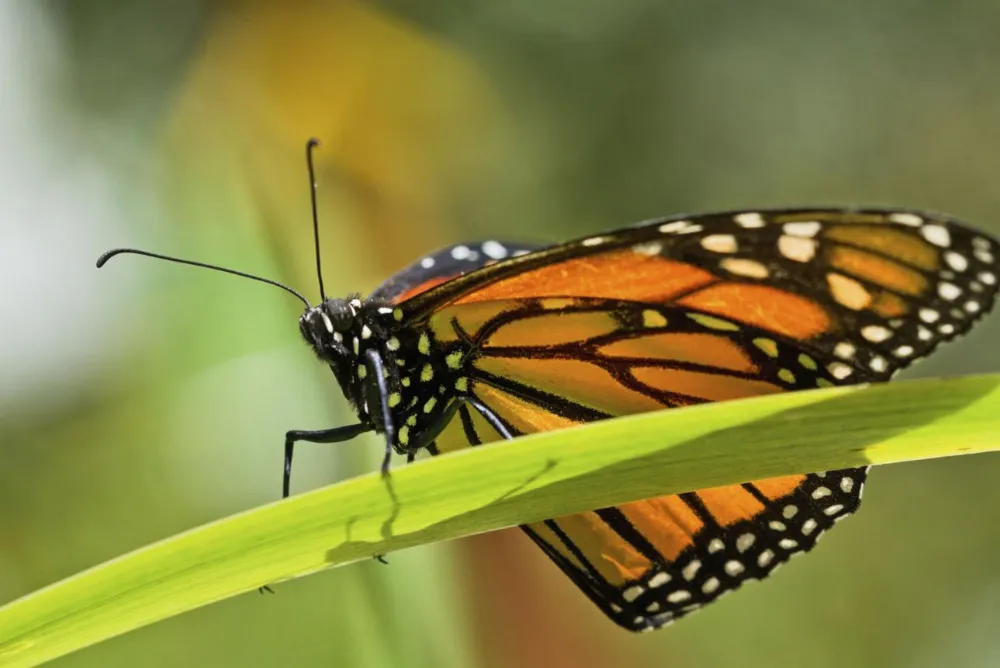
Can Butterflies Taste With Their Feet?
Yes, butterflies can taste with their feet. Many butterflies have specialized chemical sensors called gustatory sensilla on their legs, particularly on the lower foot segments known as tarsi. When a butterfly lands on a leaf or flower, these sensors can detect certain chemicals on the surface. For f...
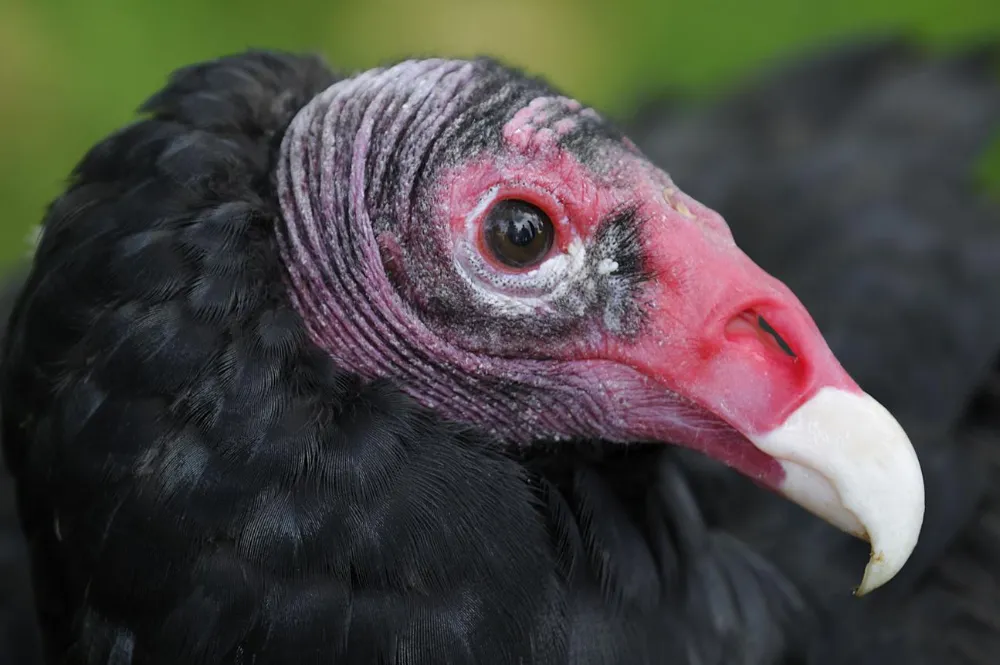
Can Birds Smell? How Birds Use Their Sense of Smell
Yes, birds can smell. Most birds possess an olfactory system, although their sensitivity to odors varies widely among species. Turkey vultures can use smell to locate carrion, some albatrosses and petrels detect airborne chemical signals associated with ocean food webs, and kiwi birds use both smell...
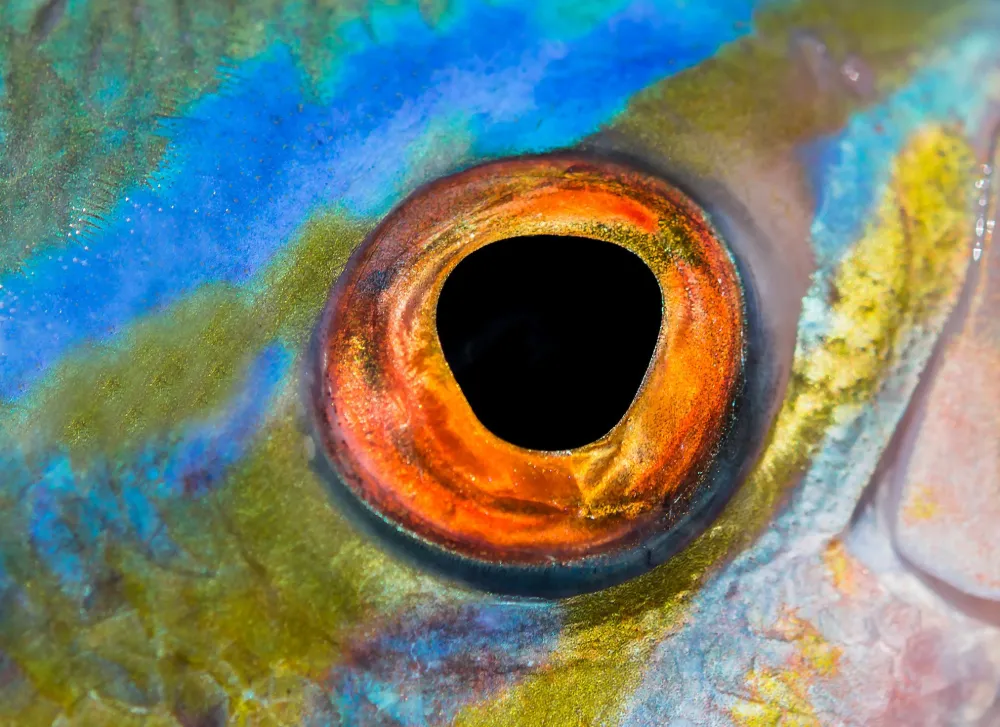
Can Fish See Water? How Fish Vision Really Works
Fish can see objects, particles, bubbles, light patterns, and boundaries in water, but they probably do not perceive uniformly clear water as a separate visible object. Just as humans normally look through clean air without noticing the air itself, fish see their surroundings through the water aroun...
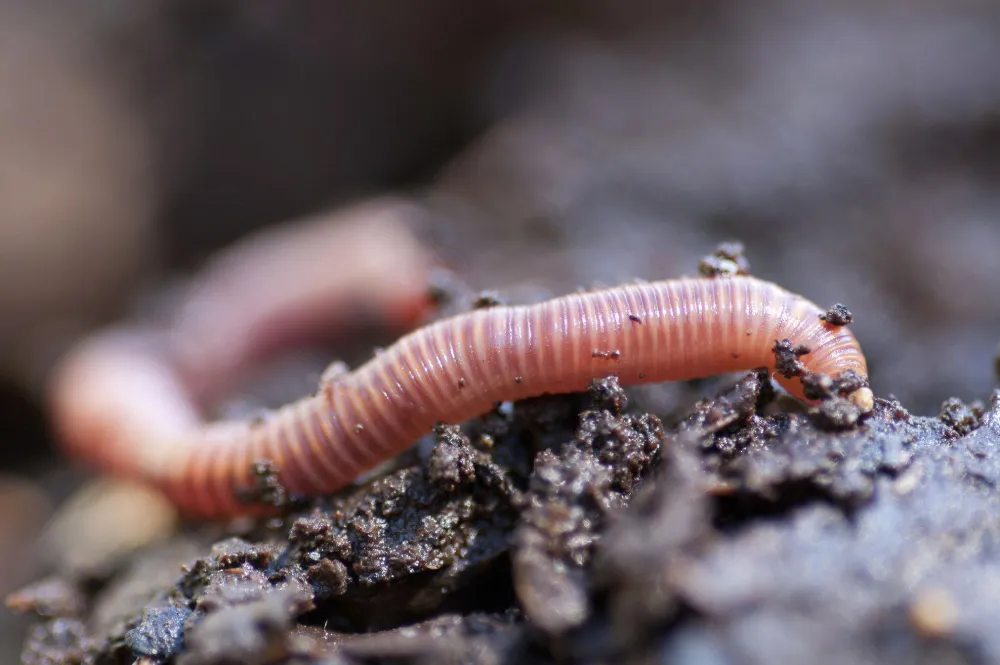

Animals have 4 senses that humans don’t have
Radar guns, magnetic compasses, and infrared detectors are man-made inventions that allow humans to transcend the five natural senses of sight, taste, smell, feeling, and hearing. But these gadgets are far from original. Millions of years before humans evolved, some animals had these "extra"...