Caudata
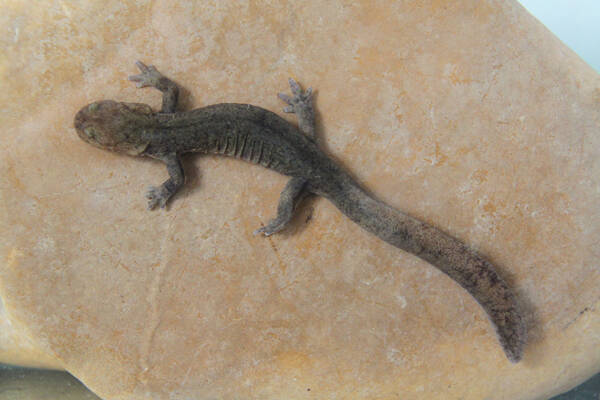
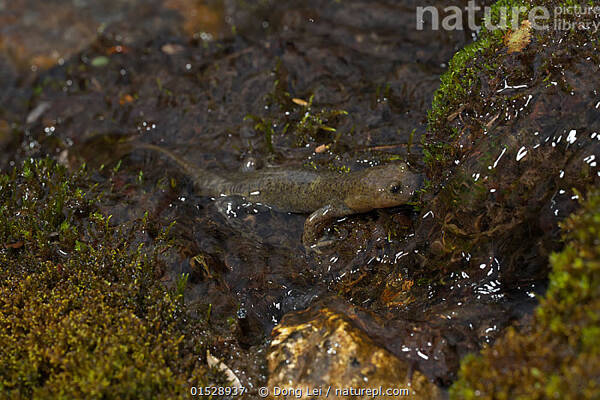
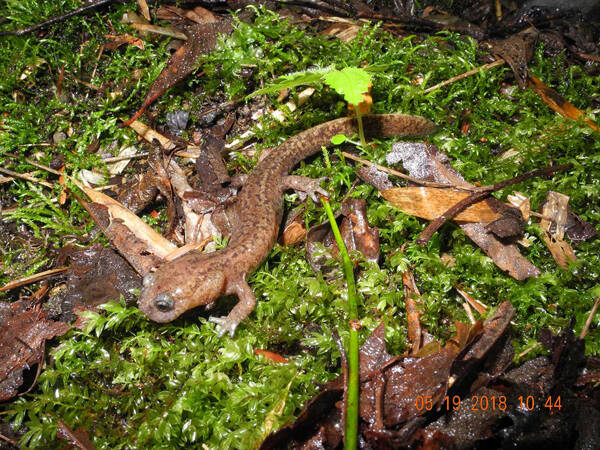
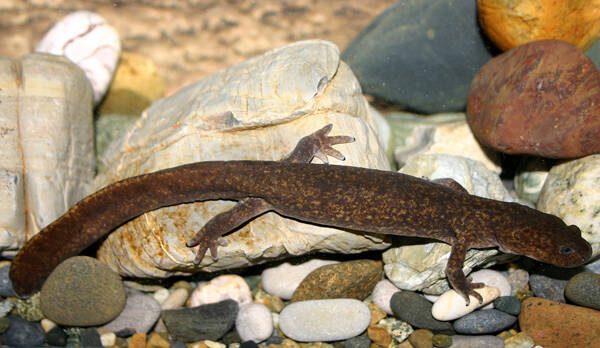
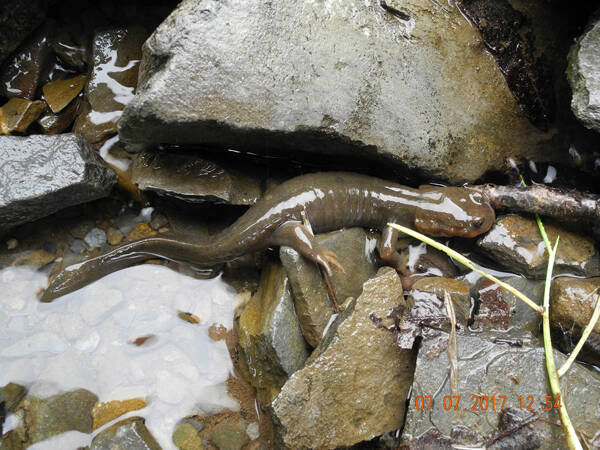
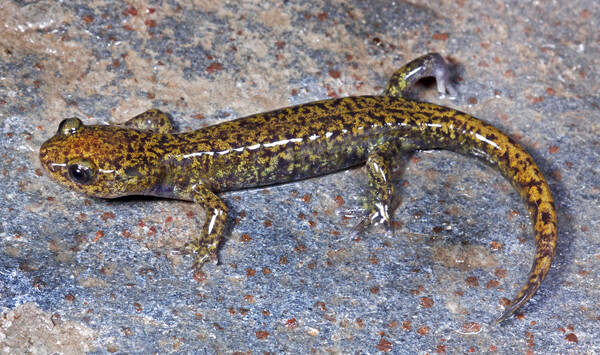
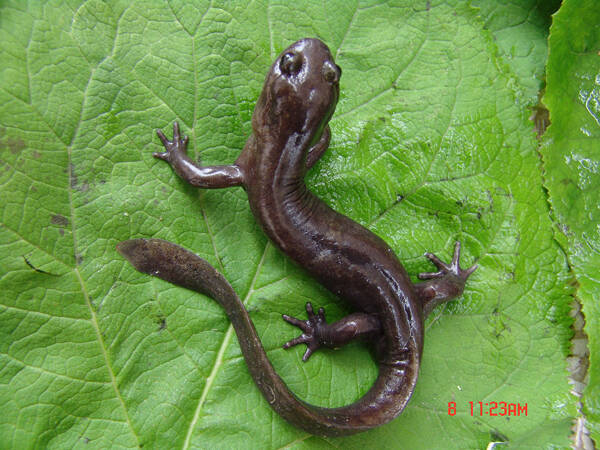
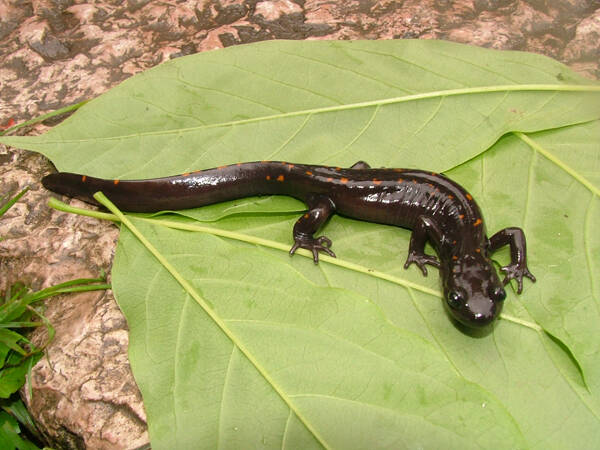
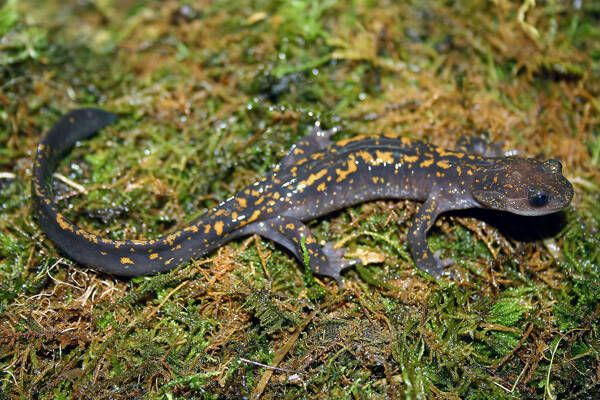
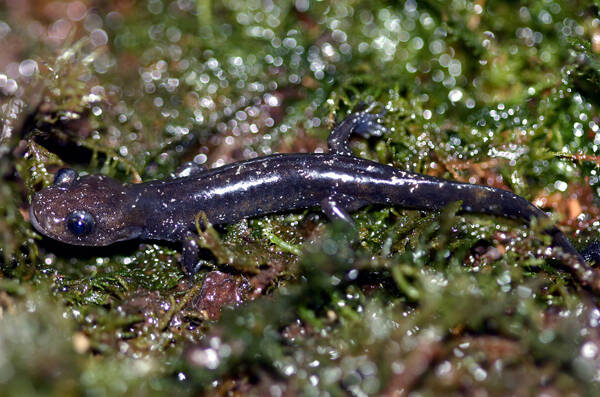
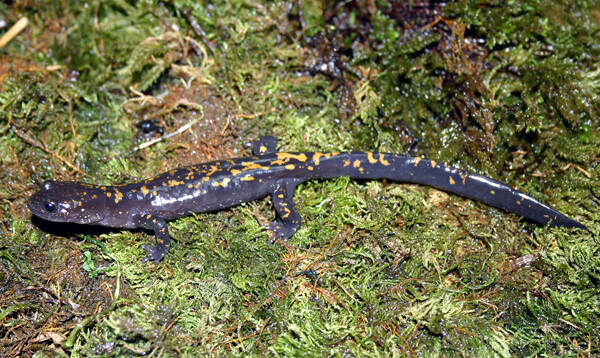
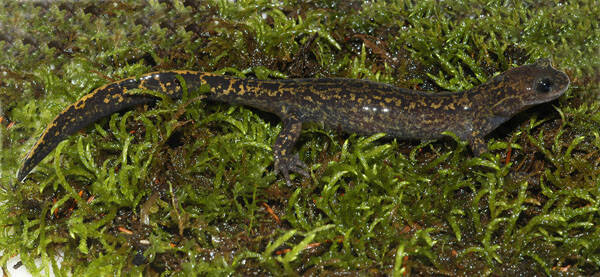
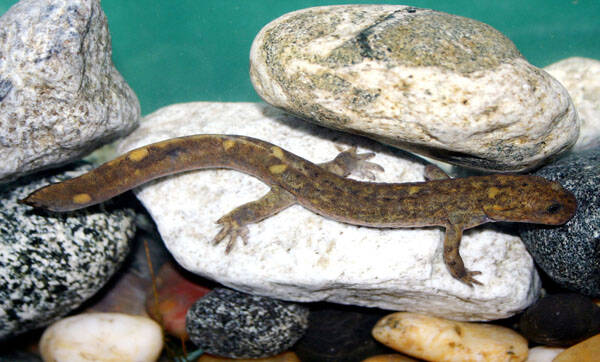
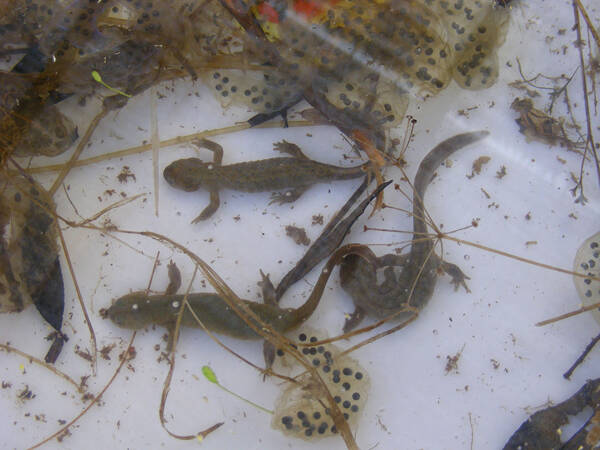
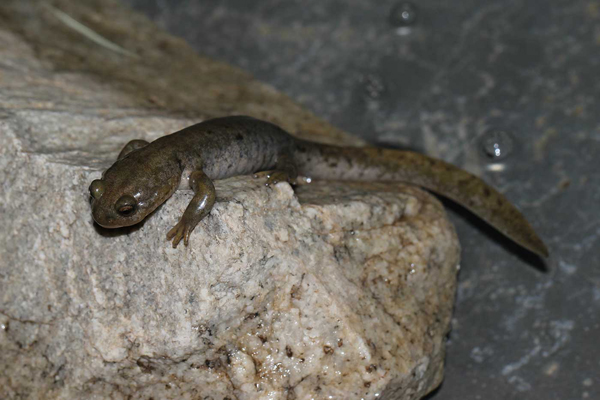
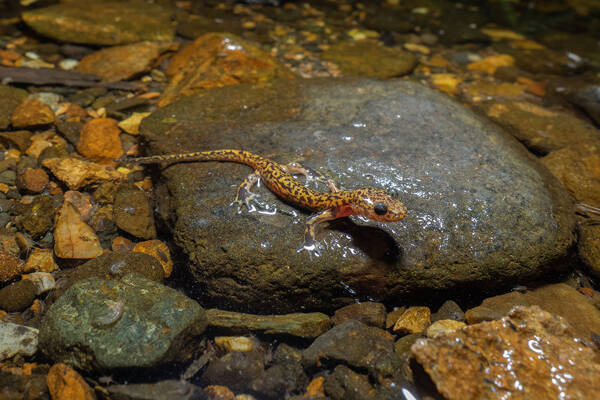
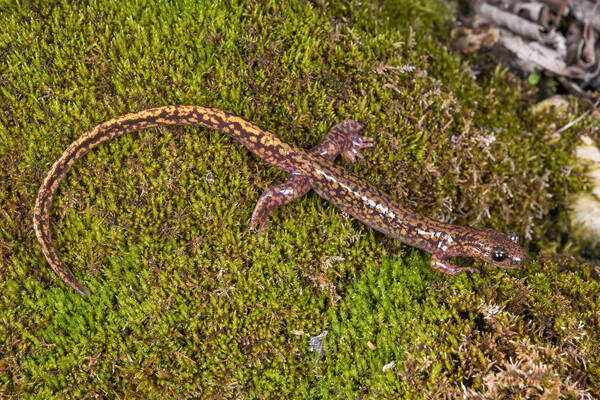
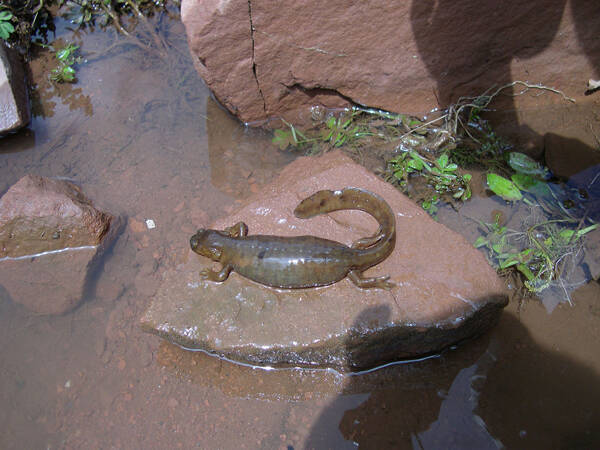
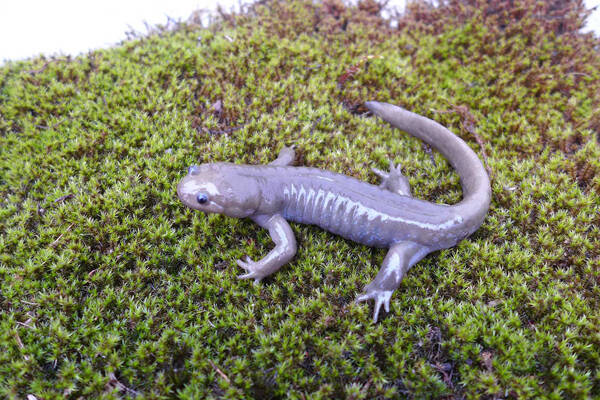
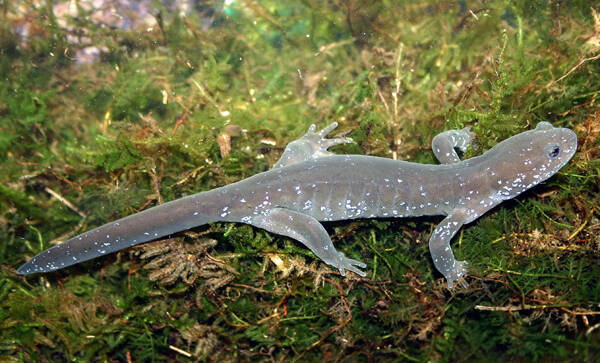
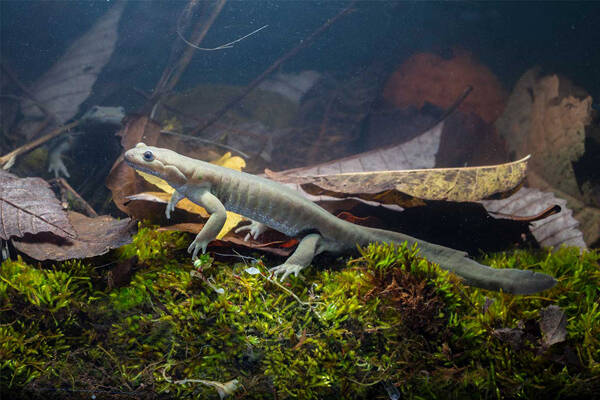
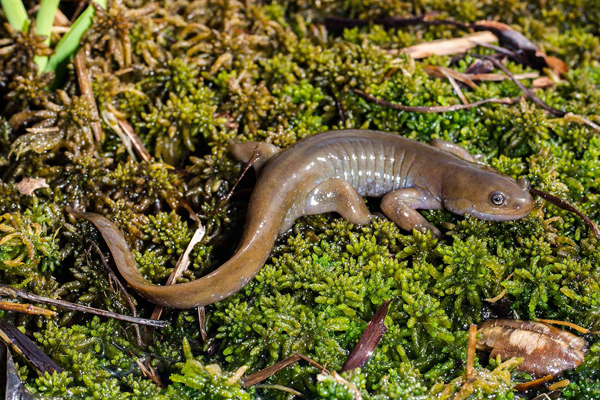
Caudata are amphibians that have tails throughout their lives. There are 8 families, 60 genera and more than 300 species, mainly distributed in the Northern Hemisphere. There are 3 families, 15 genera and about 35 species in China. The larvae are not much different from the adults in morphology, mainly including newts, small salamanders and giant salamanders. Caudata have fully developed forelimbs and hindlimbs, which are about the same size. There is no eardrum or external ear opening. The teeth are located in the lower jaw. The body has no scales or sharp claws. Usually fertilization is internal.
I. Introduction to Caudata (Urodela)
1. Definition and Key Characteristics
Taxonomic Placement
Caudata (or Urodela) is one of the three orders within the class Amphibia, alongside Anura (frogs and toads) and Gymnophiona (caecilians). Caudata comprises salamanders and newts, with approximately 700 recognized species worldwide. They inhabit a variety of environments, including forests, wetlands, streams, and sometimes arid regions, primarily in the Northern Hemisphere but also present in parts of Central and South America, Asia, and Europe.
Morphological Traits
Body Structure: Caudates possess elongated bodies with slender tails. Most have four limbs of roughly equal size, although some species exhibit limb reduction or complete limb loss.
Skin: Their skin is moist and glandular, typically requiring a humid environment to prevent desiccation. Some species have rough, granular skin, while others are smooth.
Respiration: They exhibit diverse respiratory methods, including cutaneous (through the skin), pulmonary (lungs), and branchial (gills) respiration. Larval forms are usually fully aquatic with gills, while adults can be either fully aquatic, semi-aquatic, or terrestrial.
Life Cycle: Caudates undergo indirect development, often featuring an aquatic larval stage that metamorphoses into an adult form. Some species remain aquatic throughout their lives, while others return to water primarily for breeding.
Behavioral Characteristics
Locomotion: Typically move by undulating their bodies and tails, though some use their limbs for walking or swimming.
Reproduction: Most are oviparous, laying eggs in water or moist terrestrial environments. Fertilization is usually internal, with males employing various courtship behaviors to attract females.
Defense Mechanisms: Many possess toxic skin secretions to deter predators. Some can regenerate lost limbs or tail parts, showcasing remarkable regenerative abilities.
2. Ecological and Human Significance
II. Evolutionary History of Caudata
Origins and Fossil Record
The earliest caudate fossils date back to the late Jurassic period (approximately 160 million years ago), with ancestors exhibiting both aquatic and terrestrial adaptations.
Early caudates show a mix of primitive and derived features, such as the presence of external gills and limb structures suitable for both swimming and crawling.
The diversification of Caudata accelerated during the Cretaceous period, with major lineages establishing distinct ecological niches.
Modern Diversification and Adaptations
The breakup of the supercontinent Pangaea and subsequent continental drift facilitated the widespread distribution and speciation of caudates across various continents.
Adaptive radiation led to the evolution of diverse forms, including fully aquatic newts, terrestrial salamanders, and arboreal species with specialized limb structures.
Some lineages have developed extreme adaptations, such as the lungless salamanders (family Plethodontidae), which rely entirely on cutaneous respiration.
Phylogenetic Insights
Molecular phylogenetics has reshaped our understanding of caudate relationships, revealing previously unrecognized lineages and clarifying the evolutionary pathways of limb reduction and loss.
Genetic studies indicate that the high regenerative capacity of salamanders is a deeply conserved trait, with significant implications for regenerative medicine research.
III. Major Classification Table of Caudata
The following table outlines the primary families within the Order Caudata, along with representative genera and example species. Note that ongoing research may lead to revisions in family and genus classifications.
A. Family Ambystomatidae (Mole Salamanders)
| Genus | Example Species | Distribution & Notes |
|---|
| Ambystoma | Spotted salamander (Ambystoma maculatum), Tiger salamander (Ambystoma tigrinum) | Primarily found in North America; known for complex breeding behaviors and distinct larval stages. |
| Dicamptodon | Coastal giant salamander (Dicamptodon tenebrosus) | Native to the Pacific Northwest of the United States; one of the largest salamanders in North America. |
B. Family Plethodontidae (Lungless Salamanders)
| Genus | Example Species | Distribution & Notes |
|---|
| Ensatina | Ensatina salamander (Ensatina eschscholtzii) | Found along the Pacific coast of North America; notable for their ring species distribution and lack of lungs. |
| Oedipina | Tropical climbing salamanders (Oedipina spp.) | Distributed in Central and South America; adapted for an arboreal lifestyle with elongated bodies and reduced limbs. |
C. Family Salamandridae (True Newts and Salamanders)
| Genus | Example Species | Distribution & Notes |
|---|
| Notophthalmus | Eastern newt (Notophthalmus viridescens) | Widely distributed in North America; undergo a complex life cycle with aquatic larval, terrestrial eft, and aquatic adult stages. |
| Triturus | Great crested newt (Triturus cristatus) | Native to Europe; known for their elaborate courtship displays and breeding behaviors in temporary ponds. |
D. Family Proteidae (Waterdogs and Mudpuppies)
| Genus | Example Species | Distribution & Notes |
|---|
| Necturus | Common mudpuppy (Necturus maculosus) | Found in eastern North America; fully aquatic with external gills retained into adulthood. |
| Proteus | Olm (Proteus anguinus) | Endemic to the Dinaric Alps in Southeast Europe; a troglobitic species with no pigmentation and reduced eyesight. |
E. Family Dicamptodontidae (Pacific Giant Salamanders)
| Genus | Example Species | Distribution & Notes |
|---|
| Dicamptodon | Coastal giant salamander (Dicamptodon tenebrosus) | Found in the Pacific Northwest of the United States; large, fully aquatic or semi-aquatic species. |
F. Family Batrachosepsidae (Slender Salamanders)
| Genus | Example Species | Distribution & Notes |
|---|
| Batrachoseps | California slender salamander (Batrachoseps attenuatus) | Endemic to California, USA; characterized by their elongated bodies and reduced limbs, adapted for a fossorial lifestyle. |
G. Family Hynobiidae (Asiatic Salamanders)
| Genus | Example Species | Distribution & Notes |
|---|
| Hynobius | Japanese salamander (Hynobius leechii) | Found in East Asia, particularly Japan; terrestrial during the adult phase with aquatic larvae. |
| Onychodactylus | Japanese clawed salamander (Onychodactylus japonicus) | Native to Japan and parts of China; known for their robust limbs and aquatic habits. |
H. Family Cryptobranchidae (Giant Salamanders)
| Genus | Example Species | Distribution & Notes |
|---|
| Andrias | Chinese giant salamander (Andrias davidianus) | The largest amphibian species in the world; critically endangered, native to China’s Yangtze River basin. |
| Cryptobranchus | Hellbender (Cryptobranchus alleganiensis) | Found in eastern North America; large, fully aquatic, and sensitive to water quality changes. |
I. Family Sirenidae (Sirens)
| Genus | Example Species | Distribution & Notes |
|---|
| Siren | Greater siren (Siren lacertina) | Found in southeastern United States; eel-like bodies with external gills and limited limb development. |
| Pseudobranchus | Lesser siren (Pseudobranchus striatus) | Also native to the southeastern United States; similar to Siren but smaller and with distinct coloration patterns. |
IV. Evolutionary History of Caudata
Early Origins and Fossil Record
Caudata first appeared in the late Jurassic period, around 160 million years ago, evolving from early amphibian ancestors with both aquatic and terrestrial adaptations.
The fossil record includes transitional forms that exhibit a mix of primitive and derived traits, such as varying limb structures and respiratory systems, highlighting the group's adaptive versatility.
Diversification and Adaptive Radiation
During the Cretaceous period, Caudata underwent significant diversification, adapting to a wide range of ecological niches across different continents.
The breakup of Pangaea facilitated geographic isolation and subsequent speciation, leading to the rich diversity seen in modern salamanders and newts.
Adaptive radiation events led to the evolution of specialized forms, such as fully aquatic newts, terrestrial salamanders with advanced limb structures, and lungless salamanders with enhanced cutaneous respiration.
Phylogenetic Developments
Molecular studies have refined the phylogenetic relationships within Caudata, uncovering deep lineages and resolving previously unclear taxonomic groupings.
Genetic research has also shed light on the remarkable regenerative abilities of caudates, contributing valuable insights into regenerative biology and medicine.
V. Summary
Diversity and Global Distribution
The Order Caudata is highly diverse, encompassing over 700 species that occupy a wide array of habitats worldwide, predominantly in the Northern Hemisphere.
Their morphological and physiological adaptations have enabled caudates to thrive in aquatic, semi-aquatic, and terrestrial environments, showcasing a remarkable evolutionary success.
Ecological and Economic Roles
Caudates play critical roles in maintaining ecological balance as both predators and prey within their respective ecosystems.
They serve as important bioindicators for environmental health due to their sensitivity to habitat changes and pollutants.
Economically, they are significant in scientific research, the pet trade, and, in some regions, as sources of food and traditional medicine.
Conservation Challenges
Many caudate species face threats from habitat destruction, pollution, climate change, and overharvesting, leading to declines and extinctions.
Conservation efforts include habitat protection, captive breeding programs, legal protections, and initiatives to mitigate human-wildlife conflicts.
Continued research and public education are essential to promote the conservation and sustainable management of caudate populations.
Conclusion
This comprehensive Caudata Classification Overview provides an in-depth look at the Order Caudata, detailing their morphological traits, evolutionary history, major families, and ecological significance. For more detailed information on specific species—including their morphology, distribution, and conservation status—consult specialized herpetological references, regional field guides, and recent molecular phylogenetic studies. We hope this guide serves as a valuable resource for your website, enhancing public understanding and appreciation of these fascinating and ecologically important amphibians.

 LC
LC