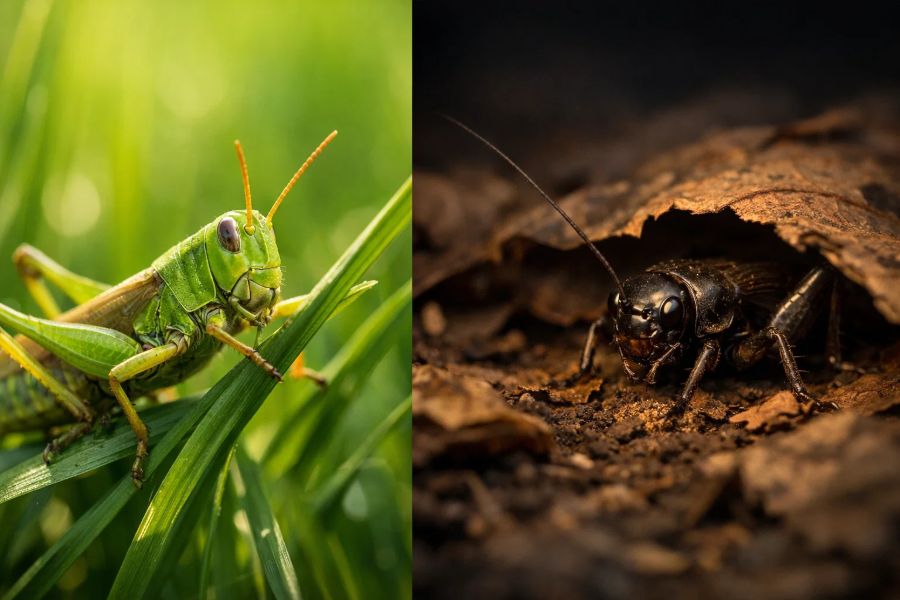
Moths are very common household insects, especially in closets, wardrobes and pantries. Most people know them for damaging clothes or dry food, but many also wonder:
Do moths bite humans? Can they harm pets? Are they dangerous to our health?
The short answer is:
Adult moths don’t bite and are not directly dangerous to people or pets.
However, their larvae (caterpillars) and the dust-like scales on their wings can sometimes cause mild skin irritation or allergies in sensitive individuals. And of course, some species can cause damage to clothes and stored food.
Let’s go through everything in detail.
Do Moths Bite or Not?
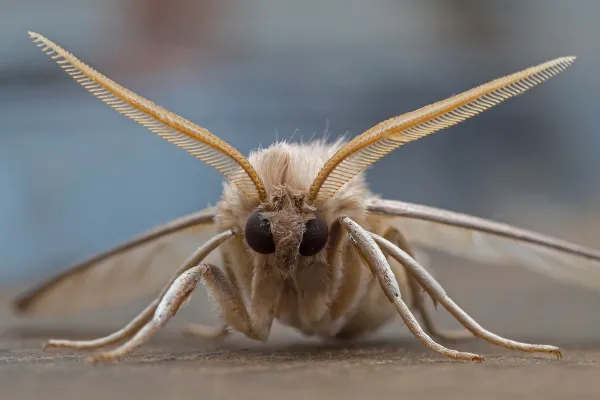
Unlike mosquitoes, bed bugs or fleas, moths do not bite or sting humans.
Most adult moths don’t even feed at all – their main purpose in this stage is reproduction.
In species that do feed, their mouthparts are adapted to sucking liquids like flower nectar, not to piercing skin.
Their mouth structure is not designed to bite, chew skin or suck blood.
So if you notice itching and think, “A moth bit me”, it’s almost certainly something else.
What can actually cause irritation?
Contact with moth larvae (caterpillars)
Contact with tiny scales that cover adult moths’ wings and body
These scales or larval hairs can sometimes cause:
Mild itching
Redness
Light rash
But that’s a contact reaction, not a real insect bite.
Are Moths Dangerous to People?
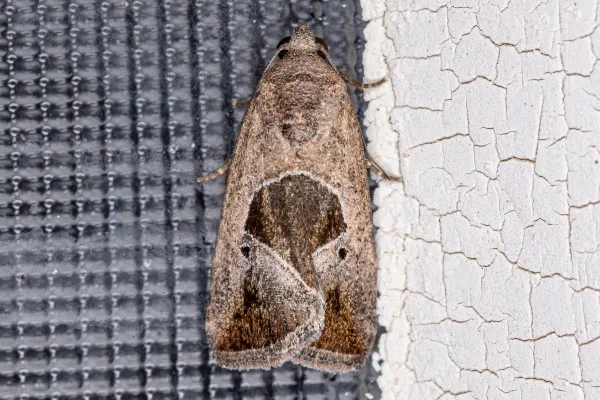
For most people, moths are not dangerous:
They do not bite
They do not transmit diseases
They are not venomous
However, they can still cause indirect problems in the home.
1. Clothes moths
Clothes moth larvae feed on:
Wool
Silk
Cotton
Other natural fibers
They can damage:
Sweaters and coats
Blankets and throws
Carpets and rugs
Upholstery and other textiles
If you don’t detect them early, they can leave small holes in multiple garments.
2. Pantry (food) moths
Food moths (like Indian meal moths) lay eggs in:
Flour
Cereals
Rice
Pasta
Nuts and seeds
Pet food and other dry goods
Their larvae contaminate food with:
Webbing
Droppings
Cocoon material
This doesn’t usually cause illness, but contaminated products should be thrown away, which is inconvenient and wasteful.
So: moths are more harmful to your wardrobe and pantry than to your health.
Are Moths Dangerous to Pets?
In general, moths are not truly dangerous to dogs or cats.
If a dog or cat catches and eats a single moth, nothing serious normally happens.
Adult moths are usually non-toxic, and most pets simply play with them and move on.
However, there are a few small things to keep in mind:
Eating lots of moths or other insects could cause:
Mild stomach upset
Occasional vomiting or diarrhea in sensitive animals
Moths from contaminated environments (for example, sprayed with chemicals, pesticides or living around toxins) may:
Irritate the digestive system
Trigger vomiting or discomfort
Moth eggs or larvae in fabric or food:
If a pet chews on infested clothes or contaminated food, it might ingest larvae or debris
This usually isn’t serious, but can sometimes cause mild digestive upset or allergic reactions in sensitive animals
Overall, though, moths are not considered a real threat for healthy pets. Just keep their environment clean and monitor them if they frequently eat insects or chew on infested items.
What If You React to a Moth Caterpillar?
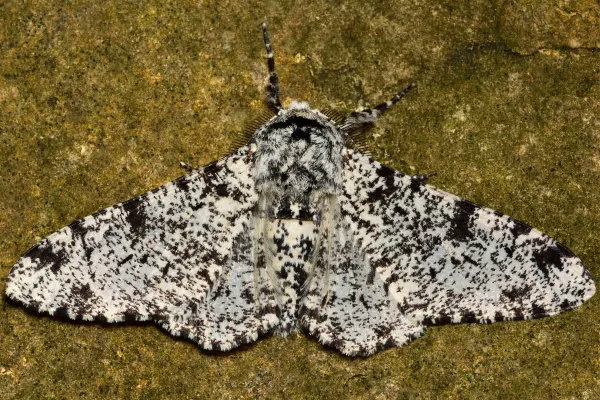
While adult moths are harmless, some moth caterpillars (larvae) can cause skin irritation.
Many species have:
Tiny urticating hairs (irritating hairs)
These can release substances that cause:
Itching
Redness
Mild rash or small bumps
If you notice a skin reaction after touching a moth caterpillar, you can:
Wash the affected area
Use cool water and a mild soap
This helps remove hairs or irritating substances
Avoid scratching
Scratching can worsen irritation
It may also increase the risk of infection
Apply something soothing
A cool compress (clean cloth with cold water)
A calming lotion, such as aloe vera gel or calamine
If itching or redness is intense
You may use a topical antihistamine or hydrocortisone cream,
But always follow packaging directions and, ideally, ask a doctor or pharmacist first.
Get medical help immediately if you notice:
Swelling of face, lips, or eyes
Difficulty breathing
Strong swelling, blisters, or systemic symptoms
These more serious reactions are uncommon, but if they appear, they require urgent medical attention.
In most cases, reactions to moth caterpillars are mild and temporary, disappearing within hours or a few days.
How to Prevent Moths and Their Larvae at Home (Eco-Friendly Methods)
You don’t need harsh chemicals to keep moths under control.
Many infestations can be prevented with cleaning, good storage habits and natural repellents.
Here are some eco-friendly tips:
1. Keep things clean and tidy
Moths love dark, undisturbed places:
Vacuum regularly:
Corners
Under beds and furniture
Closets and carpets
Clean drawers, shelves and storage areas where you keep:
Clothing
Textiles
Dry foods
Less dust, clutter and hidden spaces = fewer places for moths to hide and lay eggs.
2. Air out closets and check clothing
Take out clothes that have been stored for a long time and shake, brush or air them out.
Moths prefer:
Natural fibers like wool and cotton
Especially if there are traces of sweat, food, or moisture
Good habits:
Wash or dry-clean garments before long-term storage.
Air out closets regularly to avoid stale, humid conditions.
3. Use natural scents that moths dislike
Some natural fragrances act as moth repellents and also make your closets smell nice:
Dried lavender sachets
Bay leaves
Cloves
Dried orange peel
Place them in:
Wardrobes
Drawers
Storage boxes
They’re environmentally friendly and leave a fresh, pleasant scent in your clothes.
4. Control humidity
Moths and their larvae prefer humid environments.
Use:
Silica gel sachets
Small bowls of baking soda
Rice in breathable bags
Place them in closets and storage spaces to keep them dry and less attractive to moths.
5. Protect pantry foods
In the kitchen:
Store dry foods such as:
in airtight containers, preferably glass or metal.
Flour
Cereals
Rice
Pasta
Nuts and seeds
This prevents pantry moths from:
Entering and laying eggs in the food
Spreading through multiple packages
Regularly check old packages and discard anything that shows signs of:
Webbing
Larvae
Strange clumps or movement
Final Takeaways
Do moths bite?
➜ No. Adult moths do not bite or sting humans or pets.Are moths dangerous to people?
➜ Generally no. They don’t spread disease or attack, but their larvae can damage clothes and food, and their scales/larvae can cause mild skin irritation in some people.Are moths dangerous to pets?
➜ Usually not. Eating an occasional moth is harmless for most dogs and cats, though large amounts or chemically exposed insects could cause mild stomach upset.What’s really important?
➜ Control larvae in closets and pantries, use eco-friendly prevention methods, and avoid handling unknown caterpillars directly.
With a bit of cleaning, good storage and natural repellents, you can keep moths under control at home—without fearing their presence or overusing chemicals.