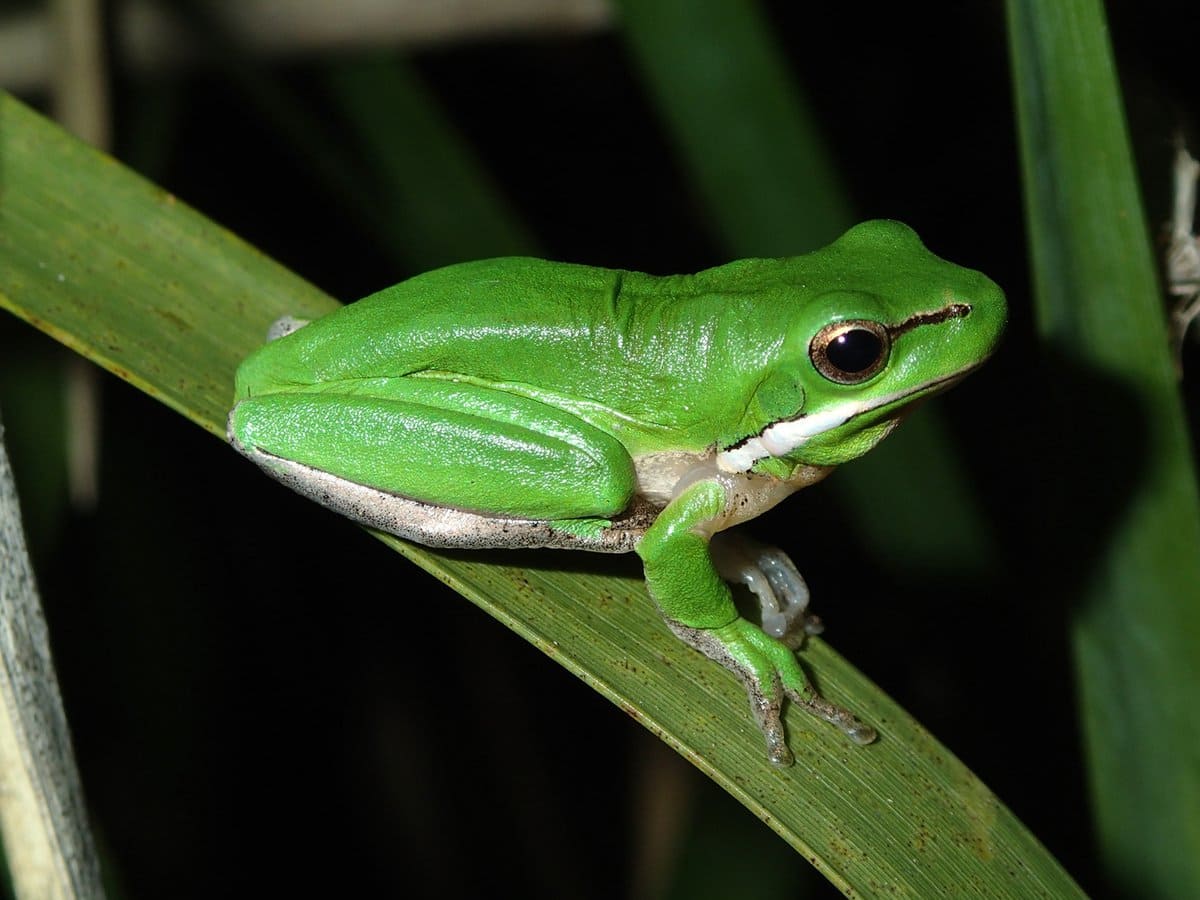
The Robust Bleating Tree Frog (Ranoidea robusta, sometimes still referred to asLitoria in older sources) is a medium-sized tree frog native to eastern Australia. It belongs to the family Hylidae and is part of the “bleating tree frog” group, named for the male’s loud, sheep-like call during the breeding season.
Taxonomy & Names
Common name: Robust Bleating Tree Frog;
Scientific name: Ranoidea robusta (also cited as Litoria robusta in some literature);
Family: Hylidae (tree frogs);
Genus: Ranoidea.
Appearance
The Robust Bleating Tree Frog is stockier in build than some of its close relatives:
Body size: adults are usually around 3–4.5 cm in snout–vent length, with females generally larger and more robust than males;
Dorsal colour: typically grey-brown, olive-brown or yellow-brown, sometimes with a slight greenish tinge and irregular darker mottling;
Body shape: a relatively short, broad body with a wide head and blunt snout, giving a sturdy appearance compared with more slender species;
Limbs: strong limbs with some webbing between the toes and well-developed toe pads for climbing on vegetation;
Belly: underside creamy white to pale yellow and often slightly granular in texture;
Markings: many individuals have darker patches or bars on the back and cross-bands on the limbs;
Tympanum: a distinct tympanum (eardrum) is visible just behind the eye;
Throat: males possess a prominent vocal sac that inflates when calling.
Distribution & Habitat
This species is endemic to eastern Australia:
occurs mainly in south-eastern Queensland and north-eastern New South Wales, in coastal and near-coastal regions;
overlaps in range with other bleating tree frogs in some areas.
Typical habitats include:
open forests, woodlands, heaths and shrubby areas;
farm dams, ponds, roadside ditches, swamps and temporary rain-filled pools;
grassy and shrubby vegetation around standing water, often in landscapes modified by agriculture or urbanisation.
Behaviour
The Robust Bleating Tree Frog is a nocturnal, arboreal to semi-arboreal species:
by day it shelters in crevices, dense vegetation or under cover near water;
emerges at dusk, becoming most active on warm, humid nights, especially after rain;
climbs and hops among reeds, grasses and shrubs around breeding sites, and may also be found on fences and structures near lights that attract insects.
Call
The male’s call is one of the most distinctive features of this frog:
calls consist of a series of loud, high-pitched, bleating or rasping notes that have been compared to the cry of a small lamb;
during the breeding season, choruses of calling males around ponds and temporary pools can be very noisy;
differences in call quality and rhythm help distinguish this species from more slender bleating tree frogs.
Diet
The Robust Bleating Tree Frog feeds mainly on small invertebrates:
nocturnal insects such as moths, beetles, crickets and grasshoppers;
spiders and other arthropods;
individuals often forage around lights and vegetation where insects are abundant.
Reproduction & Life Cycle
Breeding is closely associated with rainfall and warm conditions:
breeding usually occurs in spring and summer or whenever substantial rain creates suitable pools;
males call from the edges of ponds, dams, roadside ditches and temporary water bodies, often from low vegetation or directly at the water’s edge;
females lay eggs in still or slow-moving water, sometimes attached to submerged vegetation or as floating clumps;
tadpoles develop in the water, feeding and growing until they metamorphose into small froglets that leave the water and move into surrounding vegetation.
Conservation Status & Threats
Available information indicates that the Robust Bleating Tree Frog remains relatively common within much of its range and is generally regarded as a species of low conservation concern (around Least Concern) at present.
Potential threats include:
loss and degradation of wetlands and breeding sites through drainage, infilling and pollution;
agricultural chemicals and other pollutants that may affect eggs, tadpoles and adults;
local habitat fragmentation associated with urban expansion and infrastructure.
Because the species can use farm dams and other artificial water bodies, maintaining clean water, vegetated margins and a network of small wetlands can help support healthy populations.