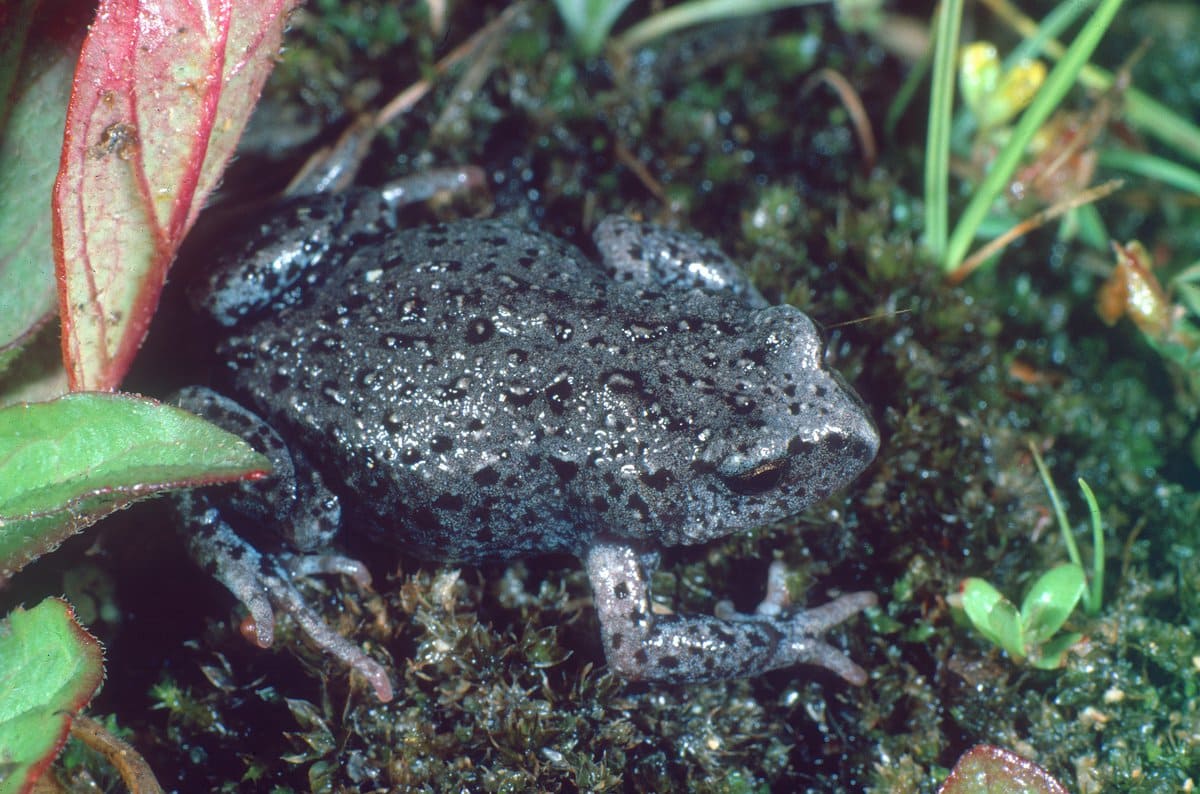
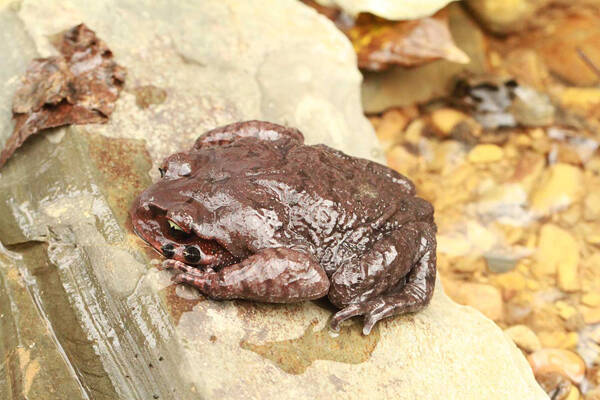
The Whistling Tree Frog (Litoria verreauxii) is a small, slender tree frog native to eastern and south-eastern Australia. It belongs to the family Hylidae and the genus Litoria. Males are well known for their clear, whistling calls delivered around ponds, dams and creeks on wet nights.
Taxonomy & Names
Common name: Whistling Tree Frog;
Scientific name: Litoria verreauxii;
Family: Hylidae (tree frogs);
Genus: Litoria.
Appearance
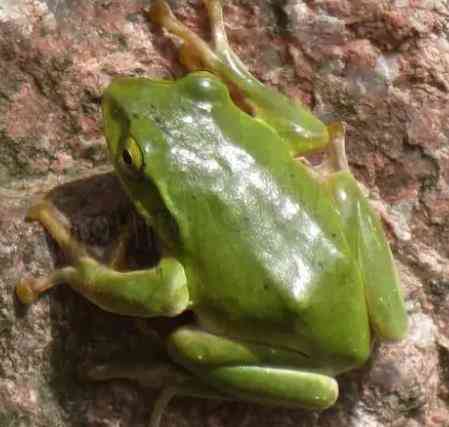
The Whistling Tree Frog is a small species with typical tree-frog features:
Body size: adults are generally about 2.5–4 cm in snout–vent length, with males slightly smaller than females;
Body shape: slender, slightly flattened body with a relatively narrow head;
Dorsal colour: olive-green, grey-brown or brown with variable darker spots or mottling;
Lateral markings: many individuals have a darker stripe or band running from behind the eye along the body side;
Belly: underside pale cream to yellowish, sometimes lightly mottled;
Skin texture: smooth or only slightly granular, unlike the heavily warty skin of toads;
Limbs & toe pads: slim limbs with rounded toe pads that help the frog cling to grasses, shrubs and low vegetation;
Webbing: partial webbing between the toes of the hind feet, useful for moving in and around shallow water.
Distribution & Habitat
The Whistling Tree Frog occurs across parts of eastern and south-eastern Australia:
found in regions of New South Wales, Victoria and nearby areas;
most common where permanent or seasonal freshwater habitats are available.
Typical habitats include:
farm dams, ponds, still or slow-flowing sections of creeks and wetlands;
grassy edges of waterbodies, shrublands and forest margins;
suburban gardens and agricultural landscapes with suitable vegetation and water.
Behaviour
This species is primarily a nocturnal, semi-arboreal frog:
by day it hides among grasses, under rocks, logs or within low vegetation to avoid heat and desiccation;
after dusk it moves onto vegetation around waterbodies, calling, foraging and moving between perches;
activity peaks during wetter periods and in the breeding season.
Call
The call of the Whistling Tree Frog is one of its most distinctive traits:
males produce clear, high-pitched notes often described as short whistles or “whit… whit…” sounds;
calling is most intense on rainy nights and during the breeding season around ponds and dams;
choruses of calling males form a characteristic soundscape around small waterbodies.
Diet
The Whistling Tree Frog feeds mainly on small invertebrates:
flying insects such as mosquitoes, small moths and beetles;
spiders and other arthropods on leaves, stems and tree trunks;
prey is captured with rapid flicks of the sticky tongue.
Reproduction & Life Cycle
Breeding is closely tied to rainfall and the presence of calm freshwater habitats:
breeding takes place in wetter months or following substantial rainfall events;
males call from vegetation and the edges of ponds, dams and slow-flowing creeks;
females lay eggs in still water, often attached to submerged vegetation or resting near the surface;
tadpoles develop in these waterbodies and metamorphose into small froglets that move into surrounding grass and shrubs;
successful reproduction depends on waterbodies holding water long enough for tadpoles to complete development.
Conservation Status & Threats
On the IUCN Red List, Litoria verreauxii is typically listed asLeast Concern (LC), reflecting its relatively wide distribution and local abundance.
However, the species can be affected by:
loss and degradation of small wetlands, ponds and farm dams;
pollution from agricultural chemicals and urban runoff entering waterbodies;
changes in rainfall patterns that alter the availability and reliability of breeding sites.
Protecting small freshwater habitats, retaining vegetation around waterbodies and limiting pollution are important for maintaining healthy populations of the Whistling Tree Frog and other small tree frog species.