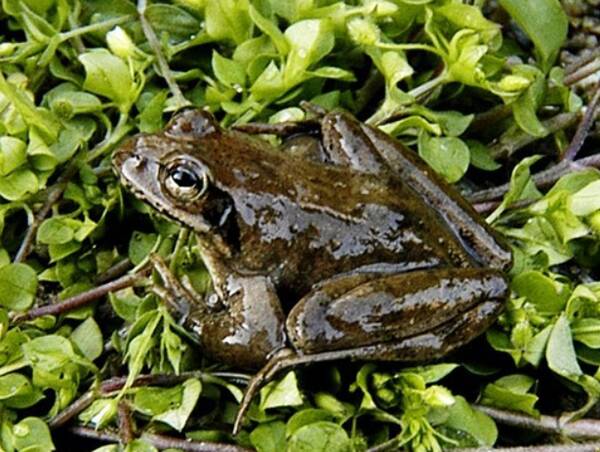
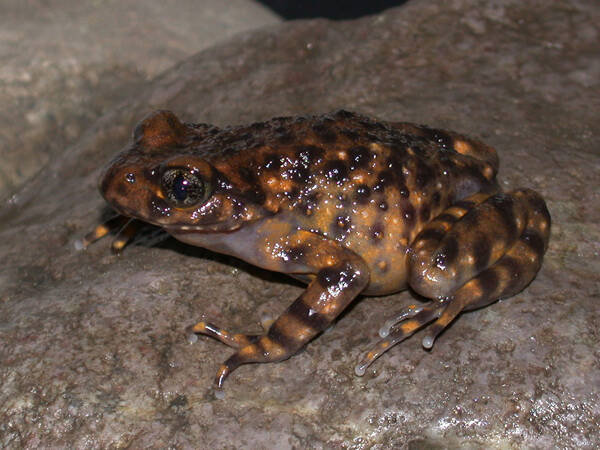
Tyler's Toadlet (Uperoleia tyleri) is a tiny, ground-dwelling frog from south-western Australia. It belongs to the family Myobatrachidae and the genus Uperoleia, a group commonly referred to as toadlets because of their small, squat bodies and slightly warty skin. Tyler's Toadlet is typically associated with seasonal wetlands, swamps and temporary pools that form after rain.
Taxonomy & Names
Common name: Tyler's Toadlet;
Scientific name: Uperoleia tyleri;
Family: Myobatrachidae (Australian ground frogs);
Genus: Uperoleia.
Appearance
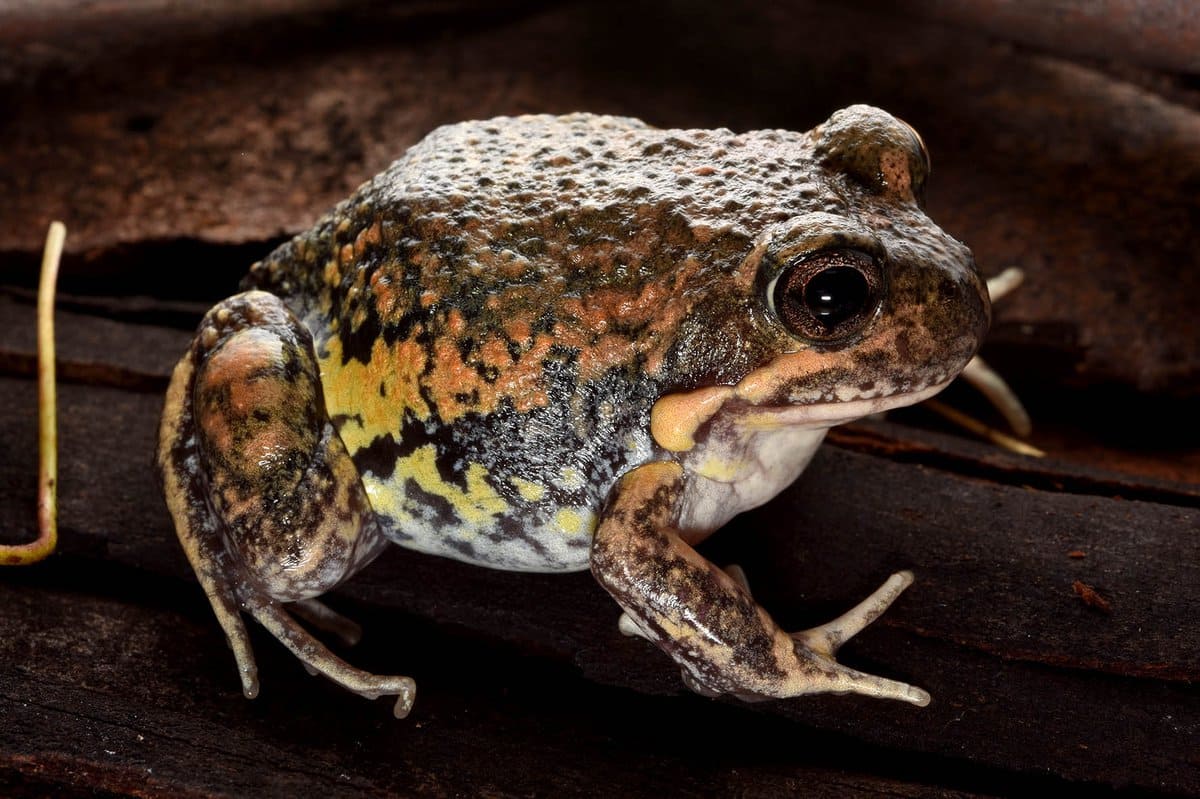
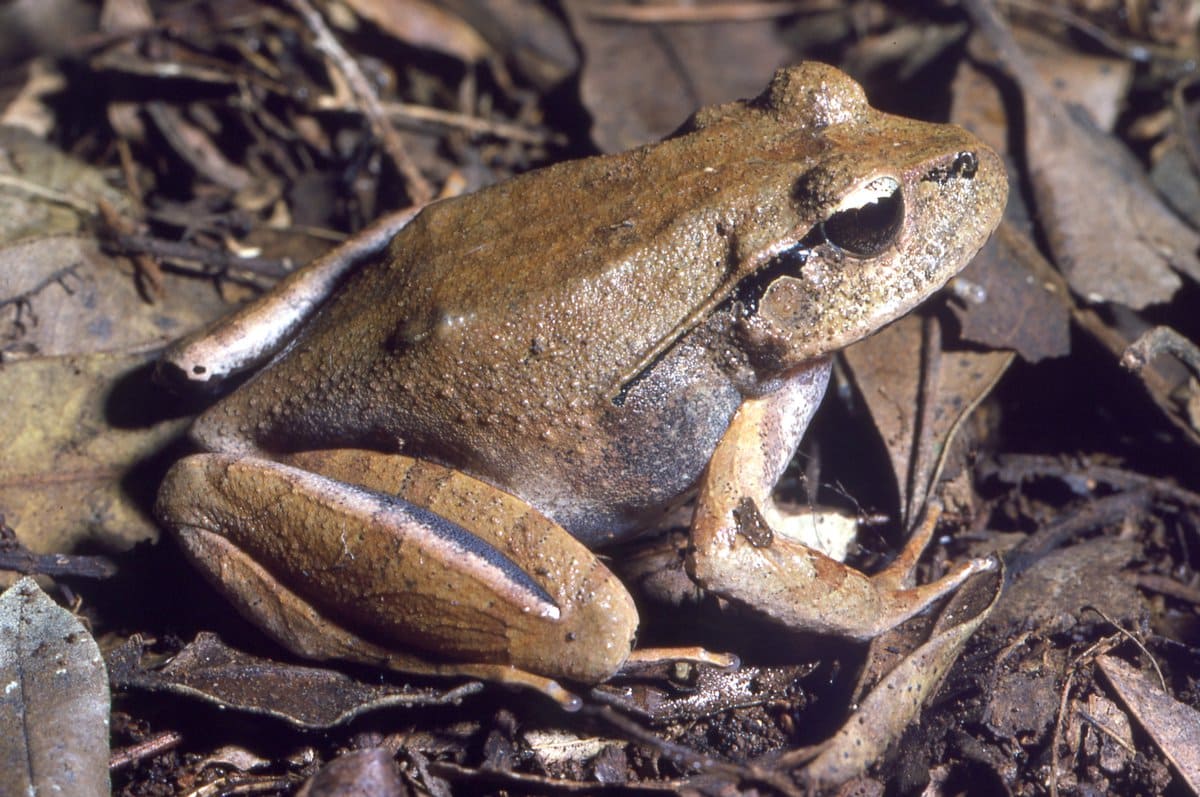
Tyler's Toadlet is small but relatively stocky, giving it a toad-like look:
Body size: adults are usually about 2–3 cm in snout–vent length;
Body shape: short, rounded body with a broad head and short snout;
Dorsal colour: grey-brown, brown or olive-brown with irregular dark spots or mottling;
Belly: underside pale cream or light grey, sometimes lightly mottled;
Skin texture: slightly rough or finely warty on the back, contributing to its “toadlet” appearance;
Limbs: short but sturdy limbs adapted to short hops and crawling on damp ground;
Groin and thigh markings: many Uperoleia species show orange or reddish patches in the groin or behind the knees, which can help specialists distinguish between similar toadlets.
Distribution & Habitat
Tyler's Toadlet is a localised species of south-western Western Australia:
found mainly on the coastal plain and nearby inland areas of south-western Western Australia;
most frequent in regions with winter rainfall and seasonal wetlands.
Typical habitats include:
seasonal and permanent swamps, marshes and shallow wetlands;
low-lying grasslands, shrublands and woodland near creeks and drainage lines;
roadside drains, farm dams and other small man-made waterbodies with suitable ground cover.
Behaviour
The species is primarily a nocturnal, ground-dwelling frog:
by day it hides under stones, logs, vegetation or within leaf litter to avoid heat and drying;
emerges after dusk, especially on wet nights, to forage around wetlands and damp grasslands;
generally has a small home range, remaining close to suitable breeding and shelter sites.
Call
Male Tyler's Toadlets produce a short, rhythmic call that is important for identifying the species:
the call consists of a series of soft but distinct notes often described as “tik… tik… tik…”;
calling usually occurs at night during the wetter months when temporary pools are present;
the sound of many males calling together creates a characteristic background chorus around small wetlands.
Diet
Like other small ground frogs, Tyler's Toadlet feeds on tiny invertebrates:
spiders, mites and other small arthropods in leaf litter and soil;
occasional small flying insects that come close to the ground.
Reproduction & Life Cycle
Breeding is closely tied to rainfall and the formation of temporary waterbodies:
breeding generally occurs in wetter months, often in late autumn and winter when seasonal wetlands fill;
males call from the edges of shallow pools, puddles and depressions that hold water;
females lay eggs in shallow water or at the edges of small ponds and puddles;
tadpoles develop in these small waterbodies and must complete metamorphosis before they dry out;
newly metamorphosed froglets move into surrounding grass and leaf litter, remaining close to moist refuges.
Conservation Status & Threats
Tyler's Toadlet is currently consideredLeast Concern (LC) at a global scale, reflecting relatively stable populations in many areas where suitable habitat persists.
However, local threats can affect populations, including:
drainage, infilling and modification of seasonal wetlands and farm dams;
pollution from agricultural chemicals and urban runoff entering small waterbodies;
changes in rainfall patterns linked to climate change, altering the timing and duration of temporary pools.
Conserving small wetlands, maintaining vegetated buffer zones around waterbodies and limiting pollution are important for sustaining healthy populations of Tyler's Toadlet and other small ground-dwelling frogs.