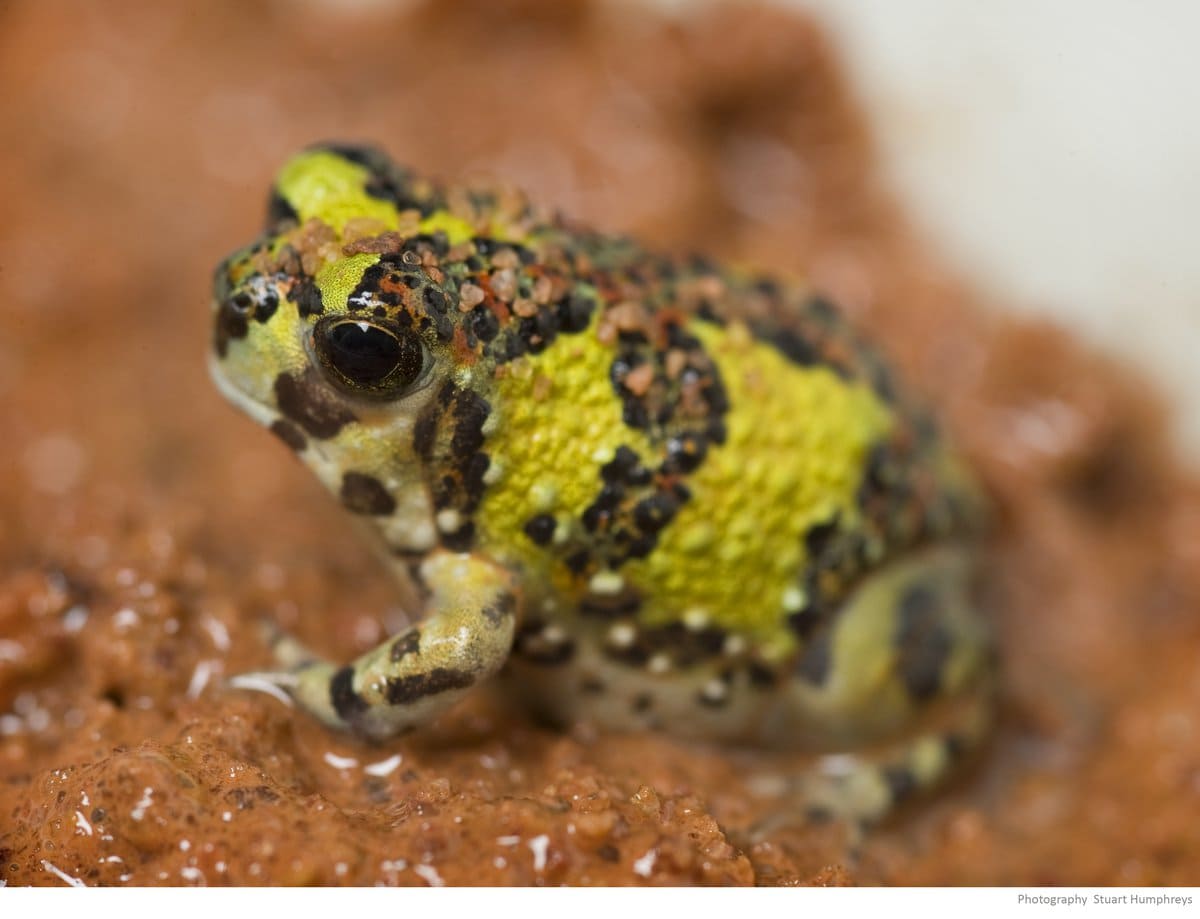
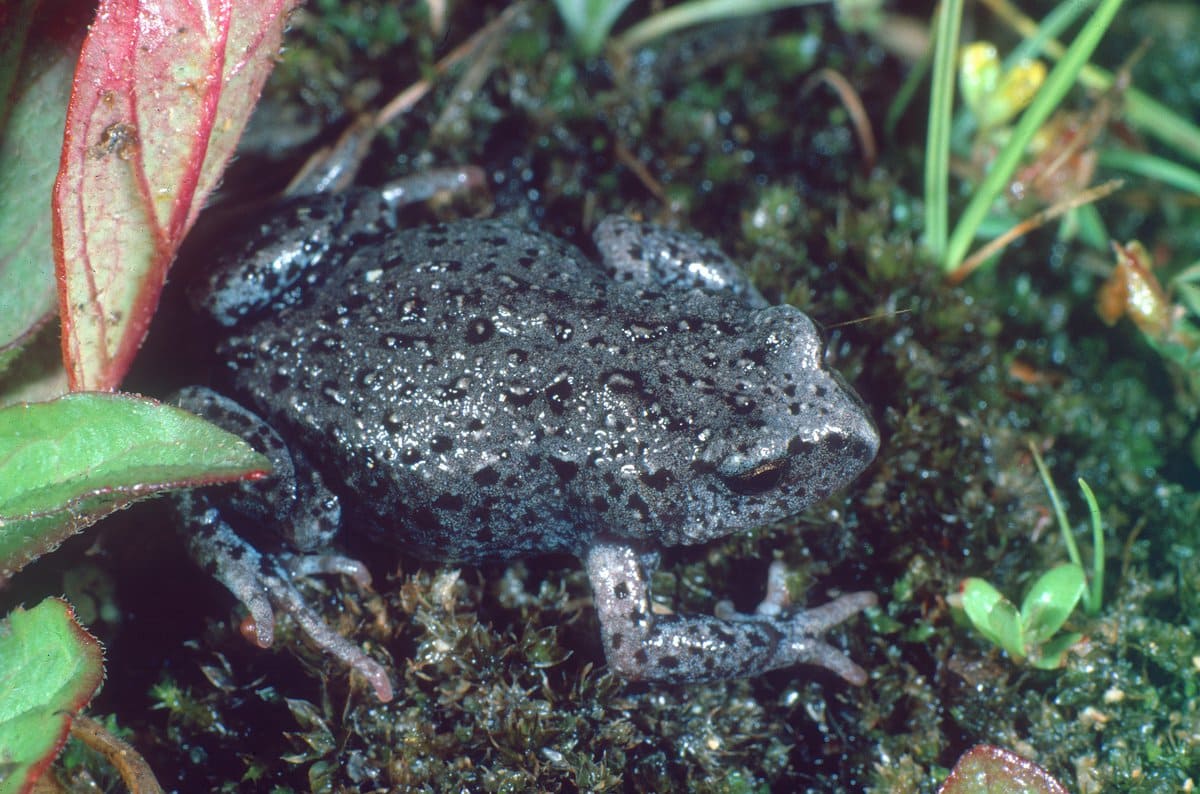
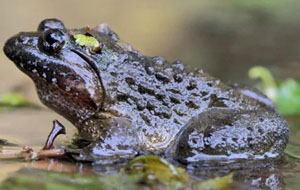
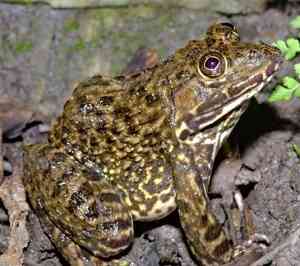
In this entry the term Northern Territory Frog is used as a convenient, regional label for typical native frogs found in Australia's Northern Territory, especially the common green tree frogs and wetland frogs of the tropical Top End. Rather than describing a single strict species, it provides a general overview of the kind of frogs that visitors and residents are most likely to encounter in this region.
Name & Scope
English name: Northern Territory Frog (regional concept, not a single species);
Scientific name: here treated as a representative “Northern Territory tree frog type”. For precise identification, individual species pages with their own scientific names should be consulted.
Typical Appearance (Northern Territory Tree Frog Types)
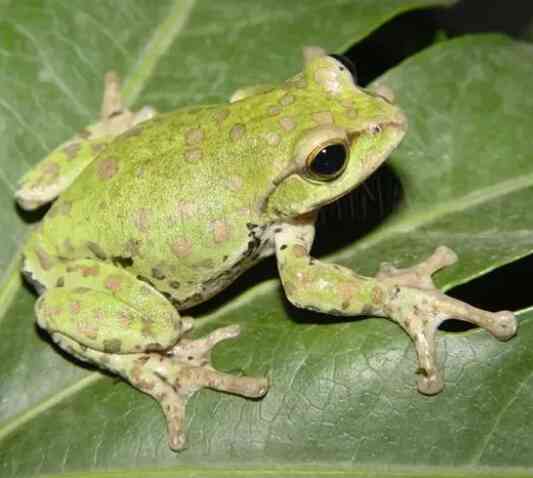
Many of the frogs commonly seen in the Northern Territory share a set of general features:
Body size: mostly small to medium-sized frogs, with adult body lengths of about 3–8 cm depending on species;
Dorsal colour: various shades of bright green, olive green or green with brown markings; some species can slightly change colour with temperature and background;
Belly: underside usually pale – white, off-white or yellowish;
Skin texture: from smooth and slightly glossy to finely granular, helping with camouflage among leaves, bark and wet surfaces;
Limbs: agile limbs with toe pads that allow frogs to climb trees, shrubs, rocks and even walls and windows;
Eyes: relatively large eyes that improve night vision and help in detecting prey and predators.
Distribution & Habitat
“Northern Territory Frog” in this broad sense refers to frogs living in the tropical and semi-arid environmentsof the Northern Territory:
from the coastal Top End and monsoon forests to savannas, floodplains and billabongs;
abundant around wetlands, creeks, swamps, man-made dams and urban water bodies during the wet season;
in the dry season, many frogs retreat to sheltered, moist refuges such as tree hollows, rock crevices, burrows, underground cavities and shaded structures in towns and communities.
Behaviour
Most Northern Territory frogs show strong adaptation to the wet–dry seasonal cycle:
primarily nocturnal, hiding during the day and emerging at night to feed and call;
during the monsoon wet season, frog choruses can be heard widely around wetlands, roadsides and urban areas;
tree frogs are often seen near lights where insects congregate, including around houses, campsites and roadside facilities.
Diet
Frogs in the Northern Territory are carnivorous and feed mainly on small invertebrates:
mosquitoes, moths, beetles, crickets and other insects make up much of the diet;
small spiders and various other arthropods are also taken;
larger tree frogs may occasionally consume small lizards or other frogs.
Breeding & Calls
Breeding in the Northern Territory is tightly linked to the arrival of the wet season:
after heavy rains, temporary pools, roadside puddles and floodplains fill with water, providing breeding sites;
male frogs gather at the edges of these water bodies and call loudly to attract females;
eggs are laid in still or slow-moving water, and tadpoles develop rapidly to escape drying pools;
some species have especially fast larval development to cope with short-lived water bodies.
Conservation Overview
Many frogs of the Northern Territory are still relatively common, but local populations and specialised species can be affected by a range of pressures:
habitat modification through urban expansion, agriculture and road construction;
pollution and excessive use of pesticides that contaminate ponds, drains and floodplain waters;
predation and disturbance from introduced animals and domestic pets;
climate change, including shifts in rainfall patterns, more intense heatwaves and altered timing of the wet season.
Protecting key wetlands, maintaining natural water regimes, reducing pollution and preserving green spaces and small water features in urban areas all help to support healthy frog populations in the Northern Territory.