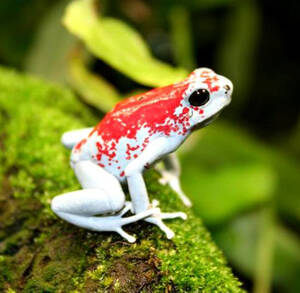
The Rain Whistling Frog (Austrochaperina pluvialis) is a tiny ground-dwelling frog endemic to the Wet Tropics region of north-eastern Queensland, Australia. It belongs to the family Microhylidae and is best known for the clear, whistling call given by males on warm, wet nights, when the rainforest floor can seem to ring with their voices.
Taxonomy & Names
Common name: Rain Whistling Frog;
Scientific name: Austrochaperina pluvialis;
Family: Microhylidae (narrow-mouthed or microhylid frogs);
Genus: Austrochaperina.
Appearance
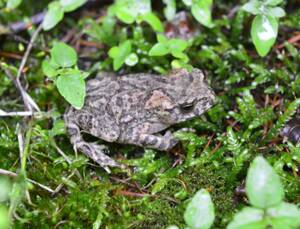
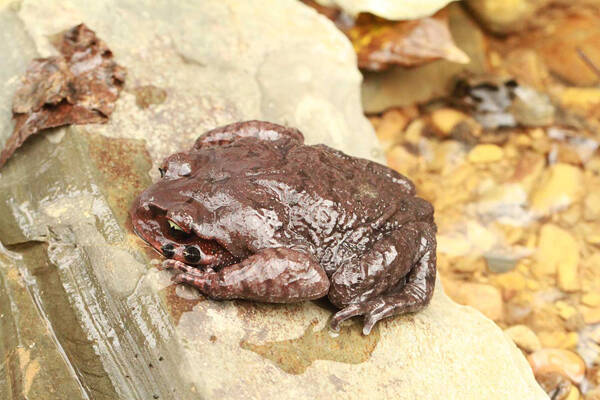
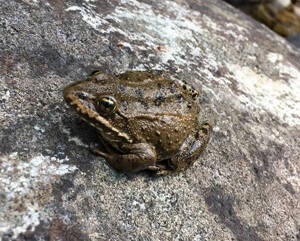
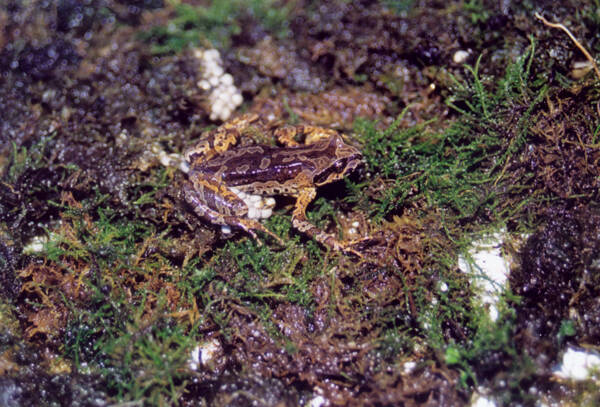
Although very small, the Rain Whistling Frog is well adapted to a life on the rainforest floor:
Body size: adults are only about 2–3 cm in length;
Dorsal colour: brown to dark brown or brownish-black with mottled and clouded markings;
Camouflage: the blotched pattern closely matches wet leaf litter, logs and soil, making the frog hard to see;
Body shape: short, somewhat stocky body with a small head and short, sturdy limbs;
Belly: under-surface pale, usually greyish or off-white;
Limbs: hands and feet have little or no webbing and lack expanded toe pads, reflecting a ground-dwelling lifestyle rather than an arboreal one;
Eyes: relatively large dark eyes help the frog detect predators and prey in low light.
Distribution & Habitat
The Rain Whistling Frog is restricted to the Wet Tropics of Queensland in north-eastern Australia:
found in tropical rainforests and related moist forests across parts of this World Heritage–listed region;
occurs from lowland rainforest up into mid-elevation and upland rainforests where conditions remain cool and moist.
Typical habitat features include:
dense rainforest with a closed canopy;
deep layers of leaf litter, decaying logs and mossy ground cover;
microhabitats under logs, rocks, root buttresses and in moist leaf-litter pockets;
populations may be found far from permanent surface water because the species does not rely on ponds or streams for breeding.
Behaviour
The Rain Whistling Frog is a nocturnal, ground-dwelling species:
spends the day hidden beneath leaves, logs and other ground cover;
becomes active from dusk onward, especially after rain when humidity is high;
moves by short hops and crawling through leaf litter rather than long jumps or climbing.
Call & Rainy Nights
The call of this species is what most people notice first:
males produce a clear, simple whistling note, repeated regularly;
on warm, wet nights during the rainy season, many individuals may call at once, creating a chorus that can easily be mistaken for birds calling from the forest floor;
calls may carry surprisingly well, so the frogs can be heard even when they are well hidden.
Diet
The Rain Whistling Frog feeds mainly on tiny invertebrates:
springtails and small arthropods living in leaf litter and soil;
frogs forage slowly at night, picking off any suitably sized prey they encounter.
Reproduction & Direct Development
Like many Australian microhylid frogs, the Rain Whistling Frog has a direct-developing life cycle:
eggs are laid on land in moist places such as leaf litter, soil crevices or sheltered spots under logs and debris;
embryos develop entirely within the egg, and there is no free-swimming tadpole stage;
when hatching, tiny froglets emerge directly from the eggs, already equipped with limbs and ready to live on land;
this strategy reduces dependence on standing water and suits the often unpredictable availability of surface water in rainforest environments.
Conservation Status & Threats
On the IUCN Red List, Austrochaperina pluvialis is currently listed asLeast Concern (LC), with populations considered stable where suitable rainforest habitat remains.
Potential threats include:
loss and fragmentation of rainforest habitats due to clearing, infrastructure and development;
changes in rainfall patterns and moisture regimes linked to climate change;
localised disturbances, such as severe storms or inappropriate fire in surrounding landscapes, that affect forest floor microhabitats.
Protection of the Wet Tropics rainforests and careful management of surrounding land use are important for the long-term conservation of the Rain Whistling Frog and other leaf-litter amphibians.