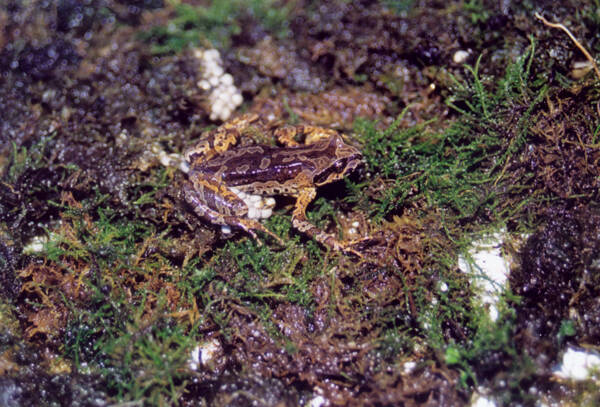
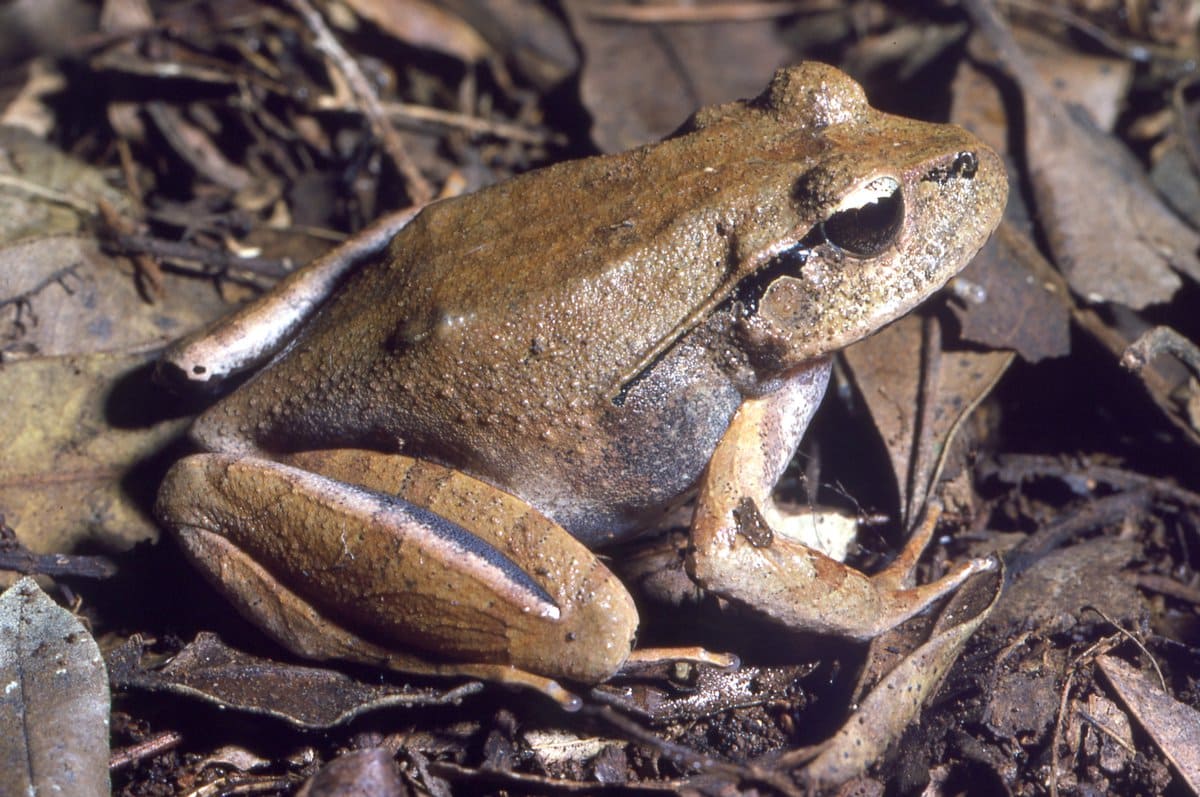
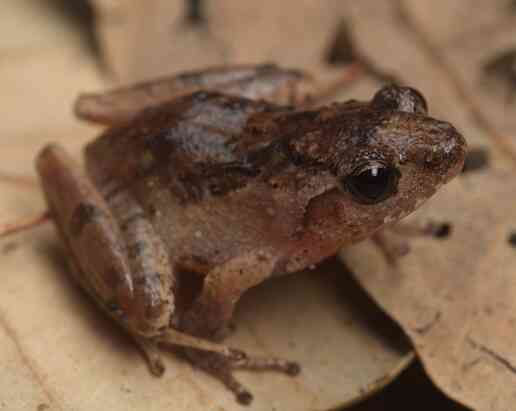
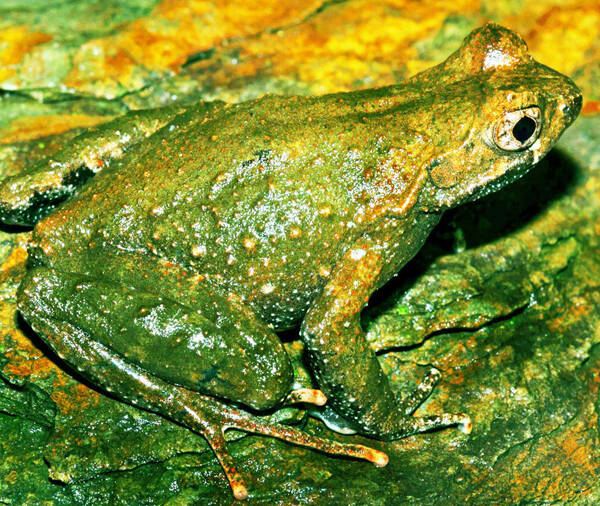
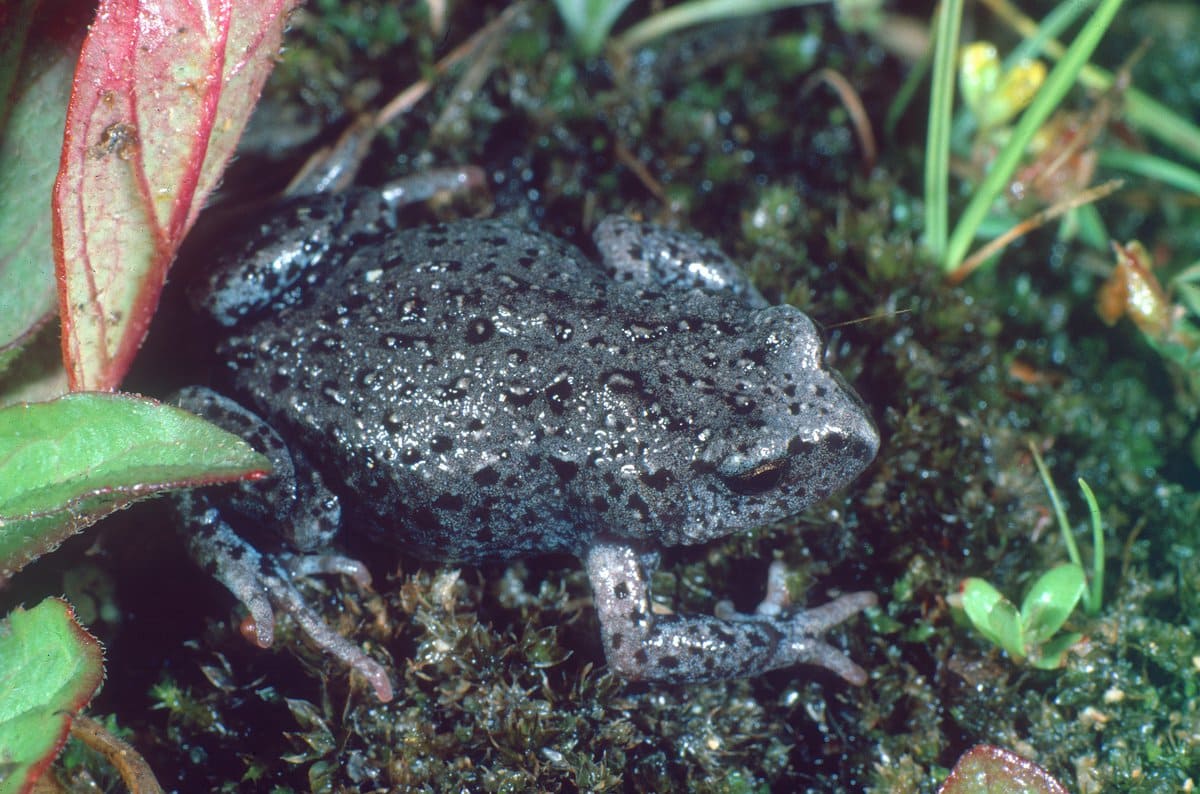
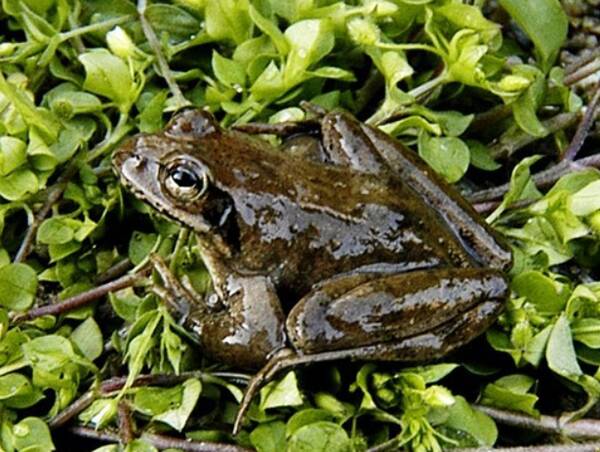
The Spotted Marsh Frog (Limnodynastes tasmaniensis) is a small to medium-sized frog widely distributed across eastern and southern Australia. It belongs to the family Limnodynastidae and the genusLimnodynastes. Because it readily uses both natural wetlands and human-made waterbodies, it is one of the frogs most commonly encountered around farms, suburbs and urban parks.
Taxonomy & Names
Common name: Spotted Marsh Frog;
Scientific name: Limnodynastes tasmaniensis;
Family: Limnodynastidae;
Genus: Limnodynastes.
Appearance
The Spotted Marsh Frog is a compact frog covered with dark spots, often with a pale stripe along the back:
Body size: adults are usually about 3–5 cm in snout–vent length, with males slightly smaller than females;
Body shape: short, sturdy body with a broad head and blunt snout;
Dorsal colour: olive-green, brown or grey-brown background with numerous dark brown or black spots;
Dorsal stripe: many individuals have a pale yellow or cream stripe running down the centre of the back, although some frogs lack a distinct stripe;
Belly: underside creamy white or light grey, usually with few markings;
Skin texture: relatively smooth or only slightly warty compared with true toads;
Limbs: moderately long limbs with well-developed hind legs and partial webbing between the toes, suited to swimming and moving in shallow water;
Tympanum: a tympanum (eardrum) is present but not strongly pronounced behind the eye.
Distribution & Habitat
The Spotted Marsh Frog is one of the most widespread frogs in eastern and southern Australia:
occurs from south-eastern Queensland through New South Wales, Victoria and parts of South Australia;
also found in Tasmania and associated islands.
Typical habitats include:
natural wetlands such as swamps, floodplains, lagoons and billabongs;
farm dams, irrigation channels, roadside ditches and other agricultural waterbodies;
urban and suburban habitats including park ponds, garden pools and stormwater basins.
Behaviour
The Spotted Marsh Frog is a nocturnal, semi-aquatic species:
by day it shelters among vegetation, under logs, rocks or debris near water;
becomes active from dusk, especially on warm and humid nights or after rain;
moves around the edges of ponds, in shallow water and across damp ground in search of food.
Call
The call of the Spotted Marsh Frog is distinctive and is often heard around wetlands at night:
males produce short, sharp, metallic “tock” or “pok” notes, sometimes compared to the sound of tapping glass marbles;
during the breeding season, many males calling together create a rapid, ticking chorus;
calls are typically given from water’s edge, among emergent plants or from floating vegetation.
Diet
The Spotted Marsh Frog feeds mainly on small invertebrates:
insects such as ants, beetles, crickets, grasshoppers and small flies;
mosquitoes and other insects that occur near water bodies;
other small arthropods and larvae living in damp soil, leaf litter and shallow water.
Reproduction & Life Cycle
Breeding is closely tied to rainfall and the availability of standing water:
breeding usually occurs in the warmer, wetter months, or whenever sufficient rain fills wetlands and farm dams;
males call from the edges of ponds, swamps, ditches and other still or slow-moving waterbodies;
females lay eggs in the water, often in floating or attached clumps or foam nests among vegetation;
tadpoles develop in the water, feeding and growing until they metamorphose into small froglets;
after metamorphosis, young frogs leave the water and disperse into surrounding moist terrestrial habitats.
Conservation Status & Threats
On the IUCN Red List, Limnodynastes tasmaniensis is currently assessed asLeast Concern (LC), reflecting its wide distribution and generally stable populations.
Nevertheless, local populations may be affected by:
drainage, infilling and pollution of wetlands and farm dams;
runoff of pesticides and fertilisers into waterbodies used for breeding;
habitat fragmentation and loss associated with urban expansion.
Because the species can use many types of artificial wetlands, maintaining clean water, vegetated shorelines and a network of small waterbodies helps support healthy populations in agricultural and urban landscapes.