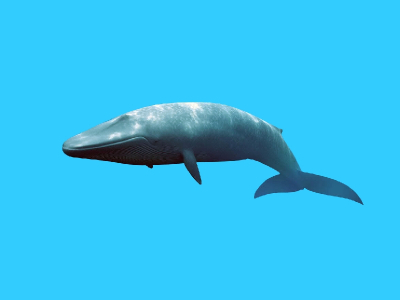
The sperm whale is the largest living toothed whale and one of the ocean’s most formidable deep‑sea predators. It is instantly recognizable by its huge, block‑shaped head, angled blow, and the classic “fluking” posture when it begins a deep dive. In the darkness of the deep ocean it hunts mainly squid using powerful echolocation clicks.
Sperm whales were heavily targeted during industrial whaling, and that history still shapes population structure and recovery. While several regions have rebounded since protection, the species continues to face modern pressures such as entanglement in fishing gear, ship strikes, underwater noise, and pollution including plastics.
Taxonomy and naming
The sperm whale is a toothed whale (suborder Odontoceti) in the family Physeteridae. The scientific name is Physeter macrocephalus. It is the only living species in the genus Physeter and is closely related to the smaller pygmy and dwarf sperm whales (genus Kogia) within the sperm‑whale superfamily.
Physical features
Its most striking feature is the enormous squared head, which contains the spermaceti organ and other sound‑producing structures involved in echolocation and communication. The blowhole is offset to the left at the front of the head, creating an angled spout. The lower jaw is narrow and bears large conical teeth; the upper jaw usually lacks erupted teeth. A true dorsal fin is absent, replaced by a low hump and a series of knuckles along the back. Skin is typically dark grey to brownish‑black, often wrinkled and marked by scars. The wide tail flukes are used for powerful propulsion and are commonly raised above the surface just before a deep dive.
Range and habitat
Sperm whales are found in deep waters across all major oceans. They are strongly associated with continental slopes, deep basins, submarine canyons and seamount regions where squid and other prey concentrate. Females and young are most common in warmer tropical to temperate waters, whereas adult males range into higher latitudes and colder feeding grounds, so group composition and sighting patterns vary greatly with location and season.
Behavior and activity
This species is famous for long, deep foraging dives that can last many tens of minutes to over an hour, reaching depths from hundreds of meters to well over a kilometer. Sperm whales produce intense click trains for echolocation and also use patterned signals for social communication. Females and calves live in stable matrilineal units with cooperative care of young, while adult males are often solitary or occur in looser “bachelor” groups.
Diet
Squid are the primary prey, including large deep‑sea species, and many populations also take deep‑water fish and other sizable organisms. Hunting is guided by echolocation in low‑light environments, with prey captured using the strong lower jaw and teeth. Circular sucker scars seen on many whales are consistent with struggles against large squid.
Reproduction and life cycle
Reproduction is slow. Gestation lasts about 14–16 months and a single calf is typically born. Calves grow rapidly on very rich milk, and nursing can continue for two years or more. Females often reach sexual maturity in their early teens; males may mature physiologically earlier but usually do not achieve full reproductive success until they are larger and socially dominant as adults.
Relationship with people
Sperm whales have a long cultural and economic history because of whaling, spermaceti oil and the rare substance ambergris. Today they are a flagship species for offshore whale watching and for understanding deep‑sea ecosystems. Human‑related risks include entanglement, ship strikes, disturbance and injury from intense underwater noise, and exposure to pollutants and plastic debris.
Conservation status and threats
The sperm whale is assessed as Vulnerable (VU). Beyond the legacy of whaling, the main ongoing threats include fishing‑gear entanglement, vessel strikes, underwater noise, chemical contamination, and climate‑driven changes that can shift prey distribution. Conservation typically focuses on safer fishing practices and gear, speed and routing measures in high‑risk areas, effective response to entanglement and strandings, and long‑term monitoring across international waters.