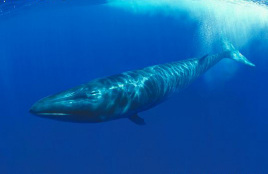
The killer whale (Orcinus orca), also known as the orca, is the largest member of the oceanic dolphin family and one of the ocean’s most iconic apex predators. It occurs in every ocean, from polar seas to tropical waters, and can be found both near shore and offshore.
Orcas are famous for their complex social lives and “cultural” diversity. Different populations (often called ecotypes) can differ sharply in diet, hunting tactics, vocalisations, and habitat use. Some groups specialise on fish, while others focus on marine mammals—making global status and trend assessment challenging.
Taxonomy and naming
Orcas are toothed whales in the family Delphinidae (oceanic dolphins) and the genus Orcinus. Although commonly treated as a single species, ongoing research suggests that some ecotypes may represent subspecies or even separate species—one reason conservation assessments can be complicated.
Appearance
They are instantly recognisable: black above with white underparts and bold white eye patches. A grey “saddle patch” sits behind the dorsal fin and varies among individuals and populations. Adult males have very tall, upright dorsal fins that can reach around 1.8 m, while females and juveniles have shorter, more curved fins. The body is muscular with broad paddle‑shaped flippers.
Range and habitat
Killer whales are among the most widely distributed cetaceans. They are especially abundant in colder regions such as Antarctica, Norway, and Alaska, but they also occur in temperate and tropical waters. Habitats range from coastal bays and straits to continental shelf edges and open ocean; some populations are more resident and predictable, while others roam widely.
Behaviour
Orcas are highly social and commonly live in pods, often centred on long‑lasting maternal lineages. They rely on sound to communicate, navigate, and hunt, and some pods have distinct call repertoires that are learned and culturally transmitted. Cooperative hunting is common, with coordinated tactics tailored to local prey.
Diet
As a species, killer whales have one of the most varied diets of any cetacean—fish, squid, seabirds, sea turtles, and marine mammals can all be taken. However, many populations are strongly specialised, and diet is closely linked to local culture and ecology.
Reproduction and life history
Females typically reach sexual maturity around 10–13 years. Gestation lasts about 15–18 months and a single calf is usually born. Calves nurse for at least a year and remain closely associated with their mothers while learning foraging and social skills. Average lifespan is about 30 years for males (with some living to at least 60) and about 50 years for females (with some living to at least 90).
Relationship with humans
Orcas are major attractions for whale‑watching and are widely featured in media and education. Human activities can also disturb them through vessel traffic and underwater noise. Some populations have been affected by prey depletion, pollution, and—historically—live capture for display.
Conservation status and threats
The IUCN currently lists the killer whale as Data Deficient (DD) globally, reflecting limited information and taxonomic uncertainty across diverse forms. Regionally, some populations are at much higher risk—for example, the Southern Resident population in the U.S. Pacific Northwest is listed as endangered under U.S. law. Major threats include entanglement/bycatch, vessel disturbance and noise, bioaccumulation of chemical contaminants, reduced prey availability (such as declining salmon), and oil spills.