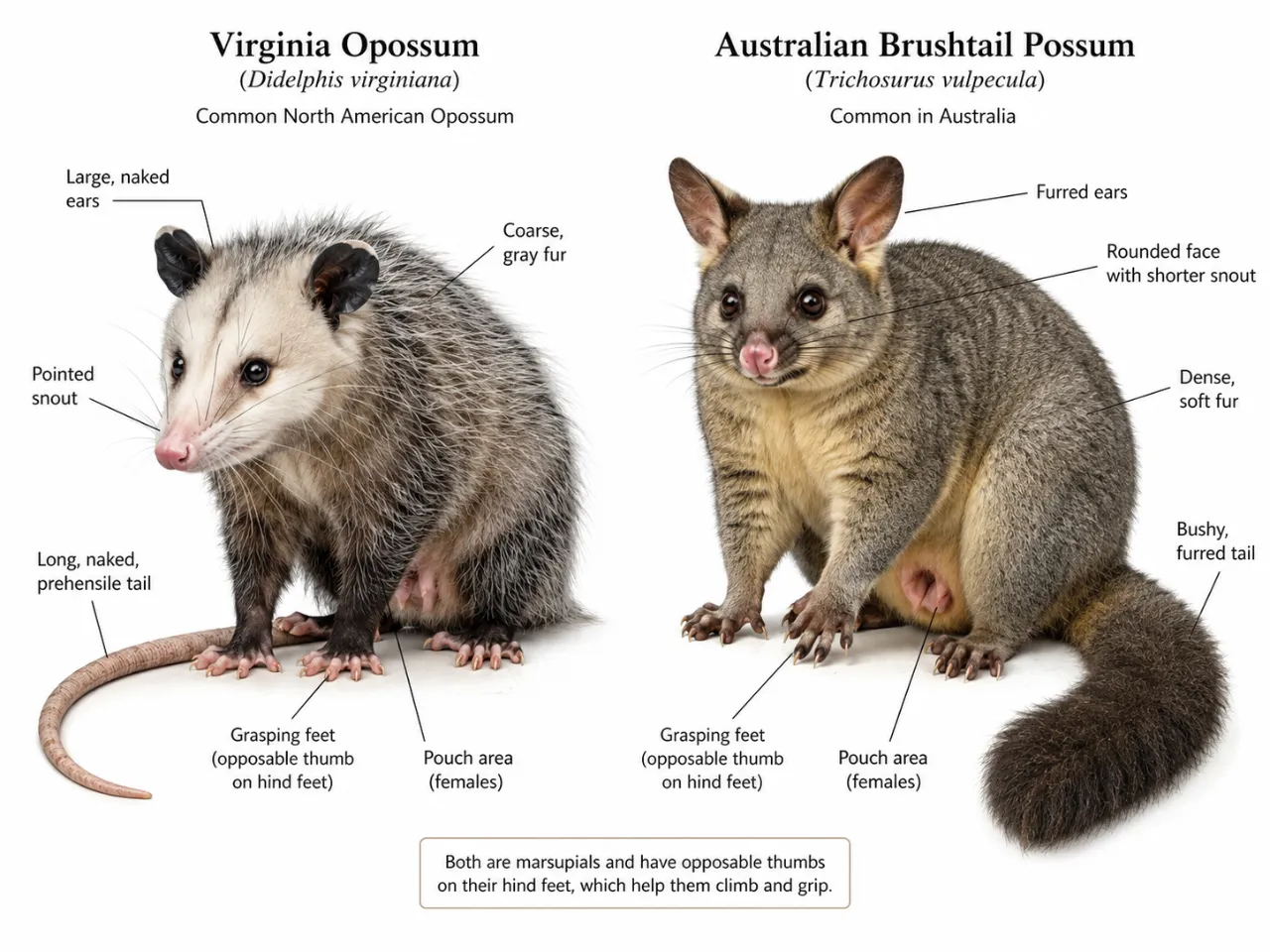
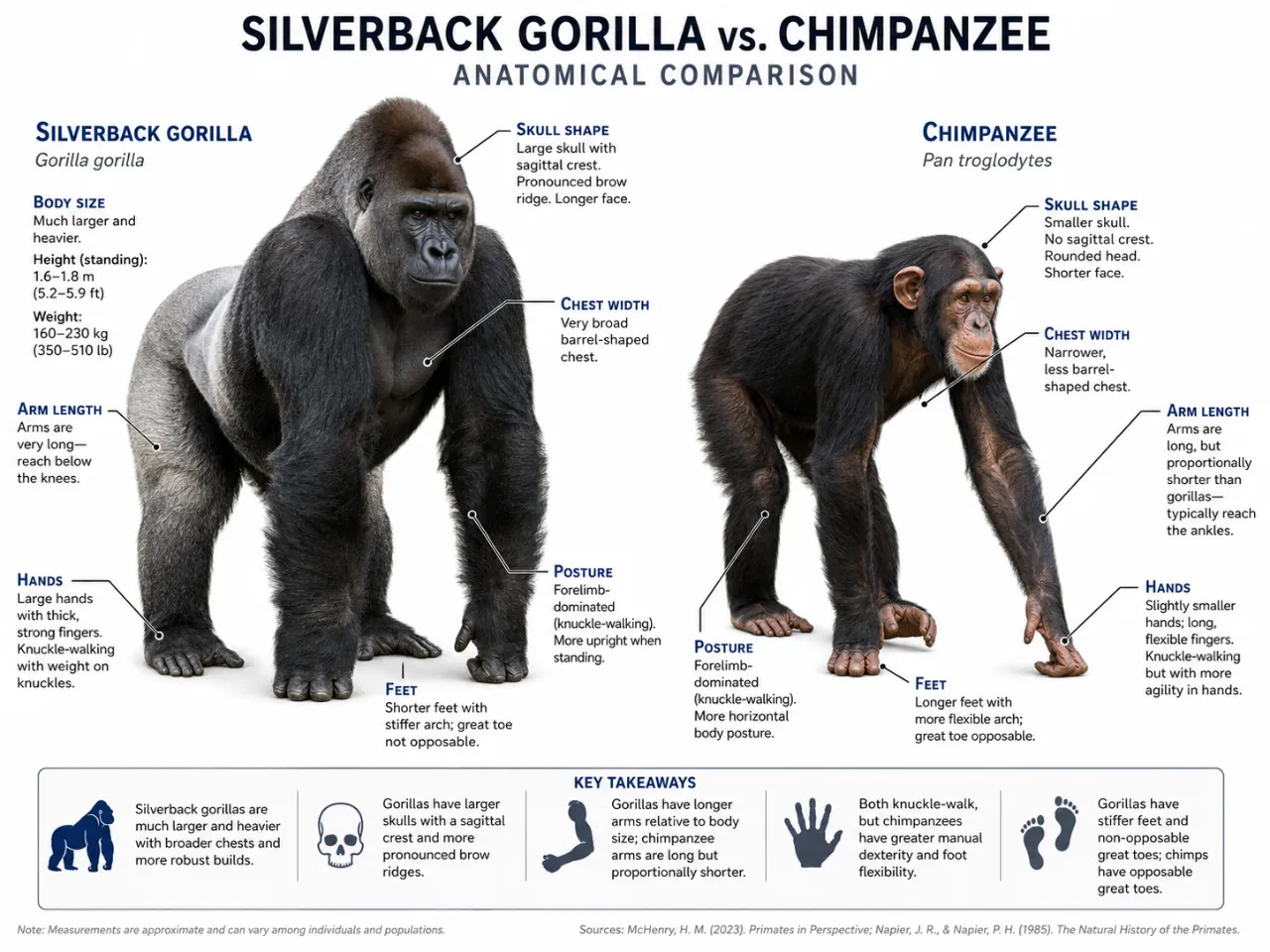
An elk is a type of deer, but not all deer are elk. In North America, “elk” usually means the wapiti, a large deer species with a tan body, dark neck, pale rump patch, and huge branching antlers. “Deer” is a broader word for the whole deer family, including white-tailed deer, mule deer, moose, reindeer, roe deer, red deer, and elk.
Elk vs Deer Summary Table
| Feature | Elk | Deer |
|---|---|---|
| Scientific meaning | A large deer species, usually Cervus canadensis in North America | A broad family of hoofed mammals in the family Cervidae |
| Is it a deer? | Yes, elk are deer | Includes elk and many other species |
| Common examples | Rocky Mountain elk, Roosevelt elk, tule elk | White-tailed deer, mule deer, red deer, roe deer, reindeer, moose, elk |
| Typical size | Much larger than most familiar deer | Varies from small roe deer to huge moose |
| Male antlers | Large, sweeping, branching antlers | Varies widely by species; some are small, some are huge |
| Body color | Usually tan or light brown body, darker neck, pale rump patch | Highly variable: reddish, brown, gray, spotted, dark, pale, or seasonal coats |
| Sound | Males are famous for loud bugling during the rut | Sounds vary: snorts, bleats, grunts, barks, roars, or bellows depending on species |
| Habitat | Forests, mountain meadows, grasslands, valleys, and open woodland edges | Forests, grasslands, wetlands, tundra, mountains, farms, deserts, and suburbs |
| Social behavior | Often forms large herds, especially outside breeding season | Varies; some are solitary, some form small groups, others form large herds |
| Diet | Grazer-browser: grasses, sedges, shrubs, leaves, bark, and twigs | Depends on species; grasses, leaves, shoots, fruits, lichens, aquatic plants, bark |
| Best quick clue | Very large deer with pale rump patch, dark neck, and huge antlers in males | General term; identify by species, size, antlers, tail, coat, and habitat |
| Common confusion | In Europe, “elk” may refer to moose, not North American elk | “Deer” includes both elk and moose, depending on species classification |
What Is an Elk?
In North America, an elk is a large deer species with the scientific name Cervus canadensis. It is also called wapiti, a name often used to avoid confusion with European usage of the word “elk.” Elk are among the largest deer in the world, smaller than moose but much larger than familiar deer such as white-tailed deer and roe deer.
Elk are powerful, long-legged herbivores adapted for open forests, mountain meadows, grasslands, river valleys, and woodland edges. Adult males, called bulls, grow impressive antlers that are shed and regrown every year. Adult females, called cows, do not normally grow antlers.
Elk are especially famous for their breeding-season bugle. A bull elk’s bugle is a loud, high, haunting call used to attract females and warn rival males.
What Is a Deer?
“Deer” is a broad word for mammals in the family Cervidae. This family includes many species, such as white-tailed deer, mule deer, red deer, roe deer, sika deer, fallow deer, reindeer, moose, and elk. So, elk are deer, but deer are not always elk.
Most deer are hoofed herbivores with slender legs, flexible ears, strong senses, and seasonal antler growth in males. However, deer species vary greatly. Some are small forest browsers, while others are large open-country grazers. Some live in snowy northern habitats, while others live in tropical forests, deserts, wetlands, or suburban landscapes.
Because “deer” is a family-level common term, the best comparison depends on which deer species you mean. In everyday North American searches, “elk vs deer” often means elk vs white-tailed deer or elk vs mule deer.
Is an Elk a Deer?
Yes. An elk is a deer. More specifically, the North American elk is a large member of the deer family. It shares many classic deer traits: hooves, plant-based diet, antlers in males, strong running ability, and a ruminant digestive system.
The confusion comes from everyday language. Many people use “deer” to mean smaller species such as white-tailed deer, while treating elk as something separate. Scientifically, elk are part of the deer family.
A simple way to say it is: elk are a kind of deer, just as wolves are a kind of canine and lions are a kind of cat.
Elk vs Deer: The Most Important Difference
The most important difference is that “elk” names a specific large deer, while “deer” names a whole family of animals. Comparing elk vs deer is like comparing “tiger vs cat.” A tiger is a cat, but “cat” includes many species.
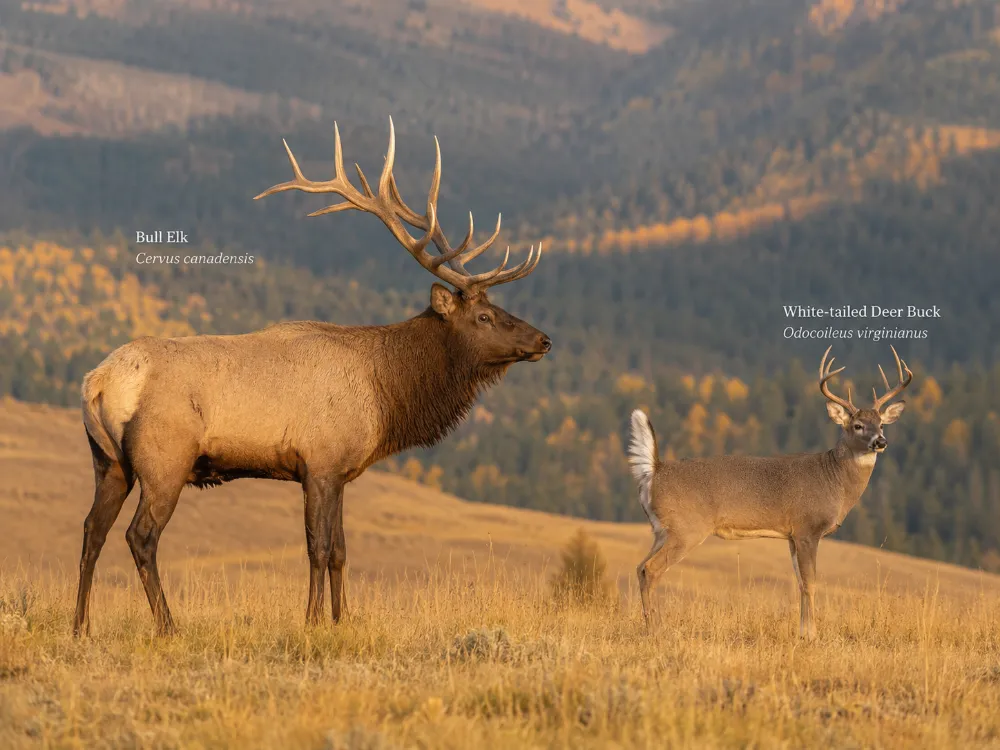
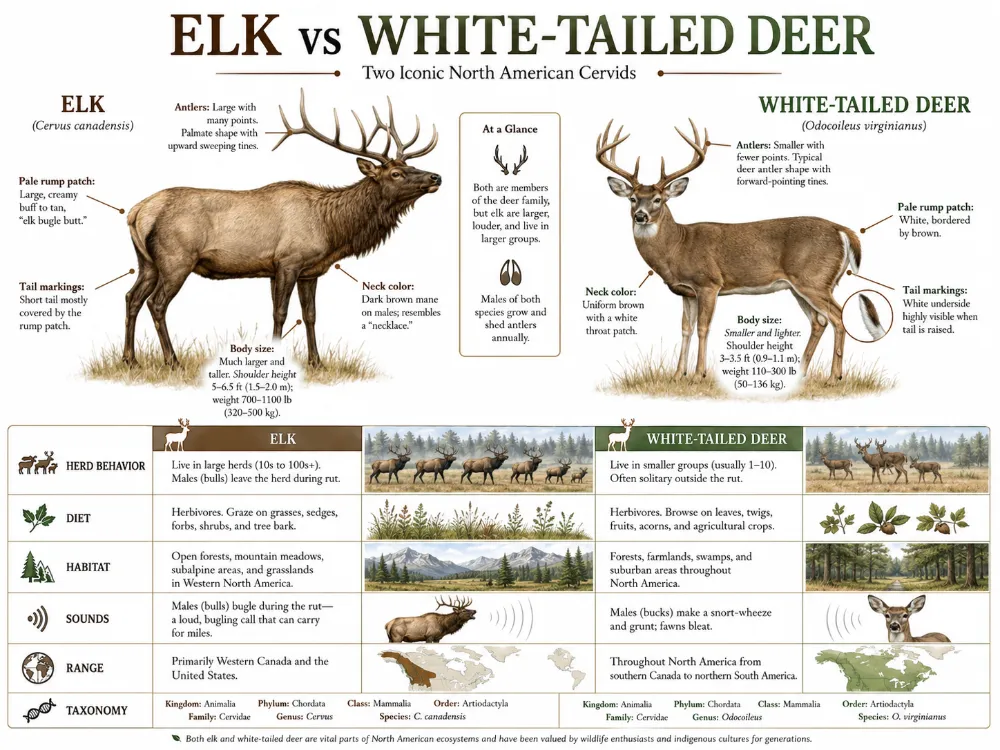
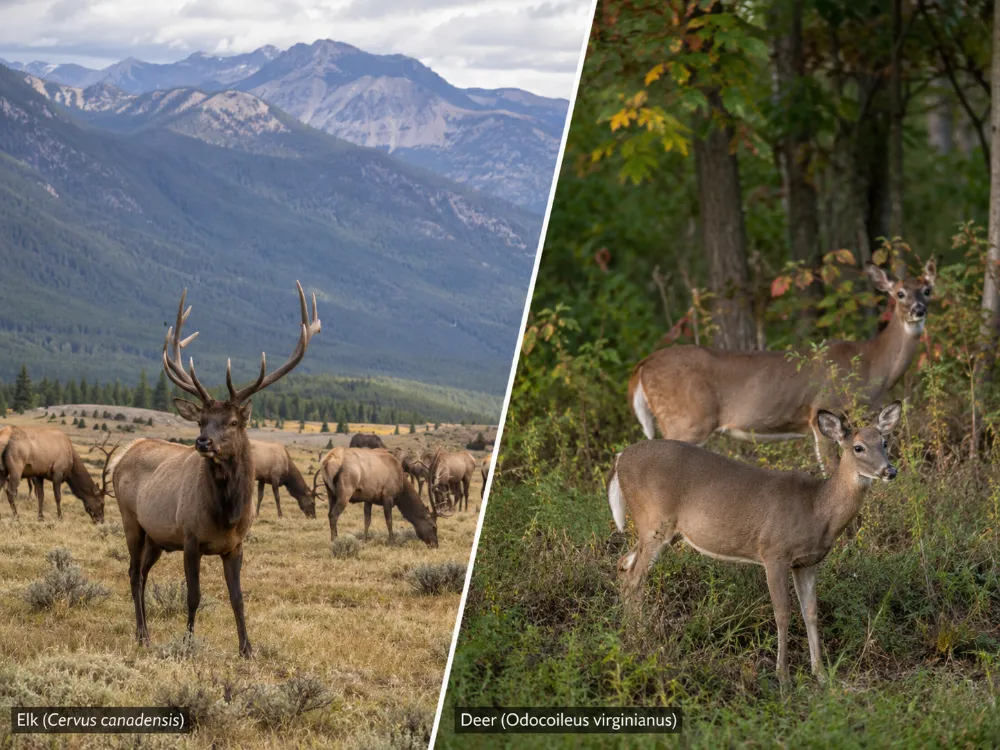
For practical identification, elk are usually much larger than common deer such as white-tailed deer and mule deer. They also have a distinctive pale rump patch, dark neck, tan body, and large sweeping antlers in males.
When someone asks “elk vs deer,” they usually want to know how to tell a large elk from smaller deer species in the same region.
Size Differences
Elk are much larger than most familiar deer. A bull elk can stand high at the shoulder and weigh several times more than a white-tailed deer. Even female elk are usually larger and heavier than many adult male deer of smaller species.
White-tailed deer and mule deer are more lightly built. They have shorter bodies, smaller frames, and thinner legs compared with elk. Roe deer and many tropical deer are smaller still.
However, the deer family also includes moose, which are larger than elk. So elk are larger than most deer, but they are not the largest deer species overall. Moose hold that position.
Antler Differences
Male elk grow large branching antlers that sweep upward and backward from the head. A mature bull may have multiple tines on each side, creating an impressive crown-like shape. These antlers are used during the rut for display, competition, and fighting with rival males.
Other deer species have different antler shapes. White-tailed deer usually have a main beam with tines rising upward. Mule deer antlers often fork and branch. Moose antlers are broad and palmate, like open hands. Reindeer antlers are complex, and both males and females can grow them.
Elk antlers are usually longer, taller, and more sweeping than those of white-tailed or mule deer.
Body Color and Markings
Elk usually have a tan or light brown body, a darker brown neck and chest, and a large pale rump patch. This pale rump patch is one of the easiest identification clues, especially when elk are moving away.
Many smaller deer have different markings. White-tailed deer have a white underside to the tail, which they raise like a flag when alarmed. Mule deer have large ears and a black-tipped tail. Fawns of many deer species have white spots for camouflage.
In winter, many deer become grayer or duller in color. Elk may also look thicker and darker in cold-season coats, but their pale rump patch and larger body remain useful clues.
Face and Neck Differences
Elk have long faces, large ears, and a thick neck, especially adult bulls during the rut. A bull elk’s neck becomes more muscular and darker during the breeding season, making the animal look even more powerful.
Smaller deer usually have slimmer necks, shorter faces, and more delicate heads. White-tailed deer have a graceful face and alert expression, while mule deer are recognized by their large mule-like ears.
If the animal has a massive dark neck, pale rump, and huge antlers, it is much more likely to be an elk than a smaller deer.
Tail Differences
Elk have a short tail and a large pale rump patch. The rump patch is more important for identification than the tail itself. It creates a bold light-colored area at the rear of the animal.
White-tailed deer are famous for their tail. When alarmed, they raise the tail and expose a bright white underside. This flashing white tail can signal danger to other deer and make the animal easy to identify.
Mule deer have a smaller white rump patch and a tail with a black tip. These differences help distinguish mule deer from elk and white-tailed deer.
Habitat Differences
Elk often live in a mixture of forests and open feeding areas. They may graze in meadows, valleys, grasslands, and open slopes, then move into forest cover for shelter. In mountain regions, they may migrate seasonally between high summer ranges and lower winter ranges.
Deer as a group occupy a much wider range of habitats. White-tailed deer thrive in forests, farms, wetlands, suburbs, and edge habitats. Mule deer often prefer open woodlands, shrublands, mountains, and western landscapes. Moose use wetlands, boreal forests, and aquatic feeding areas.
So elk habitat overlaps with some deer species, but “deer” as a whole includes a much broader ecological range.
Diet and Feeding Behavior
Elk are mixed feeders. They graze on grasses and sedges, but they also browse shrubs, leaves, bark, twigs, and young shoots. Their diet changes with season and habitat. In summer, green grasses and forbs may be important. In winter, woody plants and stored body fat become more important.
Other deer vary in feeding style. White-tailed deer are often strong browsers, eating leaves, shoots, acorns, fruits, and garden plants. Mule deer browse shrubs and woody vegetation. Moose feed heavily on aquatic plants, willow, birch, and other woody plants. Reindeer eat lichens, grasses, sedges, and tundra plants.
Elk are often more grazing-oriented than many smaller woodland deer, but they are not strict grass eaters.
Social Behavior
Elk are highly social and often form herds. Outside the breeding season, males and females may live in separate groups. Cow-calf herds can be large, especially in open landscapes. Bulls may form bachelor groups before the rut.
Deer behavior varies by species. White-tailed deer may form small groups, especially females with young. Mule deer may gather in groups during winter. Moose are more solitary. Reindeer and caribou can form enormous herds during migration.
Compared with many familiar deer, elk are often more visibly herd-oriented, especially in open parks, valleys, and protected landscapes.
Breeding Season and Rut
The elk rut is one of the most dramatic events in the deer family. During the rut, bull elk bugle, gather harems of cows, challenge rivals, display their antlers, and sometimes fight. Their calls can travel long distances and are one of the most recognizable sounds in North American wildlife.
Other deer also have breeding seasons, but their behavior differs. White-tailed bucks use scrapes, rubs, scent marking, sparring, and chasing. Red deer stags roar during the rut. Moose bulls grunt and display to females. Reindeer males compete during autumn breeding periods.
Elk are especially famous because of the bull’s bugle, large antlers, and visible harem behavior.
Sounds and Communication
Elk are vocal animals. Bulls bugle during the rut, but elk also use chirps, mews, barks, and alarm calls. Cow elk communicate with calves using softer calls, while alarmed elk may bark or give sharp warning sounds.
Other deer species make different sounds. White-tailed deer may snort, blow, bleat, grunt, and wheeze. Mule deer may snort or bleat. Roe deer can bark like a small dog. Red deer stags roar. Moose use low grunts and bellows.
If you hear a high, piercing bugle in mountain or forest-edge habitat during autumn, elk are a strong possibility.
Tracks and Hoof Prints
Elk tracks are larger than the tracks of most smaller deer. They are heart-shaped or oval hoof prints with two main toes. Because elk are heavy, their tracks may sink deeper into mud, snow, or soft soil.
White-tailed and mule deer tracks are smaller and more delicate. Moose tracks are larger than elk tracks and often more elongated. Track size can help, but age, sex, ground conditions, and stride length also matter.
When identifying tracks, look at size, shape, stride, habitat, and nearby signs such as droppings, rubs, hair, or feeding marks.
Droppings and Signs
Elk droppings are usually larger than those of white-tailed deer and mule deer. They may appear as pellets or clumped masses depending on diet and season. Fresh green feeding can produce softer droppings, while winter browse often produces firmer pellets.
Deer signs vary by species. White-tailed bucks create rubs on small trees and scrapes on the ground. Elk bulls also rub trees, sometimes damaging larger saplings or shrubs with their antlers. Elk wallows, muddy depressions used during the rut, can be another clue.
Because elk are larger and often move in herds, their signs may be more widespread and obvious than those of smaller deer.
Speed and Movement
Elk are large, but they are still fast and agile. They can run quickly, climb slopes, cross rivers, and move long distances between feeding and resting areas. Their long legs make them powerful travelers in mountain and open-country habitats.
Smaller deer are often more agile in dense cover. White-tailed deer are famous for bounding away with the tail raised. Mule deer use a stiff-legged bouncing movement called stotting. Roe deer can vanish quickly into brush.
Elk rely on size, herd awareness, speed, and open-country movement. Smaller deer often rely more heavily on quick escape into cover.
Predators and Defense
Elk are prey for wolves, bears, mountain lions, and humans. Calves are especially vulnerable to predators such as bears, coyotes, wolves, and cougars. Adult elk are large and strong, but they can still be taken by coordinated wolf packs or ambush predators.
Other deer face different predator pressures depending on size and habitat. White-tailed deer may be hunted by coyotes, wolves, mountain lions, bobcats, bears, and humans. Moose calves are vulnerable to bears and wolves. Small deer species may be prey for cats, canids, eagles, and large reptiles in some regions.
Elk defense depends on herd vigilance, speed, strong kicks, antlers in males, and choosing safe terrain.
Elk vs White-Tailed Deer
White-tailed deer are much smaller than elk. They have a slimmer body, smaller antlers, and a distinctive tail with a white underside. When alarmed, they raise the tail like a flag.
Elk have a larger body, darker neck, pale rump patch, and much bigger antlers in males. Elk are also more likely to form large herds in open meadows or valleys.
If the animal is small to medium-sized and flashes a white tail while running, it is probably a white-tailed deer. If it is much larger with a pale rump patch and dark neck, it is likely an elk.
Elk vs Mule Deer
Mule deer are smaller than elk and are named for their large ears. Their antlers usually fork rather than forming the long sweeping beams seen in elk. Mule deer also have a black-tipped tail and often use a bouncing escape movement called stotting.
Elk are larger, heavier, and more herd-oriented. Male elk antlers are much larger and more upright-sweeping. Elk also have a stronger contrast between the tan body, dark neck, and pale rump patch.
In western North America, elk and mule deer may occur in the same broad landscapes, so size, tail, ears, and antler shape are useful clues.
Elk vs Moose
Moose are also deer, but they are larger than elk. A moose has a very long face, overhanging nose, high shoulders, long legs, and in males, broad palmate antlers. Moose often live near wetlands, lakes, boreal forests, and willow-rich habitats.
Elk are smaller than moose, more herd-oriented, and have branching antlers rather than broad palmate antlers. Elk also have a more obvious pale rump patch and are more likely to be seen grazing in open meadows with groups.
Important language note: in Europe, the word “elk” is often used for the animal North Americans call moose. In North America, elk usually means wapiti.
Elk vs Red Deer
Elk and red deer are close relatives in the genus Cervus, and they can look similar. Red deer are common in parts of Europe, Asia, and introduced regions. Elk are generally larger, especially North American bulls, and have a distinctive pale rump patch and strong bugling behavior.
Red deer stags also grow impressive antlers and roar during the rut. In some regions, the names and classifications can be confusing because red deer, wapiti, and related forms have been treated differently in different taxonomic discussions.
For most readers, the simplest distinction is geographic and visual: North American elk are large wapiti with a pale rump patch and loud bugle; red deer are usually smaller Old World relatives with their own rutting calls and antler forms.
Elk vs Reindeer
Reindeer, also called caribou in North America when wild, are deer adapted to northern tundra and boreal habitats. Unlike most deer, both male and female reindeer can grow antlers.
Elk are larger-bodied grazers and browsers of forests, meadows, and mountain valleys. Their males have large branching antlers, while females usually lack antlers.
Reindeer are better adapted to cold northern migrations and snow-covered landscapes. Elk are better associated with temperate forests, grasslands, and mountain ecosystems.
Human Interaction and Conservation
Elk are important wildlife species in many ecosystems and are also valued for wildlife watching, hunting, and cultural symbolism. In some areas, elk populations have recovered after past declines. In other places, habitat fragmentation, disease, human conflict, road mortality, and climate pressures remain concerns.
Deer as a whole face very different conservation situations. Some species are abundant and even overpopulated in human-altered landscapes. Others are threatened by habitat loss, hunting pressure, disease, invasive species, or small isolated populations.
Because “deer” includes many species, conservation status must be considered species by species.
Common Misunderstandings
One common misunderstanding is that elk are not deer. They are deer. They are simply one of the larger members of the deer family.
Another misunderstanding is that “deer” always means white-tailed deer. In everyday North American speech, that may often be true, but scientifically deer include many species around the world.
A third misunderstanding comes from language differences. In North America, elk means wapiti. In much of Europe, elk may mean moose. This can confuse readers comparing wildlife across countries.
How to Tell Elk from Other Deer Quickly
Look at size: elk are much larger than white-tailed deer, mule deer, and many other common deer.
Look at the rump: elk have a large pale rump patch and a short tail.
Look at the neck: elk often have a darker, thicker neck, especially mature bulls.
Look at the antlers: bull elk have large sweeping antlers with multiple tines.
Listen for bugling: a loud autumn bugle is a classic elk sound.
Remember the category: elk are deer, but deer include many species besides elk.
Elk vs Deer: Final Comparison
The difference between elk and deer is mostly a difference between a specific species and a broad animal family. Elk are large deer, usually referring to the North American wapiti. Deer is the wider term for the family that includes elk, white-tailed deer, mule deer, moose, reindeer, roe deer, red deer, and many others.
If you are comparing elk with common smaller deer, elk are usually much larger, heavier, more herd-oriented, and more likely to have a pale rump patch, dark neck, and huge branching antlers in males. The simplest answer is: every elk is a deer, but most deer are not elk.
FAQs About Elk vs Deer
Is an elk a deer?
Yes. An elk is a type of deer. It belongs to the deer family, Cervidae, along with white-tailed deer, mule deer, moose, reindeer, roe deer, and many other species.
What is the main difference between elk and deer?
Elk refers to a specific large deer species, while deer is a broad term for the whole deer family. In everyday comparisons, elk are usually much larger than common deer such as white-tailed deer or mule deer.
Are elk bigger than deer?
Elk are bigger than most familiar deer, including white-tailed deer, mule deer, and roe deer. However, moose are also deer and are larger than elk.
What is a male elk called?
A male elk is called a bull. A female elk is called a cow, and a young elk is called a calf.
What is a male deer called?
A male deer is often called a buck, stag, or bull depending on the species. Male elk are called bulls, while male white-tailed deer are usually called bucks.
Do female elk have antlers?
Female elk usually do not have antlers. Male elk grow and shed antlers each year. Reindeer are an exception among deer because females can also grow antlers.
How can you tell an elk from a white-tailed deer?
Elk are much larger, have a pale rump patch, darker neck, and much larger antlers in males. White-tailed deer are smaller and raise a bright white tail when alarmed.
How can you tell an elk from a mule deer?
Elk are larger and have sweeping antlers, a pale rump patch, and a darker neck. Mule deer are smaller, have very large ears, forked antlers, and a black-tipped tail.
Are elk and moose the same?
No. In North America, elk and moose are different deer species. Moose are larger, have long faces and broad palmate antlers, and often live near wetlands. In Europe, the word “elk” may refer to moose, which can cause confusion.
Why are elk called wapiti?
Wapiti is another name for the North American elk. It is often used to avoid confusion with European usage of the word “elk,” which may mean moose.
What do elk eat?
Elk eat grasses, sedges, leaves, shrubs, bark, twigs, and other plant material. They are mixed feeders, meaning they both graze and browse depending on season and habitat.
Do elk live in herds?
Yes. Elk often form herds, especially outside the breeding season. Cow-calf groups can be large, and bulls may form bachelor groups before the rut.
Why do elk bugle?
Bull elk bugle during the rut to attract females and warn rival males. Bugling is one of the most famous sounds associated with elk.
Are elk dangerous?
Elk can be dangerous if approached, especially during the rut or when cows are protecting calves. They are large wild animals and should always be observed from a safe distance.
Are deer and elk good swimmers?
Yes. Many deer species, including elk, can swim when necessary. They may cross rivers, lakes, or wetlands during movement, migration, or escape.