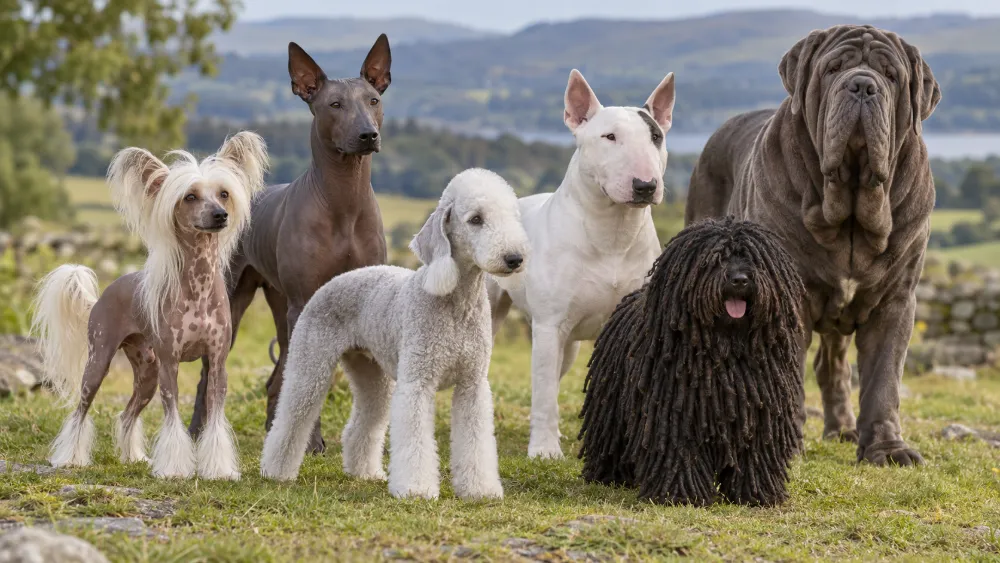
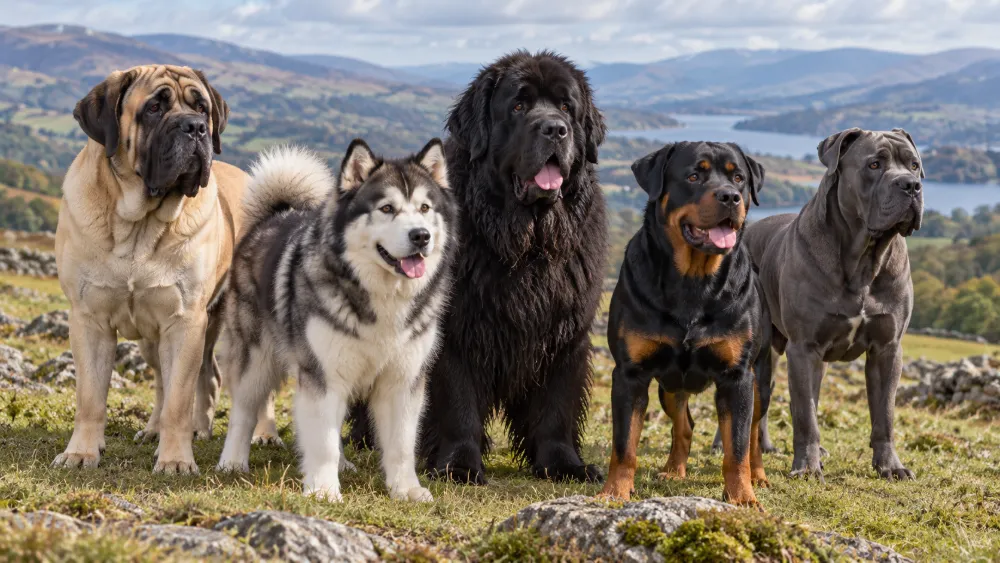
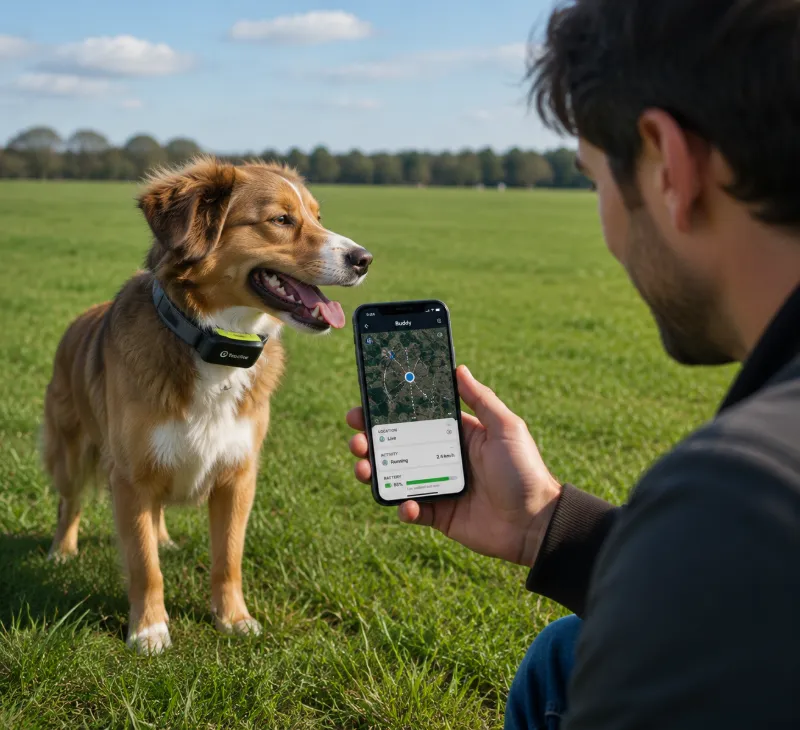
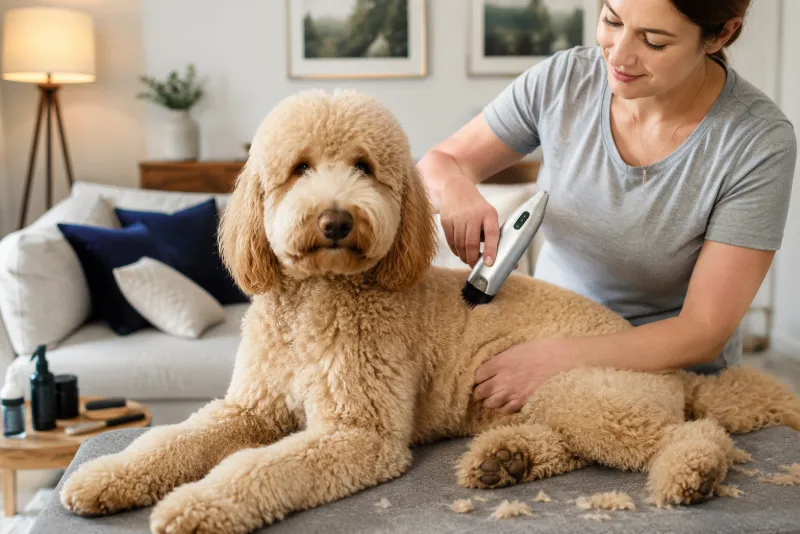
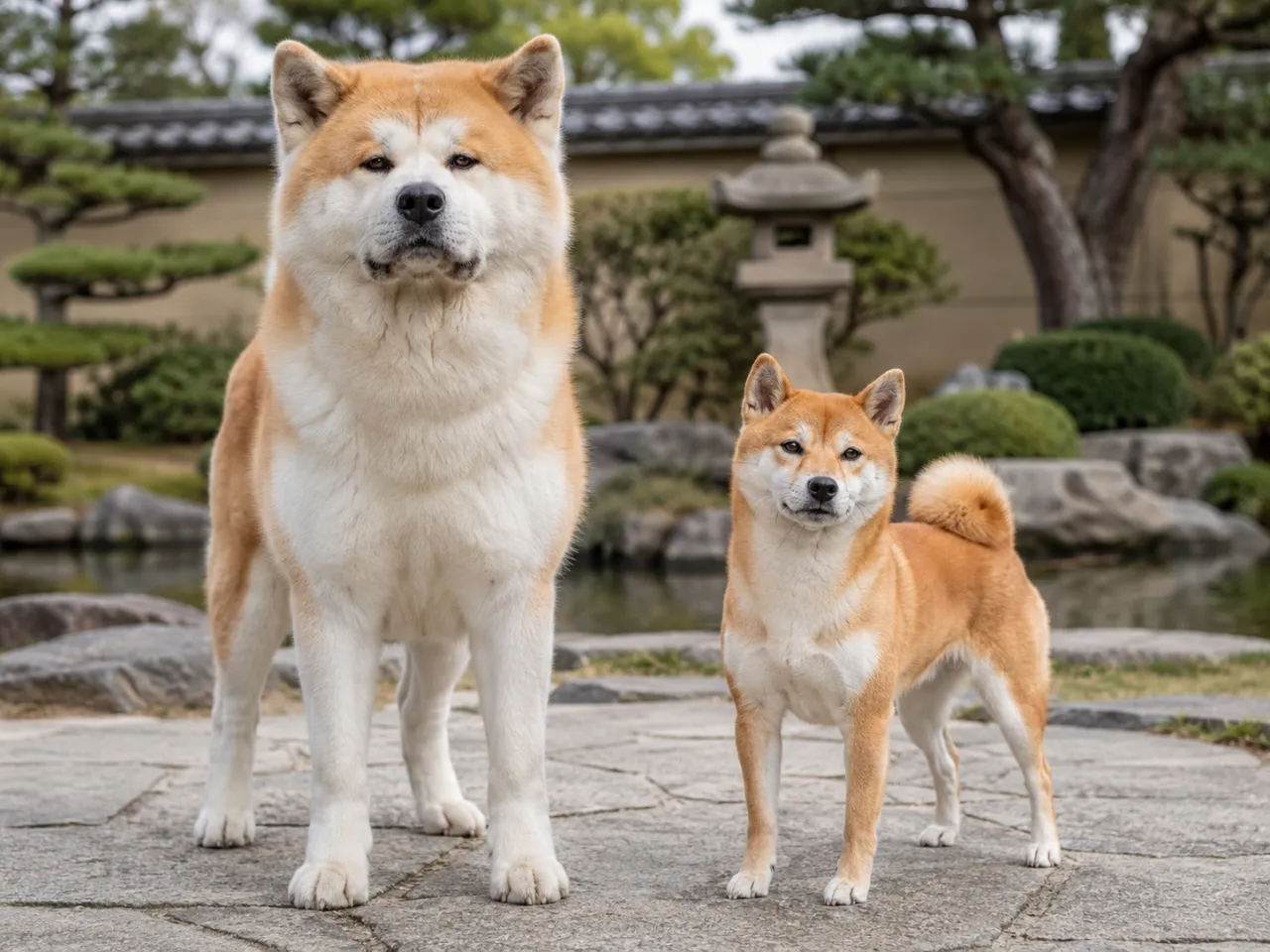
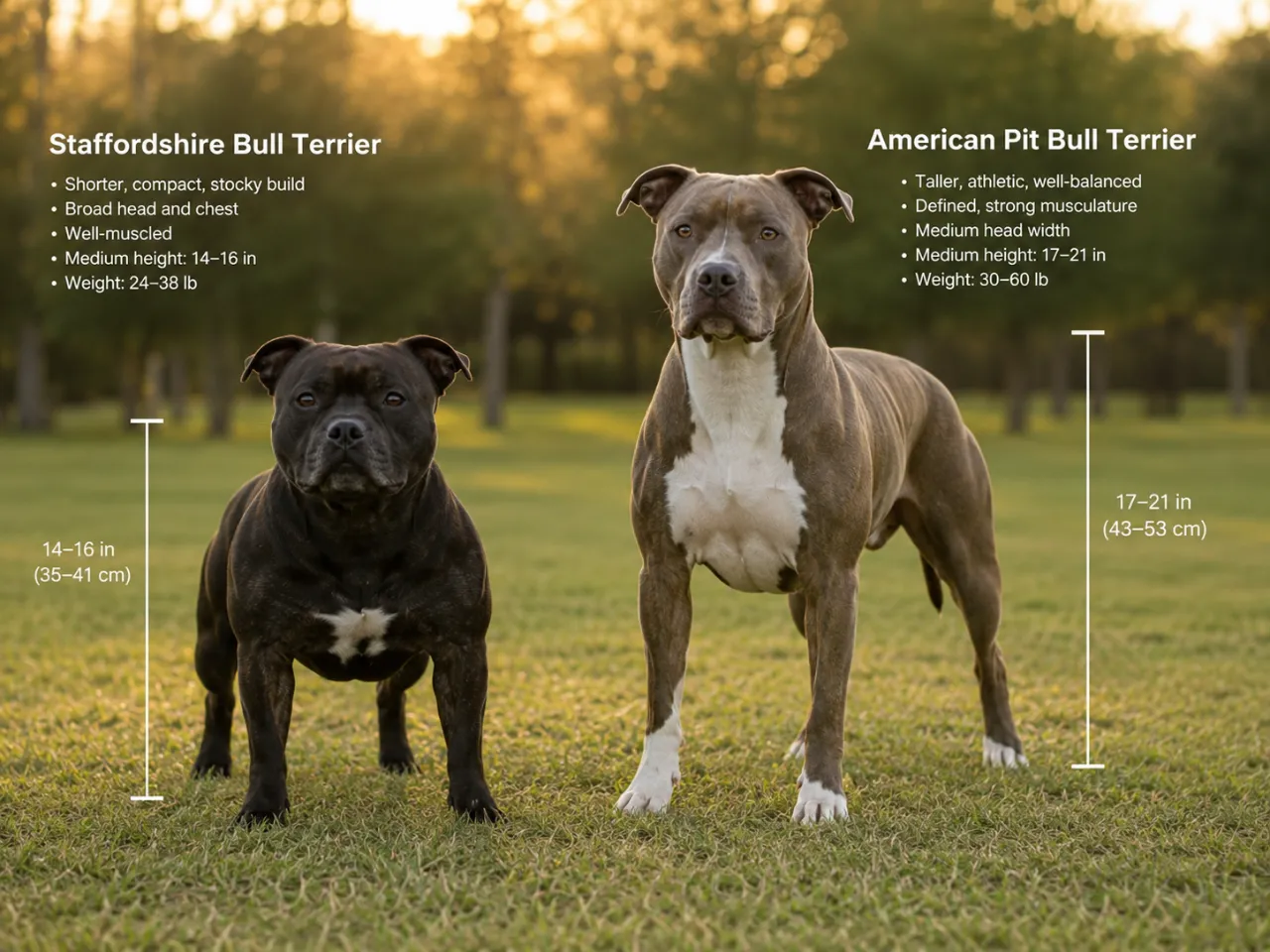
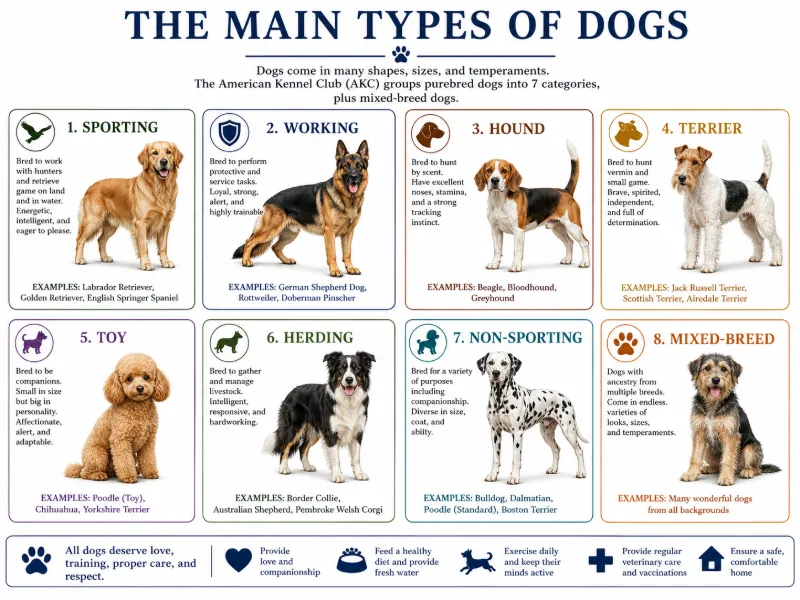
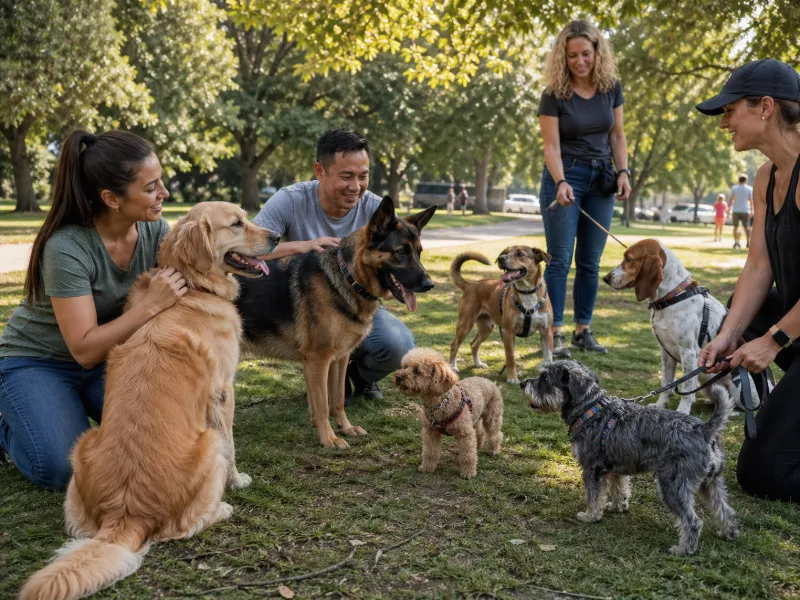
There are many types of dogs, but most can be understood through broad groups such as sporting dogs, working dogs, hounds, terriers, toy dogs, herding dogs, non-sporting dogs, and mixed-breed dogs. These categories reflect differences in history, body shape, behavior, and traditional jobs. Some dogs were bred to herd livestock, some to hunt by scent or sight, some to guard and pull, and others mainly to provide companionship.
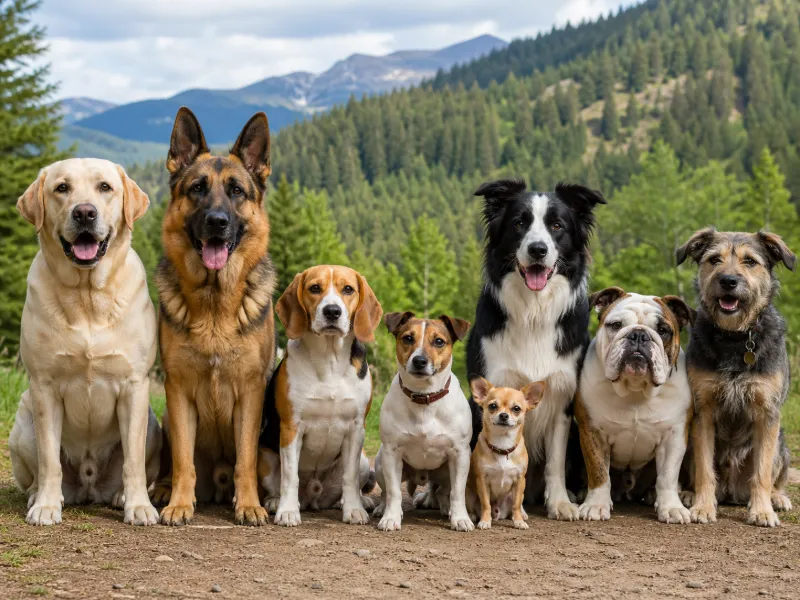
Dogs are one of the most diverse mammals on Earth in terms of size, coat, behavior, and body form. A Chihuahua and a Great Dane are the same species, yet they look and act very different because humans bred dogs for specific purposes over many generations.
In this guide, you will learn the main types of dogs, what makes each group different, and how these categories help explain dog appearance, temperament, and lifestyle needs.
Quick answer
| Dog type | Main traditional role | Common traits | Examples |
|---|---|---|---|
| Sporting dogs | Helping hunters find and retrieve game | Active, trainable, social | Labrador Retriever, Golden Retriever, Spaniels, Setters |
| Working dogs | Guarding, pulling, rescue, protection | Strong, intelligent, purposeful | Boxer, Rottweiler, Siberian Husky, Saint Bernard |
| Hounds | Tracking or chasing animals | Strong scent or sight instincts | Beagle, Bloodhound, Greyhound, Dachshund |
| Terriers | Hunting small animals and vermin | Bold, energetic, persistent | Jack Russell Terrier, Bull Terrier, Scottish Terrier |
| Toy dogs | Companionship | Small size, close human bonding | Chihuahua, Pomeranian, Maltese, Pug |
| Herding dogs | Controlling livestock movement | Intelligent, alert, responsive | Border Collie, Australian Shepherd, German Shepherd |
| Non-sporting dogs | Varied historical roles | Mixed body types and personalities | Bulldog, Dalmatian, Poodle, Chow Chow |
| Mixed-breed dogs | Combined ancestry | Highly variable traits | Labradoodle, rescue mixed breeds, village dogs |
What does “types of dogs” really mean?
When people ask about types of dogs, they may mean several different things. Sometimes they mean formal breed groups. Other times they mean size categories such as small, medium, and large dogs. In everyday life, people may also mean activity level, coat type, or what the dog was originally bred to do.
That is why the phrase can feel broad. A dog can be described in more than one way at the same time. For example, a Border Collie is a herding dog, a medium-sized dog, a high-energy dog, and a long-coated dog.
The most useful way to understand dog types is to start with the traditional group system and then add size, coat, and behavior.
Why there are so many different kinds of dogs
Dogs became so diverse because humans selectively bred them for specific jobs and environments. Over many generations, people favored dogs with traits that helped them herd sheep, guard property, retrieve game, chase prey, pull sleds, or simply live closely with humans.
This selective breeding changed body shape, coat type, ear shape, muzzle length, and even behavior. That is why some dogs are built for speed, some for endurance, some for digging, and some for companionship.
The result is a species with enormous visible variety, even though all domestic dogs belong to the same species.
Sporting dogs
Sporting dogs were traditionally developed to help hunters locate, flush, or retrieve birds and other game. Many of them are active, eager to work with humans, and easy to train when given enough exercise and structure.
Retrievers, setters, pointers, and spaniels are classic examples. These dogs often enjoy outdoor activity, water, play, and close teamwork with people. They are usually social and energetic rather than highly independent.
Because of their working history, sporting dogs often need regular exercise and mental stimulation. Without enough activity, they may become restless or destructive.
Working dogs
Working dogs were bred for demanding tasks such as guarding, pulling carts or sleds, rescue work, and property protection. They are often strong, large, and highly capable.
This group includes dogs such as Siberian Huskies, Rottweilers, Boxers, Mastiffs, Great Danes, and Saint Bernards. Their original jobs required both physical power and decision-making ability.
Many working dogs are loyal and impressive companions, but they often do best with clear training, good socialization, and enough space or activity to match their size and energy.
Hounds
Hounds are dogs bred to track or chase animals. Some do this mainly with scent, while others rely more on sight and speed. This makes the hound group especially interesting because it includes different hunting styles under one broad category.
Scent hounds such as Beagles and Bloodhounds use their noses to follow trails. Sight hounds such as Greyhounds and Whippets use vision and speed to pursue moving prey. Dachshunds, though unusual in body shape, also belong to the hound tradition because of their hunting history.
Many hounds are independent thinkers. Their instincts can be strong, which means recall and off-leash reliability may be more challenging than in some more handler-focused breeds.
Terriers
Terriers were developed to hunt and control small animals such as rats, foxes, and other burrowing or fast-moving prey. They are often bold, determined, and full of energy.
Terriers tend to be lively dogs with strong prey drive and a lot of confidence packed into a relatively small or medium-sized body. Examples include the Jack Russell Terrier, West Highland White Terrier, and Bull Terrier.
Because they were bred to act quickly and persistently, terriers can be entertaining but also stubborn. Many need firm but fair training and plenty of outlets for their energy.
Toy dogs
Toy dogs were bred mainly for companionship. Their small size made them easy to keep close to people, and many became beloved lap dogs or household companions.
Chihuahuas, Pomeranians, Maltese, Papillons, and Pugs are common examples. Although they are small, toy dogs should not be assumed to be low-personality dogs. Many are bold, alert, and surprisingly expressive.
Because of their size, they may need extra care around rough handling, larger dogs, and cold weather. At the same time, many form very strong attachments to their owners.
Herding dogs
Herding dogs were bred to control the movement of livestock such as sheep and cattle. This usually required quick thinking, responsiveness to human direction, and the ability to react to moving animals.
Border Collies, Australian Shepherds, Shetland Sheepdogs, Corgis, and German Shepherds are among the best-known examples. These dogs are often highly intelligent, observant, and active.
Because of their background, many herding dogs need jobs or structured activity. Without enough exercise and mental engagement, they may invent their own work, such as chasing, barking, or herding children or other pets.
Non-sporting dogs
The non-sporting group includes dogs that do not fit neatly into the other classic working categories. It is one of the most varied groups in the dog world.
Bulldogs, Dalmatians, Poodles, Shiba Inus, Bichon Frises, and Chow Chows may all appear in broad non-sporting classifications depending on the kennel system being used. These dogs can differ greatly in size, coat, and personality.
Because this group is so mixed, it is less helpful to think of it as one personality type. It is better understood as a collection of diverse breeds with separate histories.
Mixed-breed dogs
Not all dogs belong to a single recognized breed. Mixed-breed dogs have ancestry from more than one breed or from broader free-breeding dog populations. Some are planned crosses, while others come from shelters, rescues, or village dog populations.
Mixed-breed dogs can be wonderful companions, but their appearance and temperament are often less predictable than those of well-established pure breeds. They may combine the traits of two or more very different lineages.
In many parts of the world, mixed-breed dogs are actually more common than formal pedigree dogs. They are an important part of the real global story of dogs.
Types of dogs by size
Another easy way to think about dog types is by size. Small dogs are easier to carry and often suit compact living spaces, though some are still very energetic. Medium dogs often balance manageability and athletic ability. Large and giant dogs may be powerful, calm, active, or gentle, depending on the breed.
Size influences more than appearance. It affects exercise needs, food intake, lifespan trends, space requirements, and how a dog fits into household life. A tiny toy breed and a giant working breed may need very different care even if both are friendly family pets.
That is why size is one of the first practical questions people ask when choosing a dog.
Types of dogs by coat
Dogs can also be grouped by coat type. Some have short smooth coats, some have long flowing coats, some have dense double coats, and some have curly or wiry coats. Coat type affects grooming, shedding, climate tolerance, and overall care.
A Husky’s thick double coat is suited to cold conditions. A Poodle’s curly coat grows continuously and needs regular grooming. A terrier’s wiry coat may require different maintenance than a smooth-coated hound.
For many owners, coat type matters almost as much as temperament because it affects daily life in practical ways.
Types of dogs by energy level
Some dogs are calm and content with moderate activity, while others need long walks, running, training games, and constant engagement. Energy level is often more important than breed label alone when deciding whether a dog suits a household.
A sporting dog or herding dog is often high-energy. A toy breed may be small but still lively. Some giant breeds are surprisingly calm indoors, while some medium-sized breeds are constantly active.
This is why it is often more useful to ask, “How much exercise does this dog need?” than simply, “What kind of dog is it?”
Which type of dog is best for families?
There is no single best type of dog for every family. The best choice depends on activity level, space, experience, children’s ages, grooming tolerance, and how much time the household can give to training and companionship.
Many sporting dogs and companion-focused breeds are popular family choices because they tend to be social and trainable. However, individual temperament, breeding quality, and early socialization matter greatly. A calm, well-raised dog is usually a better fit than a breed stereotype alone.
The most successful match happens when the dog’s needs and the family’s lifestyle fit each other well.
Which type of dog is easiest to train?
Dogs that were bred to work closely with humans often tend to be easier to train, especially herding dogs, sporting dogs, and some working breeds. These dogs often pay attention well and enjoy structured activity.
That said, “easy to train” does not always mean “easy to live with.” A very intelligent dog may learn quickly but also need much more stimulation than a quieter breed.
Trainability should be considered together with energy, sensitivity, independence, and the amount of time an owner can invest.
Why breed groups do not tell the whole story
Breed groups are helpful, but they are not perfect predictors of behavior. Two dogs in the same group can still feel very different because of genetics, early experience, health, and environment.
An individual Labrador Retriever may be calmer than another Labrador. A mixed-breed rescue may behave more like one side of its ancestry than another. Even within a single breed, personality can vary a lot.
So while dog types help us understand broad patterns, they should never replace getting to know the individual dog in front of you.
Final takeaway
There are many types of dogs, but most can be understood through broad categories such as sporting, working, hound, terrier, toy, herding, non-sporting, and mixed-breed dogs. These groups reflect the jobs dogs were historically bred to do, which helps explain their body shape, energy level, instincts, and personality. The best way to understand any dog is to combine group knowledge with size, coat, activity level, and individual temperament.
FAQs
How many types of dogs are there?
There are many ways to classify dogs, but the main traditional groupings include sporting, working, hound, terrier, toy, herding, non-sporting, and mixed-breed dogs.
What are the main groups of dogs?
The main groups are usually sporting, working, hound, terrier, toy, herding, and non-sporting, with mixed-breed dogs also forming an important practical category.
What type of dog is best for beginners?
That depends on lifestyle, but many beginners do well with dogs known for sociability, trainability, and manageable exercise needs rather than extremely intense working breeds.
Are mixed-breed dogs a type of dog?
Yes. Mixed-breed dogs are an important dog type in real life, and they can vary greatly in appearance and behavior depending on ancestry.