The average cost of dog surgery usually ranges from about $300 to $1,000 for routine procedures, $500 to $3,000 for many planned soft-tissue surgeries, and $2,000 to $8,000 or more for emergency, orthopedic, or specialist procedures. The final price depends on the type of surgery, your dog’s size, age, health, anesthesia needs, diagnostics, location, and whether the surgery is done at a general clinic, emergency hospital, or referral specialist.
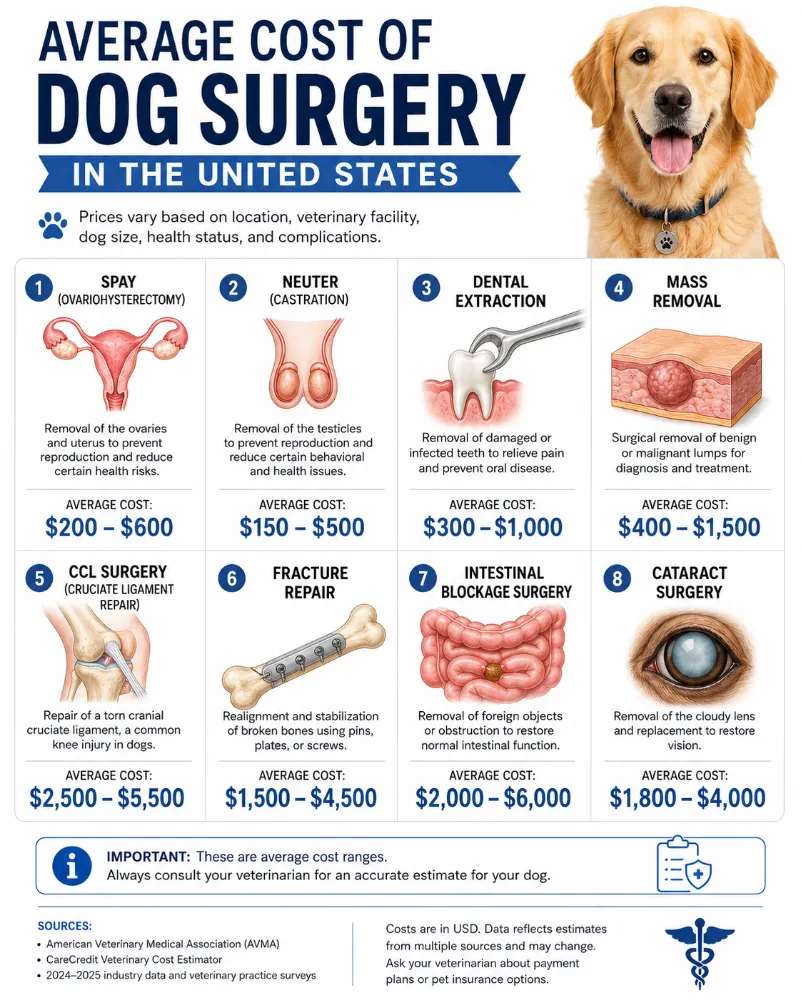
| Type of Dog Surgery | Typical U.S. Cost Range | Common Reason | Cost Level |
|---|---|---|---|
| Dog neuter | $250–$700 | Routine sterilization for male dogs | Low to moderate |
| Dog spay | $300–$800 | Routine sterilization for female dogs | Low to moderate |
| Dental extraction | $500–$2,500 per dental visit | Damaged, infected, loose, or painful teeth | Moderate |
| Mass or tumor removal | $500–$2,500 | Skin lumps, benign masses, or suspicious tumors | Moderate |
| Wound repair | $300–$1,500 | Bite wounds, cuts, torn skin, or trauma | Low to moderate |
| CCL or ACL knee surgery | $1,500–$7,000+ | Torn cranial cruciate ligament in the knee | High |
| Fracture repair | $2,000–$5,000+ | Broken leg or complex bone injury | High |
| Intestinal blockage surgery | $2,000–$8,000+ | Foreign object stuck in the stomach or intestines | High to very high |
| Cataract surgery | $3,000–$6,700+ | Vision loss caused by cataracts | High |
| Emergency abdominal surgery | $3,000–$10,000+ | Bloat, internal bleeding, severe infection, or organ problem | Very high |
What the Average Cost of Dog Surgery Really Means
There is no single “normal” price for dog surgery because dog surgery is not one fixed service. A small, healthy young dog having a routine neuter at a general practice may have a very different bill from a senior large-breed dog needing emergency intestinal surgery at midnight.
For most dog owners, it is more useful to think in three price groups:
Routine surgery: usually about $300 to $1,000.
Planned non-emergency surgery: often about $500 to $3,000.
Emergency, orthopedic, or specialist surgery: commonly $2,000 to $8,000 or more.
These ranges are best used as planning estimates, not exact quotes. Your veterinarian’s written estimate is the number that matters for your individual dog.
What Is Usually Included in a Dog Surgery Bill?
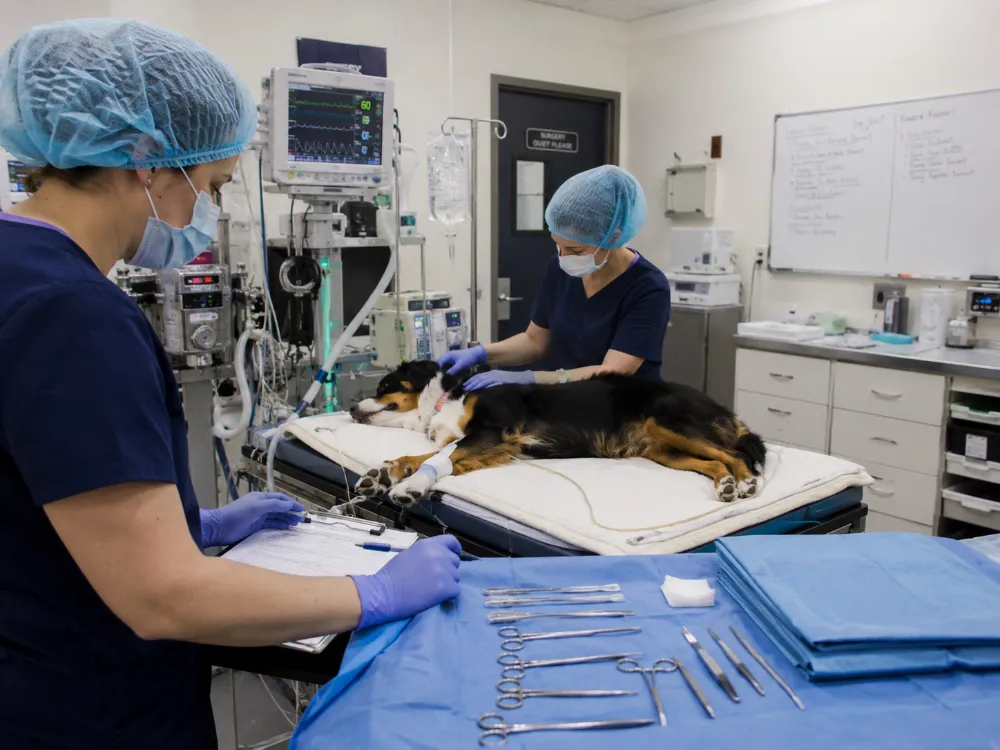
A dog surgery bill often includes much more than the surgical procedure itself. Owners sometimes feel surprised by the final estimate because the invoice includes the medical support needed to keep the dog safe before, during, and after anesthesia.
A typical surgery estimate may include:
Physical examination
Pre-surgical bloodwork
X-rays, ultrasound, or other imaging if needed
IV catheter placement
Fluids during surgery
Anesthesia drugs
Anesthesia monitoring
Surgical supplies and sterile instruments
Surgeon and technician time
Hospitalization or recovery monitoring
Pain medication
Antibiotics when medically appropriate
E-collar, bandage, or surgical suit
Recheck exam or suture removal
A very low quote may not include all of these items. A higher quote may include bloodwork, fluids, pain control, monitoring, and follow-up care. When comparing prices, always ask what is included and what may be billed separately.
Why Dog Surgery Costs Vary So Much
The biggest cost factors are procedure complexity, anesthesia time, surgical skill required, and the level of hospital care. A short routine surgery is usually much cheaper than a long emergency procedure involving the abdomen, bones, eyes, or nervous system.
Important factors include:
Type of surgery: A spay, neuter, wound repair, dental extraction, fracture repair, and intestinal blockage surgery all require different tools, time, and expertise.
Dog size: Larger dogs usually need more anesthesia, larger doses of medication, stronger implants, and sometimes more staff support.
Dog age and health: Senior dogs or dogs with heart, kidney, liver, endocrine, or breathing problems may need more testing and monitoring.
Emergency timing: After-hours surgery at an emergency hospital is usually more expensive than a scheduled procedure at a daytime clinic.
Location: Veterinary costs are often higher in large cities and high-cost-of-living areas.
Hospital type: General practice, emergency hospitals, university hospitals, and board-certified specialists may charge different rates.
Complications: Infection, internal bleeding, organ damage, or a longer hospital stay can increase the final bill.
Routine Dog Surgery Costs
Routine surgeries are usually the most predictable and affordable. These include spay, neuter, small mass removal, minor wound repair, and some dental procedures.
A dog neuter is often less expensive than a dog spay because it is usually a shorter and less invasive procedure. A spay requires abdominal surgery, so the anesthesia time, surgical complexity, and recovery care are usually greater.
Dental surgery can be harder to predict. A simple extraction may be inexpensive by itself, but most dental procedures also require anesthesia, dental X-rays, cleaning, monitoring, and pain control. If several teeth need to be removed, the total cost can rise quickly.
Emergency Dog Surgery Costs
Emergency surgery is usually much more expensive than planned surgery. This is because the dog may need urgent diagnostics, stabilization, IV fluids, pain control, emergency staff, overnight care, and continuous monitoring.
Common emergency surgeries include:
Intestinal blockage surgery
Stomach bloat or GDV surgery
Internal bleeding repair
Severe wound repair
Cesarean section
Foreign body removal
Abscess drainage or infected tissue removal
Intestinal blockage surgery is one of the most common expensive emergency procedures in dogs. It may be needed when a dog swallows a toy, sock, bone fragment, corn cob, stone, or other object that cannot pass safely through the digestive tract.
Signs of a possible intestinal blockage include repeated vomiting, loss of appetite, abdominal pain, bloating, weakness, diarrhea, constipation, or sudden collapse. This is not a condition to watch at home for several days. A dog with suspected obstruction should be examined by a veterinarian as soon as possible.
Orthopedic Dog Surgery Costs
Orthopedic surgery is usually expensive because it involves bones, joints, ligaments, implants, specialized equipment, and a longer recovery period. The surgeon may need plates, screws, pins, sutures, bone saws, or advanced imaging.
Common orthopedic surgeries include:
CCL or ACL knee surgery
Fracture repair
Patella luxation surgery
Hip surgery
Elbow surgery
Amputation after severe trauma or cancer
CCL surgery is one of the most searched dog surgery costs. The CCL is the cranial cruciate ligament, similar to the ACL in humans. When it tears, many dogs develop pain, limping, and instability in the knee. Some small dogs may improve with conservative care, but many medium and large dogs need surgery for the best long-term function.
The cost depends on the surgical technique. Simpler extracapsular repair is usually less expensive, while TPLO or TTA surgery is often more expensive because it requires bone cutting, implants, and advanced surgical training.
Specialist Dog Surgery Costs
Specialist surgery is usually performed by a veterinarian with advanced training in surgery, ophthalmology, neurology, dentistry, or another specialty. These procedures often cost more, but the higher price may reflect advanced equipment, specialized skill, and more intensive monitoring.
Examples include cataract surgery, spinal surgery, complex fracture repair, advanced oral surgery, cancer surgery, airway surgery, and complicated abdominal surgery.
Cataract surgery, for example, is not simply “removing a cloudy lens.” It often requires eye testing before surgery, general anesthesia, delicate microsurgical equipment, post-operative eye drops, and careful follow-up exams.
How Dog Size Affects Surgery Cost
Dog size can strongly affect the cost of surgery. A 10-pound dog and a 90-pound dog may need the same type of surgery, but the larger dog often requires more anesthesia, more pain medication, larger implants, more suture material, and more time to move, position, and monitor safely.
Large and giant breeds may also have higher risks for certain orthopedic conditions, such as CCL tears, hip problems, and elbow disease. These procedures are usually more expensive than routine soft-tissue surgeries.
How Age and Health Affect Surgery Cost
Older dogs can still have successful surgery, but they often need more careful pre-surgical evaluation. A senior dog may need bloodwork, urine testing, chest X-rays, blood pressure checks, ECG screening, or additional monitoring during anesthesia.
Health conditions that may increase surgical cost include:
Heart disease
Kidney disease
Liver disease
Diabetes
Cushing’s disease
Obesity
Anemia
Breathing problems
Previous anesthesia complications
These extra tests are not just “add-ons.” They help the veterinary team choose safer anesthesia drugs, adjust fluids, prepare for complications, and decide whether surgery should be delayed or modified.
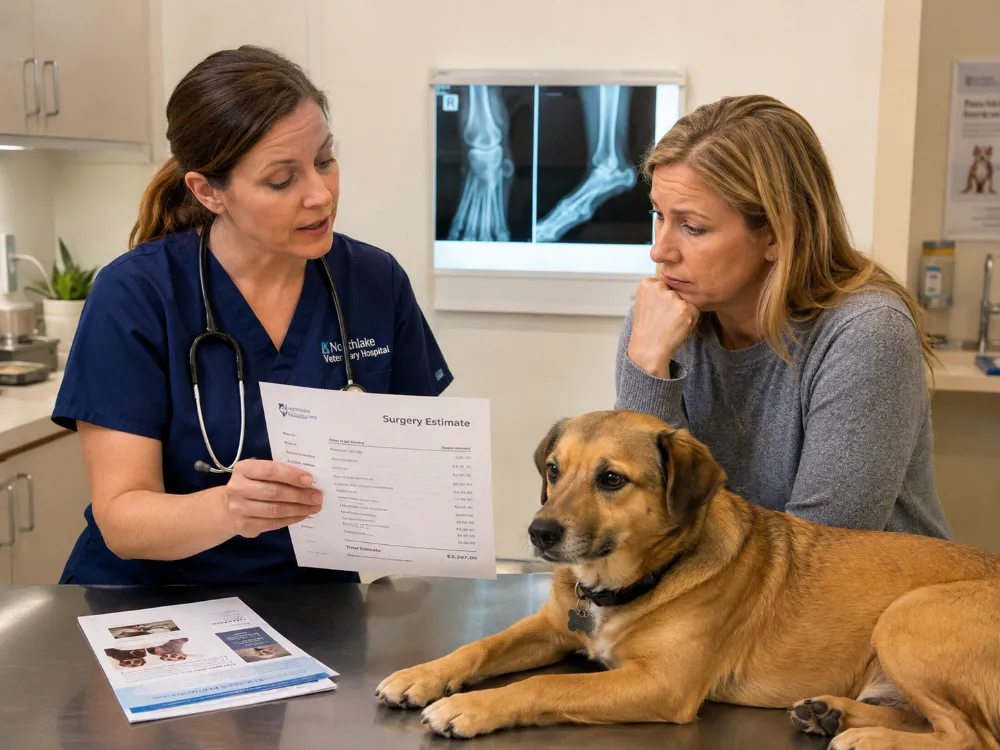
How to Read a Dog Surgery Estimate
Before approving surgery, ask for a written estimate. Many estimates show a low-to-high range because the final cost may depend on what the surgeon finds during the procedure.
Good questions to ask include:
What is included in this estimate?
Is pre-surgical bloodwork included?
Are X-rays, ultrasound, or lab tests included?
Is anesthesia monitoring included?
Are pain medications included?
Will my dog need overnight hospitalization?
Are recheck exams included?
What could make the final bill higher?
Is there a less expensive medically safe option?
Do you offer payment plans or third-party financing?
A clear estimate helps you avoid surprise costs and helps you understand which parts of the treatment are essential for safety.
How to Reduce Dog Surgery Costs Safely
The goal should not be to choose the cheapest surgery at any cost. The goal is to reduce unnecessary expense while keeping your dog safe.
Ways to manage cost include:
Ask for an itemized estimate: This shows what each part of the bill covers.
Compare clinics for non-emergency surgery: Prices can vary, especially for spay, neuter, dental work, and mass removal.
Use low-cost spay/neuter programs: These can be helpful for healthy dogs needing routine sterilization.
Consider pet insurance before illness occurs: Insurance usually works best when purchased while the dog is still healthy.
Ask about payment options: Some clinics offer financing or work with third-party payment providers.
Do not skip pain control: Pain medication is medically important, not optional comfort care.
Prevent emergencies: Keep socks, toys, corn cobs, cooked bones, string, and trash away from dogs that chew or swallow objects.
Maintain dental care: Brushing, dental chews, and regular exams can reduce the chance of severe dental surgery later.
Control body weight: Healthy weight can reduce stress on joints and may lower the risk of some orthopedic problems.
When Dog Surgery Is Worth the Cost
Dog surgery is often worth the cost when it relieves pain, restores movement, removes a dangerous problem, prevents suffering, or treats a life-threatening condition. The decision should consider the dog’s age, diagnosis, pain level, expected recovery, long-term quality of life, and the owner’s financial situation.
Surgery may be strongly recommended when a condition is painful, progressive, or unlikely to heal without intervention. Examples include intestinal obstruction, severe fractures, infected uterus, bloat, certain tumors, and unstable knee injuries.
However, surgery is not always the only option. In some cases, medical management, rest, weight control, pain relief, physical therapy, or palliative care may be more appropriate. A good veterinarian should explain the benefits, risks, alternatives, and likely outcome.
Red Flags After Dog Surgery
After surgery, contact your veterinarian immediately if you notice concerning signs. Early treatment can prevent a small complication from becoming serious.
Post-surgery warning signs include:
Repeated vomiting
Collapse or extreme weakness
Difficulty breathing
Pale gums
Uncontrolled bleeding
Severe swelling around the incision
Bad smell or pus from the incision
Stitches opening
Refusing food for more than expected
Crying, trembling, or obvious pain
Not urinating
Sudden worsening of lameness
Never give human pain medication to a dog unless your veterinarian specifically tells you to. Many common human medications can be toxic to dogs.
Final Takeaway
The average cost of dog surgery depends heavily on the procedure. Routine surgeries may cost a few hundred dollars, while emergency or specialist surgeries can cost several thousand dollars. The best way to prepare is to ask for an itemized estimate, understand what is included, consider pet insurance early, and focus on safe medical care rather than price alone.
If your dog needs surgery, the most important question is not only “How much does it cost?” but also “What outcome can this surgery realistically give my dog?” A clear conversation with your veterinarian can help you make the most informed and compassionate decision.
FAQs About the Average Cost of Dog Surgery
How much does dog surgery usually cost?
Dog surgery usually costs about $300 to $1,000 for routine procedures, $500 to $3,000 for many planned surgeries, and $2,000 to $8,000 or more for emergency, orthopedic, or specialist surgeries.
What is the cheapest common dog surgery?
Routine neuter surgery is often one of the least expensive common dog surgeries, especially at low-cost clinics. However, prices vary by dog size, location, clinic type, and what is included in the package.
Why is dog surgery so expensive?
Dog surgery is expensive because it often includes anesthesia, monitoring, trained staff, sterile equipment, diagnostics, medications, recovery care, and sometimes emergency hospitalization or specialist expertise.
How much does dog ACL or CCL surgery cost?
Dog CCL or ACL surgery commonly costs between $1,500 and $7,000 or more. The price depends on the surgical method, dog size, surgeon, location, and whether rehabilitation or follow-up imaging is needed.
How much does dog intestinal blockage surgery cost?
Dog intestinal blockage surgery commonly costs about $2,000 to $8,000 or more. It is often expensive because it is usually an emergency and may require imaging, abdominal surgery, hospitalization, and intensive monitoring.
How much does dog dental surgery cost?
Dog dental surgery often costs $500 to $2,500 per dental visit, depending on anesthesia, dental X-rays, cleaning, number of teeth removed, and complexity of the extractions.
Does pet insurance cover dog surgery?
Pet insurance may cover surgery caused by accidents or illness if the condition is not pre-existing and the policy includes that type of care. Routine procedures such as spay, neuter, and preventive dental cleaning are usually not covered unless a wellness plan is added.
Can I negotiate a dog surgery bill?
You can ask for an itemized estimate, discuss lower-cost medically safe options, request a second opinion for non-emergency surgery, or ask about financing. However, essential items such as anesthesia monitoring and pain control should not be removed just to lower the bill.
Is it safe to choose a low-cost surgery clinic?
Low-cost clinics can be appropriate for routine procedures such as spay and neuter in healthy dogs. For complex, emergency, orthopedic, or high-risk surgeries, a full-service hospital or specialist may be safer.
What should I ask before my dog has surgery?
Ask what the diagnosis is, why surgery is recommended, what alternatives exist, what the estimate includes, what complications are possible, how long recovery takes, and what signs require emergency care after surgery.